The Ultimate Guide to Baking Salted Double Chocolate Chip Cookies: The Ultimate Fusion of Fudgy Brownies and Classic Comfort Food

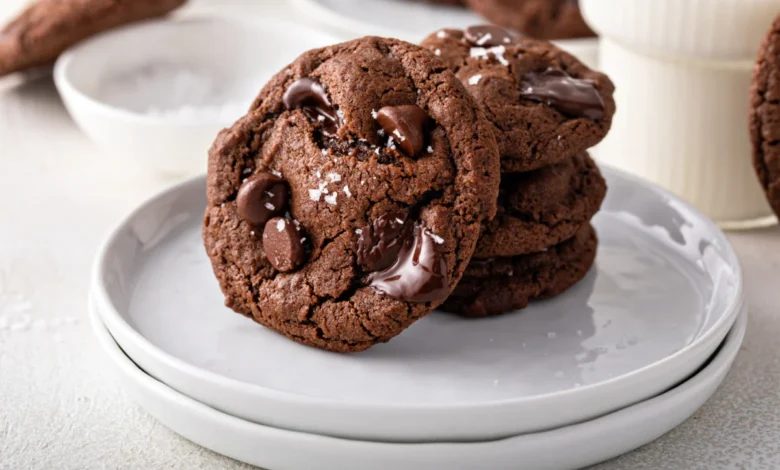
The intersection of culinary comfort and scientific precision has long fascinated food historians and pastry chefs alike. In recent years, the American home baking landscape has witnessed a definitive shift toward hybrid desserts—confections that merge the structural integrity of a traditional cookie with the dense, decadent moisture profile of a brownie. Among the frontrunners of this trend is the salted double chocolate chip cookie, a sophisticated evolution of the childhood staple that balances intense cocoa bitterness with a contrasting hit of mineral-rich sodium chloride.
Culinary data from consumer behavior reports indicate that demand for sweet-and-salty flavor profiles has risen steadily over the past decade. Consumers increasingly seek out sensory contrast, moving away from one-dimensional sugary treats toward complex flavor experiences. The inclusion of flaky sea salt—often harvested from ancient sea salt deposits or evaporated ocean waters—transforms a standard chocolate cookie into a gourmet-tier pastry reminiscent of offerings found in high-end urban bakeshops. This article examines the anatomy of the ultimate salted double chocolate chip cookie, exploring the precise chemistry behind its texture, professional baking methodologies, customizable flavor variations, and optimal storage techniques.
The Anatomy of a Superior Double Chocolate Cookie: Texture and Chemistry
Achieving the ideal mouthfeel in a double chocolate cookie requires an understanding of fundamental baking science. Unlike standard chocolate chip cookies, which rely heavily on the Maillard reaction of butter and brown sugar interacting with flour to develop complex flavors, double chocolate cookies introduce cocoa powder into the dry ingredient matrix.
Cocoa powder acts much like flour in terms of absorption; it readily drinks up liquid and fat. Consequently, recipes that fail to account for this hygroscopic property often yield dry, cake-like, or overly crumbly cookies. To combat this, successful formulations incorporate a strategic ratio of fats—typically unsalted butter—alongside adequate moisture-binding agents such as eggs and brown sugar. Brown sugar, containing molasses, contributes not only to the chewiness of the final bake but also to the overall acidity, which reacts with chemical leavening agents like baking soda to ensure a tender crumb.
The sensory profile of these cookies is defined by three distinct textural elements:
- The Edges: These should offer a delicate, lightly crisp perimeter resulting from the caramelization of sugars as they make direct contact with a hot baking sheet.
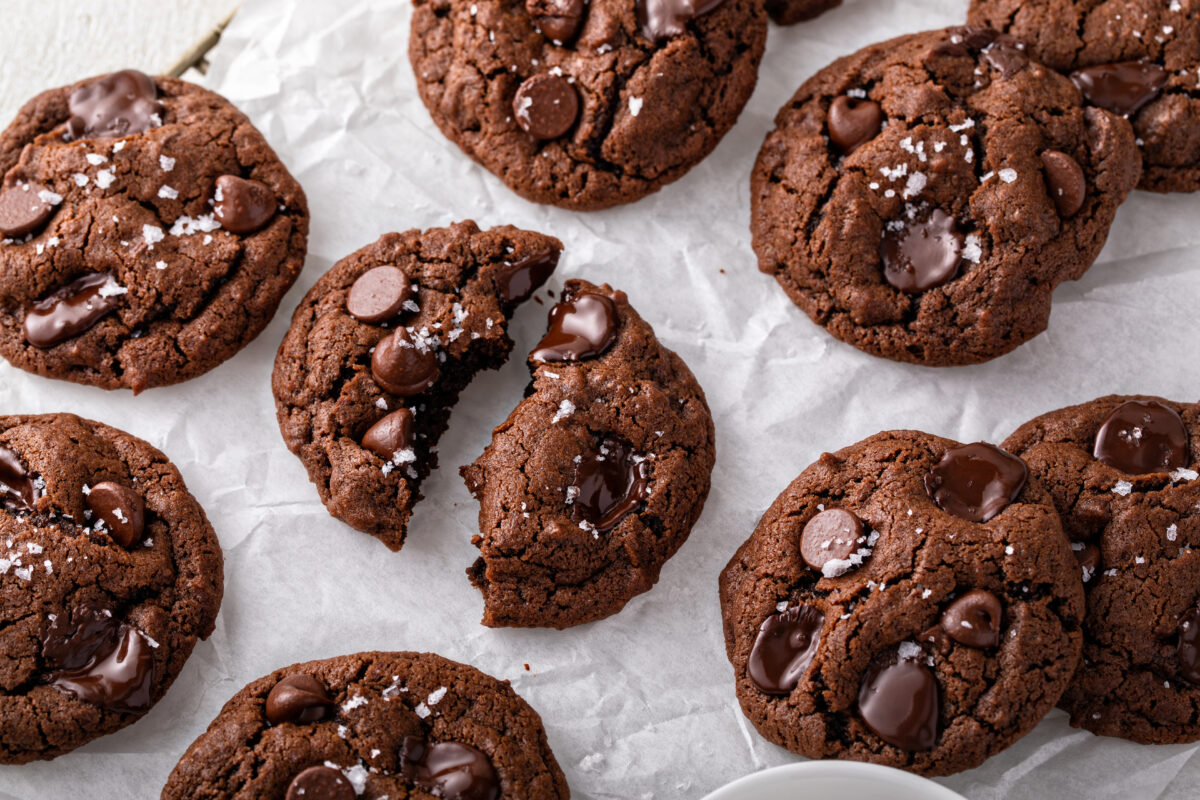
- The Center: True to the brownie-hybrid description, the center must remain soft, fudgy, and slightly underbaked upon initial removal from the oven, allowing residual heat to complete the internal setting process without drying out the interior.
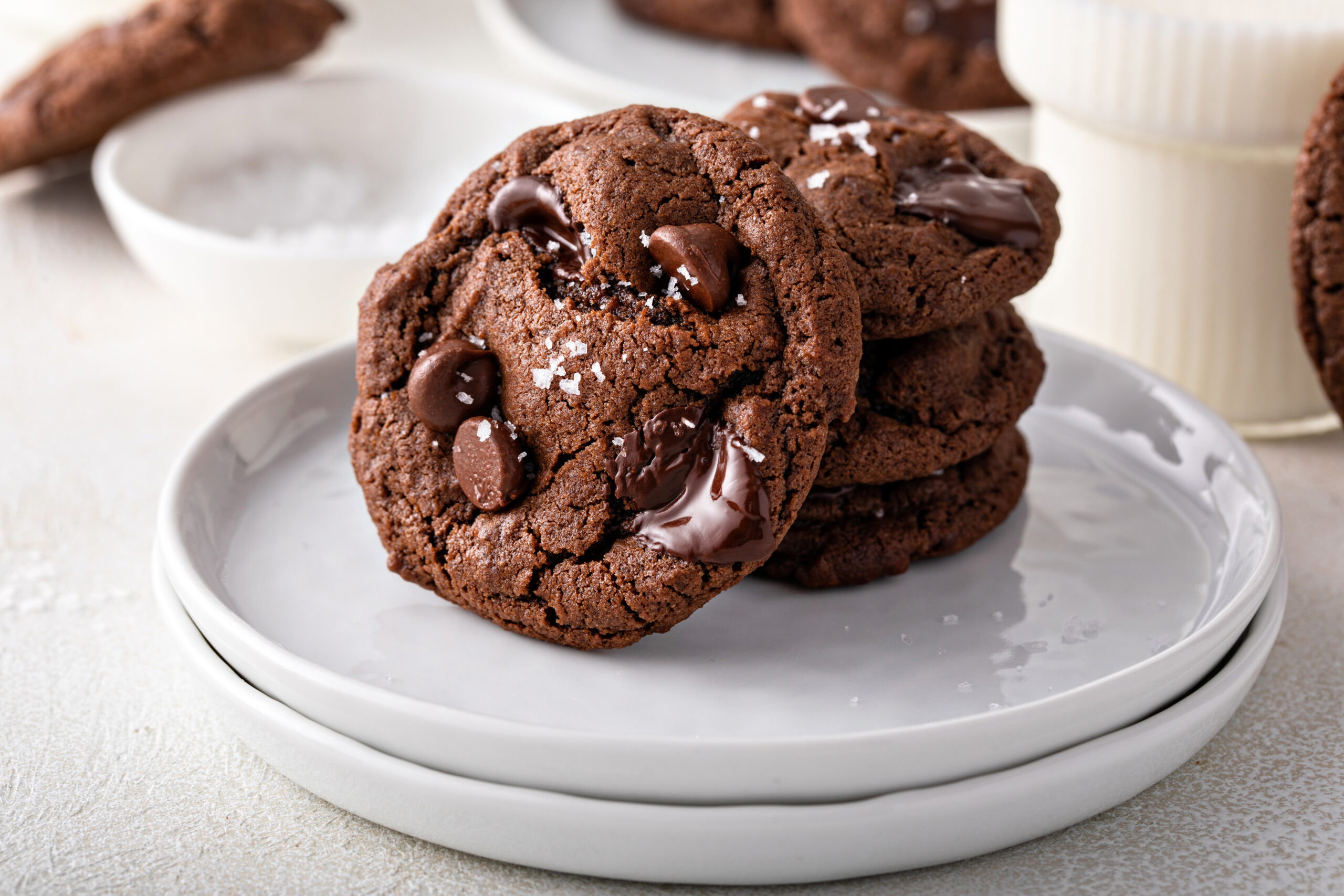
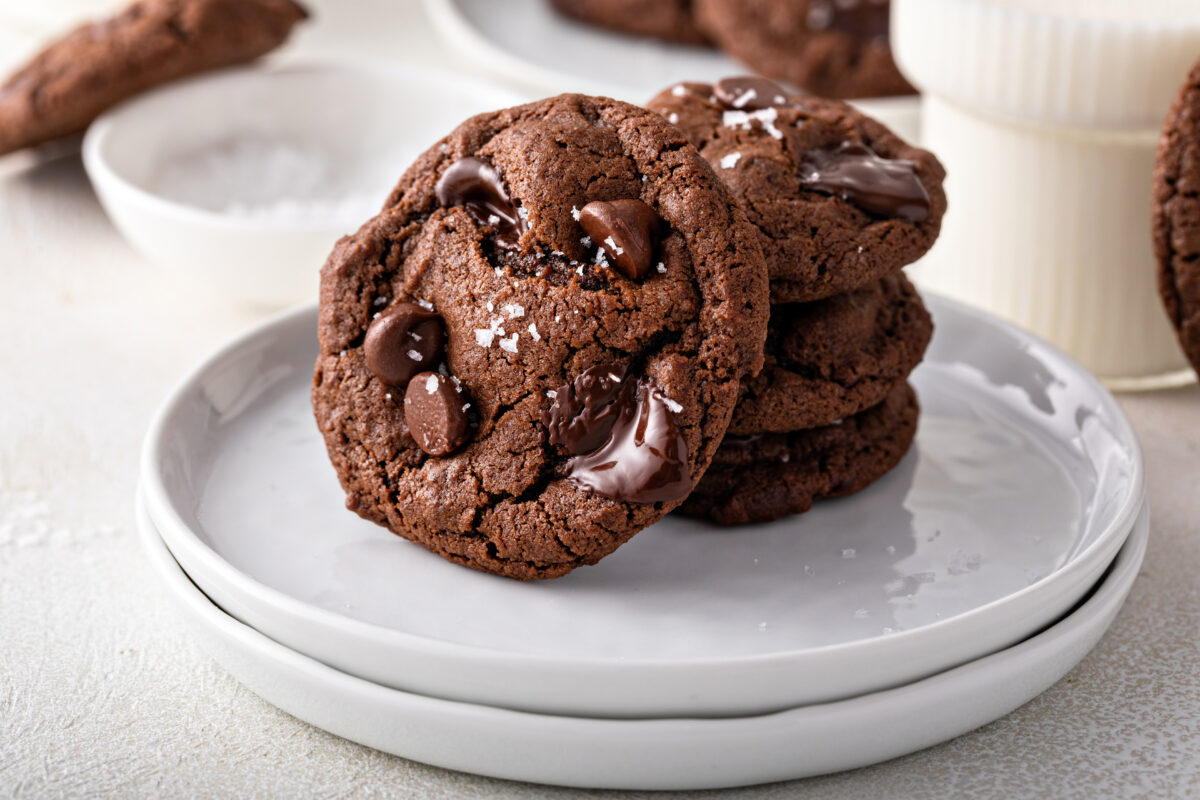
- The Melt: Pockets of high-quality dark or semi-sweet chocolate chips or chunks create pools of molten cocoa that contrast with the denser dough matrix.
Chronology and Evolution of the Trend: From Humble Beginnings to Modern Bakeries
The popularization of sea salt as a finishing element on sweet baked goods is generally credited to the French pastry revival of the early 2000s, though artisanal chocolatiers had paired salt with cocoa for centuries. Traditionally, salt was relegated to the background as a chemical enhancer designed to balance sweetness. However, the paradigm shifted when chefs began using flaky salts—such as Maldon sea salt—not for their sodium content alone, but for their crystalline structure and visual appeal.
By the mid-2010s, food bloggers and independent pastry chefs began applying this technique to chocolate chip cookies. The double chocolate variant quickly emerged as a natural successor. Because cocoa powder inherently possesses bitter, earthy notes, the addition of sodium chloride serves a vital biological function: it suppresses the tongue’s perception of bitterness while heightening the sensitivity of sweet-receptive taste buds. This chemical interaction explains why a salted chocolate cookie tastes noticeably more chocolatey and complex than its unsalted counterpart.
Step-by-Step Methodology: Professional Techniques for Home Bakers
While the ingredient list for double chocolate cookies relies on accessible pantry staples—all-purpose flour, unsalted butter, granulated and brown sugars, eggs, vanilla extract, baking soda, salt, cocoa powder, and chocolate chips—the execution demands precision.
Preparation and Mixing Timeline
The preparation phase requires approximately 15 minutes of active kitchen time, followed by 11 minutes of baking, bringing the total active and thermal process to roughly 26 minutes.
- Fat and Sugar Aeration: Creaming room-temperature unsalted butter with both granulated sugar and brown sugar introduces tiny air pockets into the mixture. This mechanical leavening prevents the cookies from becoming dense hockey pucks.
- Incorporating Wet Ingredients: Eggs and high-grade vanilla extract should be incorporated gradually to maintain an emulsion, ensuring a uniform distribution of moisture throughout the dough.
- Dry Ingredient Integration: Unsweetened cocoa powder, all-purpose flour, baking soda, and salt must be whisked separately before being folded into the wet mixture. Over-mixing at this stage can develop excess gluten, leading to tough cookies rather than tender, fudgy ones.
- Chocolate Selection: To achieve a balanced flavor profile, bakers are advised to utilize high-quality unsweetened cocoa powder for the base dough, paired with semi-sweet or dark chocolate chips. Pressing additional chocolate chunks onto the tops of the dough balls immediately before baking ensures a visually striking, bakery-quality finish.
Thermal Management: The Danger of Overbaking
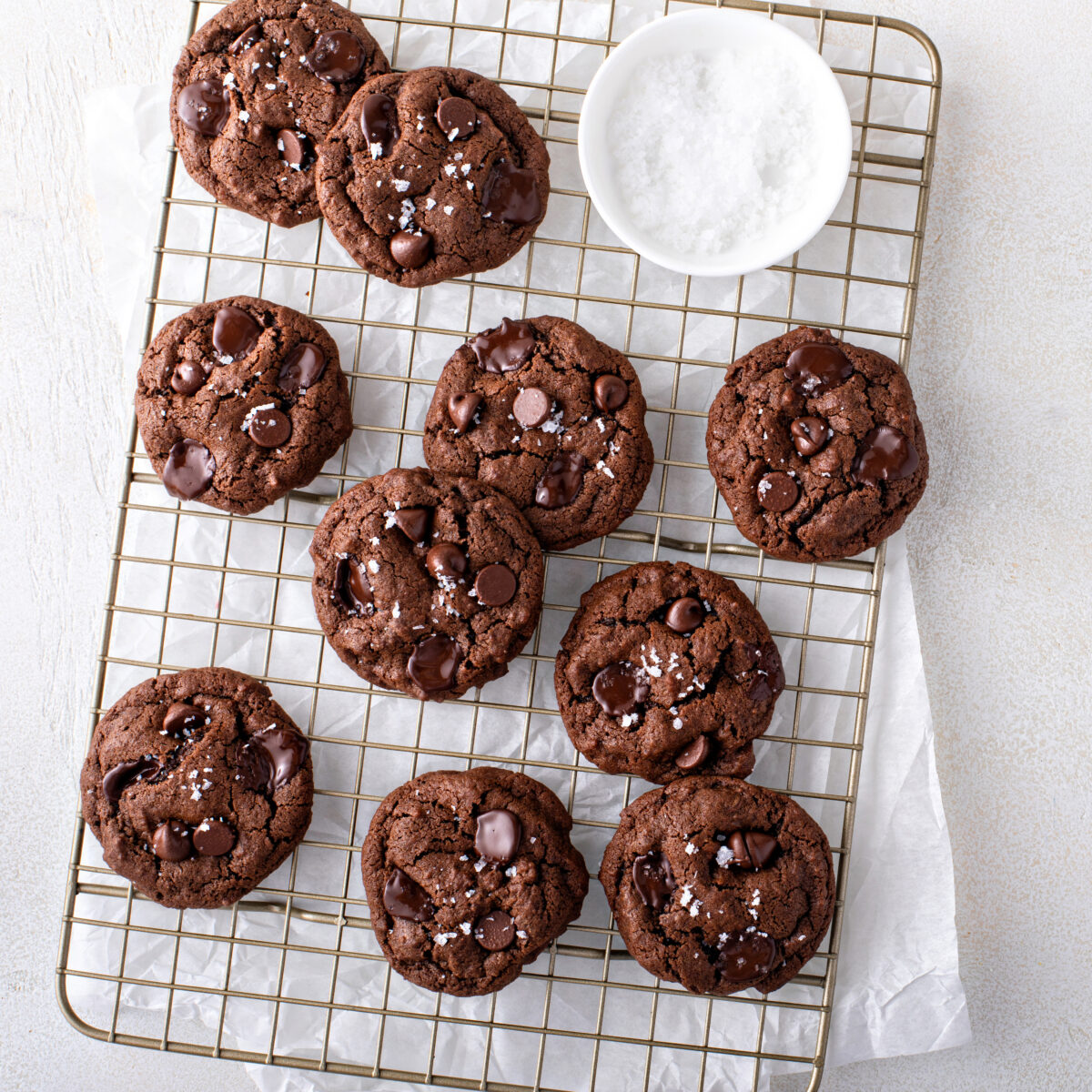
One of the most common pitfalls in executing a fudgy cookie is visual misjudgment in the oven. Ovens vary in calibration, and the internal residual cooking process is often underestimated. For an authentic brownie-like center, cookies must be extracted from the heat source when the edges appear set, but the centers still look slightly underdone and soft. As the baking sheet rests on a wire cooling rack, residual thermal energy finalizes the internal structure without sacrificing moisture.
The Critical Finishing Touch: Salt Application
Timing is paramount when applying the finishing salt. Flaky sea salt should be dusted over the cookies immediately upon removal from the oven while the surface fats are still warm and molten. This thermal window ensures the salt crystals adhere securely to the cookie rather than bouncing off once the surface hardens.
Customizable Variations for Diverse Palates
To accommodate varying dietary preferences and regional taste trends, the foundational dough of the salted double chocolate chip cookie lends itself to several verified culinary adaptations:
- The Triple Chocolate Variation: Incorporating a tripartite blend of semi-sweet, milk, and white chocolate chips offers a gradient of sweetness that cuts through the robust cocoa base.
- The Peppermint Variation: The introduction of a quarter-teaspoon of pure peppermint extract to the wet ingredients, paired with a post-bake dusting of crushed peppermint candies, transforms the cookie into a seasonal favorite reminiscent of winter holidays.
- The Peanut Butter Integration: Swirling natural peanut butter directly into the dough or folding in specialized peanut butter chips creates a classic flavor pairing that resonates strongly with American consumer preferences.
- The Espresso Enhancement: Adding a half-teaspoon of finely ground espresso powder to the dry ingredients acts as a flavor catalyst. Caffeine and bitter compounds in coffee do not make the cookies taste like coffee; instead, they amplify the perception of rich, dark chocolate.
- Dietary Accommodations: For consumers managing gluten sensitivities, a direct one-to-one substitution with a certified gluten-free flour blend yields comparable structural results without compromising the fudgy interior.
Make-Ahead Strategies, Freezing Protocols, and Shelf Life
In the context of modern food preparation, efficiency and waste reduction are paramount. The double chocolate cookie dough is exceptionally well-suited for advance preparation and long-term storage.
Room Temperature Storage
Once fully cooled on a wire rack, the baked cookies should be transferred to an airtight container layered with parchment paper. Stored at ambient room temperature, they maintain optimal moisture and textural integrity for up to four days.
Freezing the Unbaked Dough
For long-term storage, portioning the dough into individual balls and placing them on a baking sheet to freeze solid is the industry-standard method. Once frozen, these dough spheres can be transferred to a heavy-duty, freezer-safe bag, where they remain viable for up to three months. When baking from a frozen state, home cooks need only extend the standard baking time by one to two minutes, ensuring fresh, warm cookies on demand without the preparatory labor.
Freezing Baked Goods
Alternatively, fully baked cookies can be frozen for up to two months. To restore their original texture, they should be thawed naturally at room temperature before serving, optionally warmed in a low-temperature oven for two minutes to mimic the fresh-baked experience.
Broader Culinary Implications and Cultural Resonance
The enduring popularity of the salted double chocolate chip cookie speaks to a broader cultural shift in home economics and culinary education. As cooking shows, food science literature, and digital media democratize professional techniques, home bakers increasingly expect commercial-grade results from domestic kitchens.
Furthermore, the emphasis on quality ingredients—such as Dutch-processed cocoa powder, Madagascar vanilla, and artisanal flaky sea salt—reflects a discerning consumer base that values provenance and flavor complexity. Whether served at community potlucks, arranged on holiday cookie platters, or consumed simply as an indulgent evening snack alongside a cold glass of milk, this hybrid confection bridges the gap between nostalgic comfort food and modern gastronomy. Through careful adherence to foundational baking science, precise thermal management, and thoughtful ingredient selection, the salted double chocolate chip cookie remains a testament to the enduring appeal of well-executed comfort food.