The Ultimate Guide to Baking Fluffy Eggless Banana Muffins for Families Dealing with Dietary Restrictions

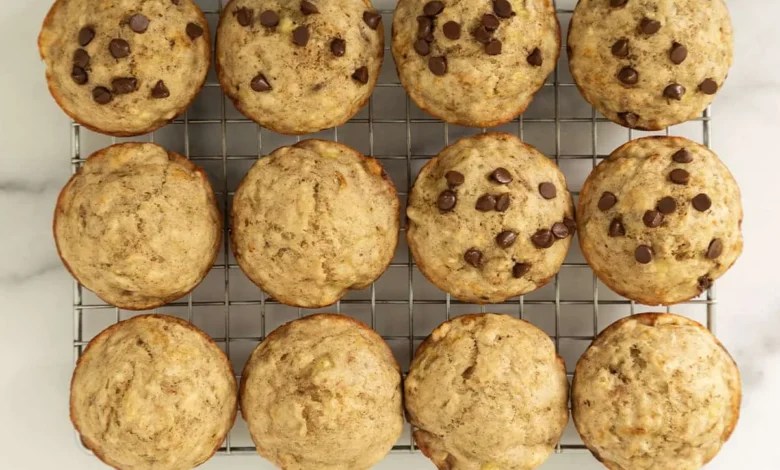
The rising prevalence of food allergies, particularly egg sensitivities among young children, has prompted a significant shift in domestic culinary practices, forcing home cooks and professional bakers alike to rethink traditional pastry formulations. Among the most popular and comforting baked goods affected by this trend is the classic banana muffin. Traditionally reliant on eggs for structural integrity, moisture retention, and the characteristic rise, bakers have increasingly sought reliable alternatives that do not compromise texture or flavor. Addressing this growing culinary demand, modern home-baking experts have developed and popularized an innovative recipe for Eggless Banana Muffins that delivers ultimate fluffiness and a rich, authentic banana flavor using standard pantry staples.
Background Context of Egg Allergies and Baking Innovations

Food allergies represent a substantial and growing public health concern, particularly within pediatric populations. According to epidemiological data from organizations such as the American College of Allergy, Asthma, and Immunology, egg allergies are among the most common food allergies in infants and young children, often presenting during the first year of life. While many children eventually outgrow the allergy by school age, managing the condition requires constant vigilance from caregivers, particularly during meal and snack preparation.
For decades, eggs have played a foundational role in baking. Functionally, egg proteins coagulate when heated, providing structure and stability, while egg yolks introduce fats that contribute to tenderness. Removing such a critical ingredient often results in dense, dry, or crumbly baked goods. However, recent advancements in home baking have demonstrated that natural ingredients—such as overripe bananas, yogurt, and chemical leavening agents—can successfully mimic the binding and aerating properties of eggs. This development has democratized baking for families managing dietary restrictions, ensuring that children with allergies can enjoy familiar comfort foods without exclusion.
Nutritional Implications and Dietary Flexibility
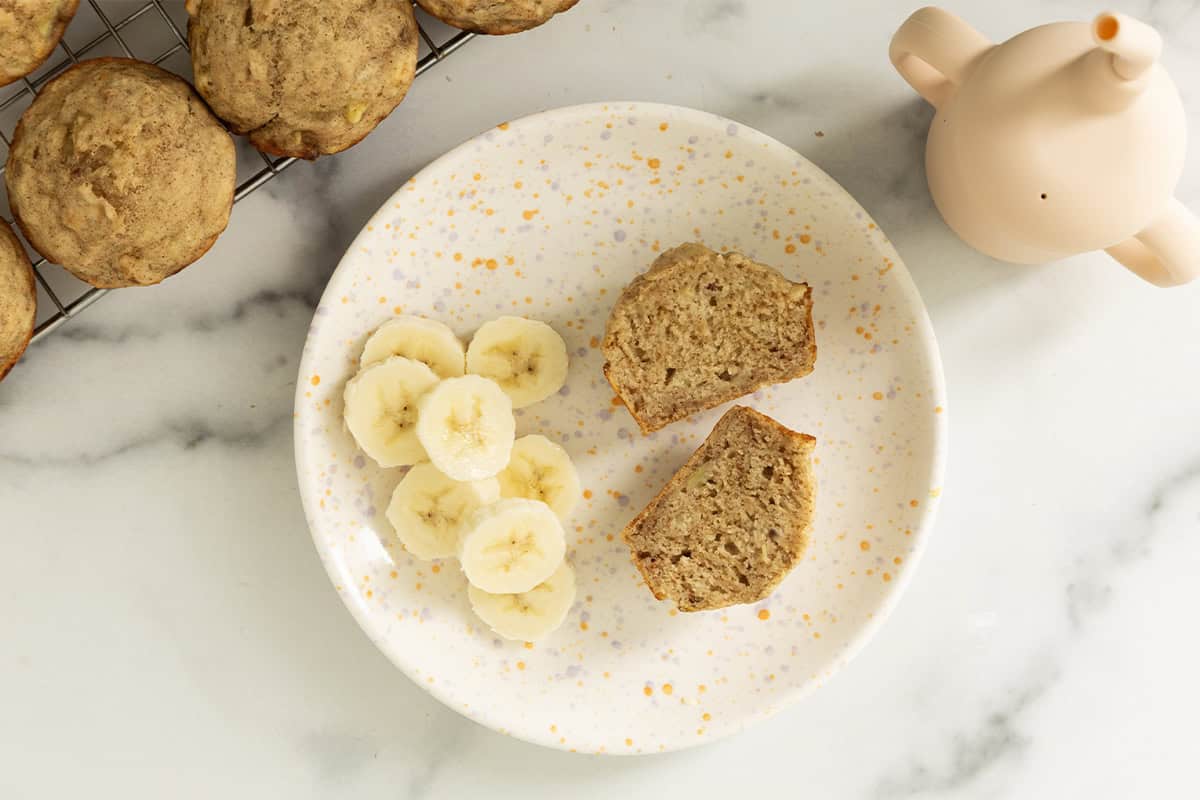
The nutritional profile of eggless baked goods often aligns well with the dietary needs of growing children. Traditional muffin recipes frequently rely on refined sugars and heavy fats, but banana-based formulations utilize the natural sweetness and moisture of ripe fruit, thereby reducing the necessity for excessive added sugars. A standard single-serving eggless banana muffin contains approximately 120 calories, 19 grams of carbohydrates, 2 grams of protein, and 4 grams of fat, making it a balanced option for breakfast or mid-day snacks.
Furthermore, the recipe’s inherent versatility allows caregivers to adapt the nutritional content based on individual dietary requirements. By incorporating wholesome mix-ins such as blueberries, chopped walnuts, pecans, or dark chocolate chips, bakers can adjust fiber, healthy fat, and antioxidant content. The ability to prepare these muffins using standard household ingredients—such as flour, baking powder, baking soda, butter or plant-based alternatives, and yogurt—eliminates the financial and logistical burden of sourcing expensive specialty allergen-free baking substitutes.
Step-by-Step Culinary Methodology
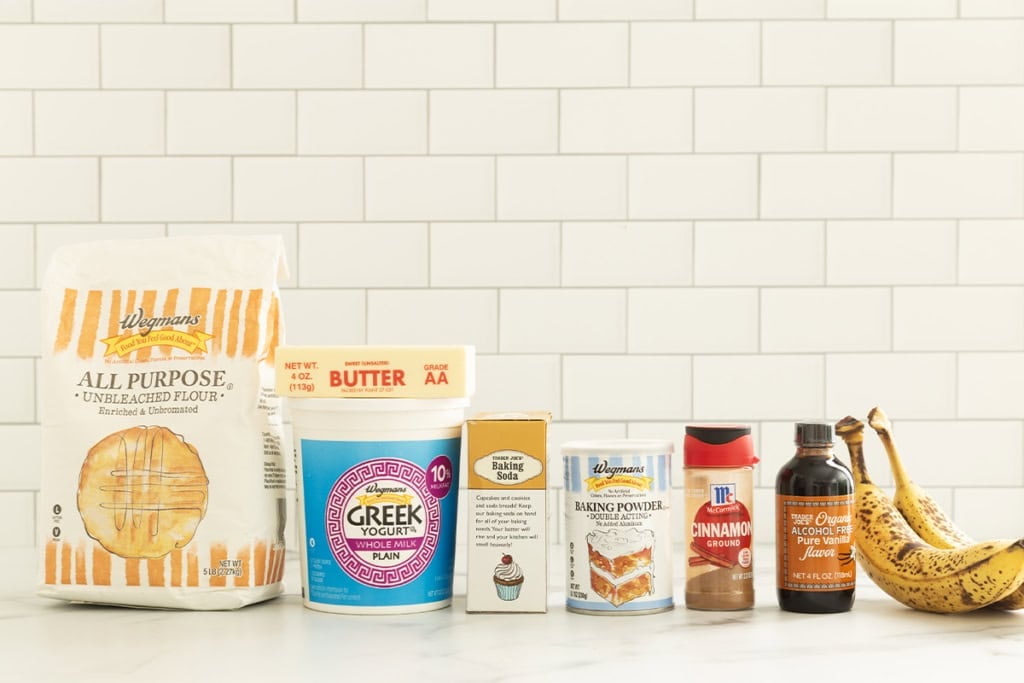
The preparation of Eggless Banana Muffins relies on a streamlined, one-bowl methodology designed to maximize efficiency for busy households. Culinary experts outline the process through a straightforward chronological framework:
-
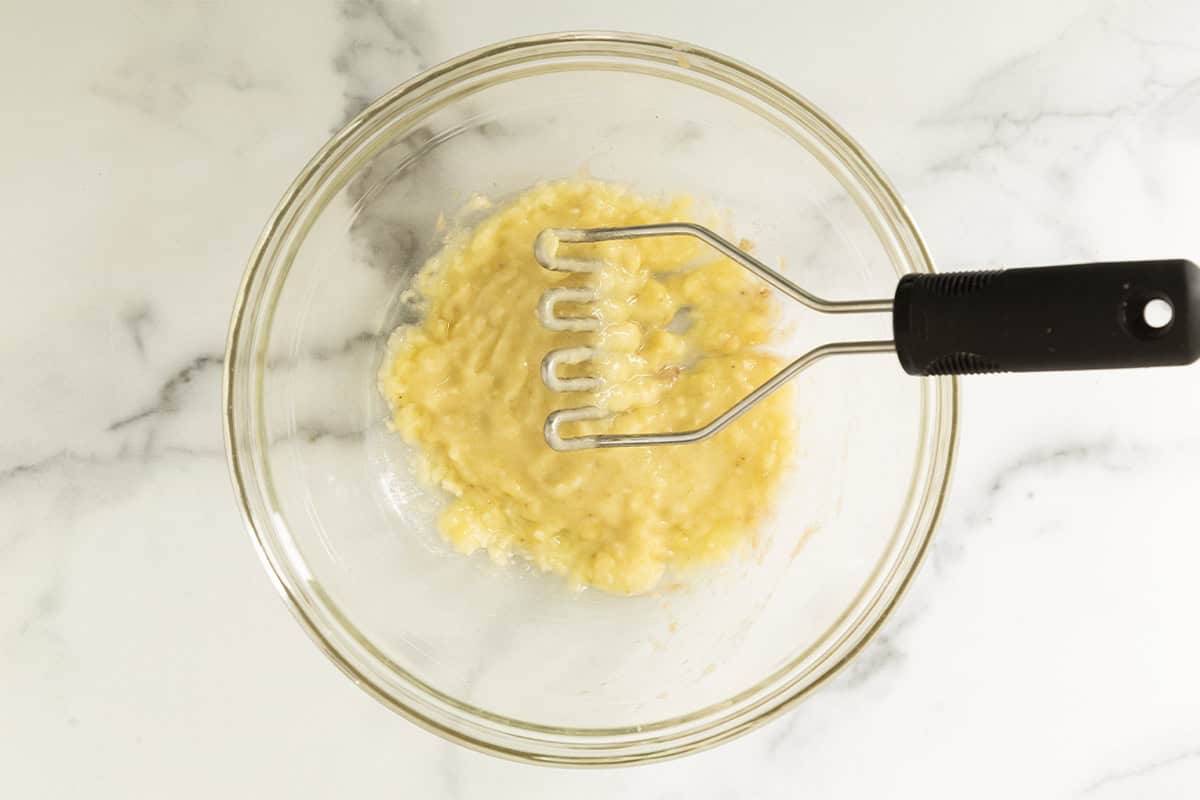
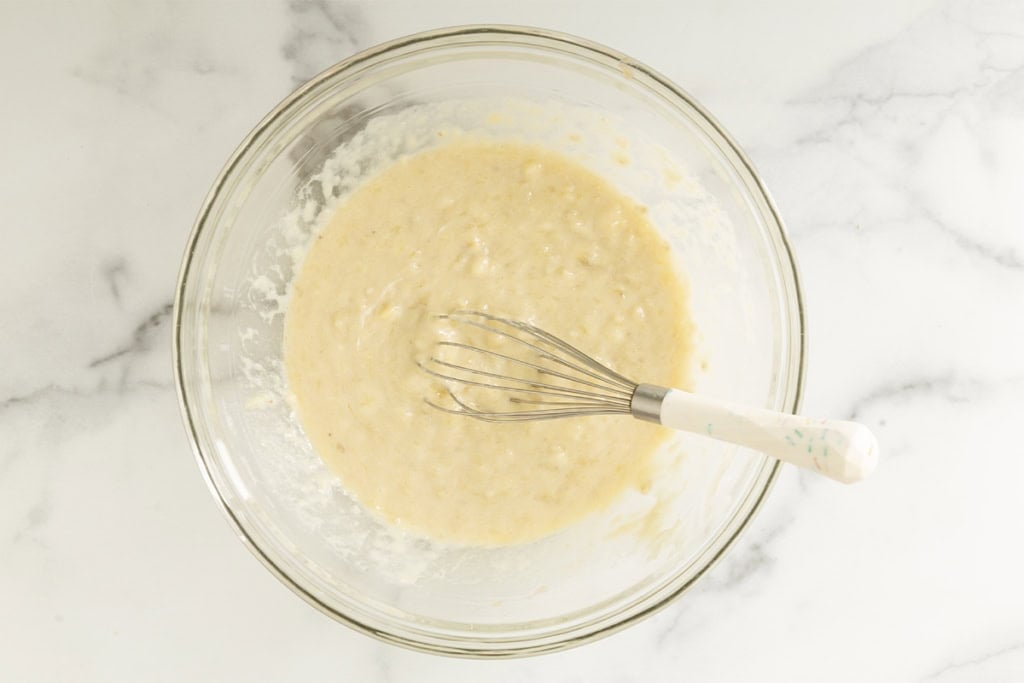
Preparation of the Base: The foundation of the recipe begins with overripe bananas. As bananas ripen, their starch converts into natural sugars, resulting in enhanced sweetness and a softer texture that is ideal for mashing. Using a potato masher or a standard fork directly within the mixing bowl ensures a smooth consistency without requiring specialized kitchen equipment.
-
Integration of Wet Ingredients: Once the bananas are thoroughly mashed, wet components—including yogurt, melted butter or oil, and vanilla extract—are incorporated. The addition of yogurt is chemically significant; its acidity reacts with the baking soda to produce carbon dioxide bubbles, which are essential for achieving the characteristic fluffiness of the muffin in the absence of eggs.
-
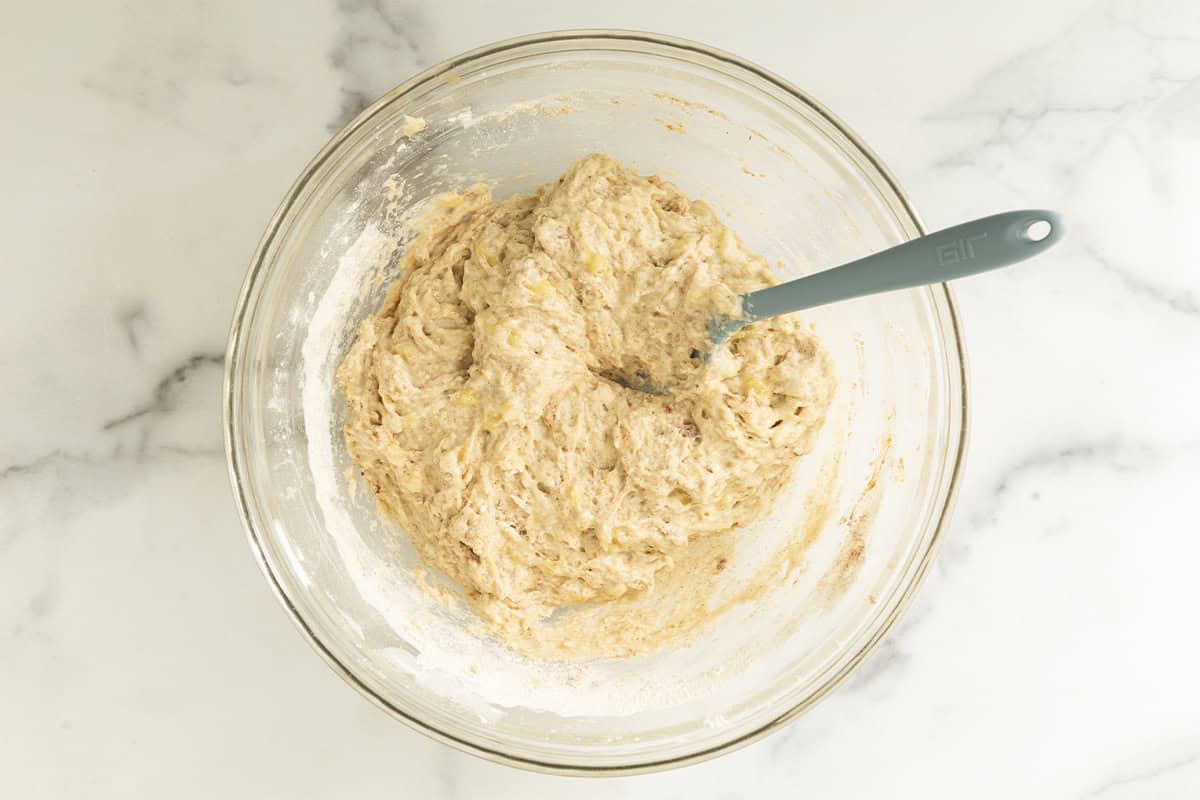
Incorporation of Dry Ingredients: Flour, cinnamon, baking powder, baking soda, and a pinch of salt are gently folded into the wet mixture. Culinary professionals emphasize the importance of avoiding over-mixing at this stage, as excessive agitation activates the gluten in the flour, potentially resulting in a tough or rubbery texture.
-
Baking and Finishing: The thick batter is subsequently divided into a prepared muffin tin, topped with optional ingredients like chocolate chips, and baked at a precise temperature until golden brown and springy to the touch.
Storage, Shelf Life, and Food Safety
Proper storage is critical for maintaining the texture and safety of eggless baked goods, which lack the natural preservative qualities of certain commercial products. Once cooled completely on a wire rack, Eggless Banana Muffins can be stored in an airtight container at room temperature for up to three days. For extended storage, refrigeration preserves the muffins for up to five days, though a brief microwave warming session (approximately 15 seconds) is recommended prior to consumption to restore their soft, freshly baked texture.
For long-term meal planning, freezing presents a viable option. When sealed properly in a heavy-duty freezer bag with excess air removed, the muffins retain their quality for up to six months. Thawing can be achieved overnight in the refrigerator or rapidly at room temperature, providing a convenient, nutrient-dense breakfast solution for families managing hectic morning schedules.
Broader Industry Impact and Future Outlook
The mainstream adoption of allergy-friendly recipes reflects a broader evolution within the culinary and food manufacturing industries toward inclusivity and nutritional transparency. As consumer demand for allergen-free, plant-forward, and accessible home-cooking solutions continues to rise, culinary educators and recipe developers are placing increased emphasis on functional substitutions that do not sacrifice flavor or texture.
Recipes such as the Eggless Banana Muffin demonstrate that dietary accommodations do not necessitate a compromise in culinary quality. By leveraging basic scientific principles of ingredient interaction—such as the acid-base reaction between yogurt and baking soda—home cooks can achieve professional-grade results using everyday pantry items. As food literacy and allergy awareness expand globally, such accessible recipes will undoubtedly remain a staple of modern household nutrition, offering practical, delicious solutions for families navigating complex dietary landscapes.
Related posts: