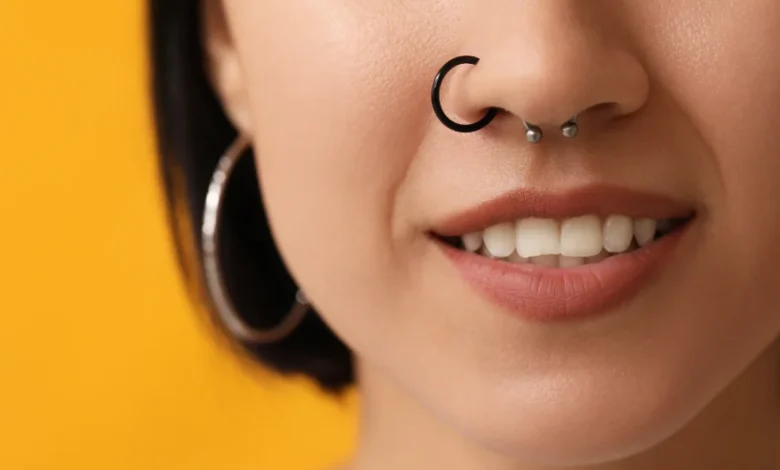
The moment a teenager approaches their parents with a request for a body piercing, whether it is a simple lobe stud or a more intricate facial modification, the immediate reaction often sets the tone for an ongoing family dialogue. Before evaluating the merits of the request itself, pediatric experts and child psychologists emphasize that the initial conversational response matters profoundly.
Across households, the conversation typically begins with a sudden declaration at the dinner table or a carefully researched presentation on a smartphone. How parents react in these crucial first moments can either bridge the gap or widen the chasm of communication during the volatile teenage years. Rather than immediately shutting down the idea with a flat refusal or granting hasty permission, professionals advocate for a measured, inquisitive pause that prioritizes relational connection over aesthetic control.
Understanding Teen Readiness: Age Versus Maturity
The core challenge for parents lies in distinguishing between chronological age and genuine personal readiness. A teenager may be entirely prepared for one specific type of piercing while remaining unready for another, and two adolescents of the exact same age can demonstrate drastically different levels of responsibility and maturity.
The American Academy of Pediatrics (AAP) offers broad guidance on ear and body piercing that reflects this exact philosophy. Rather than establishing a universal age threshold—such as 16 or 18—the AAP’s recommendations focus on whether the child possesses the maturity required to properly care for the piercing site. While age certainly forms part of the overall picture, experts agree it is far from the complete equation.
In practical terms, a 13-year-old with a proven, consistent track record of personal hygiene and responsible self-care may prove far more ready for a simple earlobe piercing than a 16-year-old who still requires frequent parental reminders to shower, brush their teeth, or complete basic household chores. Readiness depends far more on the specific piercing’s risk profile and the teen’s demonstrated accountability than on the passing of a birthday milestone.
The Ultimate Parenting Goal: Fostering Decision-Making Skills
Child development specialists frequently remind families that the primary objective of these negotiations is not winning an argument about jewelry or body modification. Instead, the overarching goal is raising a capable, thoughtful young person who can make increasingly sophisticated, informed decisions while still maintaining open lines of communication with their parents.
When teenagers feel heard and respected during discussions about bodily autonomy, they are significantly more likely to consult their parents regarding other, potentially higher-risk decisions as they navigate adolescence. Conversely, outright bans without discussion often drive teens to seek out unsafe, unsterile alternatives outside the home, such as receiving piercings from untrained peers using improvised equipment.
Anatomy of Risk: Earlobe Versus Cartilage and Dermal Piercings
Not all piercings carry an equal weight of responsibility or risk. Generally speaking, standard earlobe piercings involve simpler aftercare regimens and significantly lower complication rates compared to piercings located in the cartilage, the face, or the hands.
Medical professionals note that while earlobes consist of soft tissue with a rich blood supply that promotes rapid healing, cartilage—found in the upper ear structures like the helix or tragus—has limited blood flow. This reduced circulation makes cartilage piercings notoriously slow to heal and notably more susceptible to persistent infections, such as perichondritis, which can cause permanent structural damage to the ear if left untreated.
However, labeling earlobe piercings as "safer" does not mean they are entirely risk-free. Infections, allergic reactions to low-quality metals like nickel, and tissue trauma remain possible risks with any break in the skin.
The risks escalate further when moving into specialized categories, such as dermal or microdermal piercings. Because dermal piercings involve an anchor placed beneath the skin in areas frequently subjected to friction, movement, or accidental impacts—such as the hands, neck, or cheekbones—they carry a substantially elevated risk of migration, rejection, scarring, and severe tissue damage compared to traditional, through-and-through piercings.
The Chronology of Adolescent Body Modification Requests
The conversation surrounding teen piercings rarely happens in a vacuum; it typically follows a recognizable timeline within child development and family dynamics.
Early Childhood and Pre-Adolescence (Ages 8 to 11): Interest in body modification often sparks during late elementary or early middle school. Children may notice older peers or media influencers with pierced ears, leading to early, casual inquiries. At this stage, requests are generally driven by social imitation rather than deeply considered personal expression.
Early Adolescence (Ages 12 to 14): The transition into middle and high school brings a stronger desire for individual identity and peer acceptance. Requests for first-time earlobe piercings peak during this window. Parents frequently encounter arguments rooted in social belonging, such as "everyone in my class has their ears pierced."
Mid-to-Late Adolescence (Ages 15 to 18): As teens mature, requests often expand beyond traditional earlobes into cartilage piercings (tragus, rook, industrial), facial modifications (nose, eyebrow, lip), or alternative body locations. At this developmental stage, the motivation shifts decisively toward distinct personal style, subcultural affiliation, and artistic self-expression.
Supporting Data and Public Health Perspectives
Public health data underscores the importance of professional execution and stringent aftercare compliance. According to epidemiological studies published in adolescent medicine journals, approximately 20% to 30% of body piercings result in some form of minor complication, most commonly localized bacterial infections, contact dermatitis, or prolonged inflammation.
Furthermore, data from pediatric dermatology associations highlights that up to half of all piercing-related complications stem from inadequate or improper home aftercare routines rather than the initial piercing procedure itself. This statistic heavily reinforces the AAP’s emphasis on individual maturity: if a teenager cannot independently manage a twice-daily saline cleaning regimen, their risk of developing a painful infection increases exponentially.
Regulatory landscapes also reflect these safety concerns. In many jurisdictions, laws dictate that minors under 18 cannot receive piercings without explicit, notarized parental consent, while certain high-risk procedures or establishments may prohibit minors entirely. These legal frameworks acknowledge that adolescents are still developing the long-term cognitive foresight required to weigh health risks against cosmetic desires.
Official Responses and Professional Recommendations
Medical associations, professional piercers, and child psychologists offer structured advice for families navigating these discussions.
Professional piercers affiliated with organizations like the Association of Professional Piercers (APP) strongly advocate for studio environments that utilize single-use, sterile needles rather than spring-loaded piercing guns, which can crush tissue and harbor pathogens. Many reputable piercers will refuse service to minors without a verified parent or legal guardian present, and some enforce strict minimum age policies regardless of parental permission.
Pediatricians recommend a collaborative approach. When a teenager brings up a piercing request, experts advise parents to initiate a structured dialogue using the following framework:
- Pause and Listen: Avoid an immediate "no." Allow the teenager to fully explain what they want and why they want it.
- Research Together: Turn the request into a research project. Have the teenager investigate the healing process, potential health risks, proper aftercare requirements, and the credentials of local piercing studios.
- Establish Conditions: Tie the permission to tangible markers of responsibility, such as maintaining academic standing, managing personal hygiene routines, or contributing to the cost of the procedure and high-quality implant-grade jewelry (such as titanium or 14-karat gold).
- Discuss Consequences: Agree in advance on how complications will be handled. If an infection occurs or aftercare is neglected, establish whether the jewelry will need to be removed.
Broader Impact and Family Implications
The way a family handles a teenager’s request for a piercing extends far beyond the physical outcome of the jewelry itself. Psychologists view these minor milestones as training grounds for future, more consequential negotiations regarding driving, college choices, financial independence, and lifestyle decisions.
When parents approach the topic with curiosity, respect, and clear boundaries, they validate the adolescent’s growing need for autonomy while providing a vital safety net of guidance. Conversely, authoritarian shutdowns can foster secrecy, potentially driving teens to seek out unsafe procedures or pierce themselves or their friends in unsterile home environments.
Ultimately, navigating the piercing conversation is less about the metal and more about the methodology. By focusing on developmental readiness, health education, and open communication, families can transform a potential source of conflict into an opportunity for growth, mutual trust, and lasting connection.
Related posts: