Mediterranean Bean Salad: A Nutritional Analysis of Meal-Prep Efficiency and Dietary Trends

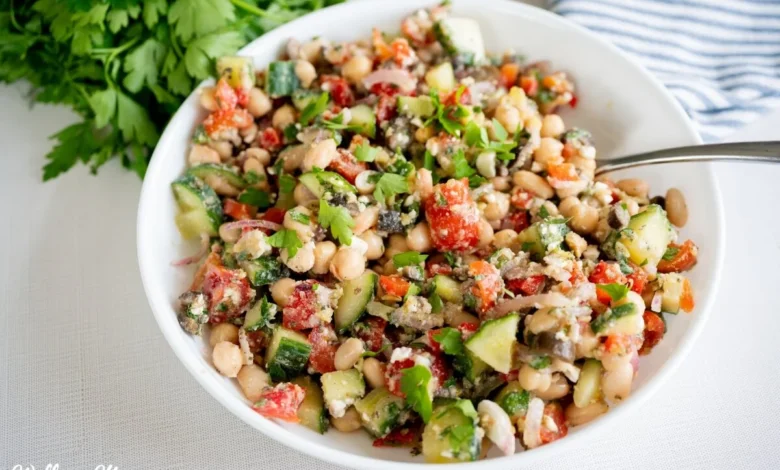
The Mediterranean bean salad has emerged as a focal point in modern culinary research, representing a shift toward nutrient-dense, fiber-rich meal preparation that emphasizes convenience without sacrificing dietary quality. As consumer habits shift away from ultra-processed convenience foods, salads utilizing legumes—specifically chickpeas and cannellini beans—have gained traction in both domestic kitchens and professional food service environments. This dish, characterized by its reliance on shelf-stable, high-fiber legumes and fresh, antioxidant-rich produce, serves as a case study in how simple, whole-food preparations can effectively address the logistical challenges of modern, time-constrained dietary management.
Historical Context and Nutritional Profile of Legume-Based Salads
Legumes, including the chickpeas (Cicer arietinum) and cannellini beans (Phaseolus vulgaris) central to this preparation, have been staples of the Mediterranean diet for millennia. Historical archaeological findings suggest that these crops were fundamental to the agricultural evolution of the Levant and the Italian peninsula. In a contemporary context, the inclusion of these pulses in a daily diet is supported by extensive clinical research. According to the American Heart Association and the Journal of the American Medical Association, regular consumption of legumes is correlated with improved glycemic control, enhanced satiety, and a reduced risk of cardiovascular disease.
The nutritional composition of the Mediterranean bean salad is particularly notable for its fiber-to-protein ratio. A standard one-cup serving contains approximately 8 grams of protein and 6 grams of dietary fiber. This combination is essential for blood glucose regulation, as the high fiber content slows the digestion and absorption of carbohydrates, preventing the rapid insulin spikes associated with high-glycemic index foods. Furthermore, the dressing—typically an emulsion of high-quality extra virgin olive oil—provides monounsaturated fatty acids, which play a critical role in maintaining cholesterol levels and promoting heart health.
Chronology of Meal-Prep Methodology
The rise of "batch cooking" or meal preparation as a mainstream lifestyle trend began to accelerate significantly between 2015 and 2020. This shift was largely driven by a growing awareness of the caloric and economic costs of frequent dining out. The Mediterranean bean salad functions as an optimized model for this methodology because it bypasses the "wilt factor" inherent in leafy green salads.
While a traditional lettuce-based salad often loses structural integrity and freshness within hours of being dressed, the Mediterranean bean salad utilizes a "marination" process. Culinary experts and food scientists note that the cellular structure of beans and dense vegetables—such as cucumbers, bell peppers, and tomatoes—is robust enough to withstand the acidity of lemon juice and the enzymatic activity of herbs for several days. Chronologically, the optimal consumption window for this salad is 24 to 72 hours after preparation. During this period, the osmotic pressure created by the dressing allows for the diffusion of flavors, resulting in a more uniform taste profile, a phenomenon often described in professional kitchens as "flavor maturation."
Culinary Composition and Functional Ingredients
The assembly of the Mediterranean bean salad involves a strategic selection of ingredients designed to maximize texture and nutrient density:
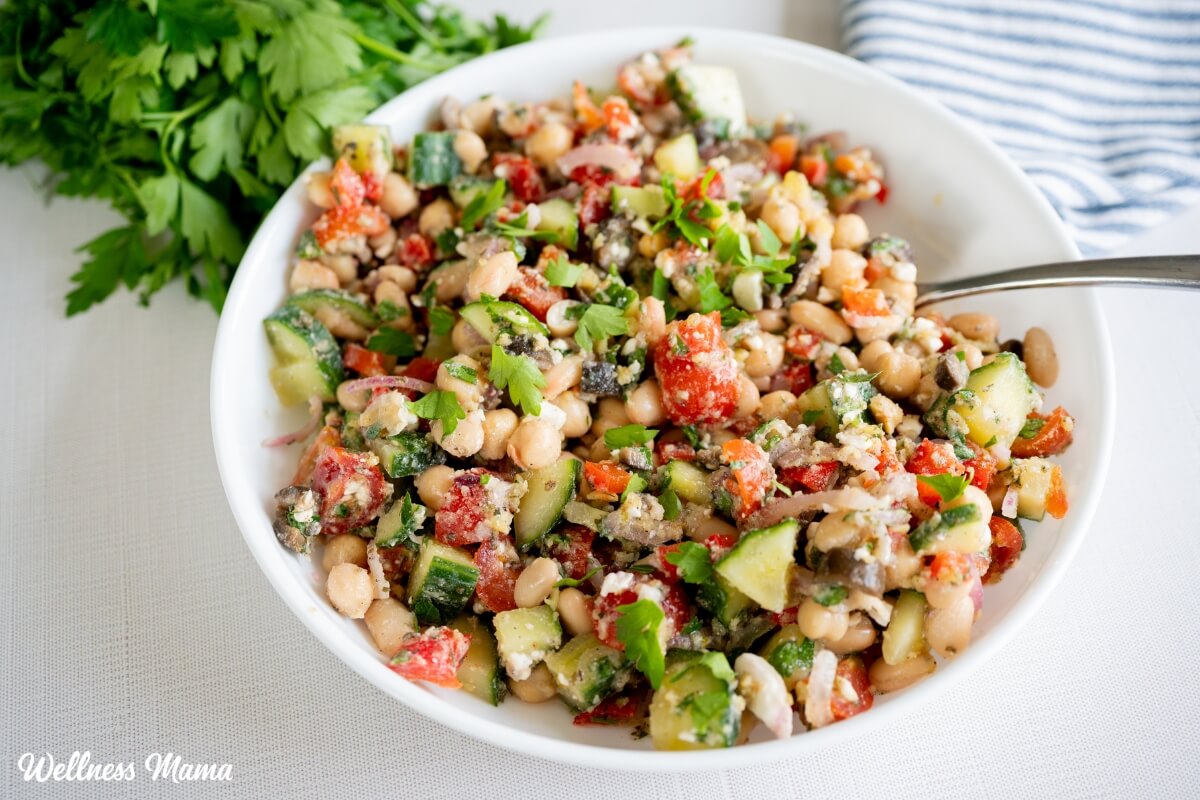
- Legume Base: The blend of chickpeas and cannellini beans provides a complex texture profile. Chickpeas offer a nutty flavor and firm bite, while cannellini beans contribute a creamy mouthfeel, ensuring the dish remains palatable after refrigeration.
- Vegetable Crunch: The incorporation of diced cucumbers, tomatoes, and bell peppers introduces essential micronutrients, including Vitamin C and potassium. These vegetables also provide the necessary crunch, which creates a satisfying sensory experience that encourages adherence to healthy eating patterns.
- Aromatic and Savory Elements: Fresh herbs such as parsley, mint, and oregano are not merely flavor enhancers; they contain polyphenols and other phytonutrients with potential anti-inflammatory properties. The inclusion of feta cheese and olives introduces sodium and fat, which serve to balance the acidity of the lemon-based dressing, providing a complete flavor profile that satisfies both savory and acidic cravings.
Analytical Perspective on Meal-Prep Efficiency
From an operational standpoint, the Mediterranean bean salad offers significant efficiencies. For the average consumer, time-budgeting is the primary barrier to healthy eating. By utilizing a jar-based emulsification technique for the dressing—which can be prepared in under three minutes—and incorporating canned, pre-cooked legumes, the total labor time is kept to a minimum.
Data regarding kitchen productivity suggests that the "assembly-line" method of preparing this salad allows for the creation of multiple servings in a single session. When analyzed against the cost of purchasing pre-packaged salads from commercial retailers, the homemade Mediterranean bean salad is consistently more cost-effective. The shelf-life of the salad, which extends to four days when stored in an airtight container at or below 40°F (4°C), effectively reduces food waste, a common issue in home kitchens where perishable ingredients are often discarded after failing to be consumed in time.
Broader Public Health Implications
The trend toward adopting dishes like the Mediterranean bean salad is indicative of a broader move toward "functional nutrition." Public health officials have long encouraged the transition to diets higher in plant-based proteins and healthy fats. The Mediterranean diet, which this salad mirrors, has been consistently ranked as one of the healthiest dietary patterns globally.
The implication of promoting such recipes is a potential reduction in the prevalence of lifestyle-related chronic conditions. By simplifying the path to a healthy meal, the barrier to entry for individuals struggling with poor nutritional habits is lowered. When a healthy option is the most convenient option—a state achieved through intentional batch-prepping—the likelihood of long-term dietary success increases substantially.
Strategic Considerations for Scaling and Serving
For those looking to integrate this salad into a wider nutritional plan, the recipe remains highly modular. It functions effectively as a standalone meal, or as a high-fiber, nutrient-dense side dish to accompany protein sources such as grilled chicken, baked salmon, or lean pork. Because the salad is stable at room temperature for several hours, it is also a viable option for large-scale events, such as potlucks or outdoor catering, where maintaining strict temperature control for mayonnaise-based or dairy-heavy dishes can be hazardous.
Nutritionists suggest that to maintain the highest quality, the "freshness" elements—such as avocado or additional fresh herbs—should be added immediately prior to consumption. This practice ensures that the avocado does not oxidize (browning) and the herbs retain their aromatic oils, further enhancing the quality of the dining experience.
Conclusion: The Future of Simplified Nutrition
The Mediterranean bean salad is more than a simple recipe; it is an effective tool for modern nutritional management. By leveraging the durability of legumes and the shelf-stability of vinegar-and-oil-based dressings, the dish offers a sustainable model for healthy eating. As the culinary landscape continues to prioritize both health outcomes and time-efficiency, the reliance on such versatile, nutrient-packed preparations is expected to grow. Whether serving as a base for a professional athlete’s meal plan or a quick, efficient dinner for a busy family, the Mediterranean bean salad represents the intersection of convenience, economy, and objective physiological benefit. Through the application of simple preparation techniques, individuals can achieve consistent nutritional quality, effectively bridging the gap between busy schedules and the pursuit of optimal health.
Related posts: