Navigating the Sidelines: How Youth Sports Parents Can Balance Passion, Pressure, and Positive Sportsmanship

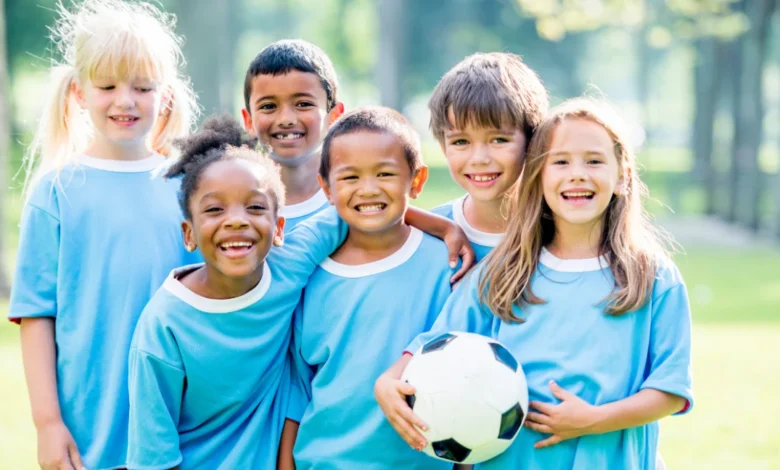
The modern youth sports ecosystem is a multi-billion-dollar industry characterized by early specialization, high financial investments, and intense parental dedication. Across the United States and globally, millions of families dedicate their weekends, evenings, and discretionary income to chaperoning practices, purchasing specialized equipment, and traveling for tournament circuits. This high level of investment naturally translates into profound emotional stakes. Parents want their children to succeed, experience victory, and reap the psychological and physical benefits associated with athletic achievement.
However, this well-intentioned enthusiasm frequently manifests in behaviors that sports psychologists and youth organizations have identified as detrimental to child development. The phenomenon commonly known as "coaching from the sidelines"—where parents shout tactical instructions, dispute referee decisions, and critique player performances—has become a pervasive issue on community sports fields. According to youth sports advocacy groups, such as the Positive Coaching Alliance, an estimated 70% of children drop out of organized sports by the age of 13, with parental pressure and the loss of intrinsic fun cited among the primary catalysts.
Main Facts and Psychological Implications of Sideline Pressure
The core challenge facing youth sports today is the distortion of athletic purpose. When adults shift the primary objective of a game from skill acquisition, teamwork, and enjoyment to a win-at-all-costs mentality, the psychological landscape for the child changes drastically. Research published in the Journal of Sport & Exercise Psychology indicates that excessive parental pressure correlates directly with heightened anxiety, burnout, and diminished self-esteem among youth athletes.
Children internalize the emotional volatility of their parents. When a parent screams instructions that contradict a coach’s strategy, or vocally berates a referee over a disputed call, the young athlete experiences a conflict of authority. Furthermore, public criticism or intense pressure from the sidelines can induce acute embarrassment, causing children to disengage from the sport entirely.
Sports psychologists emphasize that athletic competition should serve as a controlled environment for failure and resilience building. Striking out at the plate, missing a defensive assignment, or losing a championship game are not indicators of permanent failure; rather, they are foundational learning opportunities. When parents embrace losses as natural components of athletic growth, they help children develop emotional regulation and resilience that extends far beyond the athletic arena.
Chronology of Athletic Socialization: From Family Rooms to Competitive Fields

The trajectory of a child’s sportsmanship and competitive mindset does not begin on the Little League diamond or the soccer pitch; it is cultivated years earlier within the domestic environment.
Early Childhood and Cooperative Play (Ages 3–6)
During the formative years, children learn the basic mechanics of following rules, sharing, and dealing with micro-frustrations through unstructured play and family board games. Pediatric development experts recommend utilizing cooperative games, scavenger hunts, and luck-based activities during this stage. These activities allow children to experience winning and losing in low-stakes environments, neutralizing the fear of failure before they transition into skill-based competitive frameworks.
Introduction to Organized Sports (Ages 7–10)
As children enter organized community leagues, parents frequently experience a surge of ambition, occasionally projecting their own unfulfilled athletic aspirations onto their eight- or nine-year-olds. This period marks a critical junction. Chronologically, this is when children form their long-term relationship with physical activity. If parents maintain realistic expectations—focusing on effort, hustle, and fundamental skill improvement rather than scoreboard outcomes—children are statistically more likely to maintain lifelong habits of physical fitness. Conversely, premature specialization and an obsession with elite performance during this window often trigger early sports abandonment.
Adolescence and Specialized Competition (Ages 11+)
In the later stages of youth sports, physiological and psychological differentiation becomes apparent. Children begin navigating team dynamics, tryouts, and potential cuts. The role of the parent must evolve into a supportive, logistical facilitator rather than a tactical critic.
Supporting Data and Industry Insights
Data compiled by the National Federation of State High School Associations (NFSHSA) and various youth sports task forces highlight a severe shortage of qualified, certified officials and volunteer coaches, driven largely by sideline abuse. In recent surveys, over 55% of former youth sports officials cited parental hostility as the primary reason for abandoning their roles. This referee shortage threatens the viability of community sports infrastructure as a whole.
Moreover, a comprehensive study by the Aspen Institute’s Project Play initiative revealed that children participate in sports primarily to "have fun," with winning ranking significantly lower on children’s motivational priority lists than it does for their parents. The disconnect between adult expectations and youth motivations underscores the necessity for behavioral reform among spectators.
Official Responses and Expert Recommendations

Sports administrators, child psychologists, and coaching associations have established standardized guidelines to help parents mitigate sideline toxicity and foster a healthy competitive culture.
Establish Realistic Expectations
Parents must calibrate their aspirations to match the developmental stage of the child. Recognizing that a child’s errors are a mandatory component of the learning curve prevents undue pressure. Experts advise focusing verbal reinforcement strictly on effort and teamwork rather than outcome.
Model Respectful Behavior
Children are acute observers. When parents display respect toward volunteer coaches, opposing players, and referees—even in the face of contentious calls—they model emotional intelligence. Conversely, public outbursts teach children that aggression and disrespect are acceptable responses to adversity.
Utilize Proper Channels for Feedback
If a parent harbors legitimate concerns regarding coaching philosophy, playing time, or safety, shouting from the bleachers is universally discouraged. Professional sports administration protocols dictate scheduling a private, one-on-one meeting with the coach away from the competitive venue to discuss concerns constructively.
Manage Post-Game Interactions
Post-game car rides often become pressure cookers. Sports parenting experts suggest allowing children time to decompress before discussing a game. When conversations do occur, parents are encouraged to lead with open-ended, supportive inquiries such as, "Did you have fun?" or "What was your favorite moment today?" rather than dissecting tactical mistakes.
Broader Impact and Societal Implications
The implications of youth sports parenting extend far beyond the boundaries of the playing field. Sportsmanship learned through structured competition serves as a microcosm for civic engagement, professional collaboration, and adult interpersonal relationships.
When children are guided by adults who value integrity, cooperation, and resilience over victory at all costs, they translate those tenets into broader societal contributions. They learn to navigate professional setbacks, respect diverse authorities, and collaborate within team-oriented environments in the workplace. Ultimately, the true metric of success in youth sports is not measured in trophies, college scholarships, or win-loss records, but in the development of mentally resilient, emotionally balanced, and cooperative individuals equipped to handle the complexities of adult life.
Related posts: