The Rise of Nutrient-Dense Baking: Understanding the Innovation Behind Flourless Pumpkin-Based Chocolate Cake

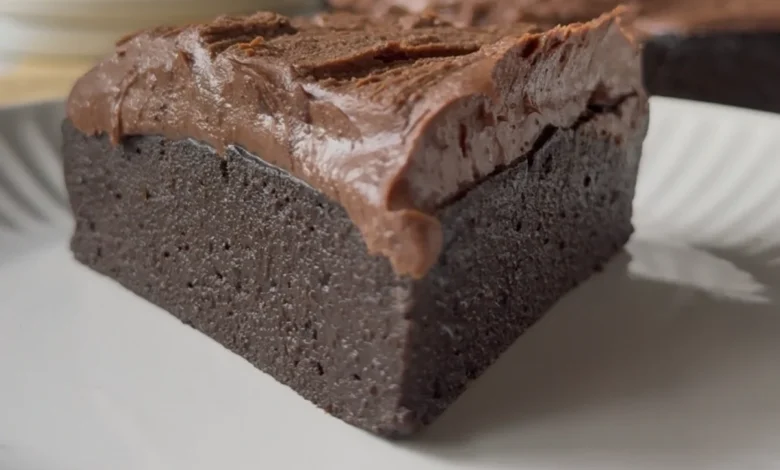
In the evolving landscape of modern nutrition and culinary science, the intersection of health-conscious consumer demand and traditional dessert craftsmanship has reached a new threshold. A recently developed recipe for a flourless chocolate cake, which utilizes pumpkin purée as a primary structural and moisture-retaining agent, serves as a case study in ingredient substitution. By eliminating refined sugars, grains, and traditional fats, this preparation method reflects a growing movement within home and professional kitchens to leverage whole-food alternatives to achieve the sensory profiles of traditional baked goods without relying on conventional wheat-based flours or processed oils.
The Science of Structural Integrity in Flourless Baking
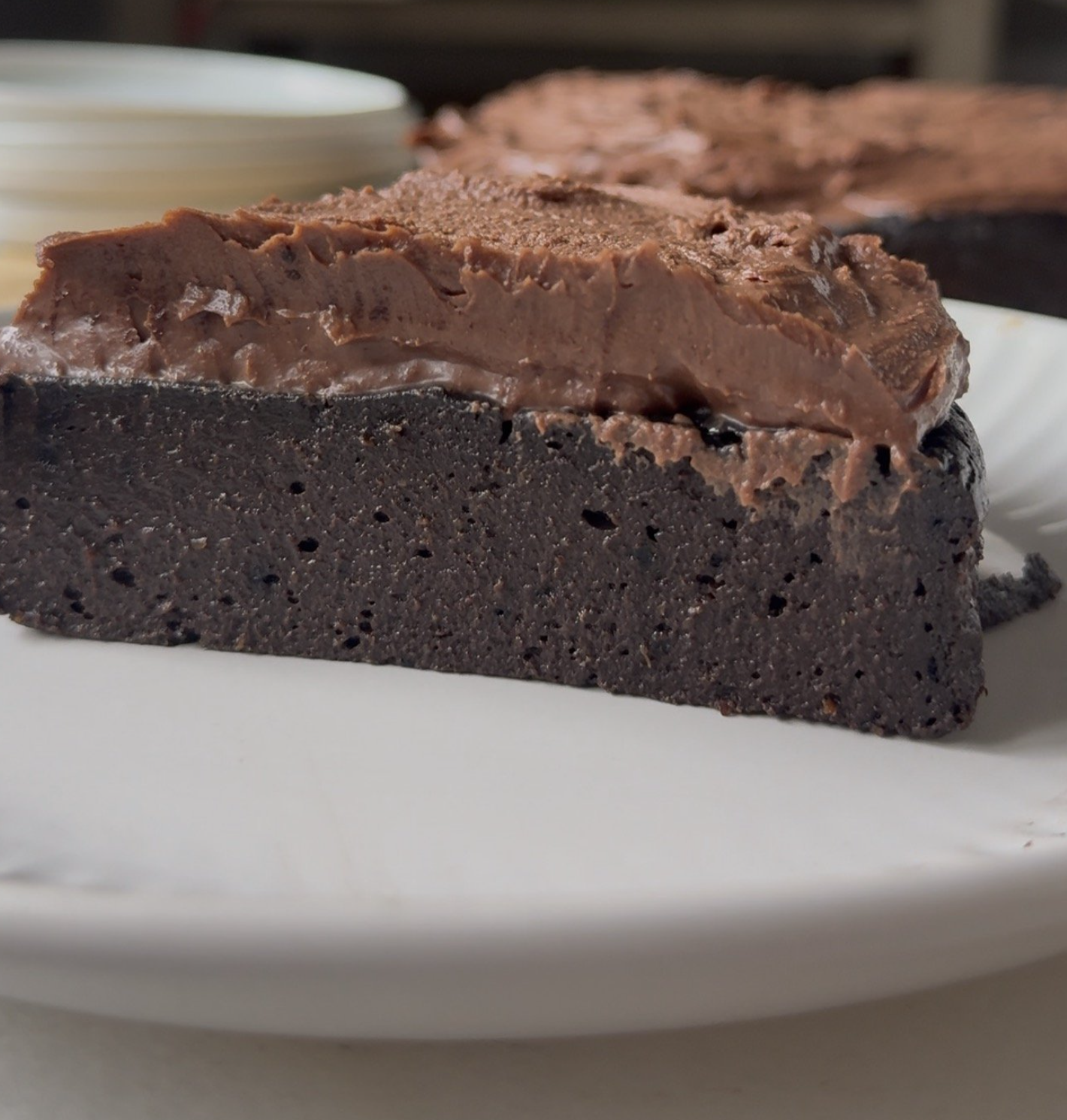
The fundamental challenge in eliminating flour from a cake recipe is the loss of the protein matrix—specifically gluten—which provides the structural framework necessary for the product to hold its shape. In standard baking, wheat proteins form an elastic network that traps air and moisture during the leavening process. In the absence of these components, the reliance shifts to the coagulation of egg proteins and the fibrous properties of vegetable purees.
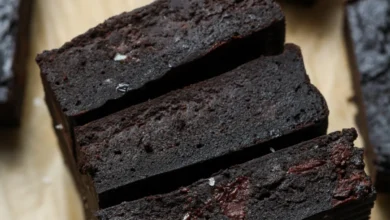
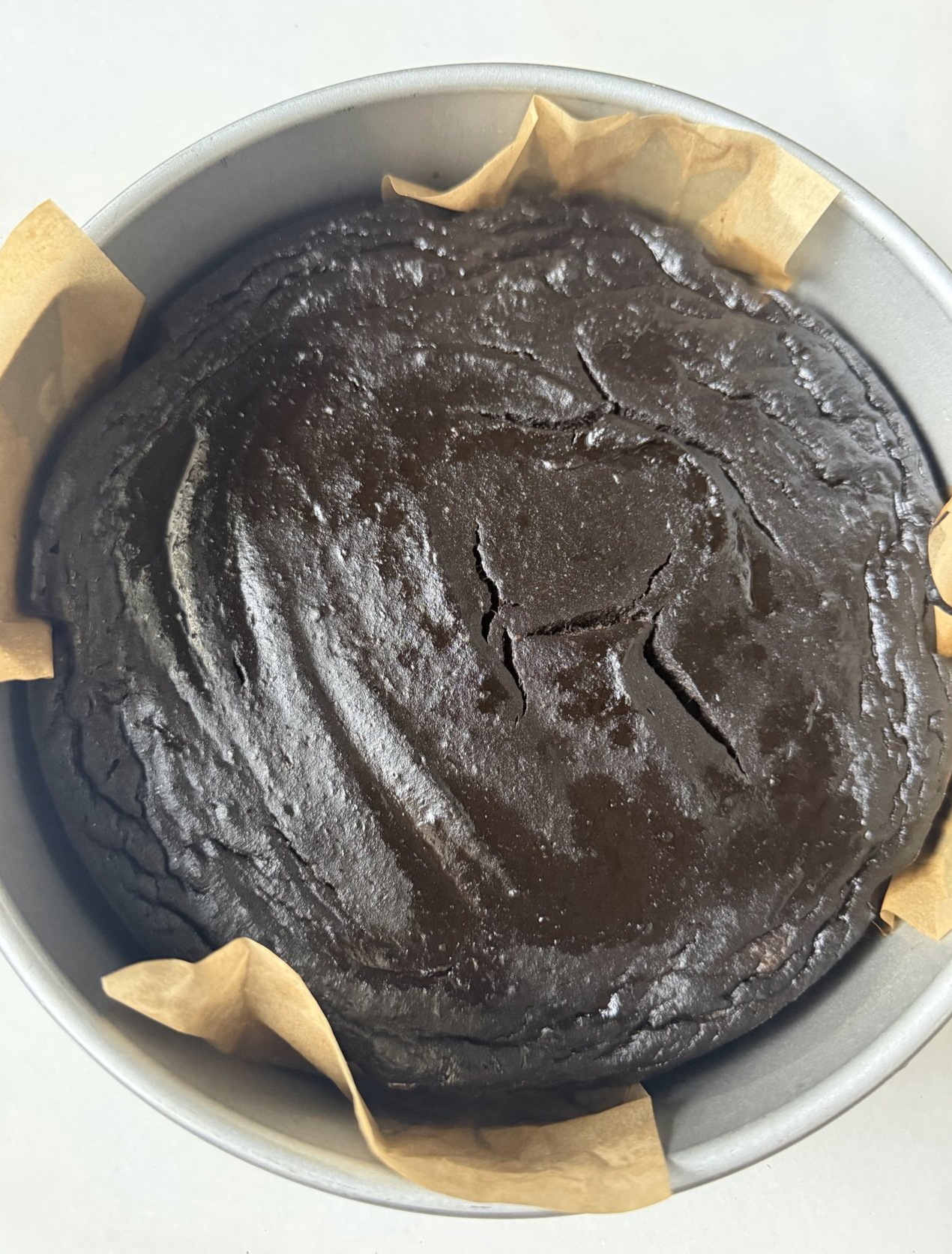
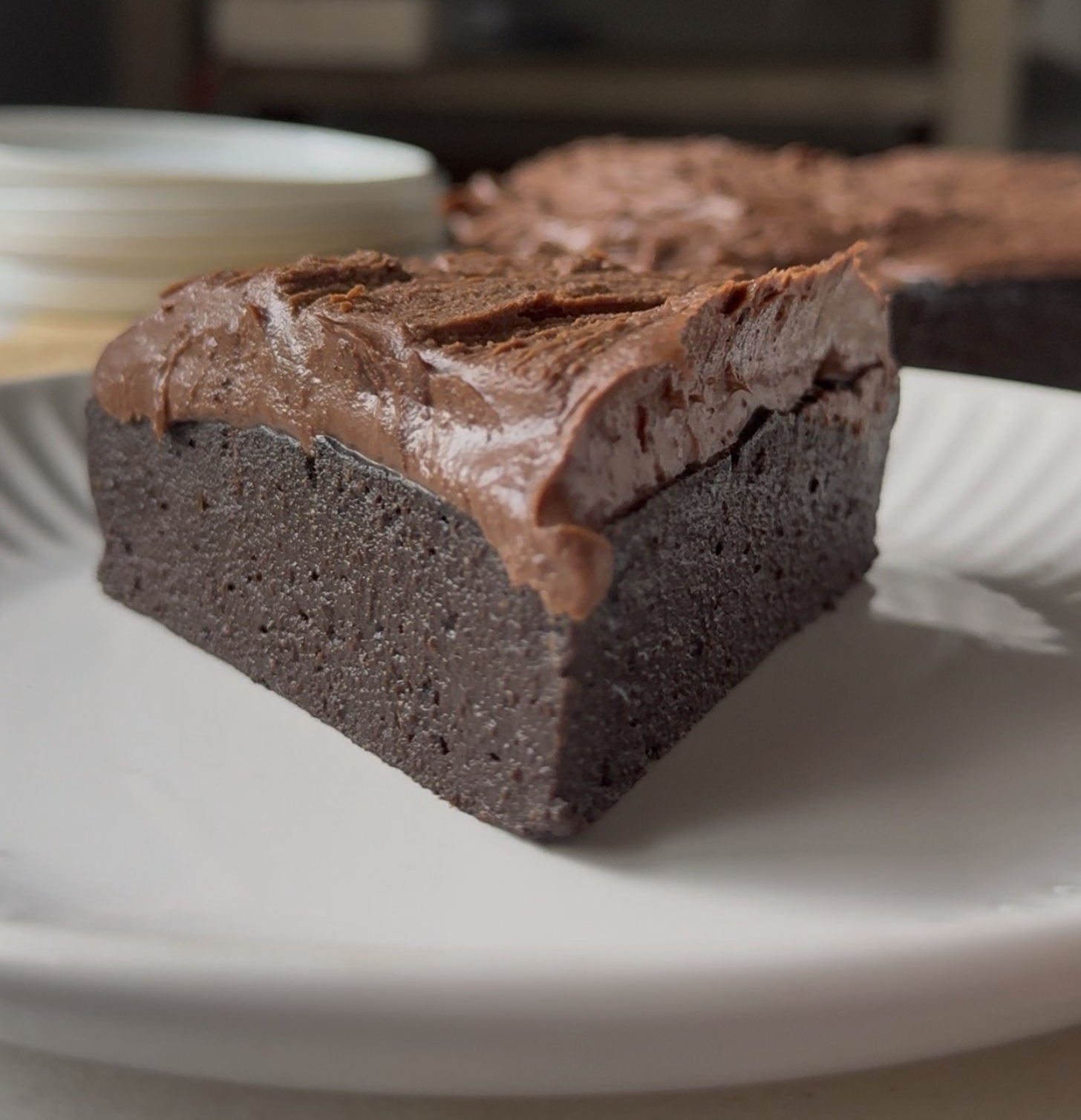
Pumpkin purée, when utilized in a specific ratio with eggs, functions as a dual-action ingredient. Its high water content provides necessary hydration, while the density of its cellulose and pectin fibers offers a foundational support system that prevents the batter from collapsing during the thermal transition in the oven. This, combined with the structural protein binding provided by a high ratio of eggs, creates a dense, custard-like texture that mimics the mouthfeel of a high-fat flourless brownie or ganache-based torte.
Chronology and Development of the Recipe
The development of this particular dessert reflects a broader trend observed over the last decade regarding "clean label" baking. The timeline of this movement can be traced back to the early 2010s, when rising public awareness regarding the inflammatory potential of processed grains and refined sugars prompted a surge in research into Paleo and grain-free diets.
- Phase One: The Substitution Experimentation: Early efforts focused on nut flours, such as almond or coconut, which were effective but calorie-dense and costly.
- Phase Two: The Integration of Vegetable Bases: The move toward using root vegetables and squashes emerged as a method to reduce the caloric footprint of baked goods while increasing fiber and micronutrient density.
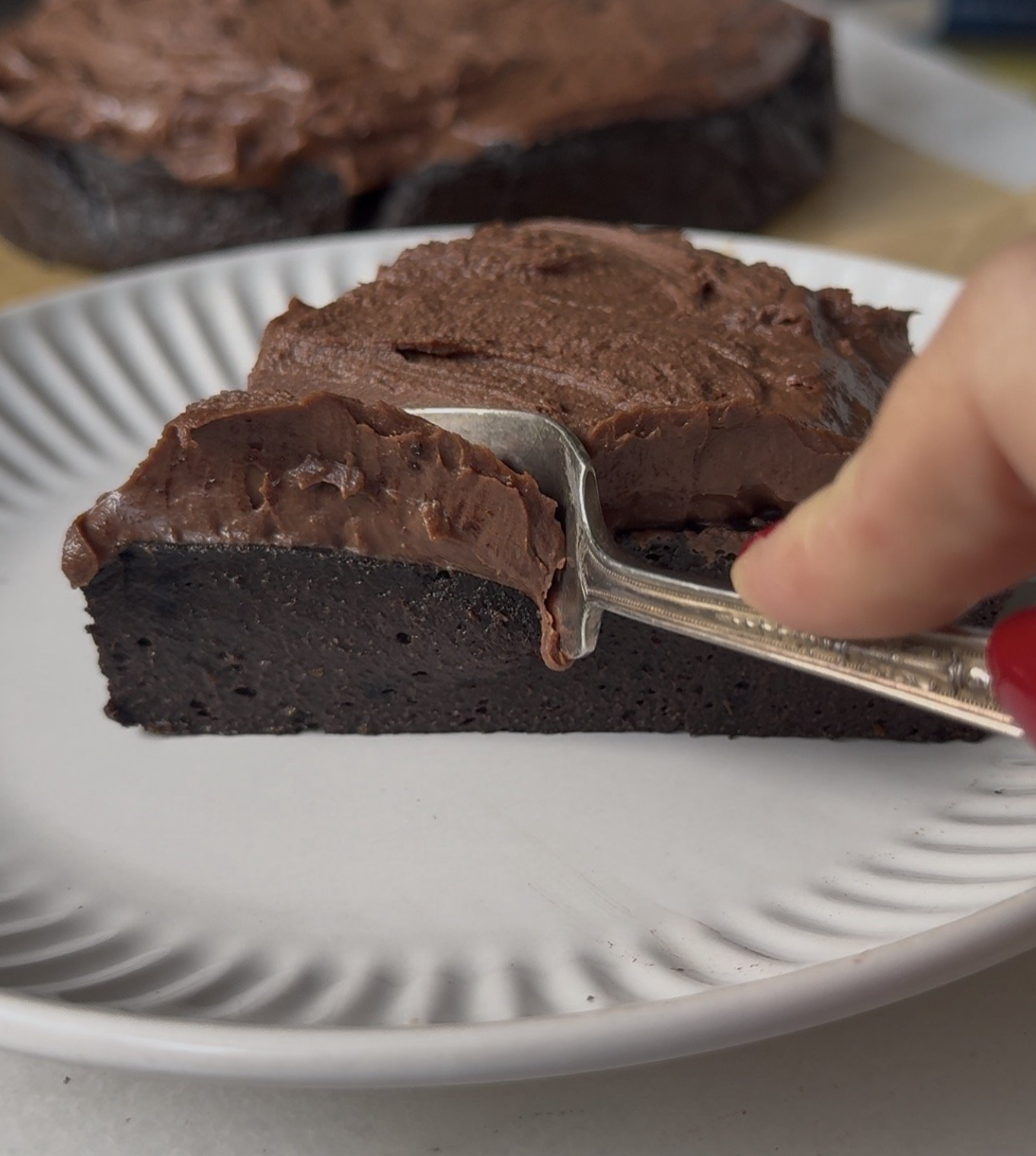
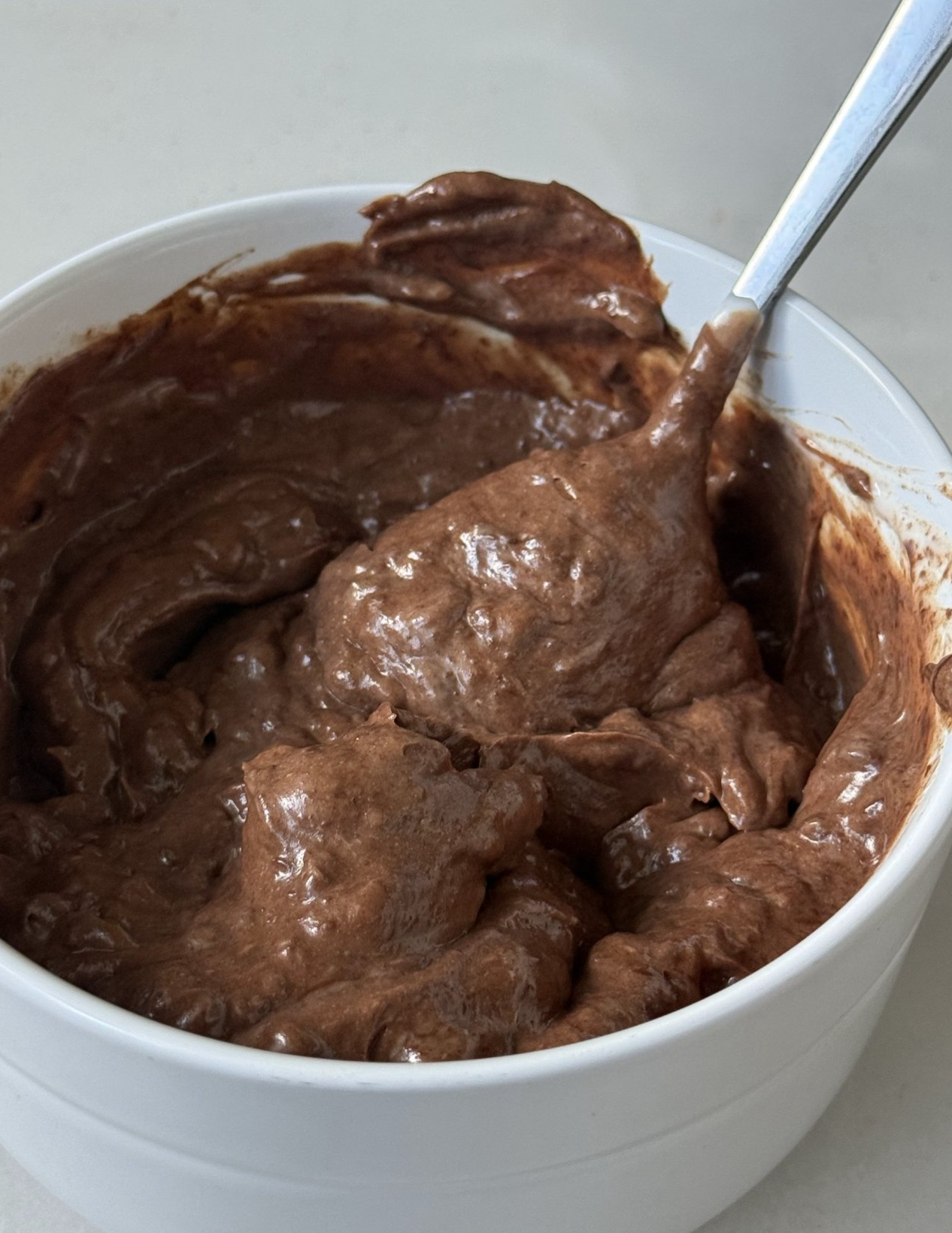
- Phase Three: Refinement of Texture: The introduction of two-ingredient chocolate ganache—using high-fat dairy or coconut cream—was designed to mask the earthy notes of the vegetable base, effectively neutralizing any potential "savory" profile that might otherwise be perceived as unpalatable in a dessert context.
Comparative Nutritional Analysis
From a nutritional standpoint, the transition from traditional wheat-based cakes to pumpkin-based alternatives represents a significant shift in macronutrient distribution. A standard flour-and-sugar-based chocolate cake is characterized by high glycemic impact due to the presence of refined carbohydrates. Conversely, the pumpkin-based variant relies on the natural sweetness of maple syrup or honey, which, while still a source of sugar, are often perceived by proponents of natural food as superior to processed white sugar due to the presence of trace minerals.
Data regarding fiber content also favors the vegetable-based model. Pumpkin is a notable source of dietary fiber and vitamin A. By replacing the bulk of the cake’s volume with pumpkin rather than refined wheat flour, the net glycemic load is tempered. Furthermore, the use of dark cocoa powder—which is rich in polyphenols and flavonoids—aligns with clinical research suggesting that high-cocoa consumption may support cardiovascular health, provided the additive sugar load is minimized.
Professional Perspectives on Dietary Trends
Nutritionists and culinary experts have noted that the success of such recipes depends heavily on the "neutralization" of flavor profiles. The primary concern among culinary critics regarding vegetable-based desserts is the persistence of the vegetable’s inherent flavor. However, the use of high-quality, dark Dutch-processed cocoa powder creates an intensely aromatic environment that effectively masks the flavor of the squash.
"The key to the success of this formulation is the high ratio of cocoa to the binder," notes one industry consultant. "When the cocoa content exceeds the flavor threshold of the pumpkin, the palate registers the dessert purely as chocolate. The texture then becomes the primary indicator of quality, and because of the egg-to-puree ratio, it succeeds in providing that ‘fudgy’ sensation consumers associate with luxury desserts."
Operational Implications for the Home Baker
Executing this recipe requires a departure from standard baking protocols, most notably in the cooling phase. Because the structural stability is achieved through protein coagulation rather than a starch-based matrix, the cake is significantly more fragile when removed from the heat.
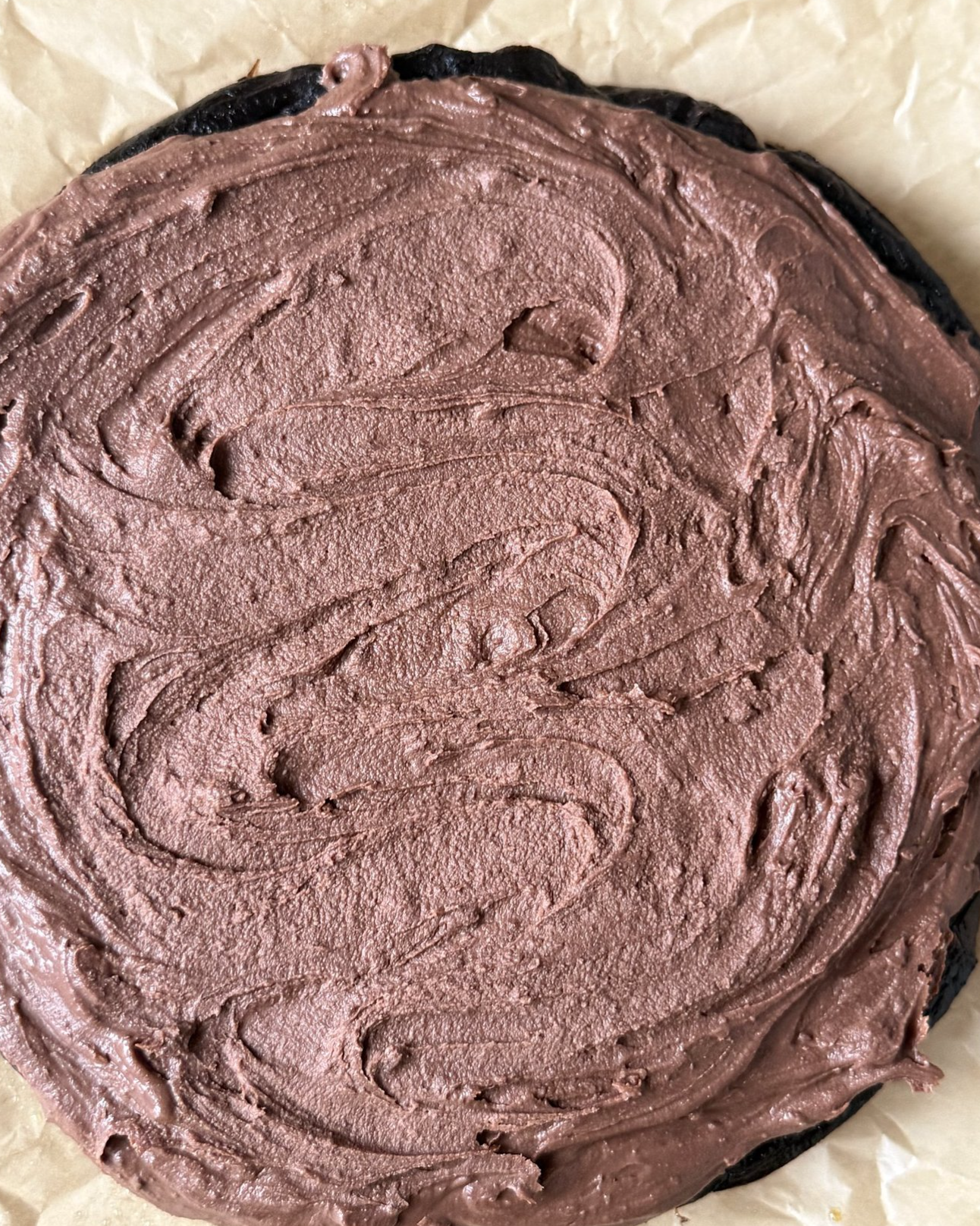
The requirement for a four-hour cooling period, including time in the refrigerator, is not merely a suggestion but a critical step in the chemical setting of the cake. During this time, the fats in the chocolate ganache and the proteins in the egg-pumpkin mixture stabilize. If the cake is sliced prematurely, the lack of a starch network results in a failure of the internal structure, leading to a loose or uncohesive product. This emphasizes the importance of precision in temperature management—a departure from traditional recipes that rely on the setting of flour starches during the final stages of baking.
Broader Implications and Market Impact
The shift toward these types of recipes is indicative of a broader, systemic change in consumer behavior. As modern diets face increased scrutiny, the demand for "stealth health"—desserts that provide the satisfaction of traditional indulgence while incorporating functional, nutrient-dense ingredients—has become a dominant force in the food industry.
The economic implications for the grocery and retail sectors are also noteworthy. There is a growing premium placed on simple, whole-food ingredients like canned pumpkin and high-quality dark cocoa. This trend suggests that consumers are willing to invest in higher-quality base ingredients if they can eliminate the need for specialized, expensive gluten-free flour blends.
Furthermore, the environmental and agricultural impacts of moving away from wheat-heavy diets, while speculative, are being monitored by agricultural analysts. As demand for alternative binding agents and flour replacements grows, the market for secondary crops like squashes and pumpkins continues to stabilize.
Conclusion
The flourless pumpkin-based chocolate cake serves as a compelling example of how culinary innovation can bridge the gap between hedonistic enjoyment and nutritional mindfulness. By utilizing the unique chemical properties of pumpkin purée and the structural binding power of eggs, the recipe provides a viable, nutrient-dense alternative to traditional desserts. While the preparation requires an adherence to specific cooling and handling protocols, the result is a product that challenges the conventional reliance on grains and refined sugars, offering a template for the future of health-conscious baking.
As more home cooks and professionals adopt these techniques, the focus will likely remain on optimizing the textural profile and ensuring that the integration of nutrient-dense bases remains invisible to the palate, maintaining the indulgent experience that is central to the role of dessert in the modern diet. This evolution in the kitchen is not just about changing ingredients; it is about re-engineering the way we conceptualize the chemistry of baking.
Related posts: