Fueling the Future: Comprehensive Nutritional Strategies and High-Protein Snack Guide for Youth Athletes


The demands placed on young athletes today extend far beyond the traditional boundaries of physical education, often encompassing a rigorous matrix of school schedules, daily practices, weekend tournaments, and multi-sport commitments. As youth sports participation rates continue to surge globally, pediatric sports dietitians and child health specialists are placing renewed focus on an essential, yet frequently overlooked, pillar of athletic performance: optimal sports nutrition. Growing bodies require a meticulous balance of macronutrients, micronutrients, and hydration to sustain endurance, facilitate muscular recovery, and support normal developmental milestones. However, navigating the landscape of youth sports nutrition often leaves parents overwhelmed by commercial marketing trends that heavily promote expensive pre-packaged sports bars, synthetic protein shakes, and specialized supplements. In response to this growing parental concern, nutrition experts and family health advocates have championed a return to whole-food alternatives, proving that nutrient-dense, high-protein snacks can be easily prepared at home using accessible pantry staples.
Background Context and Nutritional Evolution in Youth Athletics
Over the past decade, the cultural landscape of youth athletics has experienced a profound shift. Children and adolescents are engaging in organized competitive sports at younger ages, frequently training at intensities historically reserved for collegiate or elite athletes. This escalation in physical expenditure requires a fundamental reassessment of how young athletes are fueled throughout their daily routines. Historically, children’s snacks were selected primarily for convenience or palatability, with little regard for the specific biochemical timing needed around athletic events.
Modern sports science, however, underscores that active children cannot be treated merely as miniature adults, nor can they rely solely on standard meals to maintain energy equilibrium. The adolescent growth spurt, combined with high-volume physical training, creates a unique metabolic demand. Bones lengthen, muscle mass increases, and blood volume expands—all processes that require a steady, abundant supply of structural building blocks and energy substrates. When young athletes experience energy deficits, the consequences can range from chronic fatigue and declining athletic performance to more severe outcomes, such as growth deceleration, compromised bone density, and increased susceptibility to musculoskeletal injuries. Consequently, the establishment of structured, nutritionally balanced snack protocols has evolved from a matter of convenience into a critical component of pediatric sports medicine and preventive health.
Core Nutritional Principles: Beyond Protein Alone

A common misconception among parents and coaches is that athletic performance and muscle recovery depend exclusively on protein intake. While protein is undeniably vital for repairing micro-tears in muscle tissue induced by vigorous exercise, it represents only one component of a comprehensive nutritional framework. According to leading pediatric sports dietitians, an optimal snack for a young athlete must balance three primary macronutrients alongside adequate hydration:
Proteins: Essential for growth, immune function, and muscular repair. High-quality sources include Greek yogurt, cottage cheese, eggs, legumes, nuts, seeds, and lean poultry. Rather than relying on concentrated powders, young athletes benefit significantly from whole-food protein sources that deliver complementary vitamins and minerals.
Carbohydrates: The body’s primary and most efficient source of rapid energy, especially during high-intensity sports such as soccer, basketball, swimming, and track. Carbohydrates replenish glycogen stores in the liver and muscles. Whole grains, fresh fruits, oats, and starchy vegetables provide sustained energy without causing rapid blood sugar crashes.
Healthy Fats: Crucial for hormone regulation, neurological function, and prolonged energy release during endurance activities. Sources such as avocados, nut butters, chia seeds, and flaxseeds enhance satiety and help stabilize energy levels between meals.
Hydration and Timing: Water regulation remains paramount. Even mild dehydration can impair cognitive function, reduce aerobic endurance, and increase perceived exertion. Furthermore, the timing of snack consumption is critical: pre-activity snacks prioritize easily digestible carbohydrates for quick energy, while post-activity options combine carbohydrates and protein to accelerate recovery.
Curated Whole-Food Snack Solutions for Active Families

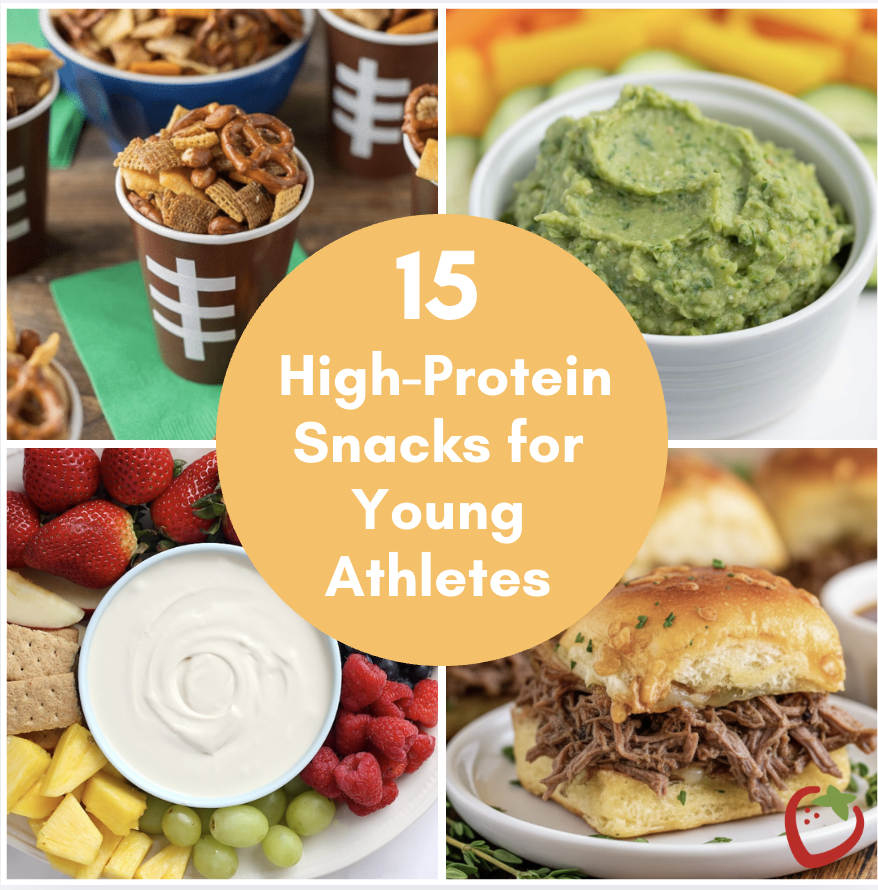
To bridge the gap between nutritional science and everyday practicality, culinary nutrition experts have developed a diverse array of accessible, high-protein snack recipes specifically tailored for young athletes. These options eliminate the need for costly commercial supplements while maximizing both nutrient density and kid-friendly appeal.
-
Dairy-Based Powerhouses: Smoothies and Bowls
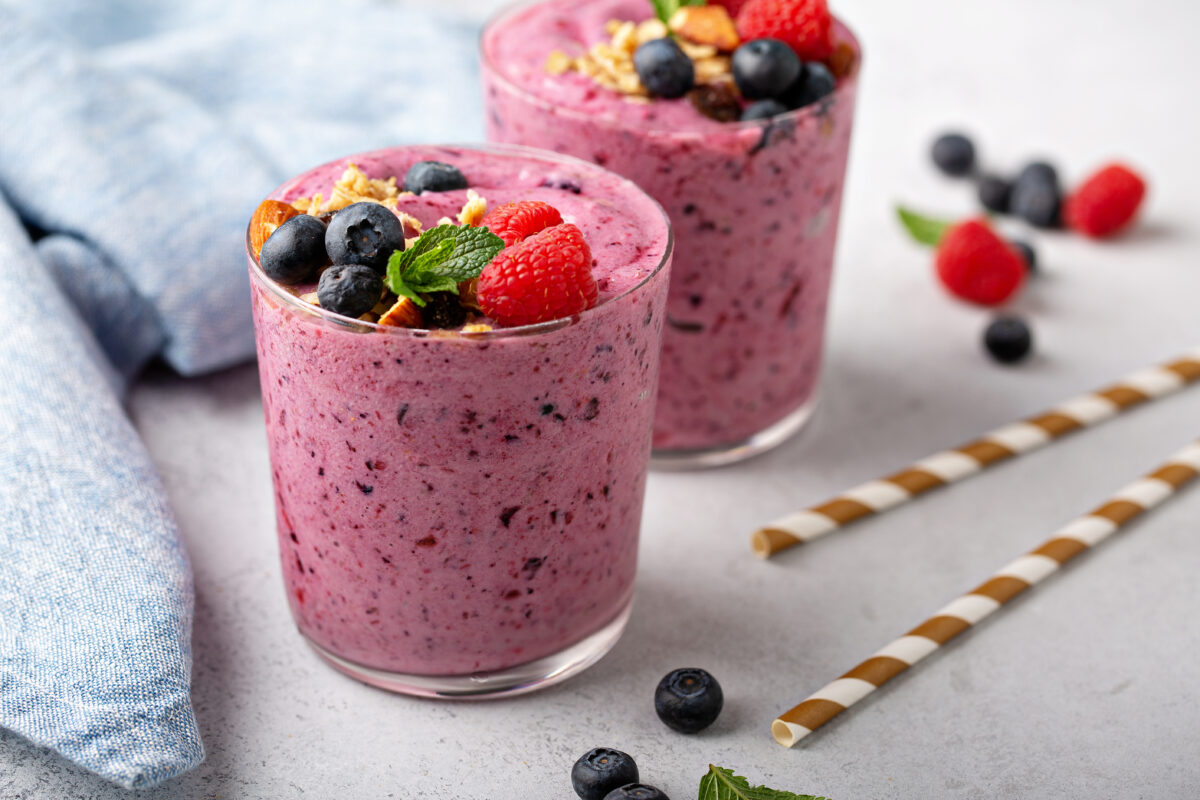
Mixed Berry Protein Smoothies combine frozen berries, bananas, Greek yogurt, and milk to deliver a refreshing, easily digestible blend of carbohydrates and protein. This option is particularly valuable for athletes who experience suppressed appetite immediately following intense exertion. Similarly, High-Protein Cottage Cheese Bowls offer approximately 17 grams of protein per serving and can be infinitely customized. Sweet variations incorporate fresh fruit, honey, and cinnamon, while savory preparations feature diced tomatoes, cucumbers, and a touch of olive oil, providing a rapid, no-cook solution rich in calcium and amino acids. -
Portable Plant-Based and Nut Butter Options
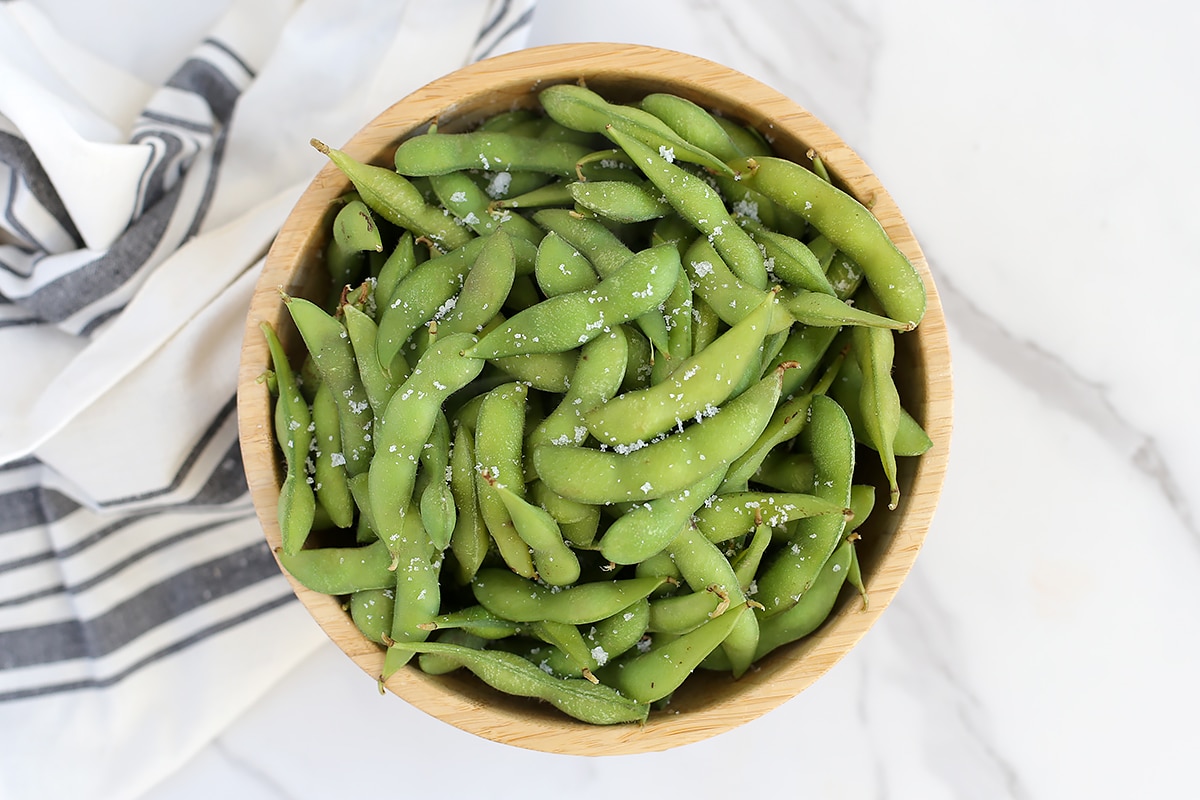
For athletes constantly transitioning between academic environments and athletic fields, portability is essential. Peanut Butter Fudge Protein Energy Balls and Chia Seed Energy Bites utilize wholesome ingredients like rolled oats, dates, peanut butter, and seeds to deliver sustained energy and healthy fats. Edamame and Roasted Chickpeas offer savory, crunchy alternatives to traditional processed chips, providing substantial plant-based protein and dietary fiber with minimal preparation. Similarly, homemade nut-and-seed bars replicate the convenience of commercial options while allowing parents to strictly control sugar content and avoid unwanted additives.
-
Savory Dips and Creative Comforts
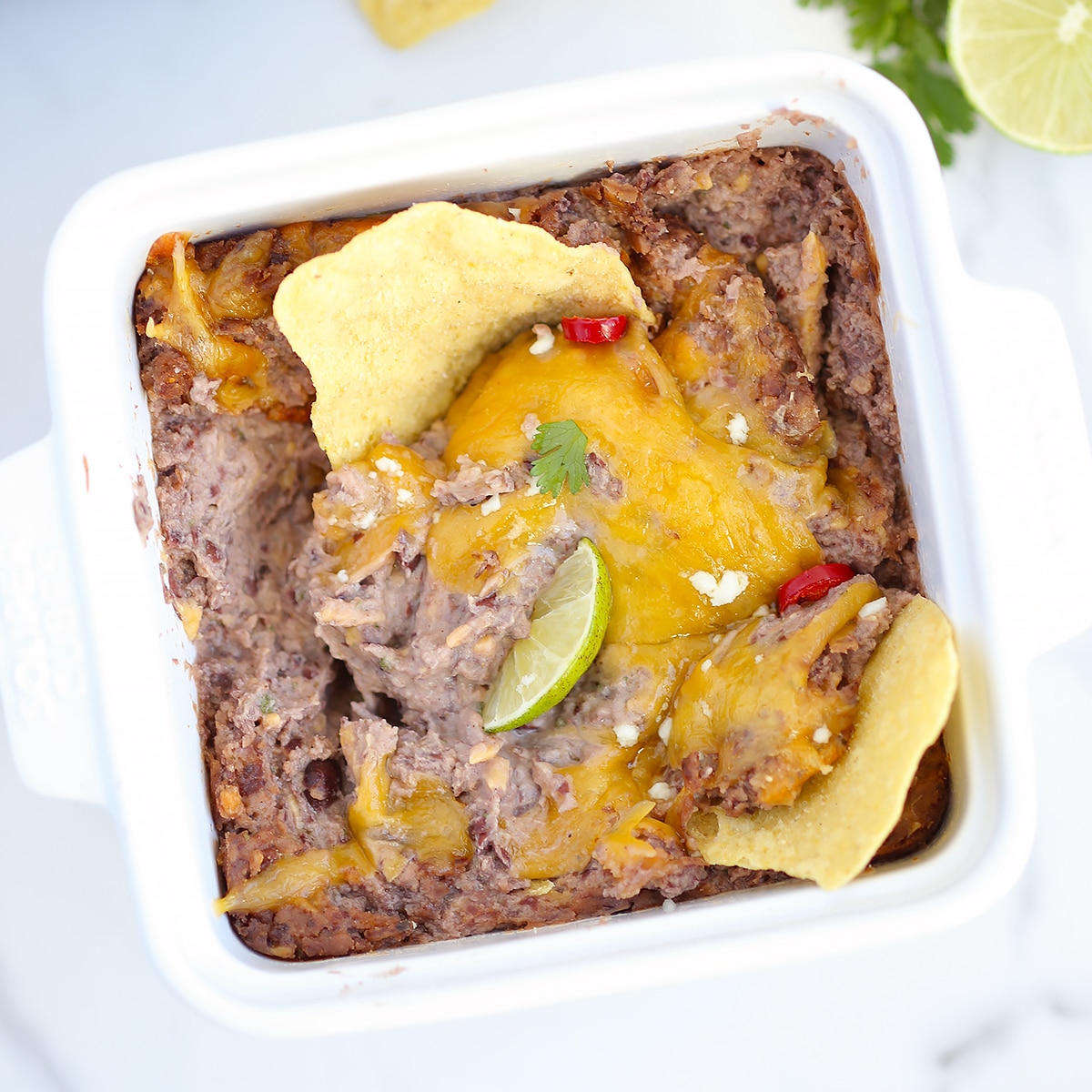
Incorporating vegetables and complex carbohydrates into a child’s diet is often streamlined through flavorful dips. A protein-rich Black Bean Dip—blended with Greek yogurt and mild spices—pairs exceptionally well with whole-grain tortilla chips and raw vegetable sticks, yielding roughly 14 grams of protein per serving. For weekend tournaments or hearty post-practice refueling, Protein Waffles fortified with eggs and Greek yogurt provide a comforting, portable option that can be batched, frozen, and toasted on demand.
Expert Perspectives and Official Guidance on Protein Supplements
As the market for youth-oriented sports nutrition products expands, sports medicine professionals have increasingly addressed the proliferation of protein powders, amino acid supplements, and specialized recovery drinks marketed toward minors. The professional consensus among pediatricians and registered dietitians remains notably cautious regarding supplement use in growing populations.
Medical and nutritional authorities consistently emphasize that healthy, active children and adolescents can—and should—obtain all necessary macronutrients through a varied, whole-food diet. Routine supplementation with protein powders is generally discouraged for young athletes, as these products are largely unregulated by federal bodies for pediatric consumption and may contain unlisted ingredients, excessive vitamin levels, or heavy metals.
Dr. Elena Vance, a pediatric sports dietitian specializing in adolescent metabolic health, notes: "The primary barrier to optimal athletic performance in youth is rarely a lack of supplemental protein; rather, it is insufficient overall energy intake and poor meal timing. When children consume adequate calories from diverse, nutrient-dense foods, their bodies naturally receive the amino acids required for athletic adaptation and growth. Introducing concentrated protein powders prematurely can displace other essential food groups and places unnecessary metabolic stress on developing organ systems."
Broader Implications and Practical Implementation for Families
The integration of thoughtful nutritional planning into a young athlete’s routine carries far-reaching implications, extending well beyond immediate athletic performance. Establishing balanced eating habits during childhood lays the neurological and behavioral foundation for lifelong wellness, reducing the future risk of metabolic disorders, nutritional deficiencies, and disordered eating patterns.
For parents and guardians, successful implementation does not require elaborate culinary expertise or excessive financial investment. The key lies in strategic preparation: stocking refrigerators with versatile dairy staples like Greek yogurt and cottage cheese, maintaining a freezer supply of pre-portioned energy bites or whole-grain waffles, and ensuring that fresh, water-rich fruits are readily accessible. By aligning snack choices with the specific physiological demands of physical activity—pairing carbohydrates with quality proteins before and after exercise—families can effectively support the physical and cognitive development of their young competitors. Ultimately, the most powerful tool in youth sports nutrition is not found in a commercial supplement aisle, but in the intentional curation of wholesome, everyday foods that honor the energy demands of a growing, active child.