Meaningful Movement: Exercise for Diabetes Prevention and Healthy Aging

The Clinical Necessity of Movement
The medical consensus regarding diabetes management has shifted significantly over the past two decades. Historically, physical activity was often secondary to pharmacological intervention. Today, exercise is categorized as a fundamental pillar of treatment, alongside nutritional therapy and medication. Regular physical activity enhances insulin sensitivity, allowing muscle cells to better utilize available insulin to take up glucose during and after activity.
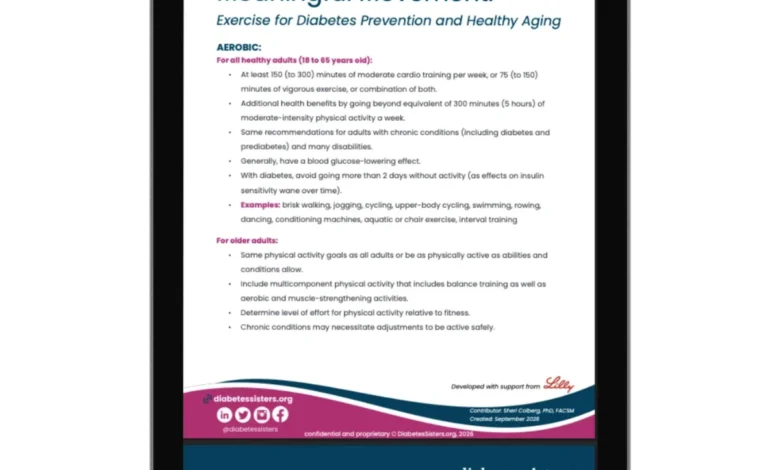
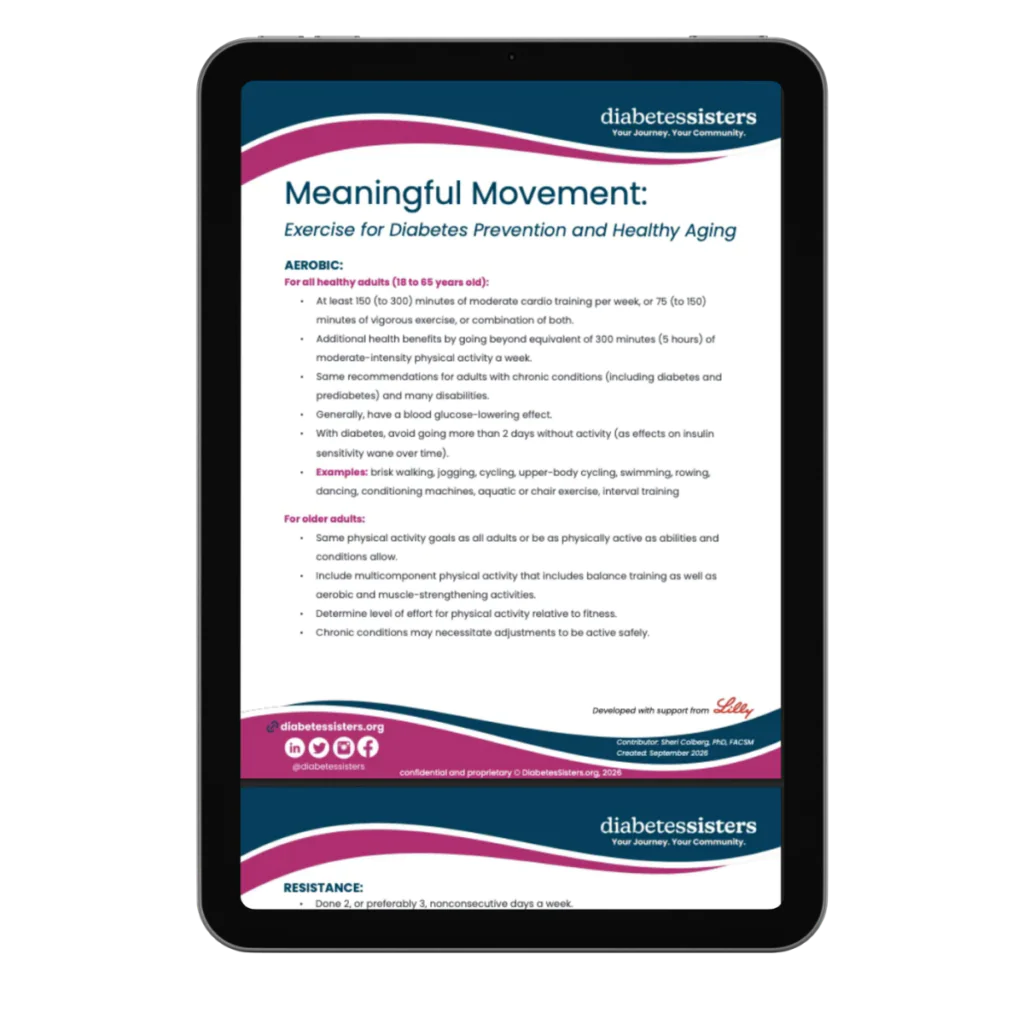
According to the American Diabetes Association (ADA), adults living with diabetes should aim for at least 150 minutes of moderate-to-vigorous intensity aerobic activity per week, spread over at least three days, with no more than two consecutive days without activity. Furthermore, the ADA recommends two to three sessions of resistance exercise per week on non-consecutive days. Dr. Colberg’s work bridges the gap between these clinical guidelines and the realities of daily life, addressing the obstacles that prevent individuals from achieving these benchmarks.
Chronology of Physical Activity Research in Diabetes Management
The evolution of exercise science in the context of metabolic disorders is marked by several pivotal milestones. In the late 1990s and early 2000s, landmark studies such as the Diabetes Prevention Program (DPP) demonstrated that lifestyle interventions—specifically diet and at least 150 minutes of moderate physical activity per week—reduced the incidence of Type 2 diabetes by 58% compared to a placebo group.
Following the DPP, researchers began to refine the "dose-response" relationship between exercise and blood glucose control. By the 2010s, studies shifted focus toward the impact of sedentary behavior, independent of physical activity levels. Research published in the Diabetologia journal suggested that prolonged sitting—a hallmark of modern office environments—negatively impacts glucose metabolism, even in individuals who meet daily exercise requirements. This finding catalyzed a movement toward "activity snacking"—short, frequent bouts of movement throughout the day—which is a central theme in Dr. Colberg’s current advocacy.

Supporting Data and Metabolic Impact
The physiological mechanisms by which exercise mitigates diabetes risk are multifaceted. When skeletal muscle contracts, it triggers the translocation of GLUT4 glucose transporters to the cell membrane. This process occurs independently of insulin, providing an alternative pathway for glucose uptake in the blood.
Data from the Centers for Disease Control and Prevention (CDC) indicate that more than 37 million Americans have diabetes, and approximately 90% to 95% of them have Type 2 diabetes. The economic burden of this diagnosis is significant, with direct medical costs and reduced productivity estimated to exceed $327 billion annually in the United States alone. By integrating movement into a daily routine, patients can potentially reduce their reliance on glucose-lowering medications, mitigate the risk of cardiovascular complications, and improve lipid profiles.
Dr. Colberg’s research underscores that the benefits extend beyond glycemic control. Improved muscle mass, achieved through consistent resistance training, increases the body’s basal metabolic rate, making long-term weight management more attainable. Moreover, improved balance and mobility are critical factors for healthy aging, as they decrease the risk of falls and frailty in older populations—a demographic particularly vulnerable to diabetic neuropathy.
Expert Perspectives and Institutional Guidance
Dr. Sheri R. Colberg has spent her career investigating how diverse populations, including those with Type 1 and Type 2 diabetes, can safely integrate exercise into their lives. Her approach is characterized by a "patient-first" philosophy that emphasizes safety, such as proper monitoring of blood glucose levels before, during, and after exertion.
"The goal is not to train for a marathon, but to build a lifestyle that prioritizes consistent, sustainable movement," Dr. Colberg has noted in previous academic presentations. Her methodology encourages individuals to evaluate their specific environmental constraints and physical capabilities, rather than attempting to force a one-size-fits-all workout regimen. By offering practical strategies, she helps to alleviate the psychological barriers—often referred to as "exercise anxiety"—that many newly diagnosed patients face.
Broader Implications for Healthcare Delivery
The release of resources like Meaningful Movement signals a broader shift in how healthcare providers communicate with patients. Rather than issuing a vague recommendation to "exercise more," the modern standard of care increasingly involves detailed, personalized activity plans.
The implications for public health are profound. If a significant percentage of the at-risk population adopted even moderate increases in daily movement, the cumulative reduction in diabetes-related hospitalizations would be substantial. This shift represents a transition toward a proactive, rather than reactive, model of chronic disease management. Healthcare systems are beginning to integrate "exercise prescriptions" as a standard component of electronic health records, allowing providers to track patient adherence and adjust treatment plans accordingly.
Practical Application: Integrating Movement into Daily Life
Dr. Colberg’s guide provides specific protocols for incorporating different intensities of activity. These include:
- Low-Intensity Movement: Incorporating walking or standing while on phone calls, or utilizing a standing desk to break up long periods of sitting.
- Moderate-Intensity Aerobic Activity: Engaging in brisk walking, swimming, or cycling, which should be performed at a level where the individual can hold a conversation but not sing.
- Resistance Training: Utilizing resistance bands, bodyweight exercises, or free weights to preserve muscle mass, which serves as a primary "glucose sink" in the body.
- Flexibility and Balance: Incorporating yoga or tai chi to improve functional mobility and reduce the risk of injury during more vigorous activities.
Conclusion and Future Outlook
As the global prevalence of metabolic disorders continues to rise, the dissemination of evidenced-based movement strategies is more critical than ever. The focus on healthy aging is particularly relevant as the population ages and the prevalence of diabetes among older adults increases. By viewing movement as a form of "metabolic medicine," individuals can exert greater control over their health outcomes.
Resources like Meaningful Movement represent the culmination of years of clinical inquiry and practical application. By empowering individuals with the knowledge to manage their conditions independently, experts like Dr. Colberg are helping to redefine the relationship between physical activity and health. As the medical community continues to advocate for the "Exercise as Medicine" initiative, the integration of these practices into the daily lives of patients will likely remain a cornerstone of diabetes care in the coming decades. Through consistent, intentional movement, individuals are not merely managing a condition; they are actively investing in their longevity and quality of life.
Related posts: