Accelerating the Future of Type 1 Diabetes Care: How Next-Generation Islet Cell Therapies Are Poised to Transform Patient Outcomes

The landscape of type 1 diabetes (T1D) treatment is undergoing a profound paradigm shift. For decades, the management of this chronic autoimmune condition has relied heavily on relentless, lifelong external insulin delivery via multiple daily injections or automated insulin delivery systems. While these technologies have undoubtedly saved lives and improved glycemic control, they remain a demanding workaround rather than a biological fix. Today, however, clinical trials evaluating islet cell therapies are demonstrating that a true functional cure is no longer a distant theoretical goal; it is a tangible reality happening in laboratories and clinical settings right now. In these trials, patients are successfully reducing or entirely eliminating their reliance on exogenous insulin, achieving stable and healthy blood sugar levels that mimic natural physiology.
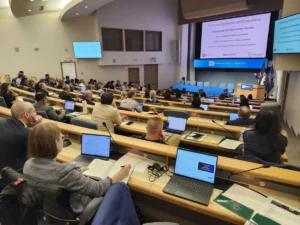
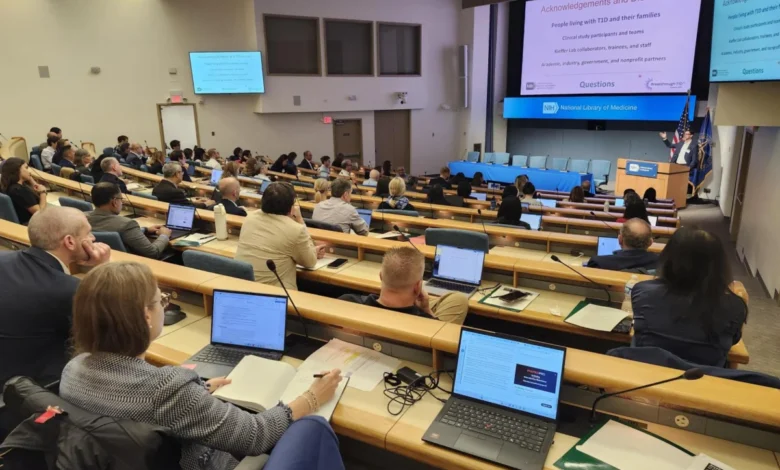
Yet, as the medical community celebrates these hard-fought victories, researchers and clinicians recognize that first-generation islet cell therapies are just the opening chapter. These current treatments are legally and practically constrained, predominantly reserved for individuals experiencing severe, life-threatening hypoglycemic events and hypoglycemia unawareness. To transition from a limited intervention for the most acute cases to a scalable, universally accessible treatment for the broader T1D population, the scientific and medical communities must double down on innovation. This imperative served as the driving force behind a major public workshop recently co-hosted by Breakthrough T1D and the National Institute of Diabetes and Digestive and Kidney Diseases (NIDDK). Entitled "Accelerating the Translation of Cell Therapy for Type 1 Diabetes," the convening brought together an unprecedented coalition of researchers, clinicians, industry leaders, U.S. Food and Drug Administration (FDA) representatives, and—crucially—individuals living with type 1 diabetes.
The Evolution of Islet Cell Therapies: From First-Generation Breakthroughs to Scalable Solutions
To understand the magnitude of current clinical progress, one must examine the baseline established by first-generation islet cell therapies. Traditional islet transplantation involves isolating insulin-producing pancreatic beta cells from deceased human organ donors and infusing them into a recipient, typically via the portal vein of the liver. While this approach has successfully freed select patients from insulin dependence, it faces significant bottlenecks. The availability of human donor organs is severely limited, making it impossible to scale first-generation techniques to meet the global demand of millions of people living with type 1 diabetes. Furthermore, current procedures necessitate lifelong systemic immunosuppressive drugs to prevent immune rejection of the newly transplanted cells, exposing patients to distinct long-term medical risks.
Enter next-generation islet cell therapies. These advanced approaches focus heavily on manufactured, stem cell-derived islet cells that can be produced in large quantities within industrial bioreactors. By bypassing the reliance on human organ donors, scientists aim to create an infinite, standardized supply of insulin-producing cells. Concurrently, researchers are pioneering novel immunoprotective strategies—ranging from macro-encapsulation devices that physically shield cells from immune attacks to gene-edited hypoimmunogenic cells designed to evade detection altogether. The ultimate vision guiding the field is clear and ambitious: a future where any individual diagnosed with type 1 diabetes who desires an islet cell therapy can access one safely and efficiently.
A Collaborative Blueprint: The Breakthrough T1D and NIDDK Workshop
Maintaining the current momentum requires intense, cross-sector coordination among stakeholders who traditionally operate in silos. Recognizing this, Breakthrough T1D—formerly known as JDRF—partnered with the NIDDK, a division of the National Institutes of Health (NIH), to host a comprehensive public workshop. The event was meticulously designed to establish best practices, align regulatory pathways, and formulate strategic recommendations to accelerate the translation of next-generation cell therapies from academic laboratories into mainstream clinical practice.
The planning committee featured leading experts and administrative staff from Breakthrough T1D, ensuring that the patient perspective remained at the absolute center of the scientific dialogue. The workshop agenda was structured around the core pillars of therapeutic translation: rigorous nonclinical research, scalable manufacturing processes, innovative clinical trial design, the integration of artificial intelligence, and the lived experiences of patients navigating the daily realities of the condition.
Navigating the Preclinical Phase: Setting the Stage for Human Trials
Before any therapeutic concept can be evaluated in human clinical trials, it must clear the rigorous threshold of nonclinical, preclinical research. Presenters at the workshop emphasized that gathering robust, reproducible evidence of safety and efficacy in animal and cellular models is non-negotiable. However, researchers face ongoing challenges in selecting the most accurate experimental designs, identifying appropriate animal models of type 1 diabetes, and establishing standardized data collection methodologies.
During the preclinical sessions, experts shared cutting-edge data concerning various islet cell sources, cellular survival rates under physiological stress, and novel methods for achieving localized immune protection. Ensuring that manufactured islets can withstand the harsh physiological environment of the human body post-transplantation requires meticulous fine-tuning during the laboratory phase. By sharing preclinical datasets openly across academic and industrial networks, researchers can avoid duplicated efforts and fast-track the identification of the most promising cellular candidates.
Overcoming the Manufacturing Bottleneck: Scaling Production for Global Impact
One of the most formidable hurdles in the commercialization of cell therapies is large-scale manufacturing. Producing millions of delicate, highly functional, and uniform islet cells is vastly different from manufacturing traditional small-molecule pharmaceutical drugs. It requires precise control over temperature, oxygenation, nutrient supply, and cellular differentiation pathways within complex bioreactor systems.
Furthermore, moving from academic benchtop production to commercial-grade manufacturing introduces a shifting landscape of stringent FDA regulatory requirements. The standards governing a first-in-human phase 1 clinical trial differ drastically from those required for pivotal phase 3 trials and ultimate commercial distribution. Workshop participants engaged in deep discussions contrasting academic settings—which excel at innovation and early-stage prototyping—with industry settings, which possess the infrastructure required for high-volume, standardized production. The consensus was that forging strategic partnerships between universities and commercial biotech firms is essential to solve the intricate puzzle of producing consistent, reliable batches of manufactured islets at scale.
Redesigning Clinical Trials: Balancing Risk, Reward, and Regulatory Clarity
Clinical trials for cell therapies face unique design challenges, particularly when balancing patient safety against potential therapeutic benefits. Historical and ongoing clinical data confirm that islet cell therapies work; patients are successfully reducing or entirely eliminating the need for exogenous insulin injections. Moreover, qualitative and quantitative assessments reveal that for many individuals burdened by severe glycemic instability, the life-altering benefits of an islet transplant vastly outweigh the risks associated with long-term immunosuppression.
Looking forward, clinical trial designers must rethink traditional paradigms. Discussions centered on how to thoughtfully expand inclusion criteria to reach broader patient populations, rather than restricting trials solely to those with severe hypoglycemia unawareness. Experts also addressed the necessity of defining meaningful, standardized clinical endpoints that regulatory agencies will accept for accelerated approval pathways. Additionally, educating the broader healthcare community and primary care physicians about emerging cell therapies is vital to driving timely patient referrals and ensuring robust clinical trial participation.
The Role of Artificial Intelligence in the Evolution of Cell Therapies
As the biotechnology sector embraces the digital age, artificial intelligence (AI) and machine learning are emerging as transformative tools across every stage of the islet cell therapy workflow. Researchers are increasingly applying AI algorithms to forecast individual patient blood sugar responses up to one year post-transplant, providing clinicians with predictive insights that guide personalized post-operative care and immunosuppressive management.
Beyond clinical applications, AI is revolutionizing the manufacturing floor. Machine learning models are being deployed to predict how manufactured islet cells will perform under fluctuating bioreactor conditions, allowing automated systems to optimize production parameters in real time. Perhaps most intriguingly, computational biology and AI are being harnessed at the cellular level to design novel, engineered therapies. Scientists are conceptualizing "smart" islet cells equipped with synthetic genetic circuits capable of sensing localized immune activity and deploying targeted, localized protective measures without the need for systemic immunosuppressive drugs. These digital-biological integrations represent the absolute frontier of regenerative medicine.
Centering the Patient Voice: Lived Experiences Informing Scientific Design
No discussion of type 1 diabetes therapeutics is complete without centering the voices of those who live with the condition every day. The workshop featured a powerful panel discussion where members of the T1D community shared their personal journeys. The panel included individuals who had lived with the condition for decades—frequently watching helplessly as their own children received subsequent diagnoses—as well as patients who had undergone successful or unsuccessful islet cell transplants.
The conversations covered the immense psychological and physical burdens of daily T1D management, the reliance on continuous glucose monitors and automated insulin delivery devices, and the complex calculus of managing long-term immunosuppression. One poignant takeaway shared by a transplant recipient was that even if a patient requires a single daily insulin injection following a transplant—a fraction of their pre-transplant requirement—the outcome is still viewed as a dramatically positive, life-changing improvement.
To ensure that future research remains deeply human-centric, organizations like Breakthrough T1D leverage dedicated bodies such as the Participant Advisory Council. By integrating patient perspectives directly into the planning and execution of clinical trials, researchers can ensure that endpoints align with what matters most to individuals with T1D, ultimately improving compliance, retention, and overall quality of life.
Broader Implications and the Road Ahead
The concerted push to advance islet cell therapies represents a multi-front campaign operating simultaneously across nonclinical research laboratories, industrial manufacturing facilities, and clinical trial sites. The complexity of this scientific endeavor requires unprecedented levels of cross-disciplinary collaboration, active engagement with regulatory bodies like the FDA, and a willingness to embrace emerging technologies such as artificial intelligence.
The recent workshop co-hosted by Breakthrough T1D and the NIDDK successfully underscored that while significant scientific and logistical hurdles remain, the momentum driving the field is irreversible. By maintaining open lines of communication, sharing critical data transparently, and keeping the lived experiences of the T1D community at the very forefront of decision-making, the medical research community is steadily clearing the path toward a functional cure. As these next-generation therapies continue to advance through the pipeline, the day when type 1 diabetes is no longer a lifelong sentence of constant vigilance draws closer than ever before.