Breakthrough T1D Ride: Fueling Innovation and Community in the Fight Against Type 1 Diabetes

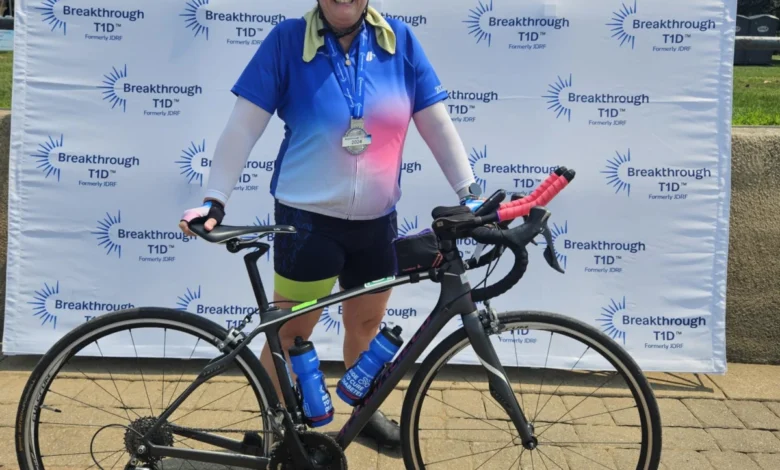
The Breakthrough T1D Ride, a cornerstone charitable cycling event, has amassed an impressive fundraising total exceeding $77 million. This significant financial commitment has directly fueled critical advancements in type 1 diabetes (T1D) research, leading to the development of life-changing technologies such as continuous glucose monitors (CGMs) and innovative disease-modifying therapies designed to slow T1D progression. The event provides a platform for cyclists of all ages and abilities to contribute to a collective mission: accelerating the pursuit of cures and enhancing the quality of life for individuals living with T1D. While the prospect of participating, especially for novice cyclists, might seem daunting, the event fosters a powerful sense of community among individuals united by their dedication to combating T1D. This article delves into the experiences of two dedicated riders, Karen Brancato and Wendi Fellner, who share their insights and offer practical advice for prospective participants.
A Decade of Dedication: Karen Brancato’s Journey
Karen Brancato is poised to celebrate a significant milestone in 2026: her tenth Breakthrough T1D Ride. This anniversary year promises to be particularly impactful as she plans to tackle the maximum 100-mile distance on Amelia Island, Florida, opting for the prestigious Trailblazer package. This package entails a fundraising goal of $12,500, the highest tier available, reflecting her deep commitment to the cause.
"My original plan was ten rides, ten years, $10,000," Brancato explained, detailing her initial aspirations. "But the Trailblazer package is $12,500, so it’s the closest package to my goal."
Brancato’s cycling journey within the Breakthrough T1D Ride framework did not begin with the ambitious 100-mile distance. Her personal connection to T1D is through her brother, who was diagnosed in the 1970s. Ten years ago, he invited her to participate in the Ride with him, marking the inception of her involvement.
"That first year, we were together, we rode short distances," she recalled. "But by year two, my brother and I rode a metric century together, which was a huge accomplishment! I love the 62-mile rides, the metric centuries; I’ve done a bunch of them. You have enough fun on the bike, but then there’s still time for fun at the finish line."
Her continued participation is less a conscious decision and more an ingrained part of her life. "It’s not really a decision that I intentionally make; it’s a given that I’m going to sign up," Brancato stated. "If I didn’t, something would be wrong!" Instead, her planning centers on selecting the specific Ride location.
"I’ve ridden in Burlington, La Crosse, Cape Cod, and this year, I’m going back to Amelia Island, which is kind of like my home ride," she shared. "I’m going to wear that 10-year jersey, and I feel like I should do it on Amelia Island."
The Breakthrough T1D Ride has evolved significantly since its inception. While specific founding dates are not readily available in the provided text, the organization’s roots trace back to the need for dedicated funding for T1D research. Over the decades, the event has grown into a national series, fostering local community engagement while contributing to a unified, global research effort. The $77 million raised signifies a substantial investment in scientific exploration, moving beyond basic research to tangible therapeutic and technological breakthroughs.
A New Diagnosis, A Renewed Purpose: Wendi Fellner’s Story
In 2024, Wendi Fellner received a diagnosis of type 2 diabetes. However, she experienced a growing sense of unease, feeling that the diagnosis didn’t fully align with her symptoms.
"Not all the pieces were fitting for that diagnosis," Fellner explained. "As I learned more and more, I heard, ‘Maybe you’re actually a type 1, and guess what – there’s this brand-new treatment out there that can extend the period of time before you need to be on insulin.’"
This "brand-new treatment" was Tzield (teplizumab-mzwv), a groundbreaking disease-modifying therapy developed through research funded by Breakthrough T1D. Approved by the U.S. Food and Drug Administration (FDA) in November 2022, Tzield is the first and only FDA-approved drug shown to delay the onset of Stage 3 T1D in children and adults aged 8 and older who are at high risk. It works by targeting T cells, the immune cells responsible for attacking and destroying insulin-producing beta cells in the pancreas, thereby slowing the autoimmune process that causes T1D. Fellner began receiving Tzield in May 2024.
"I was my provider’s first patient to get it, so he was also pretty excited!" Fellner exclaimed. "I do take insulin now, but I feel like it definitely helped me ease into being able to take care of myself with this condition."
Fellner expresses profound gratitude for the research facilitated by Breakthrough T1D that made Tzield a reality. She believes the therapy extended her "honeymoon phase" – a period after diagnosis when the body still produces some insulin. This personal connection to a direct research outcome was a primary motivator for her inaugural participation in the Breakthrough T1D Ride in 2024, the same year as her T1D diagnosis.
"I felt really lucky that this was coming together at the right time, so it’s definitely part of the motivation for doing these rides to raise awareness and keep on looking for things that make our lives better and, obviously, also for cures!" she stated.
Adding another layer to her motivation is a poignant family history. Fellner’s grandfather had T1D and tragically passed away from related complications when she was young. "When I was diagnosed myself, the world had really changed in terms of how you can care for yourself," she reflected. "When I dug into it a little bit deeper, I saw that Breakthrough T1D was really at the core of a lot of those important changes, and I wanted to do something to help."
The impact of T1D research is undeniable. Beyond CGMs and disease-modifying therapies, Breakthrough T1D funding has contributed to advancements in artificial pancreas systems, improved insulin delivery devices, and a deeper understanding of the autoimmune mechanisms underlying T1D, paving the way for future prevention strategies. The cumulative effect of these innovations has significantly improved the daily lives of millions, reducing the burden of disease management and mitigating the risk of long-term complications.
Ride 101: Navigating Your First Breakthrough T1D Ride
For those considering their first Breakthrough T1D Ride, both Brancato and Fellner offer practical advice grounded in their experiences. Brancato, a veteran fundraiser, emphasizes the importance of early engagement with fundraising goals.
"I recommend getting started on your fundraising early by breaking that big overall goal into smaller monthly goals," Brancato advised. "By taking this approach, it’s much more manageable, and by the time you’re ready to ride, your fundraising is at the finish line."
She also champions creative fundraising strategies that engage potential donors beyond simple requests. "People say ‘no’ too easily if you just ask for a donation," Brancato noted. "But if you have some creative idea, they say yes." As an example, she suggests partnering with local restaurants for a percentage-of-profit night. For her current Trailblazer goal, Brancato is organizing a March Madness-style game board, where supporters can purchase squares on a grid for a chance to win prizes. She stresses that these creative approaches are adaptable to any fundraising target.
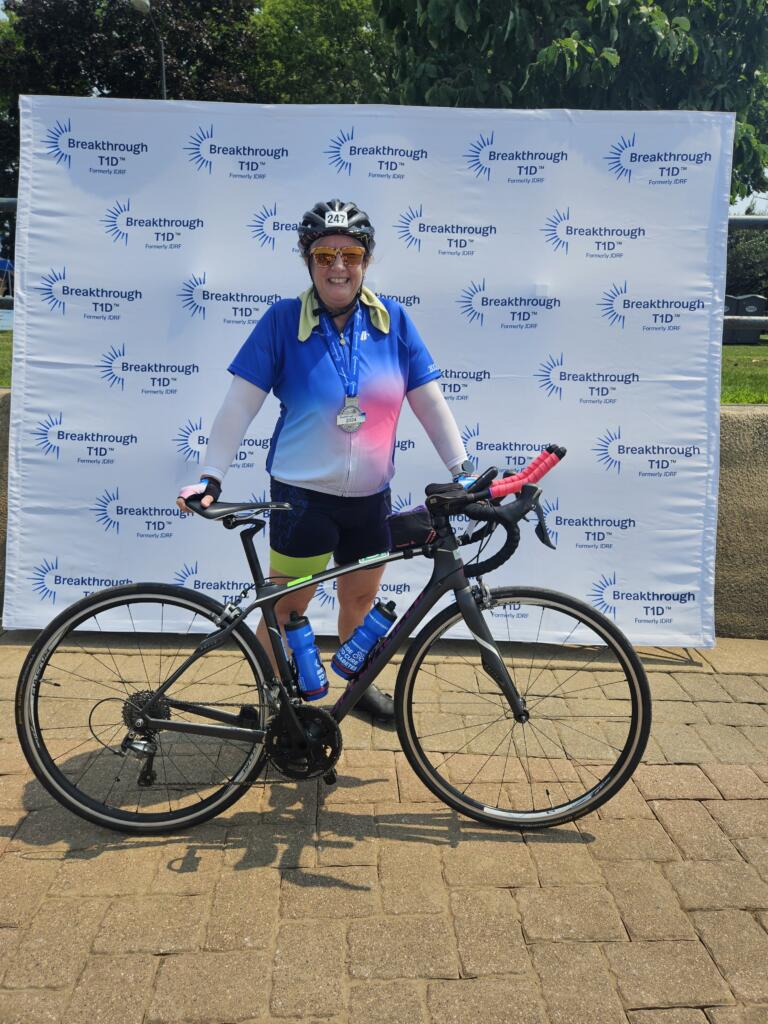
"I didn’t start out riding 100 miles or raising $12,500," Brancato reiterated. "My first ride in 2017 was about 50 miles, and I barely raised the $2,000 minimum!" This perspective highlights the gradual progression and the accessibility of the event for beginners.
Fellner echoes the sentiment of starting small and building confidence. For individuals hesitant about committing to a specific destination Ride, she recommends beginning with "My Ride," a virtual option that allows participants to cycle their own routes at their own pace.
"It is intimidating to think about such a big event, and I feel like that was a good way for me to get my foot in the door," Fellner said. "I could ride however long I wanted to, and there was no pressure… it was a way to help me build confidence that I could actually go for the larger goal."
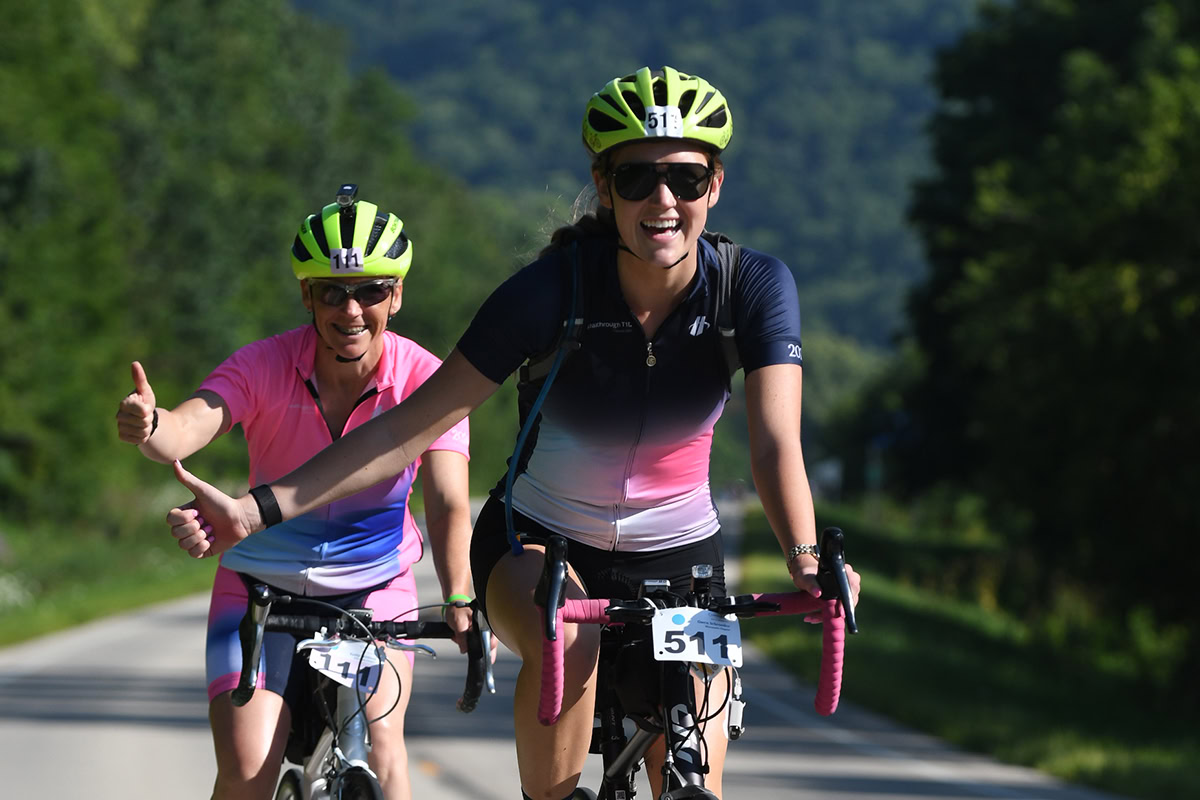
The sense of community is a recurring theme. Brancato and Fellner’s shared Airbnb at the Amelia Island Ride last year is a testament to the camaraderie that develops. "Once you’re there, it’s like you’re almost carried along by your teammates and the other riders and all of the coaches that are there to cheer you along, to help you if you have trouble," Fellner described. "I always come off every ride just feeling like, man, I can do anything. I can take on the world, and we’re going to cure it!"
For prospective first-time riders, Fellner strongly advises connecting with their local Breakthrough T1D chapter. These chapters offer invaluable support, including access to Ride teams and a community of individuals sharing a common objective: fueling breakthroughs and finding cures for T1D.
"You can do a shorter ride, you can do 30 miles, you can do 60 miles, and it’s okay," Fellner reassured. "And you have a lot of support – coaches that can help you, keep you motivated, and keep you riding regularly to be ready for it."
Brancato concurs, emphasizing the collaborative nature of chapter support. "Chapters will help you with fundraising and training rides, and it’s so much easier than doing it alone," she stated. "It’s all about the smiles, not the miles. That is an expression that we use a lot, because if you’re not having fun, why are you doing it?"
The Future of the Ride and the Fight Against T1D
In 2026, Breakthrough T1D Ride is set to expand its reach to five distinct locations: La Crosse, Wisconsin; The Cascades, Washington; Cape Cod, Massachusetts; Austin, Texas; and Amelia Island, Florida. This expansion signifies the growing momentum and widespread appeal of the event. For those unable to participate in an in-person event, Breakthrough T1D My Ride offers a flexible alternative, allowing individuals to contribute and ride from anywhere, at any time.
The ongoing success of the Breakthrough T1D Ride is a powerful indicator of sustained public engagement and commitment to eradicating type 1 diabetes. The $77 million raised represents not just financial contributions but also the collective will of a community dedicated to scientific progress. As research continues to yield promising results, events like the Breakthrough T1D Ride remain indispensable in bridging the gap between laboratory discoveries and tangible improvements in the lives of individuals affected by T1D. The enthusiasm and dedication of riders like Karen Brancato and Wendi Fellner serve as inspiring examples, demonstrating that every mile cycled and every dollar raised brings the world closer to a future free from type 1 diabetes.