Pumpkin Ravioli with Brown Butter Sauce Offers a Restaurant-Quality Weeknight Dinner Solution

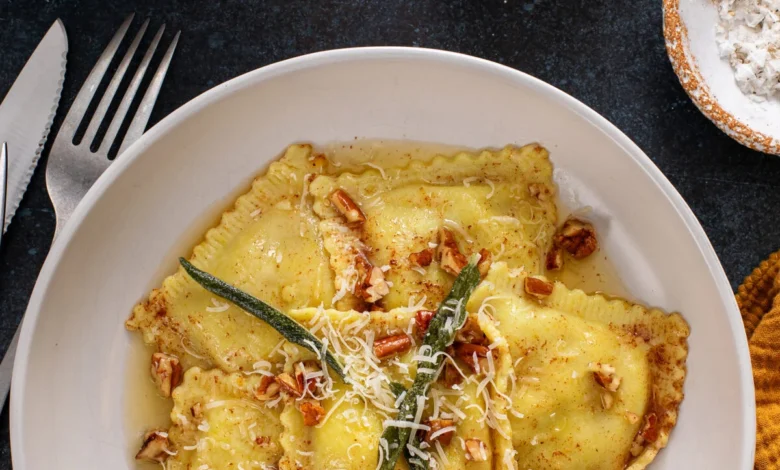
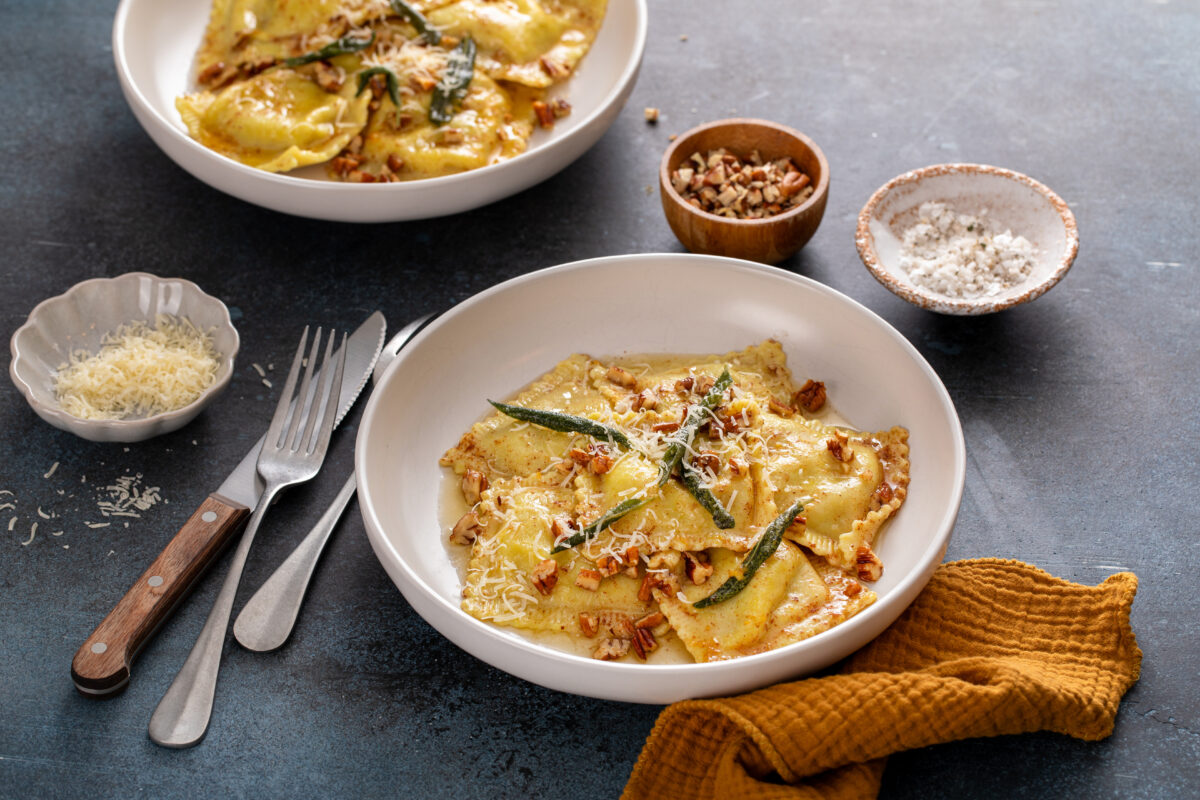
The intersection of culinary convenience and gourmet dining has reached a new milestone with the rising popularity of elevated, quick-preparation autumn meals, spearheaded by dishes such as pumpkin-filled ravioli paired with a traditional brown butter and sage sauce. As modern households increasingly seek recipes that balance sophisticated flavor profiles with minimal preparation times, specialty pasta dishes that leverage high-quality refrigerated ingredients have transformed weekday cooking habits. Culinary experts note that this particular dish encapsulates a broader trend in home economics: the democratization of fine dining techniques for everyday consumers.
The Culinary Mechanics of Brown Butter and Seasonal Pairings
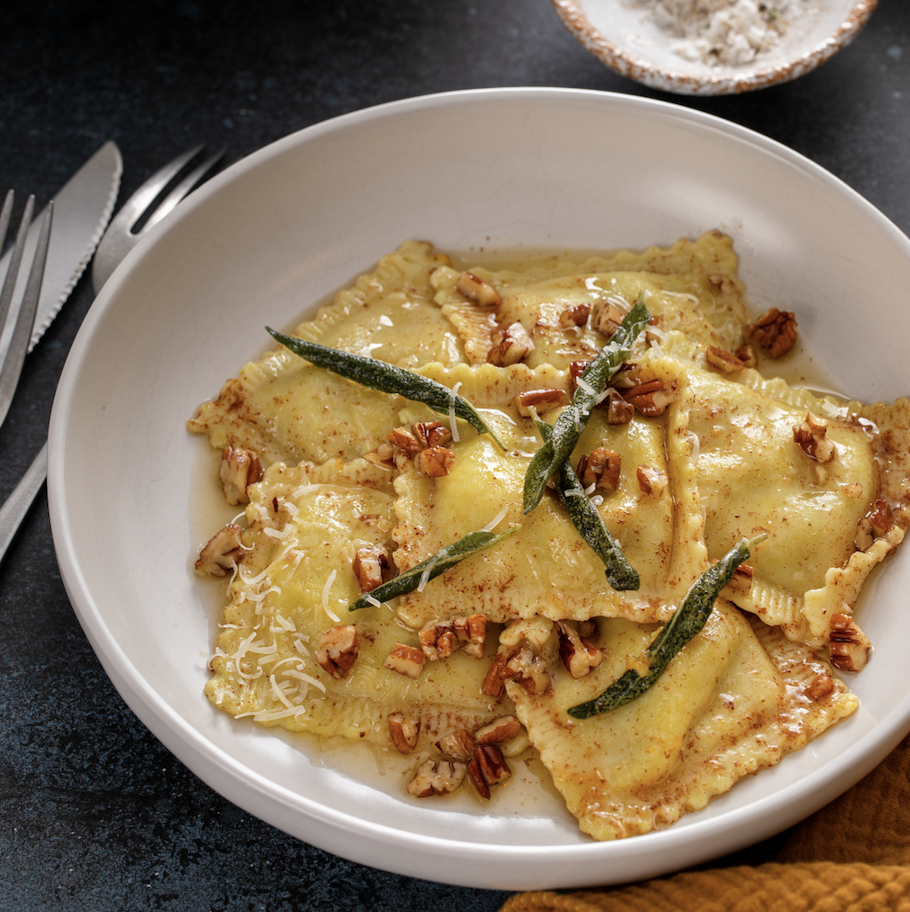
At the heart of this seasonal favorite is the chemical transformation of butter, a culinary technique deeply rooted in classical French cuisine known as beurre noisette. When butter is subjected to gentle heat, its water content evaporates, allowing the milk solids to separate and drop to the bottom of the pan. These solids undergo the Maillard reaction—a chemical reaction between amino acids and reducing sugars that gives browned food its distinctive flavor. This process yields a nutty, complex, and slightly caramelized profile that fundamentally alters the character of the fat, making it an ideal counterweight to the naturally sweet and earthy profile of winter squashes and pumpkins.
Food scientists and professional chefs have long lauded brown butter for its versatility. Unlike heavy cream sauces or tomato-based reductions, brown butter relies on precision and timing rather than a long list of ingredients. When combined with fresh aromatic herbs like sage—which crisps when introduced to the hot fat—and toasted nuts such as pecans, the dish achieves a multi-dimensional texture profile featuring crisp, tender, and velvety elements within a single bite.
Chronology and Preparation Efficiency
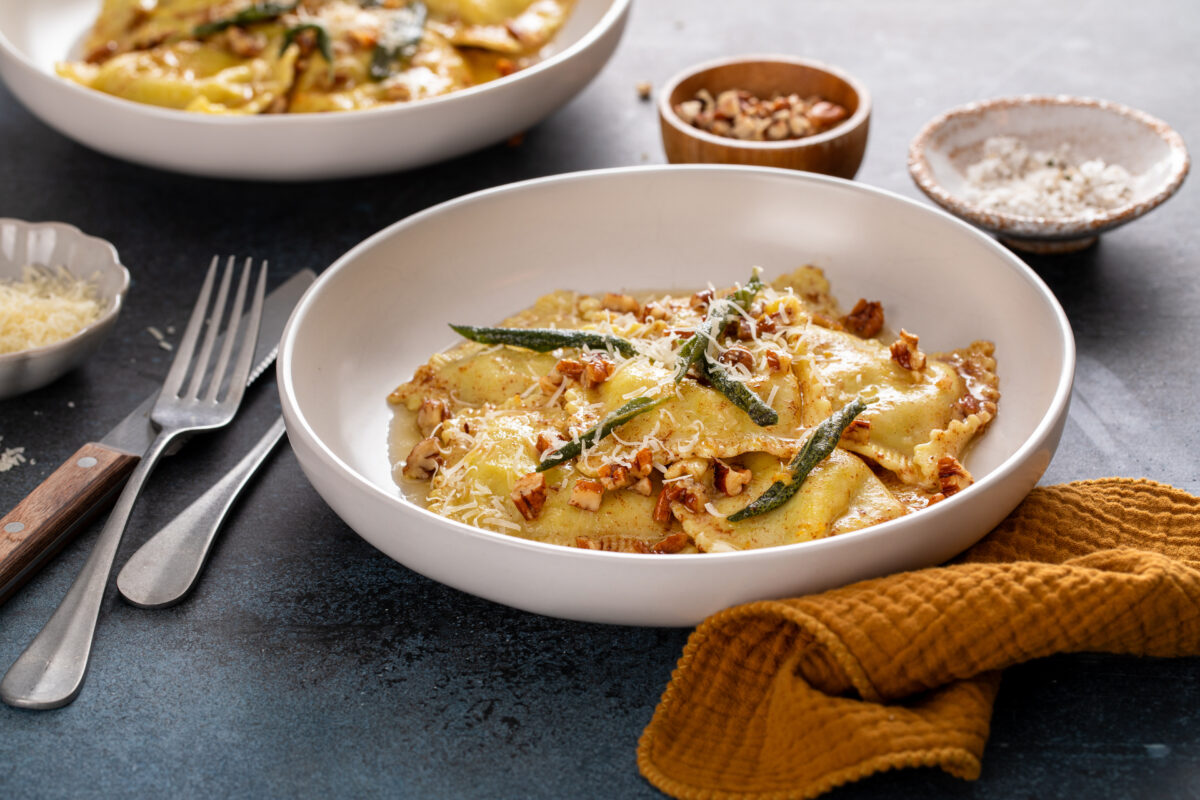
The appeal of this recipe lies largely in its compressed timeline, addressing a significant pain point for time-pressed consumers. Traditional pasta dishes featuring filled pastas often require extensive labor, including making dough from scratch, roasting pumpkins, and hand-pinching parcels. However, the contemporary availability of artisan-grade, commercially produced refrigerated pumpkin ravioli has streamlined the process dramatically.
A standard preparation timeline demonstrates the efficiency of the dish:
- Minutes 0–5: Water is brought to a gentle boil, and pecans are measured for a rapid toast in a dry skillet to release their natural oils and enhance crunch.
- Minutes 5–10: Refrigerated pumpkin ravioli is introduced to the simmering water, requiring only a brief cooking duration of three to four minutes to reach optimal tenderness due to the thinness of fresh pasta sheets.
- Minutes 10–15: Concurrently, butter is melted and browned in a separate skillet. Fresh sage leaves are dropped into the foaming butter, followed by the incorporation of starchy pasta water—a crucial culinary step that emulsifies the fat and creates a cohesive sauce rather than an oily separation.
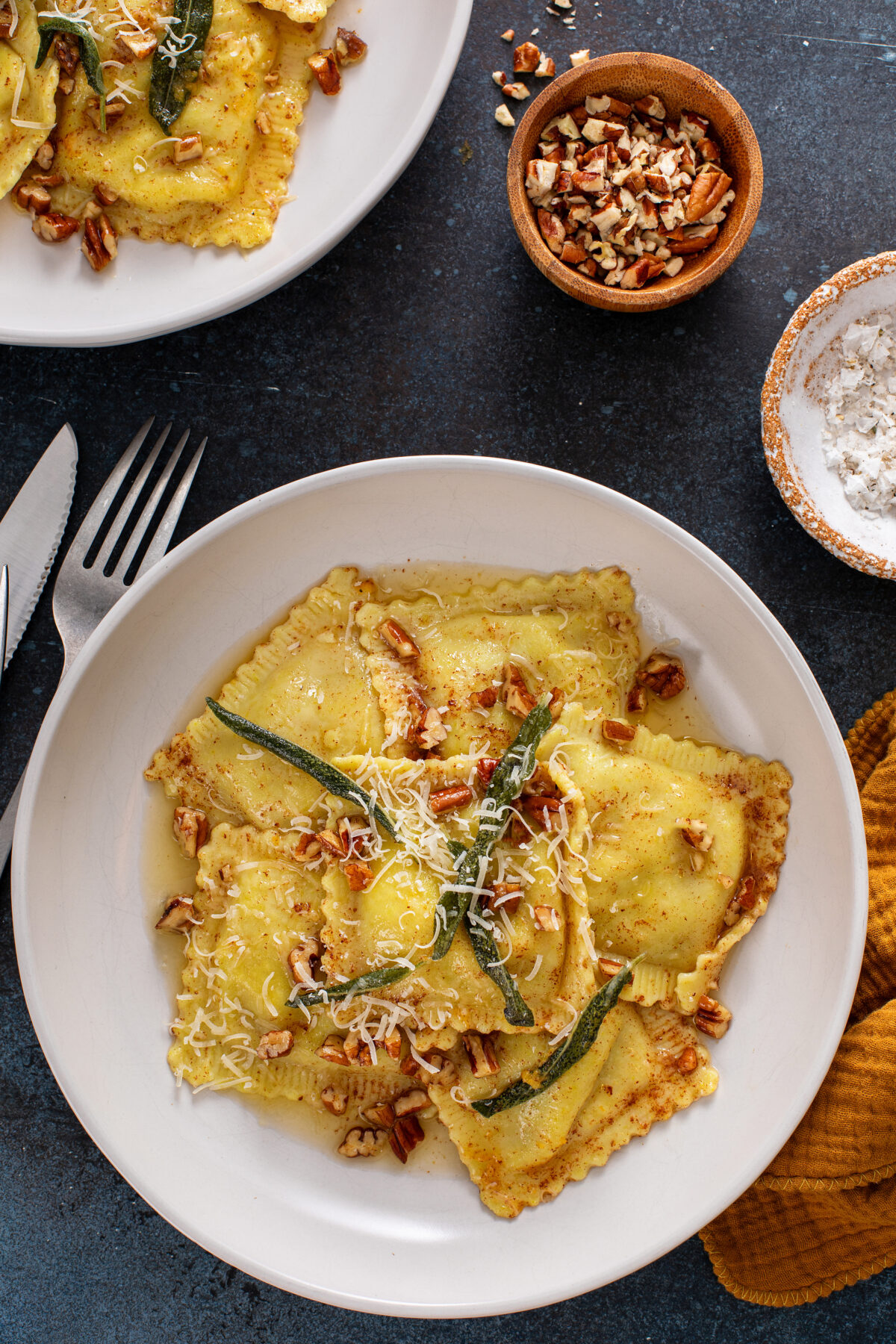
- Minutes 15–20: The drained ravioli is gently folded into the brown butter emulsion, topped with toasted pecans and freshly grated Parmesan cheese, and plated for immediate service.
Nutritional Analysis and Dietary Implications
From a nutritional standpoint, incorporating pumpkin and winter squash into family meals offers substantial dietary benefits. Pumpkins are rich in beta-carotene, an antioxidant that the body converts into vitamin A, which supports immune function and ocular health. They also provide significant levels of dietary fiber, potassium, and vitamin C.
However, nutritionists point out that the inclusion of butter, cheese, and nuts increases the caloric density and fat content of the meal, categorizing it as an indulgence best balanced with fibrous sides. To optimize the nutritional profile, culinary dietitians frequently recommend pairing the dish with a complementary green vegetable or an acid-balanced salad, such as baby spinach or arugula dressed with a light vinaigrette. This not only introduces additional micronutrients and dietary fiber but also cuts through the richness of the brown butter sauce, creating a more balanced palate.
Socioeconomic and Market Trends in Home Cooking
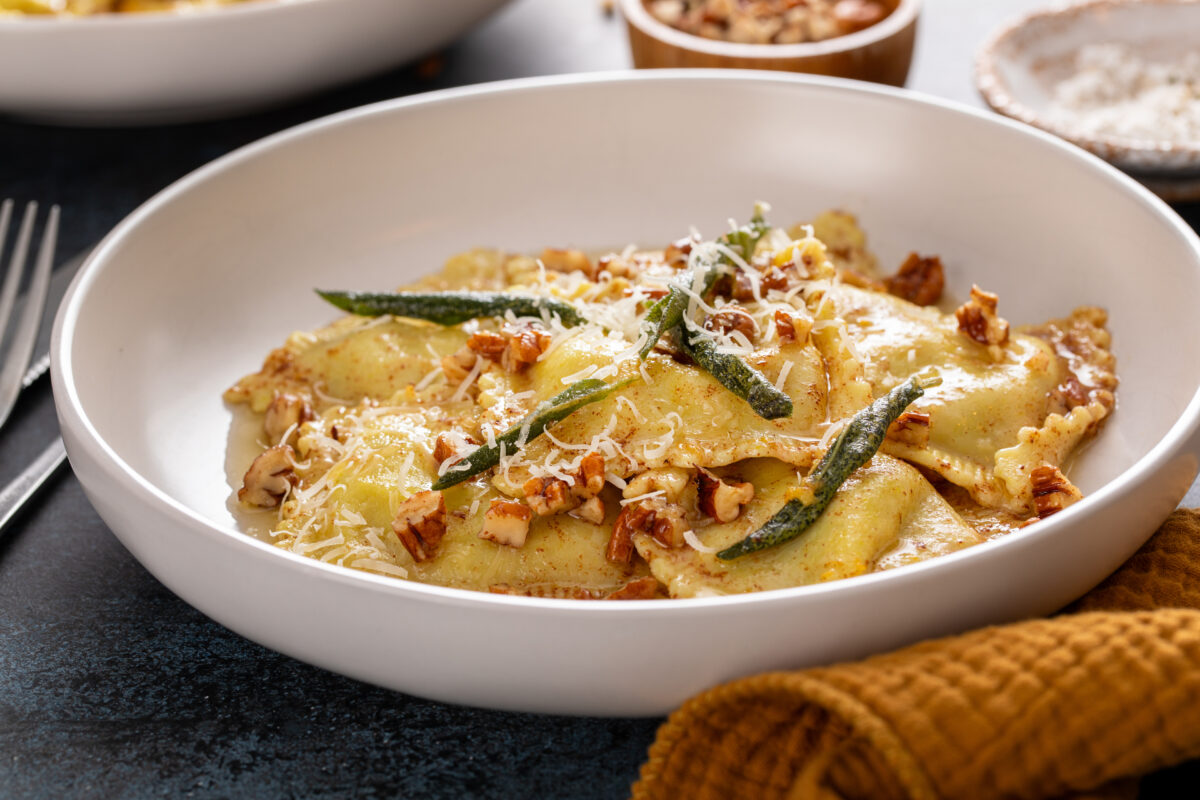
The surge in popularity for sophisticated, rapid-preparation seasonal meals reflects broader shifts in consumer behavior following years of fluctuating dining-out habits. Market analysts report a sustained demand for "gourmet-at-home" products, as consumers look for ways to replicate restaurant-quality dining experiences within their own kitchens to manage household budgets without sacrificing culinary pleasure.
Supermarket data indicates that sales of refrigerated specialty pastas—particularly those featuring seasonal fillings like pumpkin, butternut squash, and truffle-infused cheeses—spike significantly during the autumn and winter holiday months. Food industry insiders attribute this trend to the influence of cooking media, social platforms, and meal-kit delivery services, which have collectively educated the general public on techniques like butter browning and herb crisping.
Practical Guidelines for Home Cooks
Achieving success with this recipe requires attention to several technical details, as noted by professional culinary instructors:
- Heat Management: Brown butter transitions from perfectly toasted to burned in a matter of seconds. Maintaining medium-low heat and observing the formation of golden specks is critical to avoiding an acrid taste.
- Pasta Integrity: Fresh or refrigerated ravioli is inherently more delicate than dried wheat pasta. A rolling boil can rupture the casings, causing the pumpkin filling to leak into the cooking water. A gentle simmer preserves the structural integrity of the pasta.
- Starch Utilization: Retaining a quarter-cup of the water used to boil the pasta is essential. The dissolved starches act as a binding agent, allowing the melted butter and cheese to cling smoothly to the ravioli rather than pooling at the bottom of the serving vessel.
- Ingredient Quality: Using freshly grated Parmesan cheese rather than pre-shredded varieties ensures a smoother melt and superior flavor integration, as commercial anti-caking agents are absent.
As home cooks continue to seek efficient methods for preparing satisfying meals, dishes like pumpkin ravioli with brown butter and sage demonstrate that convenience does not necessitate a compromise in flavor, texture, or aesthetic appeal.