The Ultimate 15-Minute Caramelized Apple Slices Recipe for Cozy Mornings and Quick Desserts

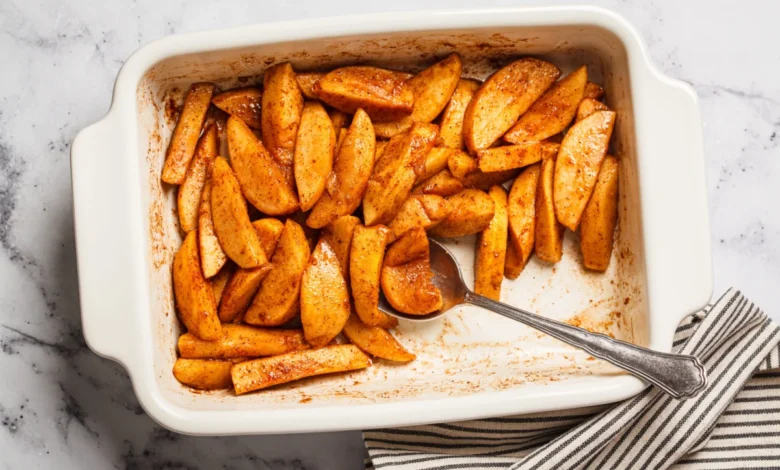
The culinary landscape of autumn often centers on the comforting, aromatic qualities of warm spices and freshly harvested fruit. Among the most enduring and adaptable preparations of this seasonal produce is the skillet-cooked apple dish, a staple of home kitchens that requires minimal ingredients yet delivers complex, dessert-like flavors. A newly popularized recipe featuring tender, buttery apple slices sweetened with pure maple syrup and dusted with cinnamon has gained traction for its remarkable speed—requiring a mere 15 minutes from preparation to plate—and its broad versatility across multiple daily meal structures.
Culinary Evolution and Background Context
The practice of cooking apples in fats, such as butter or oil, alongside sweeteners and spices traces its roots back centuries, serving as a primary method for preserving fruit, softening windfalls, and enhancing the natural sugars of less-than-perfect harvests. Historically, traditional preparations like apple butter, stewed apples, and classic apple crisps required extended cooking times, often ranging from 45 minutes to several hours, to break down the fruit’s cellular structure and caramelize its inherent fructose.
In contemporary home economics, the demand for quick-preparation meals has driven a shift toward rapid-cooking techniques. The modern 15-minute skillet method capitalizes on controlled medium heat, uniform slicing, and the natural moisture content of the fruit to accelerate the softening and caramelization process. By substituting refined white sugars with pure maple syrup, modern home cooks can achieve a glossy, viscous coating that clings to the fruit without overpowering its natural flavor profile, aligning with a broader consumer preference for minimally processed, unrefined sweeteners.
Step-by-Step Chronology and Preparation Workflow
Executing this rapid recipe efficiently relies on a strict preparatory and cooking timeline designed to maximize flavor development while preventing the fruit from disintegrating into sauce.
Preparation Phase (Minutes 1 to 5)
The process begins with the selection and uniform cutting of the fruit. Culinary experts recommend utilizing firm, crisp apple varieties that hold their shape under heat, such as Honeycrisp, Granny Smith, or Braeburn. The apples are cored and sliced to a consistent thickness of approximately one-quarter of an inch. Slicing too thinly risks transforming the dish into applesauce, while overly thick slices fail to soften adequately within the allotted cooking window.
Sautéing and Softening (Minutes 5 to 10)
A heavy-bottomed skillet—preferably cast iron or stainless steel—is heated over a medium setting. A measured amount of butter is melted in the pan, followed immediately by the apple slices. The fruit is tossed to ensure an even coating of fat, which protects the exterior cells and promotes browning. During this window, ground cinnamon is introduced, allowing the fat-soluble compounds in the spice to bloom and permeate the apple tissues.
Caramelization and Finishing (Minutes 10 to 15)
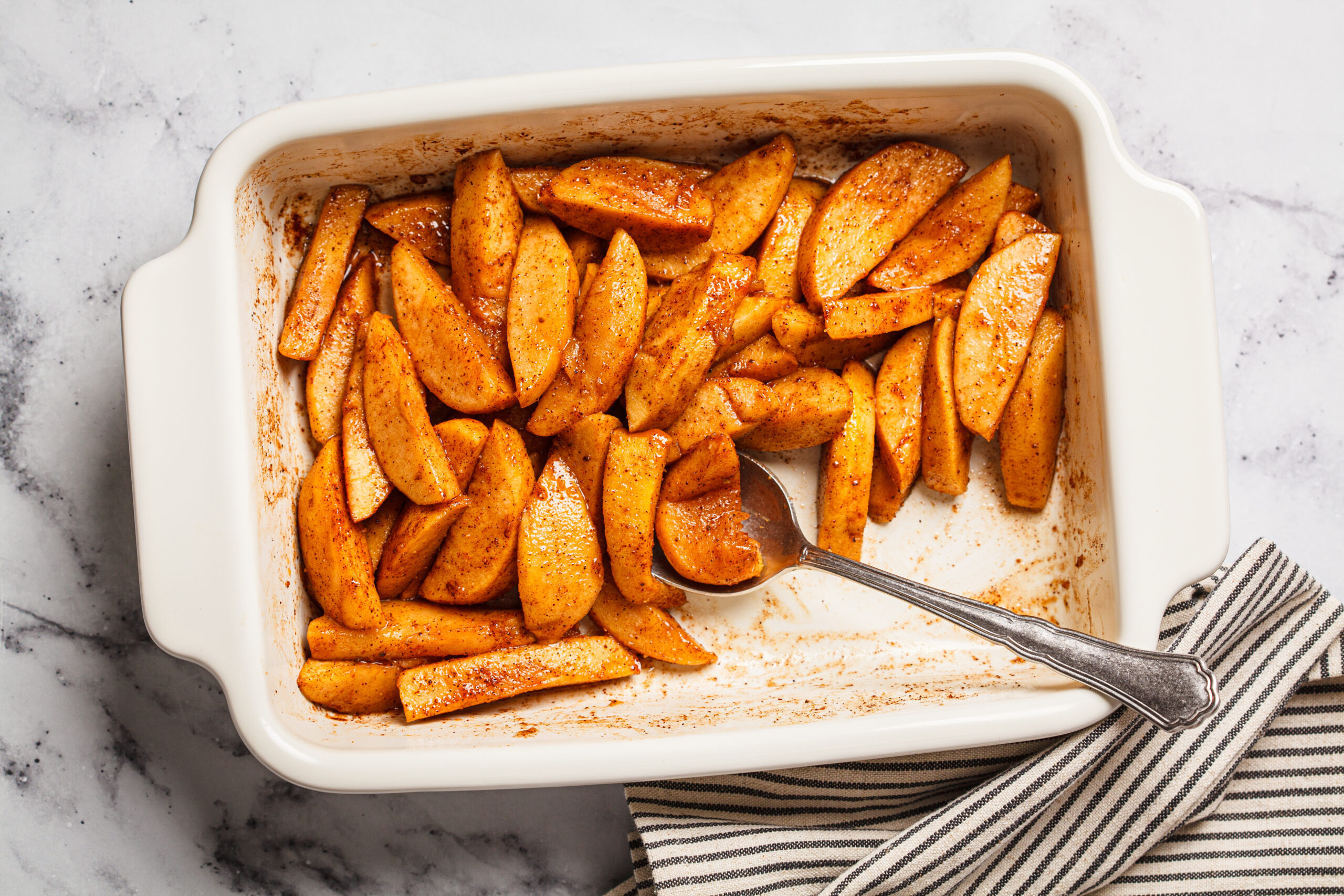
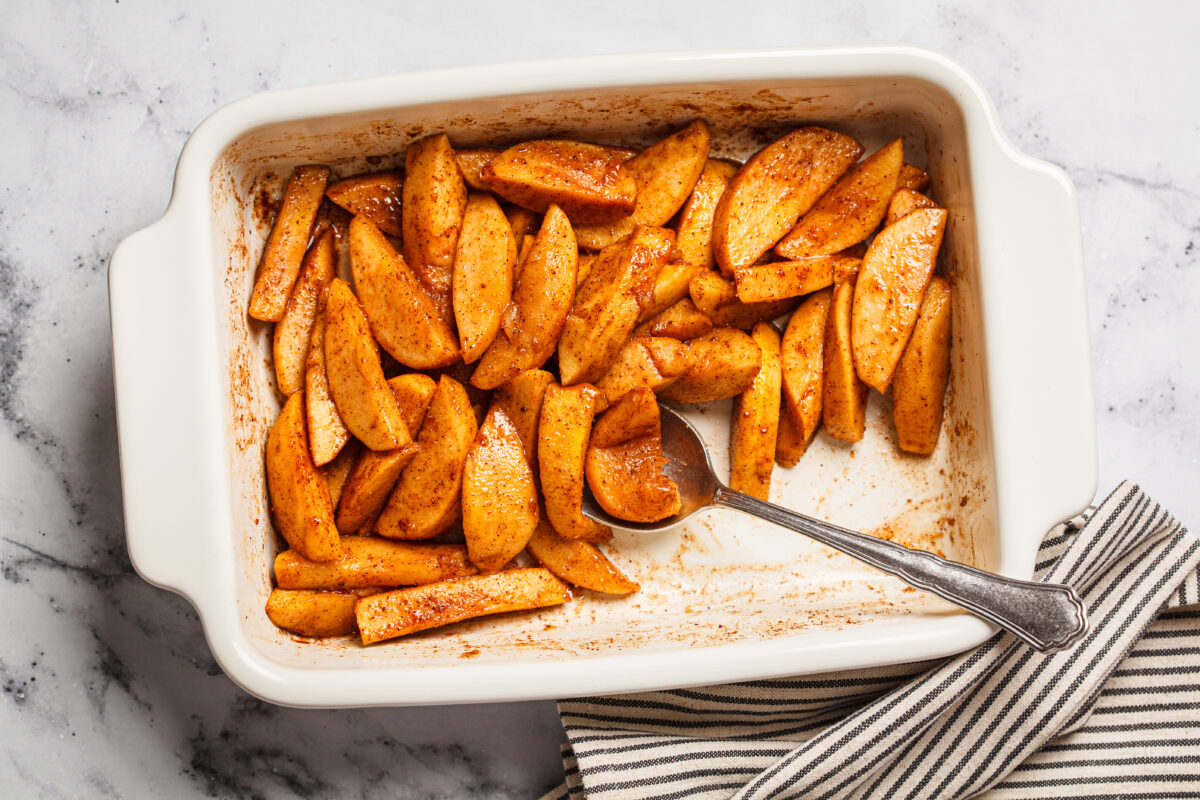
Pure maple syrup is drizzled over the warm contents of the pan. As the syrup combines with the melting butter and the natural juices released by the apples, a reduction occurs. The mixture bubbles gently, thickening into a rich, caramel-like glaze that coats each slice. At this stage, optional mix-ins such as raw pecans or dried cranberries may be introduced. Pecans benefit from a brief toast in the residual heat, imparting a nutty crunch, while dried cranberries offer a tart, chewy textural contrast. The heat is extinguished promptly at the 15-minute mark to retain the structural integrity of the fruit.
Nutritional Analysis and Dietary Implications
From a nutritional perspective, utilizing whole-fruit ingredients provides significant dietary advantages over commercially processed fruit toppings, which frequently incorporate high-fructose corn syrup and artificial preservatives. Apples are naturally rich in dietary fiber, particularly pectin, which supports gastrointestinal health and helps regulate blood glucose levels. Furthermore, the skins—often retained in this preparation—contain high concentrations of antioxidants, including quercetin, which has been studied for its anti-inflammatory properties.
The inclusion of pure maple syrup, while still a caloric sweetener, introduces trace minerals such as manganese and zinc, along with various antioxidant polyphenols not found in refined white sugar. Portion control and ingredient customization remain central to its health profile; substituting plant-based butter alternatives and omitting added sugars entirely for naturally sweet apple cultivars allows the dish to conform to vegan, paleo, and clean-eating dietary frameworks.
Versatility in Modern Meal Planning
The enduring popularity of quick-cooking caramelized apple slices stems largely from their multifaceted utility across different dayparts. Food industry analysts note a growing consumer trend toward modular meal prep, where single foundational components can be repurposed across breakfast, snack, and dessert categories.
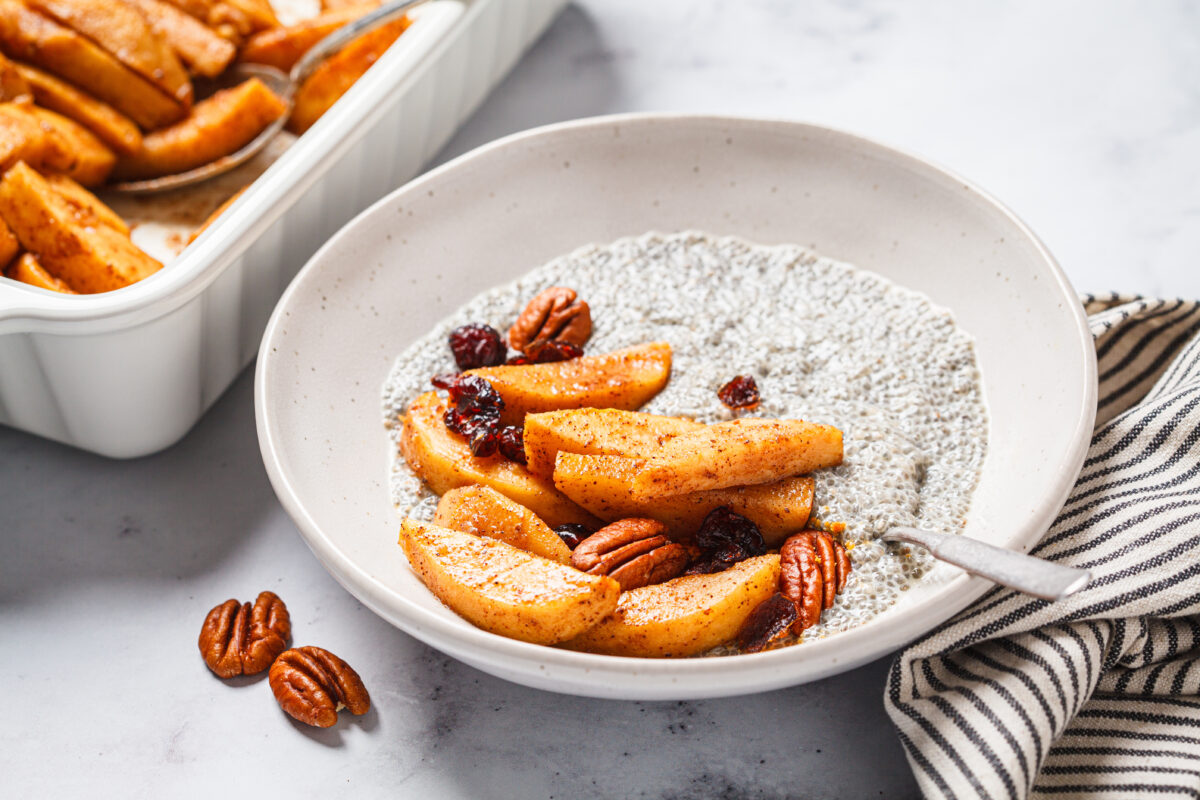
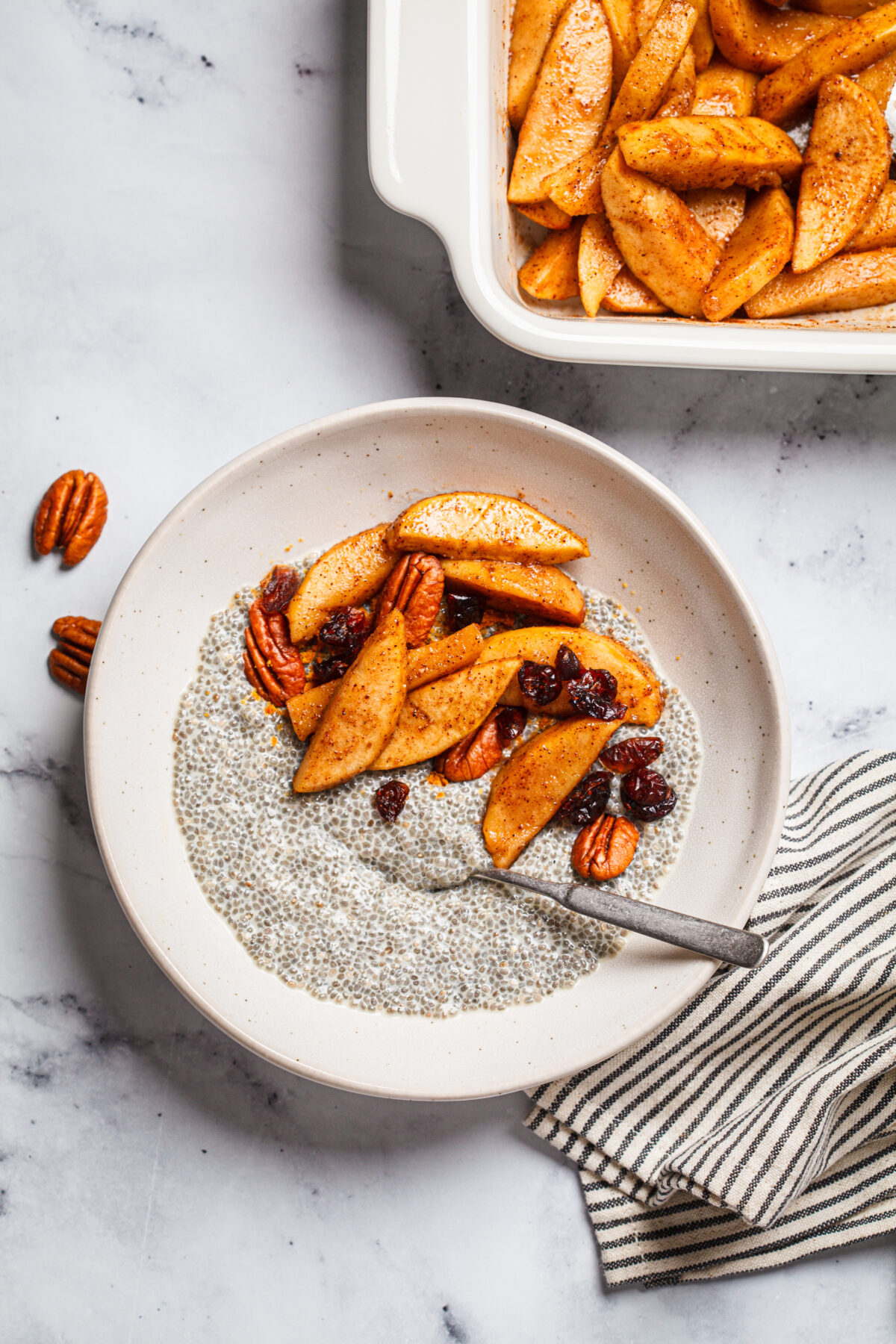
In morning applications, the warm apple slices serve as a nutrient-dense topping for traditional rolled oats, chia seed pudding, Greek yogurt parfaits, or whole-grain pancakes. The contrasting temperatures—hot fruit paired with chilled dairy or yogurt—enhance the sensory appeal of the meal. For midday snacks, the apples can be consumed independently straight from the skillet or paired with toasted walnuts and pumpkin seeds.
When transitioned to the evening, the same preparation functions effortlessly as an instant dessert. Serving the warm, spiced fruit over a scoop of vanilla bean ice cream or alongside pound cake bridges the gap between wholesome ingredients and indulgent dining, offering home cooks a low-effort solution for entertaining or weeknight treats.
Storage Protocols and Food Safety
Proper post-preparation handling ensures both food safety and optimal texture retention for future meals. Once cooked, the apple slices must be allowed to cool completely at room temperature to prevent condensation buildup inside storage vessels, which can lead to rapid microbial growth or soggy textures.
According to standard food preservation guidelines for cooked fruits, the cooled slices should be transferred to an airtight glass or plastic container and refrigerated promptly. Properly stored, the caramelized apples maintain optimal quality for up to four days. Reheating can be achieved via a gentle stovetop warm-up over low heat or through short, timed intervals in a microwave. Alternatively, the apples can be enjoyed cold directly from refrigeration, making them an efficient addition to pre-assembled overnight oats or cold breakfast bowls.
Industry Perspectives and Future Culinary Trends
Culinary trends indicate a sustained consumer interest in nostalgic, comfort-driven flavors executed through expedited cooking methods. As home cooking habits continue to prioritize efficiency without sacrificing sensory quality, recipes that rely on pantry staples—such as apples, butter, maple syrup, and cinnamon—demonstrate exceptional resilience against changing dietary fads.
Food scientists and recipe developers emphasize that the success of such minimalist dishes relies entirely on technique rather than complex ingredient lists. By mastering heat control, knife skills, and timing, home cooks can elevate basic, everyday produce into a sophisticated component suitable for any culinary occasion.