The Ultimate 10-Minute Comfort Food: Pastina with Egg Becomes a Household Staple for Families and Recovery

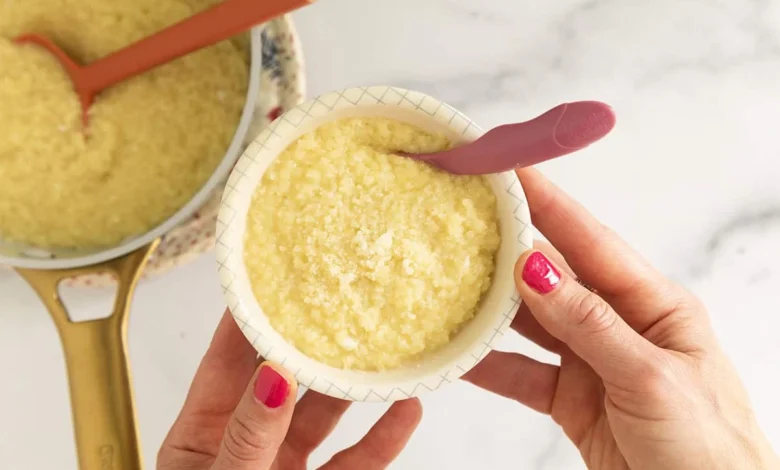
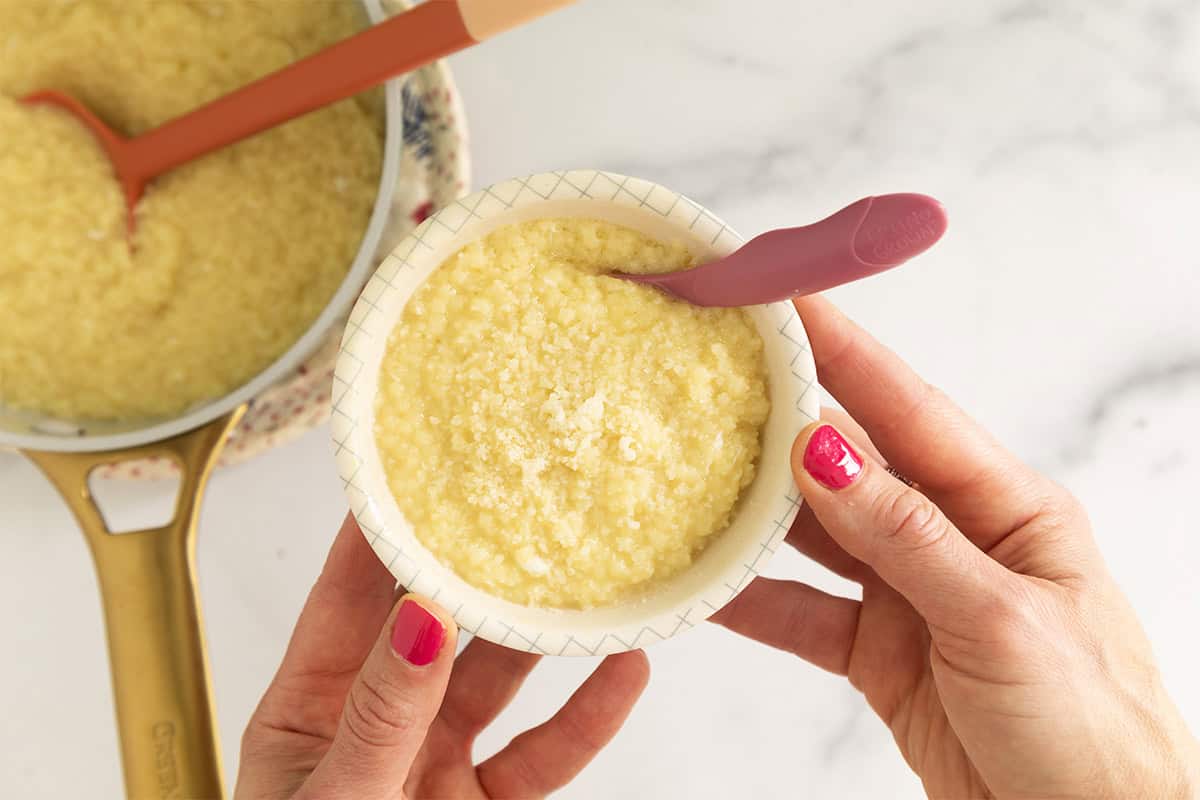
In contemporary American households, the intersection of fast-paced family schedules and the traditional demand for wholesome comfort food has driven a resurgence in classic, quick-preparation recipes. Among them, Pastina with Egg—a traditional Italian-American dish consisting of tiny star-shaped pasta cooked in seasoned broth and enriched with a beaten egg and Parmesan cheese—has emerged as a preeminent culinary solution. Requiring roughly ten minutes from pantry to table, this preparation bridges the gap between infant weaning, toddler nutrition, invalid care, and rapid weeknight dinner execution for busy adults.
Historical Roots and Cultural Significance
The culinary practice of serving pastina, which translates literally from Italian as "little pasta," dates back generations within Italian immigrant communities in the United States. Traditionally recognized as penicillinum, or a culinary form of penicillin, pastina has long served as a primary remedy for common ailments ranging from the common cold to stomach flus.
Nutritional anthropologists note that soft, easily digestible starches have occupied a foundational role in convalescent diets across numerous cultures. However, the specific iteration utilizing micro-pasta formats—such as stelline, acini di pepe, or orzo—combined with a protein source like a whole egg, provides a balanced matrix of complex carbohydrates, bioavailable protein, and essential micronutrients. This makes it an ideal medium for rehydration and caloric intake when appetite is suppressed due to illness.
Nutritional Profile and Pediatric Adaptation
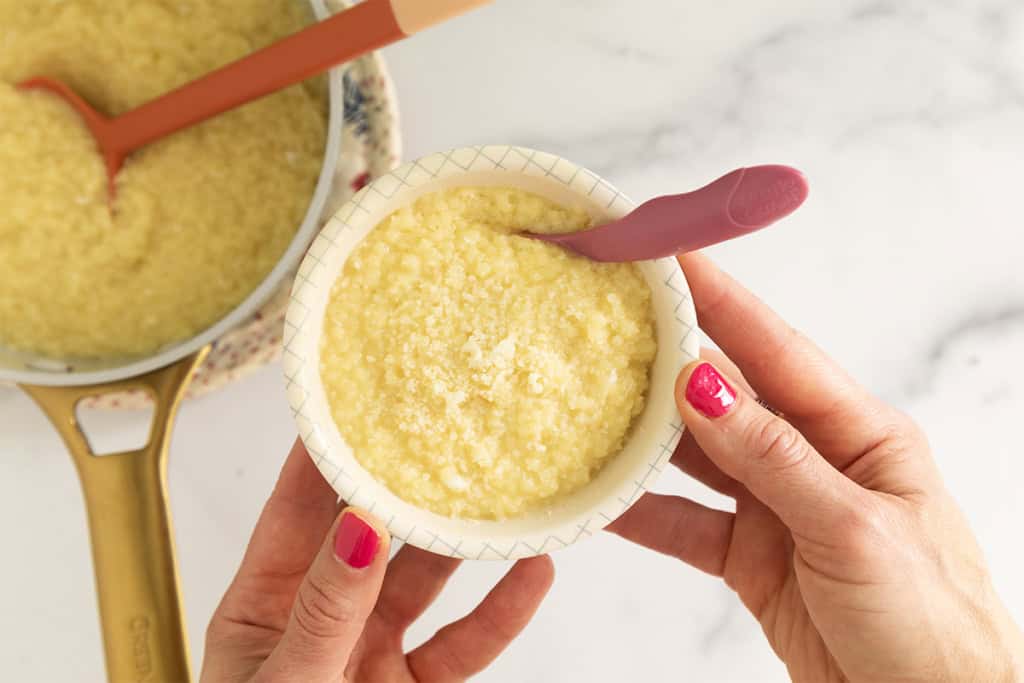
Modern pediatric dietary guidelines emphasize the introduction of textured foods and varied nutrients early in a child’s development. Pastina with Egg fits cleanly into these guidelines. According to standardized nutritional analysis for a single one-cup serving, the dish yields approximately 219 kilocalories, 34 grams of carbohydrates, 12 grams of protein, and moderate levels of iron and calcium.
Child nutrition specialists frequently recommend the dish for toddlers transitioning away from purees due to its manageable texture. The inclusion of the egg, stirred directly into the hot pasta off the heat source to create a smooth, velvety consistency reminiscent of a minimalist carbonara or stracciatella soup, boosts the protein and healthy fat content without introducing choking hazards associated with larger chunks of solid food.
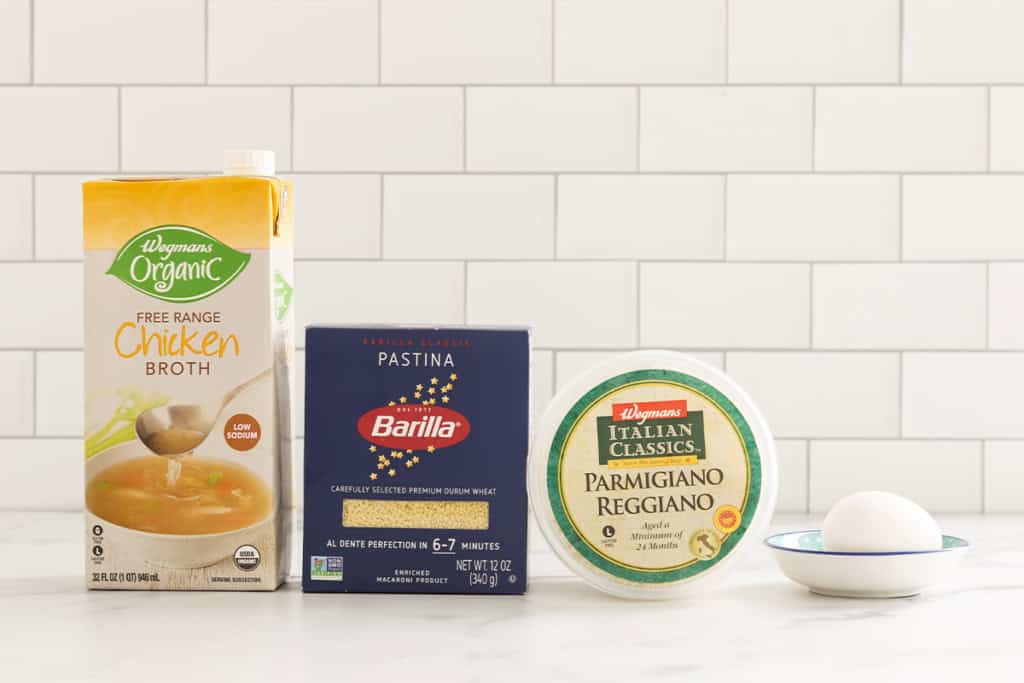
For parents managing dietary restrictions, the recipe’s inherent flexibility allows for seamless modifications. Dairy-free variations can be achieved simply by omitting the traditional Parmesan cheese, while sodium levels can be regulated through the choice of low-sodium chicken or vegetable broths.
Step-by-Step Culinary Methodology
The appeal of Pastina with Egg lies primarily in its streamlined preparation, which requires minimal culinary equipment—typically restricted to a single saucepan and a spatula.
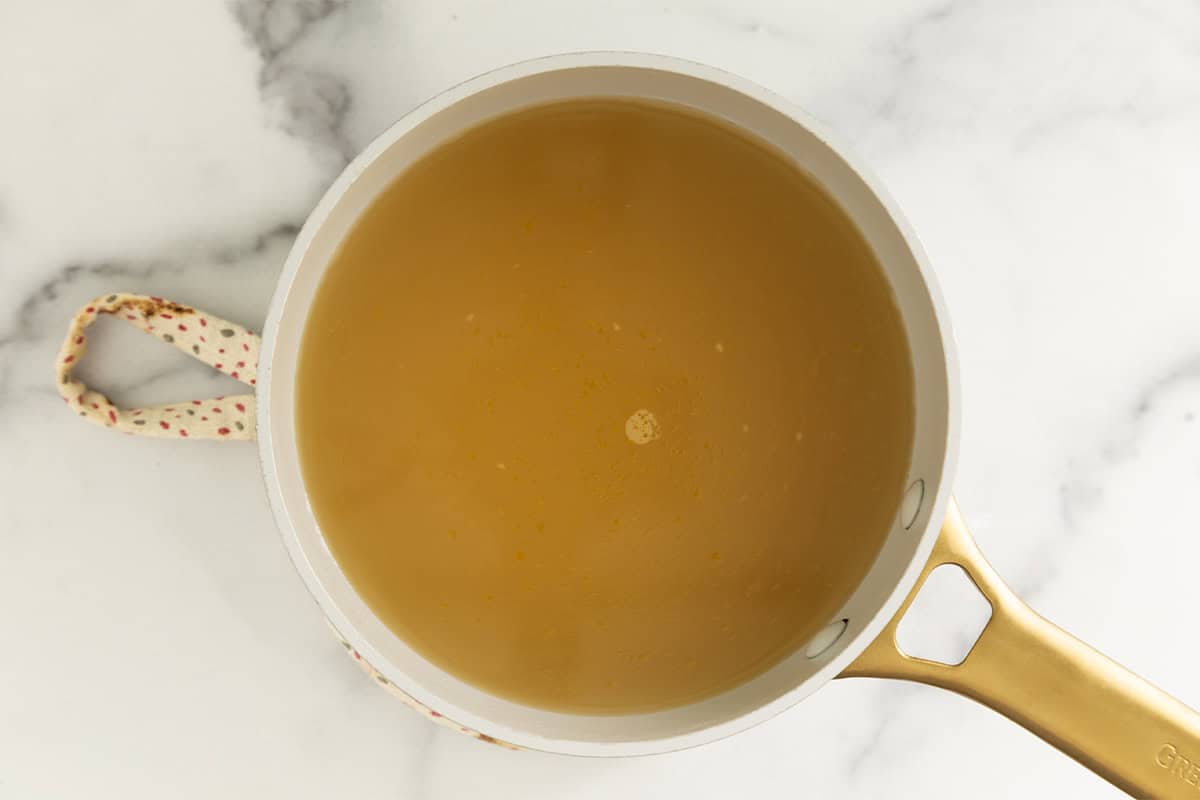
- Broth Preparation: The process begins by bringing a measured quantity of chicken, vegetable, or bone broth to a gentle simmer in a large saucepan over medium heat. Utilizing broth rather than plain water infuses the neutral pasta dough with deep savory notes from the outset.
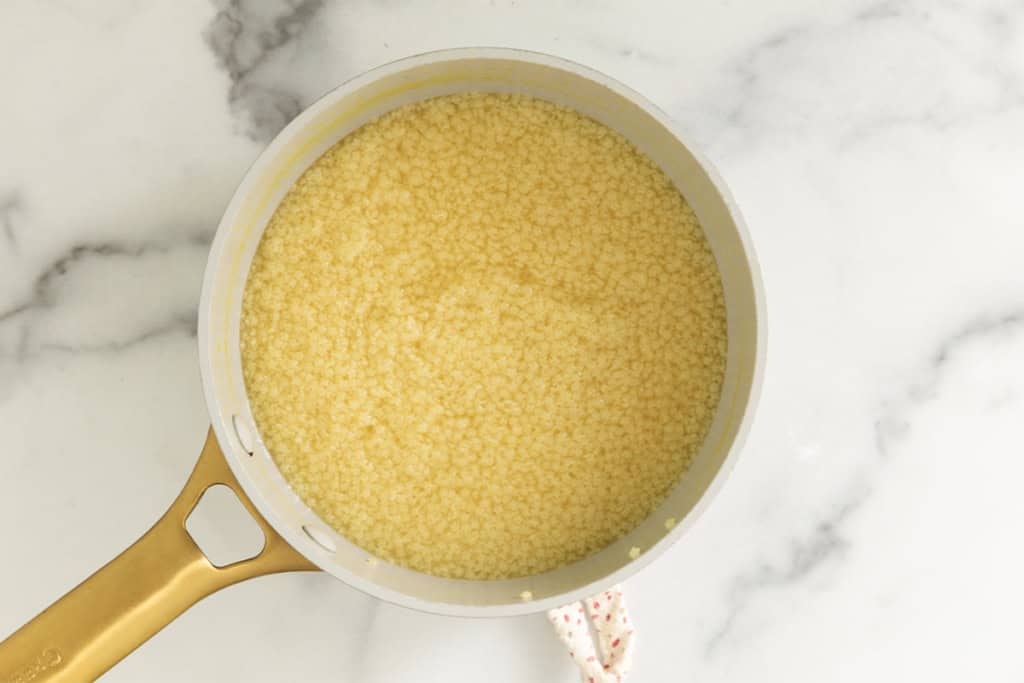
- Pasta Incorporation: Tiny star pasta or an approved substitute (such as alphabet pasta or orzo) is added directly to the simmering liquid. The mixture requires occasional stirring to prevent the starchy pasta from adhering to the bottom of the pan, cooking until the liquid is largely absorbed and the pasta achieves a tender consistency.
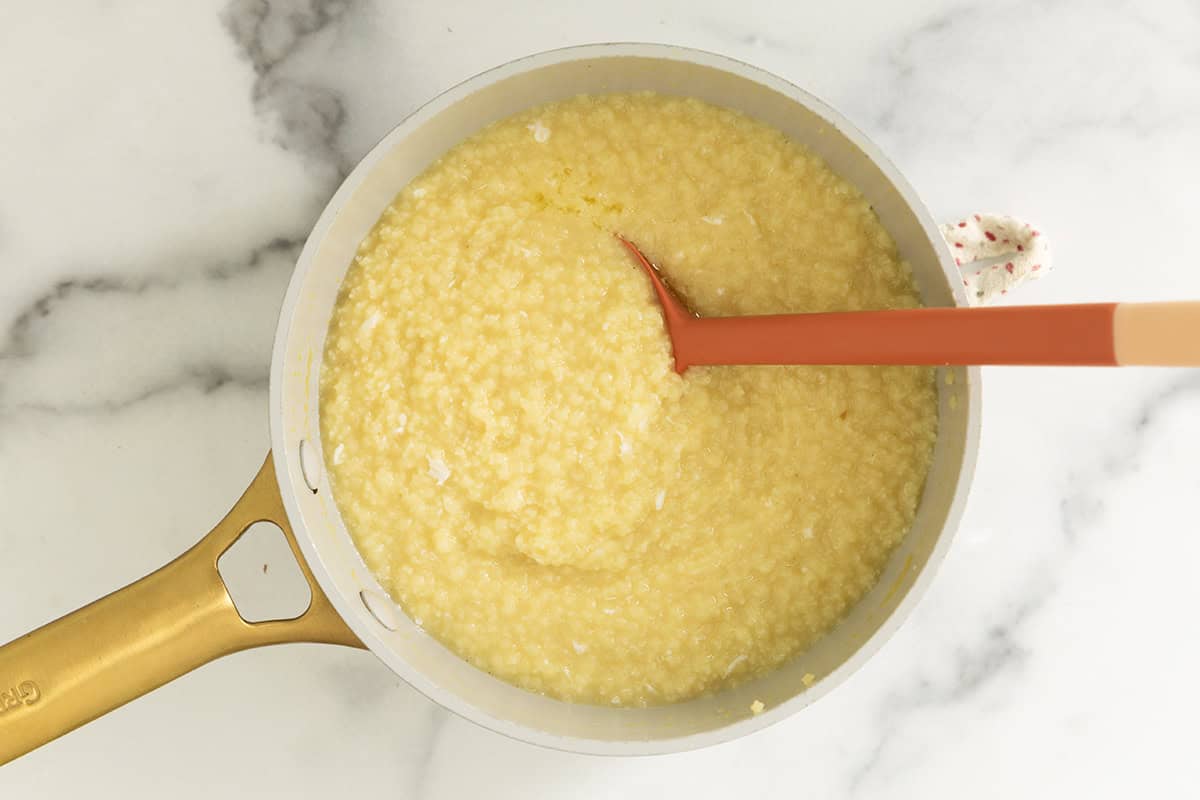
- Protein Integration: Crucially, the heat source is extinguished prior to the addition of the protein components. A fresh egg, optionally paired with grated Parmesan cheese and a pinch of black pepper, is whisked or stirred continuously into the hot mixture. The residual heat of the pasta and pan cooks the egg safely while creating a glossy, emulsified sauce rather than scrambled curds.
- Service: The finished dish is served warm, frequently garnished with an additional dusting of cheese or black pepper for mature palates.
Adaptability and Broader Culinary Context
While traditionally consumed independently on sick days or as a comforting late-night supper, contemporary home cooks have increasingly integrated pastina dishes into broader meal-planning frameworks. Culinary experts suggest pairing the rich, soft carbohydrate base with leaner protein vectors, such as baked chicken meatballs or marinated chicken tenders, to construct a more robust, nutritionally complete dinner for older children and adults.
Furthermore, supply chain shifts and the increasing popularity of quick-assembly comfort foods have driven commercial manufacturers to maintain steady inventories of micro-pasta varieties. Retail data indicates that sales of specialty shapes like pastina experience notable spikes during seasonal flu outbreaks, underscoring the enduring reliance on functional comfort foods within public health cycles.
Storage, Reheating, and Food Safety Protocols
Given its status as a frequent meal option for infants and recovering individuals, food safety and storage procedures remain paramount. Prepared Pastina with Egg can be safely stored in an airtight container within a refrigerated environment for up to five days.
Because the micro-pasta continues to absorb ambient moisture during storage, reheating requires specific adjustments to restore the ideal texture. Culinary technicians recommend introducing a splash of water or additional broth prior to microwaving or gently reheating on the stovetop. This prevents the dish from becoming overly dense or dry, ensuring the final product mirrors the palatability of a freshly prepared batch.
Implications for Modern Domestic Routines
As households navigate the demands of dual-income schedules, hybrid work models, and seasonal wellness challenges, the demand for high-efficiency, low-stress meal solutions continues to expand. Recipes that offer dual utility—functioning simultaneously as an infant meal, a toddler shortcut, an invalid restorative, and a comforting adult side dish—represent a vital category in modern domestic management. Pastina with Egg exemplifies this convergence, proving that culinary tradition and time-tested nutritional wisdom can successfully adapt to the speed requirements of the twenty-first century.
Related posts: