The Ultimate Guide to Twice Baked Potato Casserole: The Ultimate Make-Ahead Side Dish for Holiday Feasts and Family Gatherings

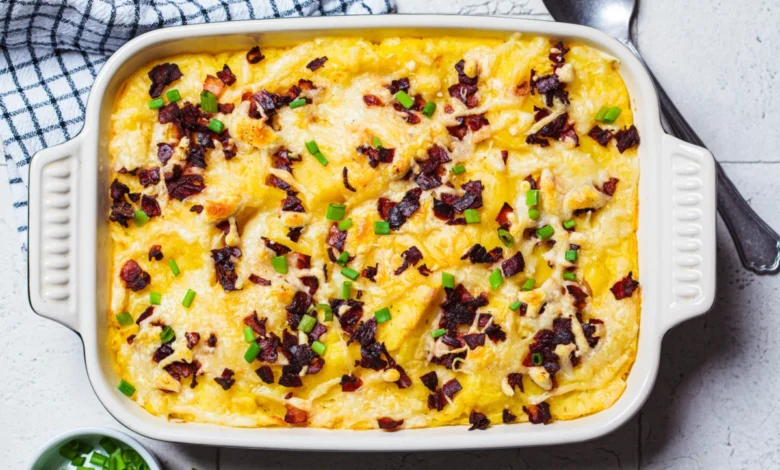
The evolution of modern comfort food has increasingly favored culinary efficiency without sacrificing traditional flavor profiles, a trend brilliantly exemplified by the rising popularity of the twice-baked potato casserole. Culinary experts and home economists have long noted that while traditional twice-baked potatoes remain a beloved staple at steakhouses and holiday tables, the labor-intensive process of individually scooping, filling, baking, and garnishing dozens of single servings can overwhelm home cooks. Culinary researchers tracking household meal trends report a significant shift toward casserole-style adaptations of labor-intensive classics, allowing busy families and hosts to maximize efficiency during high-stress holiday preparation windows such as Thanksgiving and Christmas.
This streamlined approach preserves all the essential sensory elements of the classic dish—fluffy russet potatoes, rich dairy, sharp cheddar, smoky bacon, and sharp green onions—while consolidating the preparation into a single baking dish. According to recent culinary data focusing on family meal planning, casseroles and batch-baked side dishes have seen a steady increase in web searches and recipe implementations, driven largely by the demand for make-ahead convenience. By shifting from individual skins to a unified baking format, home cooks can eliminate nearly half the active preparation time associated with traditional methods, transforming a complex side dish into an accessible, scalable option for weeknight dinners and large-scale gatherings alike.
The History and Evolution of Twice-Baked Potatoes in American Cuisine
The concept of the twice-baked potato traces its roots back to mid-20th-century American domestic cooking, evolving from simple baked potatoes leftover from previous meals. Early iterations typically involved slicing a baked potato lengthwise, scooping out the interior flesh, mashing it with butter, cream, and seasonings, and returning the mixture to the crisp potato skin shell before a final browning in the oven. Over the decades, this dish became a hallmark of upscale steakhouses and celebratory home-cooked meals, often elevated with expensive cheeses, sour cream, chives, and bacon bits.
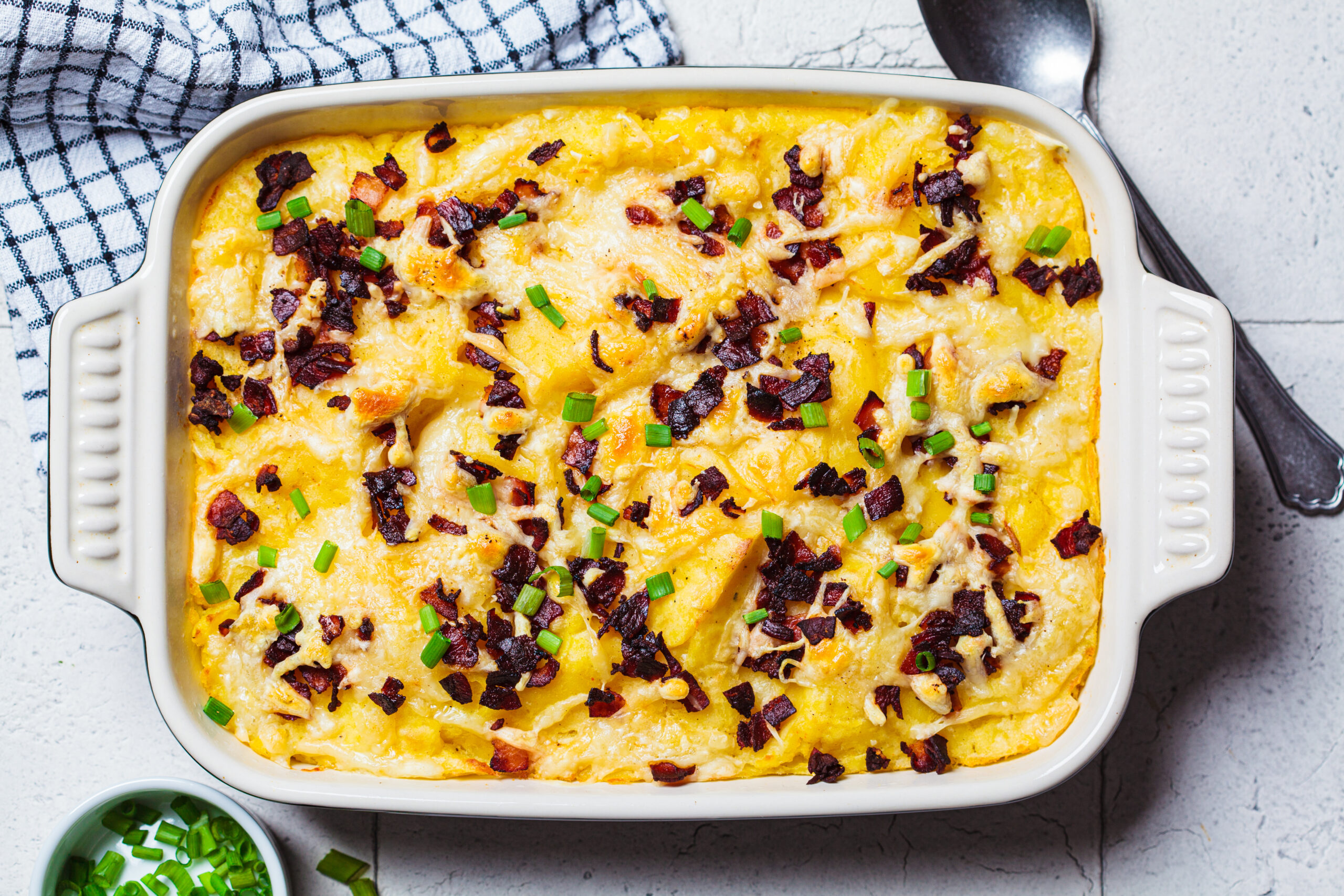
However, as modern lifestyles accelerated, the demand for streamlined recipes led home cooks to experiment with deconstructed formats. The transition from individual potato skins to a unified casserole dish represents a logical evolution in domestic gastronomy. Culinary historians note that casserole cooking gained massive traction in the mid-1900s due to the introduction of modern kitchen appliances and the proliferation of processed convenience foods. Over time, cooks began adapting traditional from-scratch recipes into casserole formats to feed larger families with fewer steps. The twice-baked potato casserole represents the pinnacle of this evolution, merging gourmet flavor profiles with the practicality of batch cooking.
Nutritional Profile and Ingredient Innovation
A significant point of discussion among modern nutritionists and recipe developers is the modification of traditional heavy cream-and-butter profiles to incorporate lighter, nutrient-dense alternatives. Traditional twice-baked potato recipes often rely heavily on heavy whipping cream and excessive amounts of butter, which, while delicious, can contribute to overly rich and calorie-dense side dishes.
Recent culinary adaptations have successfully integrated Greek yogurt into the potato mash. Greek yogurt not only introduces a pleasant, subtle tang that mimics traditional sour cream but also significantly boosts the protein content of the dish while reducing overall saturated fat levels. Nutritional analysts point out that substituting a portion of the heavy dairy with plain Greek yogurt provides a creamy texture and mouthfeel comparable to full-fat sour cream, without compromising the rich, comforting profile expected from a classic loaded potato. Furthermore, using nutrient-rich russet or Yukon gold potatoes provides essential potassium, vitamin C, and dietary fiber, making the dish a balanced addition to a hearty meal when consumed in moderation.
Step-by-Step Preparation Chronology and Methodology
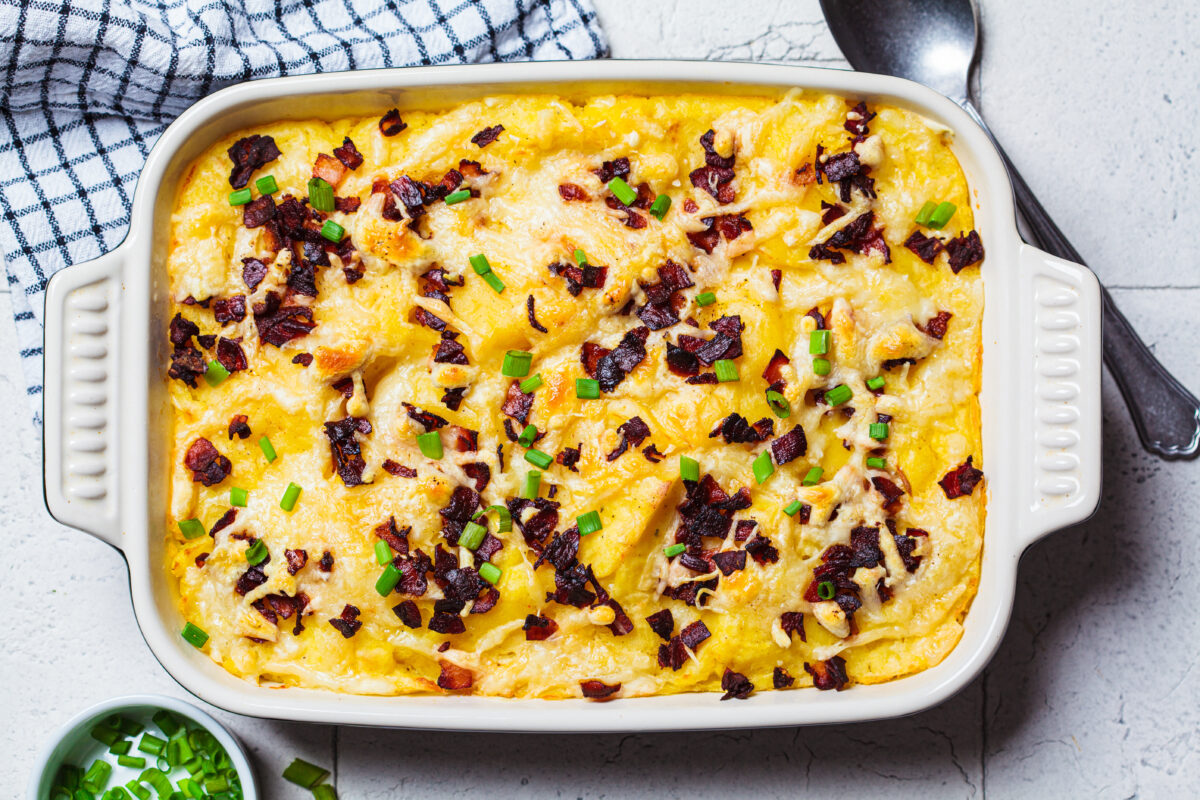
Preparing a successful twice-baked potato casserole requires precise execution across several distinct phases to ensure optimal texture and flavor development. Culinary professionals recommend following a structured timeline to achieve the ideal balance of creamy interiors and crisp, golden-brown toppings.
Phase One: Potato Selection and Baking (Approx. 60 to 75 Minutes)
The foundation of any great potato dish lies in the proper selection and cooking of the tubers. High-starch russet potatoes are universally recommended due to their mealy texture, which mashes into a light, fluffy consistency. Potatoes should be thoroughly washed, pierced with a fork to allow steam to escape, and baked at 400°F until completely tender. Undercooked potatoes will result in undesirable lumps during the mashing process, compromising the velvety texture of the casserole.
Phase Two: Mashing and Emulsification (Approx. 15 Minutes)
Once baked, the potatoes should be handled while still warm to facilitate smooth mashing. The interior flesh is scooped away from the skins—though some cooks prefer leaving the skins on for a rustic texture and added dietary fiber—and combined with softened butter, warm milk, Greek yogurt or sour cream, salt, pepper, and garlic powder. Culinary experts emphasize the importance of gentle mashing using a traditional potato masher or hand mixer operated at low speed. Overworking the starches can transform the mixture into a gluey, undesirable paste.
Phase Three: Layering and Initial Baking (Approx. 30 Minutes)
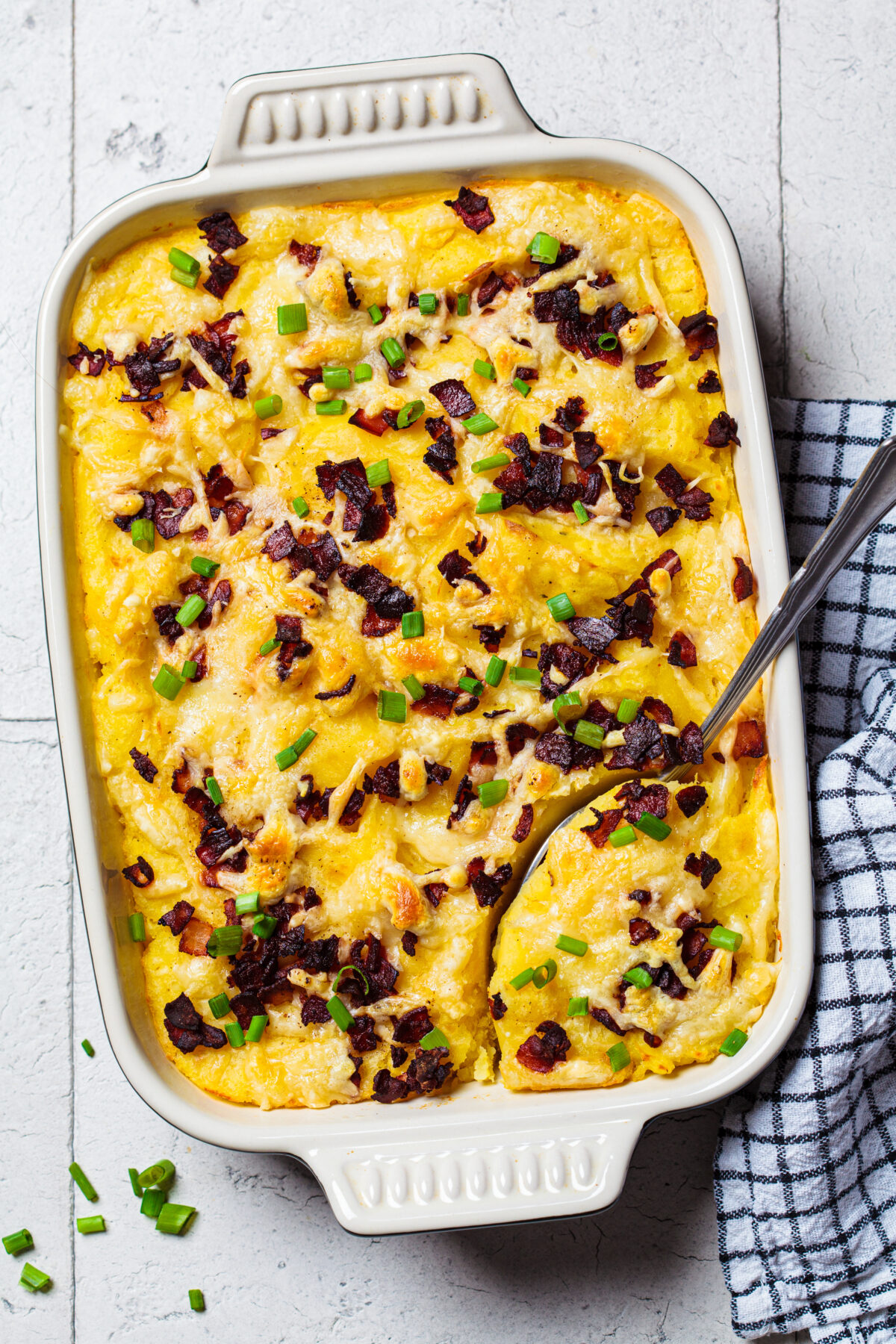
Half of the freshly shredded sharp cheddar cheese and a portion of the crispy bacon bits and fresh green onions are gently folded into the warm potato mixture. The blended potatoes are then transferred into a greased 9×13-inch baking dish, smoothed into an even layer, and topped with the remaining cheese and bacon. The casserole is baked at 350°F until heated thoroughly through and the cheese topping is melted and bubbling. A final brief placement under the broiler can be utilized to achieve an extra-crispy, golden crust.
Expert Tips for Culinary Success
Achieving restaurant-quality results at home often hinges on mastering several key techniques highlighted by professional chefs:
- Shred Your Own Cheese: Pre-packaged shredded cheeses are coated with cellulose and anti-caking agents to prevent clumping, which simultaneously inhibits smooth melting. Grinding blocks of sharp cheddar cheese at home guarantees a superior, velvety melt and a more robust flavor profile.
- Seasoning Adjustments: Potatoes absorb a significant amount of salt. Chefs strongly advise tasting the potato mixture prior to adding raw ingredients or baking to ensure the seasoning is properly balanced.
- Temperature Control: Using warm dairy products (milk and butter) when mashing prevents the potatoes from cooling down too quickly, ensuring a smoother emulsion and a hotter final dish.
Comprehensive Dietary Variations and Customizations
One of the primary advantages of the casserole format is its inherent flexibility, allowing home cooks to adapt the recipe to various dietary preferences, seasonal produce availability, and flavor profiles.
- Broccoli Cheddar Integration: By folding tender, finely chopped steamed broccoli florets directly into the potato mash, cooks can introduce an extra layer of green vegetables, transforming the side dish into a more wholesome, balanced offering reminiscent of classic broccoli-cheddar soup.
- Protein Additions: For households seeking a complete, all-in-one main course rather than a side dish, incorporating diced cooked chicken, ham, or breakfast sausage elevates the casserole into a hearty, protein-dense dinner.
- Southwestern and Spicy Profiles: Introducing chopped pickled jalapeños, green chiles, and a dash of smoked paprika or cayenne pepper converts the traditional flavor profile into a zesty, Southwestern-inspired accompaniment.
- Vegetarian and Gluten-Free Adaptations: Because potatoes, dairy, and standard seasonings are naturally gluten-free, the dish requires minimal adjustment for gluten-sensitive diners, provided that any added bacon or processed ingredients are certified gluten-free. Omitting the bacon entirely and utilizing plant-based butter and dairy alternatives allows the recipe to easily accommodate vegetarian diets.
Make-Ahead Strategies, Freezing, and Storage Protocols
The logistical demands of hosting large dinners or managing busy weeknight schedules make make-ahead capability an essential feature of modern recipes. The twice-baked potato casserole excels in this regard, offering multiple storage and preparation pathways.
Refrigeration and Advance Assembly:
Home cooks can fully assemble the casserole up to 24 hours in advance of baking. The assembled, unbaked dish should be covered tightly with plastic wrap or aluminum foil and stored in the refrigerator. When ready to serve, the casserole should sit at room temperature for approximately 30 minutes before baking to take the chill off, though additional baking time may be required to ensure the center is thoroughly heated.
Freezing Guidelines:
For long-term meal planning, the casserole can be frozen either unbaked or fully baked. For optimal texture, assemble the casserole in a freezer-safe dish, allow it to cool completely if any warm ingredients were used, and wrap it securely in multiple layers of plastic wrap and heavy-duty aluminum foil. Properly stored, the casserole can be frozen for up to two months. Thawing should occur overnight in the refrigerator to preserve the structural integrity of the potato starches. Reheating from a thawed state at 350°F, covered loosely with foil for the first portion of the baking time, prevents the top from burning while ensuring the interior reaches a safe and appetizing serving temperature.
Broader Culinary Implications and Cultural Significance
The enduring popularity of comfort food classics like the twice-baked potato casserole reflects broader sociological and cultural trends in contemporary home economics. As daily life becomes increasingly fast-paced, the family dinner table remains a vital space for connection, tradition, and comfort. Recipes that bridge the gap between traditional gourmet flavors and modern time constraints are invaluable cultural artifacts of how society adapts its culinary traditions to fit contemporary demands.
Furthermore, the rise of digital food media and recipe-sharing platforms has accelerated the distribution and refinement of such dishes. Home cooks constantly exchange feedback, resulting in optimized recipes that minimize kitchen friction while maximizing crowd appeal. The twice-baked potato casserole stands as a testament to this collaborative culinary innovation, proving that time-honored comfort foods can be successfully re-engineered to meet the practical needs of modern households without sacrificing an ounce of flavor, richness, or tradition.
Related posts: