Cross-Country Cycling Odyssey Concludes as Pat McAleer Pedals Over 5,000 Miles to Raise More Than $250,000 for Type 1 Diabetes Research

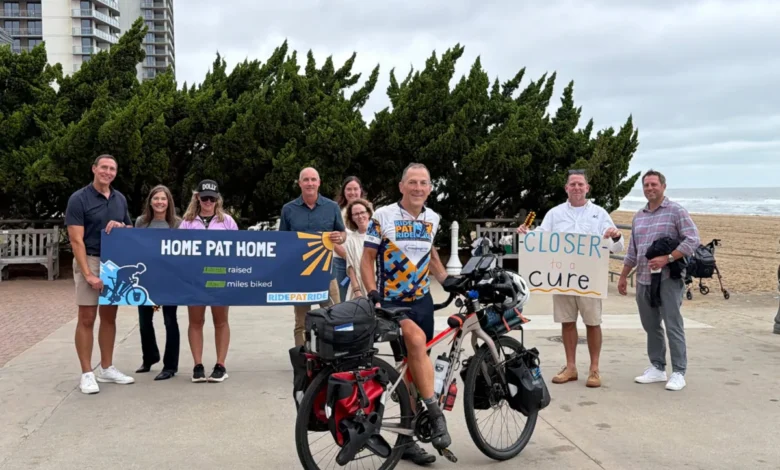
The expansive landscapes of the American continent have witnessed countless endurance feats over the centuries, but few are undertaken with the singular focus of defeating a chronic medical condition that affects millions of families worldwide. On a brisk Sunday morning in October, endurance cyclist Pat McAleer rolled his tires to a definitive stop at the historic Cavalier Hotel in Virginia Beach, Virginia. His arrival marked the conclusion of a monumental, three-month cross-country expedition dubbed Ride Pat Ride. Traversing more than 5,000 miles from the rugged Pacific coastline to the Atlantic shore, McAleer’s journey was not merely a test of physical stamina and mental fortitude; it was a high-profile fundraising campaign that ultimately surpassed its ambitious financial targets, generating over $250,000 to benefit Breakthrough T1D, a leading global organization dedicated to type 1 diabetes (T1D) research and advocacy.
The Genesis of the Journey: Dipping Tires in the Pacific
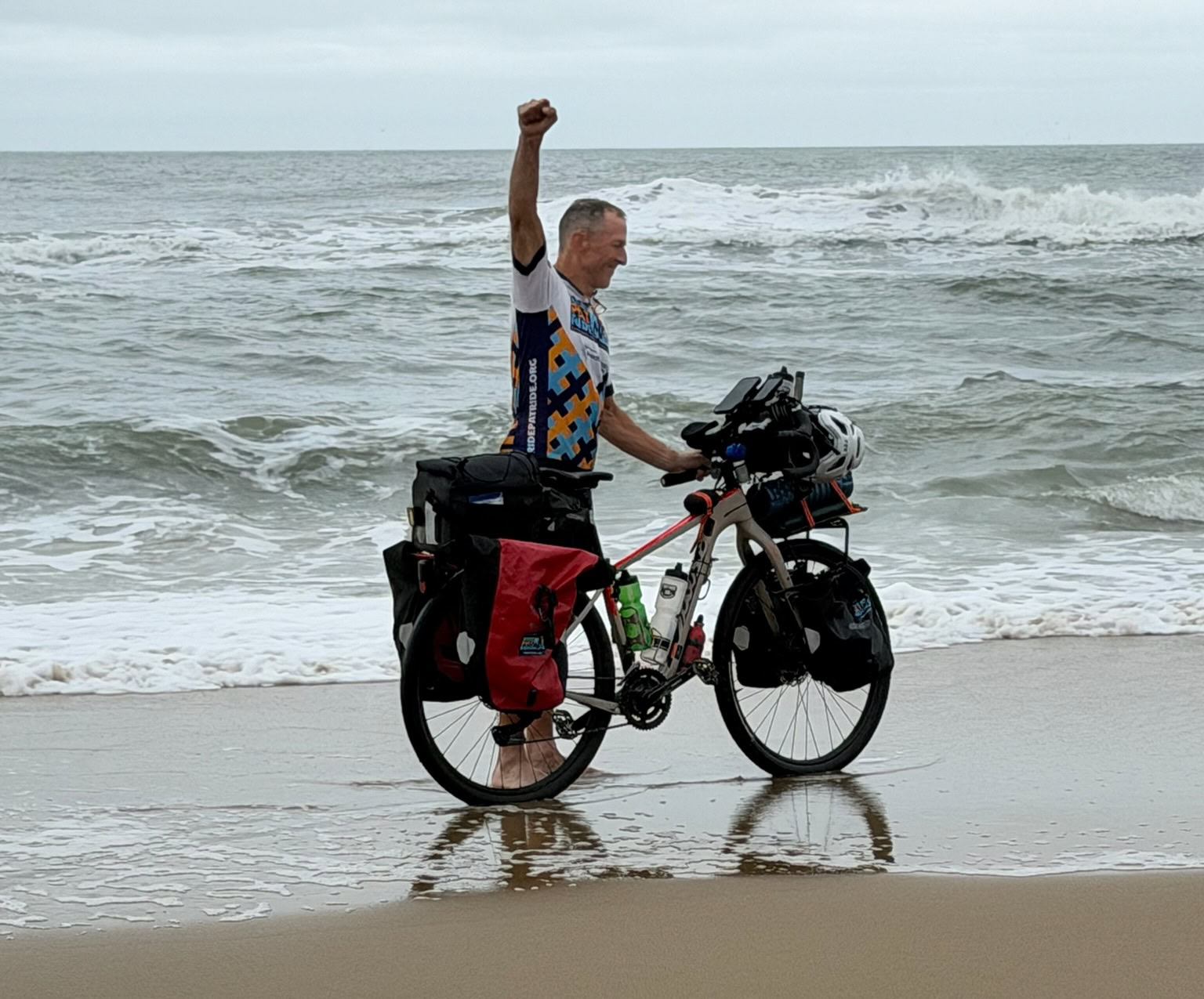
The monumental undertaking officially commenced on July 15, when McAleer flew from his home base in Richmond, Virginia, to Seattle, Washington. From there, he traveled to the remote coastal community of La Push, Washington, where he ceremonially dipped the tires of his touring bicycle into the chilly waters of the Pacific Ocean. This symbolic gesture initiated a grueling, self-supported 5,000-mile itinerary designed to connect America’s two great coastlines while drawing national attention to the daily struggles faced by individuals living with type 1 diabetes.
Type 1 diabetes is an autoimmune condition in which the body’s immune system destroys the insulin-producing beta cells of the pancreas. Individuals diagnosed with T1D require lifelong insulin therapy—delivered via multiple daily injections or an automated insulin pump—along with constant blood glucose monitoring to survive. Despite advancements in medical technology, a cure remains elusive, making grassroots fundraising initiatives like Ride Pat Ride critical for accelerating clinical trials and translating laboratory breakthroughs into tangible therapeutic options.
A Transcontinental Chronology: From the Great Plains to the Empire State
McAleer’s route was meticulously planned to showcase the vast geographic diversity of the United States while engaging with local communities, supporters, and fellow advocates. Following his departure from the Pacific Northwest, his itinerary took him across the undulating terrain of the Rocky Mountains and into the sweeping expanses of the Great Plains. Fall updates from the road highlighted his passage through North Dakota, where headwinds and changing weather patterns tested his endurance on long stretches of rural highway.
By late summer, the route shifted eastward. McAleer transitioned onto the historic Empire State Trail, cycling from Buffalo to New York City. This leg of the journey was marked by a significant influx of camaraderie; as he approached the nation’s largest metropolis in late September, McAleer was accompanied by a peloton of 19 friends and fellow cyclists who had ridden with him all the way from western New York.
The New York City Interlude: Media Appearances and Institutional Support
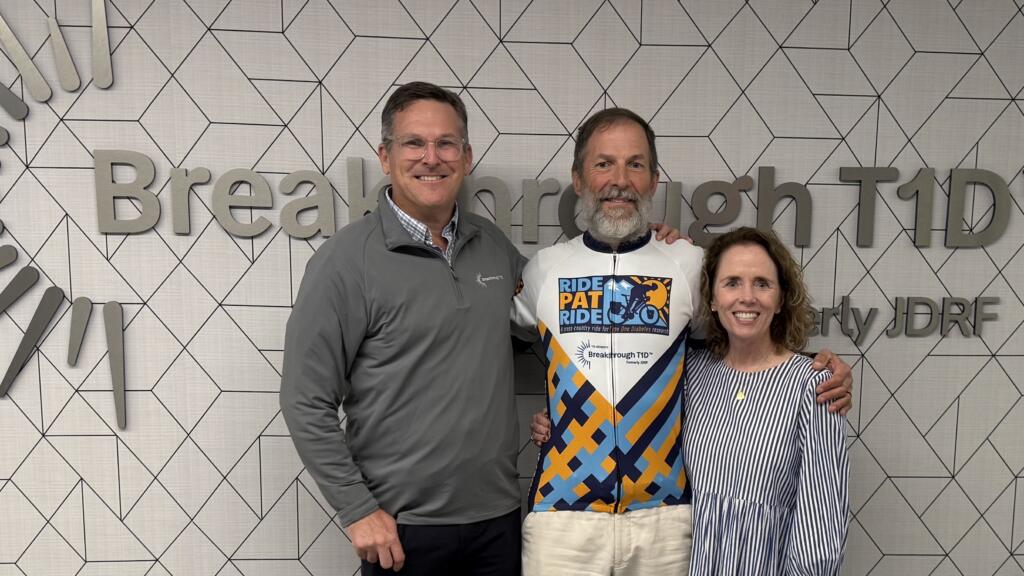
Arriving in New York City offered both a logistical milestone and a psychological boost. On Tuesday, September 29, McAleer and his wife, Molly, made a high-profile early morning appearance on the Today show, bringing national television exposure to the realities of T1D and the mission of Breakthrough T1D. Following the broadcast, the couple traveled to Lower Manhattan for a pivotal lunchtime meeting at the organization’s national headquarters with Chief Executive Officer Aaron J. Kowalski, Ph.D.
The encounter proved to be a critical turning point in the final phase of the expedition. Reflecting on the meeting, McAleer noted that the conversation served as an essential psychological recharge. Engaging directly with the executive leadership of the organization he was supporting reinforced his sense of purpose as he prepared for the final two weeks on the road, helping him maintain focus on both his physical trajectory and his escalating fundraising tallies.
Navigating the Final Stretch: Coastal Storms and Homecoming
Leaving Manhattan behind, McAleer crossed the Hudson River via the Staten Island Ferry, navigating the dense traffic corridors of New Jersey, Pennsylvania, Maryland, and Washington, D.C. Just south of the nation’s capital, he paused in Fairfax, Virginia, for a brief two-day respite at his mother’s home, catching up with family and local friends before pressing onward.
The final segments of the ride brought McAleer through Fredericksburg—visiting his alma mater, the University of Mary Washington—and finally into Richmond for a brief night of rest in his own bed. However, the final push to the coast was complicated by external weather factors. With a coastal hurricane tracking northward up the Atlantic seaboard, McAleer made the tactical decision to forego his camping gear in favor of hotel accommodations, mitigating the risks posed by high winds, falling tree limbs, and hazardous road conditions.
On Sunday, October 11, McAleer mounted his bicycle for the final time, completing the short stretch to the finish line at the Cavalier Hotel in Virginia Beach. The culmination of the journey brought an overwhelming sense of accomplishment, completed entirely without major mechanical or physical hiccups. Notably, just 24 hours prior to crossing the finish line, campaign tracking portals confirmed that total donations had surpassed the $250,000 threshold, perfectly synchronizing the financial milestone with the physical completion of the ride. The physical toll was immediate; upon arriving, McAleer slept for eleven consecutive hours, followed by three distinct daytime naps—an uncharacteristic sleep pattern for an athlete accustomed to rigorous daily routines.
Top Takeaways and Reflections from the Road
Reviewing the three-month odyssey, McAleer distilled his cross-country experience into three primary philosophical and practical takeaways. The first centered on the boundless nature of human determination. Acknowledging that setting a $250,000 fundraising goal initially felt like an aggressive stretch, achieving and exceeding that target prompted him to reconsider the limits of what dedicated grassroots campaigns can accomplish.
The second takeaway focused on human connection. Throughout the journey—whether encountering strangers on remote stretches of Montana highway or receiving waves on neighborhood streets near his home in Richmond—McAleer was struck by the overwhelming hospitality and unsolicited kindness of everyday Americans. People frequently stopped to inquire if he needed assistance, water, or mechanical support. This pervasive goodwill prompted a period of internal reflection regarding how often he extends similar kindness to others in his daily life.
The final takeaway addressed the reality of unexpected adversity. McAleer observed that the most memorable and character-building moments of a transcontinental journey are rarely the ones that go according to plan. Citing an incident just six miles into the trip where a stray stick ripped the derailleur completely off his bicycle, he noted that facing unforeseen logistical curveballs provides the true test of an individual’s resilience and problem-solving capacity.
Broader Impact and the Breakthrough T1D Community
McAleer’s cross-country tour was executed under the banner of Breakthrough T1D Your Way, a do-it-yourself (DIY) fundraising platform that empowers supporters to design customized campaigns while providing institutional backing, digital infrastructure, and administrative support. The success of Ride Pat Ride underscores the growing viability of individual-led fundraising in driving substantial financial support for medical research.
For those inspired by McAleer’s transcontinental journey but lacking the time commitment required for a three-month expedition, Breakthrough T1D offers alternative engagement avenues. The organization hosts annual organized cycling events—known as Breakthrough T1D Ride—spanning multiple scenic destinations across the United States, alongside virtual participation options via My Ride. These initiatives ensure that athletes of all skill levels can contribute to the ongoing quest for artificial pancreas technology, beta cell restoration, and ultimately, a permanent cure for type 1 diabetes.