FDA Approves Abbott Libre Duo 10 Day: A Revolutionary Step Forward in Diabetes Care and DKA Prevention

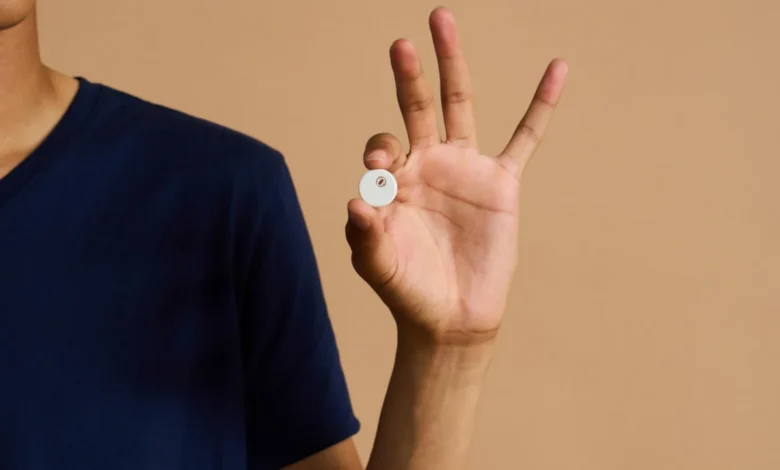
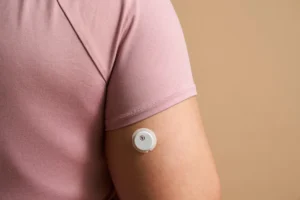
The landscape of diabetes management underwent a profound transformation with the announcement that the United States Food and Drug Administration (FDA) has granted formal approval for Abbott’s Libre Duo 10 Day. This medical device represents a historic milestone as the world’s first dual-sensing continuous technology capable of simultaneously tracking both blood glucose and ketone levels within a single wearable unit. Designed for individuals with diabetes aged two years and older, the approval brings a long-awaited tool to the American healthcare market, following its successful introduction and regulatory clearance in Europe earlier this year.
For decades, the standard management of diabetes—particularly type 1 diabetes (T1D)—has relied heavily on isolated continuous glucose monitors (CGMs) alongside separate, often cumbersome methods for testing ketones. By merging these two critical parameters into a singular, cohesive wearable system lasting up to 10 days, the Libre Duo 10 Day eliminates the friction associated with traditional ketone testing. Healthcare professionals, patient advocacy groups, and individuals living with diabetes have hailed the decision as a watershed moment in preventative endocrinology, offering a proactive defense against one of the most severe acute complications associated with the condition: diabetic ketoacidosis (DKA).
Understanding the Peril of Diabetic Ketoacidosis
Diabetic ketoacidosis is a serious, potentially life-threatening metabolic emergency that occurs when the body experiences a severe deficit of insulin. Without sufficient insulin, glucose—the body’s primary energy source—cannot enter cells to be utilized for fuel. To compensate, the body initiates an alternative metabolic pathway, breaking down stored fats at an accelerated rate. This process releases acidic byproducts known as ketones into the bloodstream.
When ketone levels accumulate unchecked, the blood becomes dangerously acidic, a state that triggers profound physiological distress. The onset of DKA can be alarmingly rapid, frequently materializing over the course of a few hours. Early clinical manifestations often include persistent nausea, vomiting, lethargy, and diffuse abdominal pain. Because these symptoms frequently mimic common gastrointestinal illnesses such as food poisoning or viral gastroenteritis, they can easily be misdiagnosed by patients and caregivers, delaying critical medical intervention.
Advanced cases of DKA require intensive inpatient hospital care, intravenous fluid resuscitation, continuous insulin infusions, and rigorous electrolyte management. Despite modern advancements in diabetes therapeutics, DKA remains a persistent danger, disproportionately affecting individuals with type 1 diabetes and contributing significantly to emergency department admissions and healthcare expenditures.
The Compliance Gap in Traditional Ketone Monitoring
Despite the well-documented dangers of DKA, public health surveys and clinical studies reveal a startling disconnect between clinical risk and everyday patient behavior regarding ketone surveillance. Historically, checking for ketones required separate urine test strips or specialized blood meter strips, both of which demanded active, deliberate intervention from the patient during moments of physical illness or high stress.
Comprehensive data highlighted in recent clinical literature exposes a troubling compliance gap within the patient population:
- Approximately 32 percent of surveyed individuals with type 1 diabetes reported having zero ketone testing supplies stored at their homes.
- Roughly 50 percent admitted to never or only rarely checking their ketone levels, even when experiencing classic risk factors.
- Most concerningly, 38 percent of respondents stated they never checked their ketones during episodes of acute nausea or vomiting—precisely the physiological windows when DKA risk is highest.
Medical experts attribute these statistics not to patient negligence, but rather to the logistical burdens of traditional testing. The necessity of maintaining separate kits, interpreting color-chart urine strips, or enduring additional finger-sticks while already feeling ill creates high friction. By integrating continuous ketone tracking directly into the primary glucose-sensing apparatus, the Libre Duo 10 Day removes these procedural barriers, fundamentally shifting the paradigm from reactive management to passive, continuous prevention.
Chronology of Regulatory Progress and Device Integration
The journey toward continuous ketone monitoring (CKM) is the culmination of years of targeted research, technological development, and persistent advocacy by the global diabetes community. Organizations such as Breakthrough T1D (formerly JDRF) have invested millions of dollars into funding clinical studies and technological innovations designed to bring continuous ketone sensing from theoretical concept to clinical reality.
The timeline of this innovation accelerated significantly over the past twelve months:
- Early 2024: Following extensive clinical validation trials, Abbott secures initial regulatory authorization for the dual-sensing technology in Europe, establishing a real-world safety profile.
- Mid-2024: International consensus guidelines for the clinical implementation of continuous ketone monitoring are published in The Lancet Diabetes & Endocrinology, spearheaded by expert panels and advocacy groups to provide physicians with clear protocols for CKM integration.
- August 2026: The U.S. Food and Drug Administration officially approves the Abbott Libre Duo 10 Day for patients aged two and older in the United States.
- Late 2026 (Projected): The technology is scheduled to begin cross-platform integration with prominent automated insulin delivery (AID) systems, including Beta Bionics’ iLet and Sequel Med Tech’s twiist.
- 2027 (Projected): Further device interoperability is slated to expand through integrations with Insulet and Tandem Devices, alongside an exclusive integration with MiniMed smart dosing systems.
This robust roadmap for device ecosystem compatibility ensures that patients will not be forced to choose between automated insulin delivery optimization and continuous ketone monitoring. Instead, the technology is engineered to function fluidly within the digital frameworks many patients already utilize to manage their condition daily.
Industry Statements and Expert Perspectives
The medical and scientific communities have responded to the FDA’s decision with widespread enthusiasm, emphasizing the profound humanitarian and economic implications of the approval.
Leading endocrinologists and clinical researchers note that the ability to monitor ketone trends—rather than merely capturing isolated spot-checks—provides clinicians and patients with a predictive window of safety. While traditional meters offer a static snapshot of ketone levels at a single moment in time, continuous sensing algorithms can detect rising trajectories, alerting the user to metabolic instability long before clinical DKA manifests.
Furthermore, advocacy organizations have underscored the importance of this technology in the context of modern pharmacotherapy. The use of adjunctive therapies such as SGLT2 inhibitors in type 1 diabetes management, while beneficial for glycemic and renal protection, is known to carry an elevated risk of euglycemic DKA—a dangerous condition where DKA occurs despite normal or near-normal blood glucose levels. The availability of continuous ketone monitoring provides an essential safety net for patients utilizing these advanced medication regimens.
Broader Implications and Future Outlook
The introduction of the Libre Duo 10 Day is poised to reshape clinical protocols and patient empowerment models alike. By embedding metabolic safety tracking into a routine 10-day wearable format, the technology bridges a critical vulnerability in modern diabetes care.
Public health analysts project that widespread adoption of continuous ketone sensing could substantially reduce the incidence of preventable emergency room visits and hospitalizations attributable to DKA, translating to significant relief for healthcare systems and reduced trauma for patients and their families.
As Abbott prepares for the commercial rollout of the Libre Duo 10 Day across the United States, attention is turning toward issues of reimbursement and healthcare equity. Patient advocacy coalitions, including Breakthrough T1D, have signaled their intent to campaign vigorously for broad, equitable insurance coverage. Ensuring that this life-saving technology is accessible to all socioeconomic brackets remains the next major frontier in the ongoing effort to minimize the burden of type 1 diabetes worldwide.
Related posts: