Mastering the Autumn Table: How Pumpkin Ravioli with Brown Butter Sauce Became the Season’s Definitive Weeknight Gourmet Trend

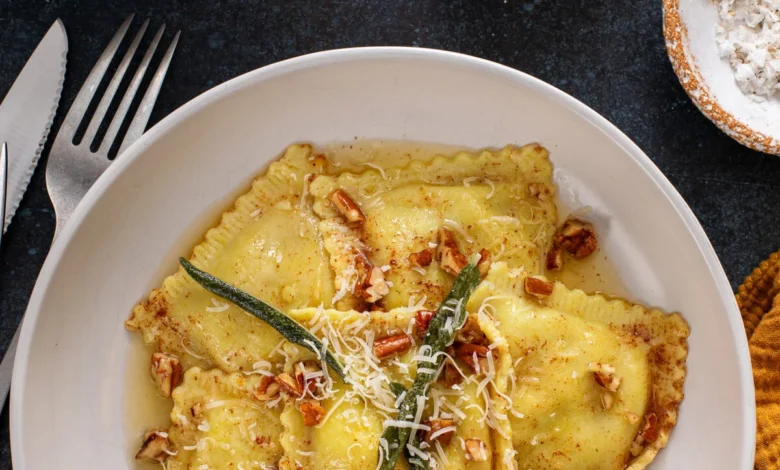
As autumn descends and consumer preferences shift toward warm, comforting culinary profiles, home cooks and culinary professionals alike are continually seeking recipes that bridge the gap between elevated dining and weekday practicality. Enter the seasonal favorite: Pumpkin Ravioli with Brown Butter Sauce, accented by fresh sage, toasted pecans, and sharp Parmesan cheese. This dish has emerged as a quintessential standard for autumn meal planning, capturing the modern consumer’s demand for high-impact flavors requiring minimal preparation time.
Culinary background data indicates a significant surge in autumn squash and pumpkin product sales across major national grocery retailers beginning in early September and peaking through November. Driven largely by the accessibility of high-quality refrigerated pastas, home cooks are increasingly abandoning complex, multi-step from-scratch meals in favor of gourmet shortcuts. By utilizing commercially prepared pumpkin ravioli as a base, home kitchens can replicate restaurant-quality dining experiences in approximately twenty minutes—a crucial metric for time-pressed families navigating busy weeknight schedules.
The Anatomy of Brown Butter: Culinary Chemistry and Technique
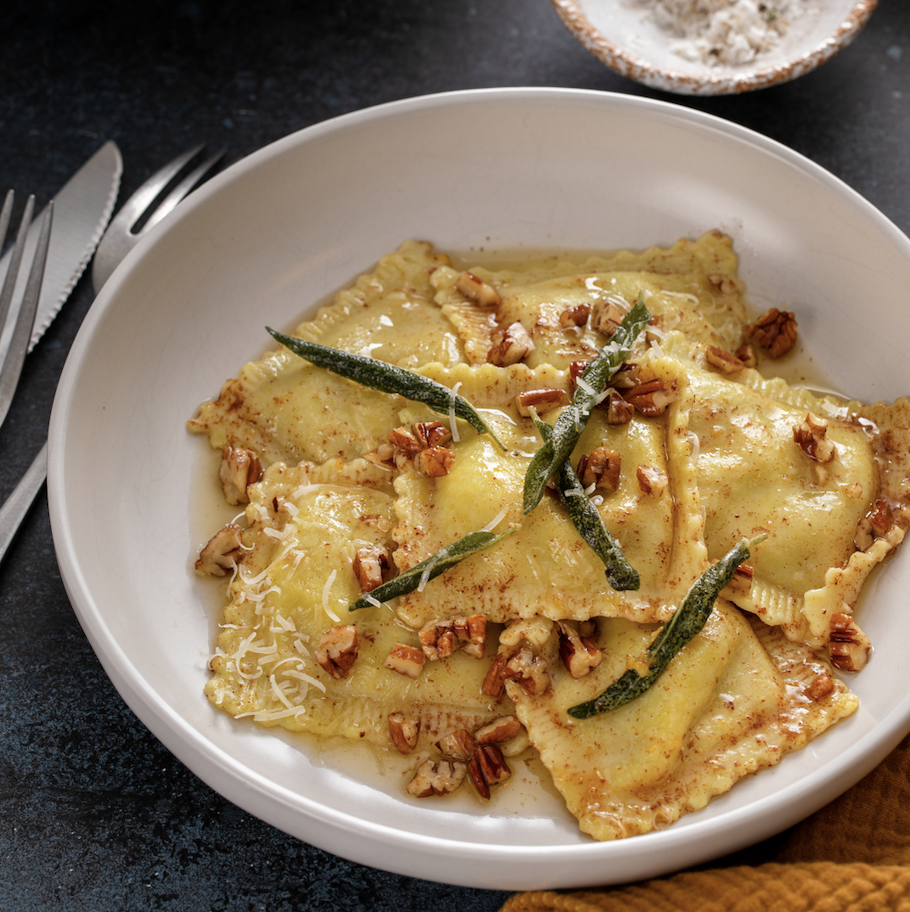
At the center of this culinary trend is a traditional French culinary technique that has experienced a modern renaissance: brown butter, or beurre noisette. Food science experts explain that brown butter is fundamentally distinct from standard melted butter. When butter is heated, its water content evaporates, allowing the milk solids to separate and drop to the bottom of the pan. As these solids caramelize, they undergo the Maillard reaction, producing a complex, nutty, and subtly sweet flavor profile.
According to professional chefs, the chemical transformation requires precise temperature control. Because milk solids can transition from perfectly toasted to completely burned in a matter of seconds, culinary instructors advise maintaining a medium-low heat and swirling the skillet constantly. Once the mixture emits a distinct, toasted-nut aroma and golden-brown flecks appear at the base of the pan, the process must be halted immediately by removing the pan from the heat source or introducing other ingredients, as residual heat will continue the cooking process.
Historical Context and the Rise of Fall-Themed Comfort Foods
The integration of pumpkin and winter squash into savory pasta dishes traces its roots back to Northern Italy, specifically the region of Lombardy, where traditional tortelli di zucca—pasta filled with pumpkin, amaretti cookie crumbs, and caponata—has been celebrated for centuries. In traditional Italian gastronomy, sweet squash fillings are intentionally contrasted with savory, rich fats like butter and sage, as well as salty aged cheeses.
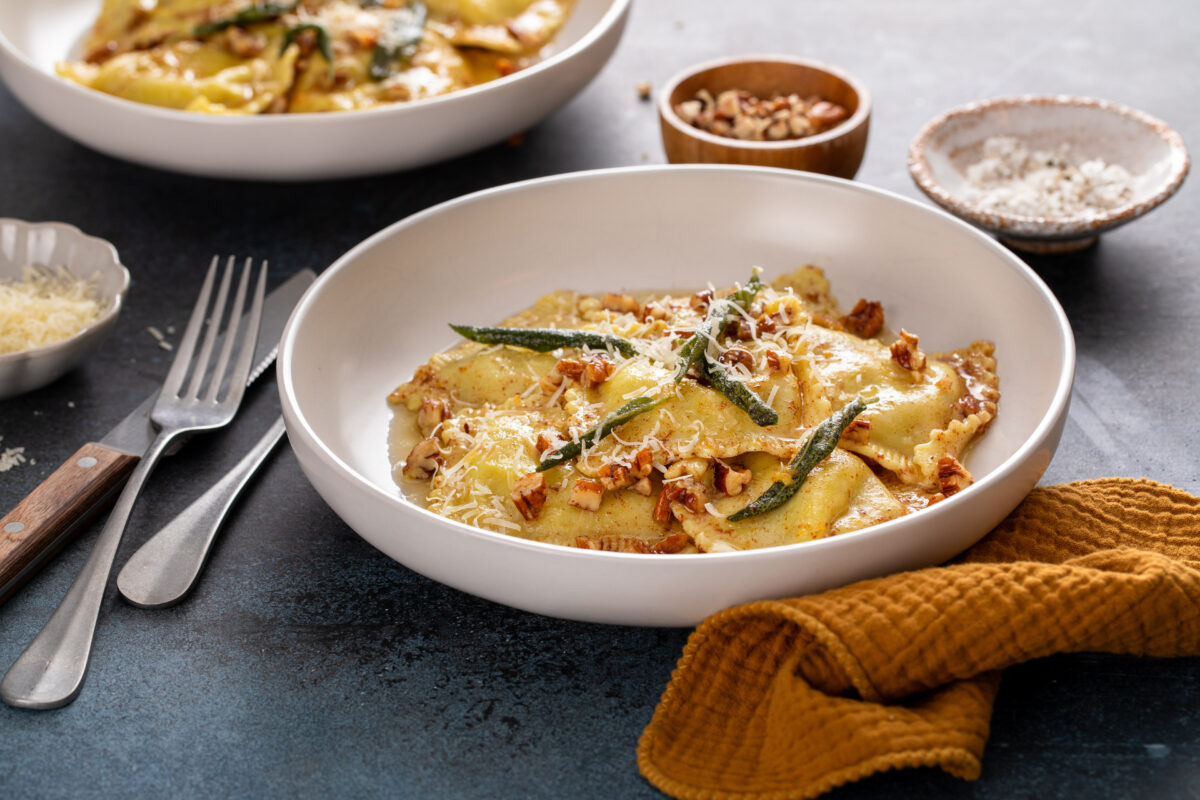
In North America, the adaptation of these flavor profiles has expanded exponentially over the last two decades. Industry analysts note that autumn seasonal food trends have evolved beyond traditional desserts like pumpkin pie into complex savory applications. The combination of sweet pumpkin, earthy sage, and rich brown butter aligns with broader consumer shifts toward seasonal eating and comforting, locally inspired flavor profiles during the colder months.
Nutritional Implications and Family-Friendly Adaptations
From a nutritional standpoint, seasonal winter squashes offer substantial dietary benefits, including high concentrations of beta-carotene, vitamin A, and dietary fiber. However, traditional restaurant preparations often lean heavily on heavy creams and excessive fats. The brown butter and pecan preparation offers a balanced alternative by relying on a modest amount of high-fat dairy and nutrient-dense nuts to carry flavor, thereby reducing the need for heavy, cream-based sauces.
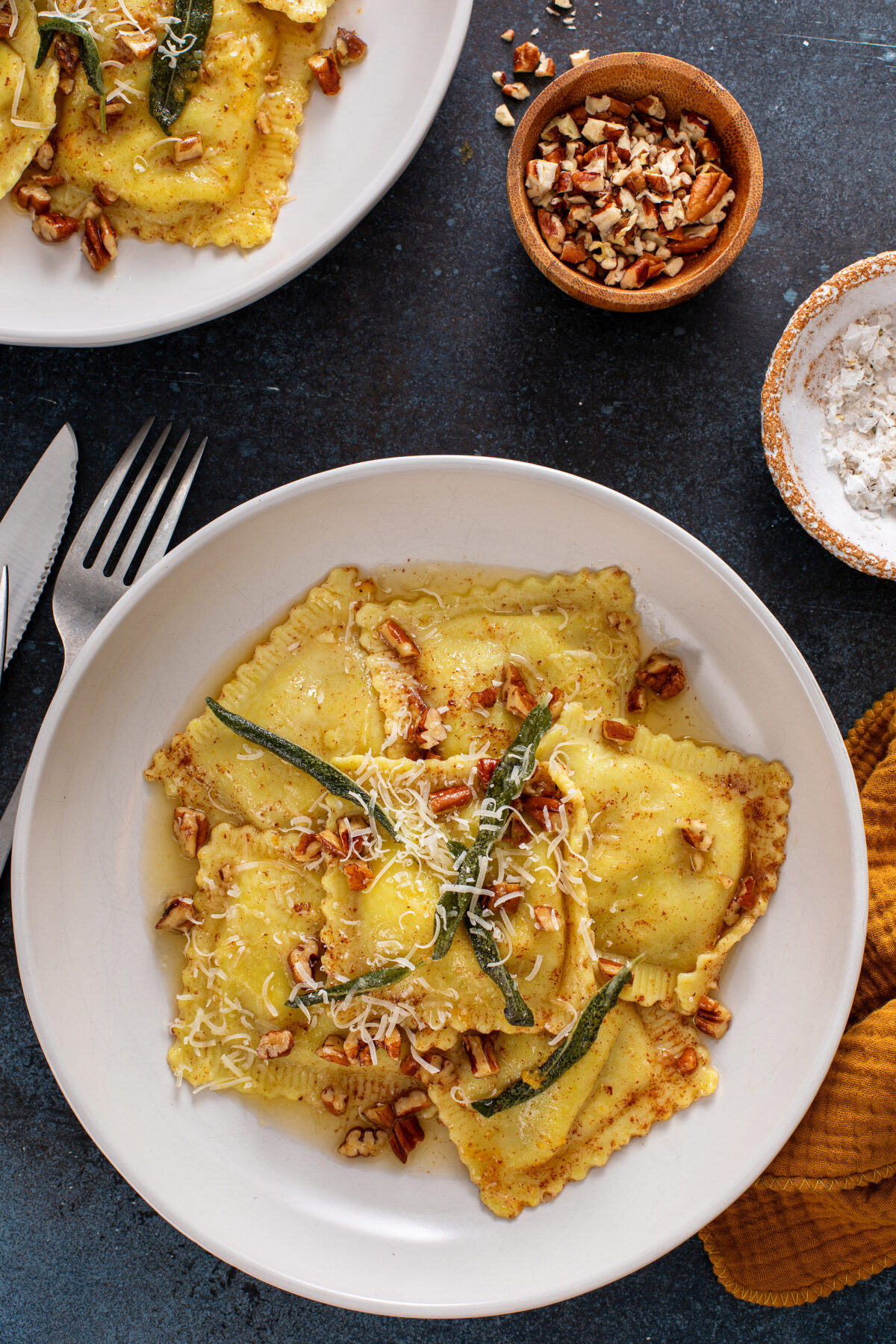
Nutritional dietitians emphasize that dishes featuring naturally sweet vegetable fillings can serve as an effective gateway for children to explore new foods. Pumpkin ravioli, with its mild flavor profile, provides an approachable introduction to winter squash. To accommodate varying household preferences, culinary educators recommend customizing the dish at the table—such as serving toasted pecans and crispy sage separately—to reduce food hesitancy among younger diners while maintaining an elevated dining experience for adults.
Economic and Market Analysis of Seasonal Convenience Foods
The commercial success of refrigerated specialty pastas reflects broader economic trends in grocery retail. Market research firms report a steady upward trajectory in sales of premium refrigerated prepared foods, as consumers increasingly prioritize convenience without sacrificing gastronomic quality.
Data from major food distribution networks show that specialty pasta categories experience a 35% to 40% volume increase during the autumn and winter holiday quarters. Retailers have responded by expanding their seasonal product lines, offering diverse ravioli fillings ranging from butternut squash and gorgonzola to sweet potato and sage. This market shift demonstrates that modern consumers are willing to invest modestly in premium convenience items—such as artisan-style refrigerated pasta—to achieve scratch-made results with minimal labor.
Expert Recommendations for Execution and Customization
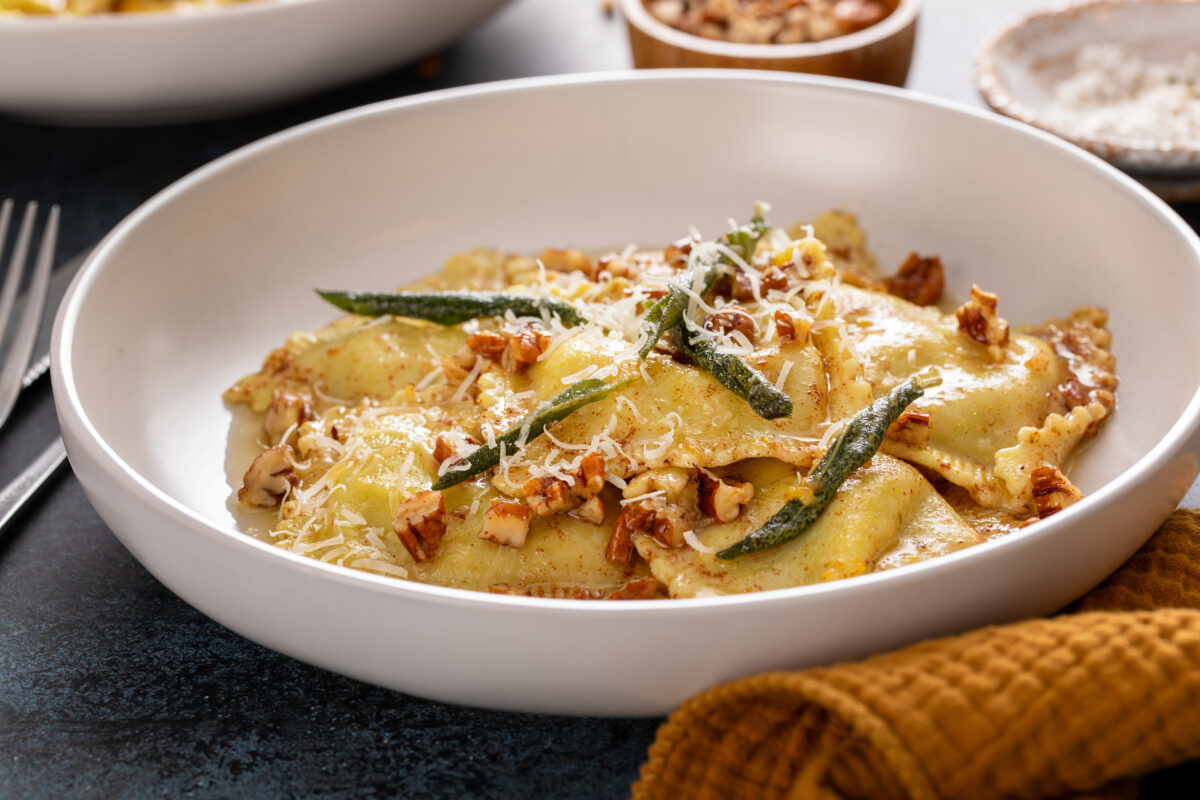
To ensure optimal culinary results, professional kitchen standards outline several critical execution steps for preparing pumpkin ravioli with brown butter sauce:
- Pasta Management: Filled pasta is structurally delicate. Chefs recommend cooking ravioli in gently simmering water rather than a rolling boil to prevent the casings from rupturing and releasing the filling.
- The Starchy Water Reserve: Retaining a small quantity of pasta cooking water before draining is essential. The starch helps emulsify the brown butter, creating a cohesive sauce that coats the pasta uniformly rather than pooling at the bottom of the dish.
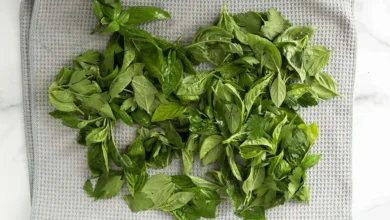
- Ingredient Integrity: Utilizing fresh sage leaves allows them to crisp cleanly in the hot butter, imparting an herbal depth without the medicinal qualities sometimes associated with dried alternatives. Similarly, freshly grated Parmesan cheese ensures proper melting and seamless integration into the sauce.
- Protein and Vegetable Integration: For households seeking a more robust nutritional profile, culinary experts suggest incorporating wilted baby spinach directly into the butter sauce, or pairing the dish with lean proteins such as sliced grilled chicken, turkey sausage, or roasted chickpeas.
Broader Industry Outlook
As consumer lifestyles remain fast-paced, the demand for accessible gourmet recipes is expected to grow. The enduring popularity of dishes like Pumpkin Ravioli with Brown Butter Sauce underscores a permanent shift in home cooking: the successful fusion of traditional culinary techniques with modern convenience products. By demystifying professional cooking methods—such as the creation of beurre noisette—home cooks are able to produce sophisticated, restaurant-caliber meals efficiently, reinforcing the value of simple, high-quality ingredients in contemporary home economics.