A Harmonious Blend of Sweet, Tangy, and Savory: Unveiling the Secrets to a Perfect Homemade Sweet and Sour Chicken

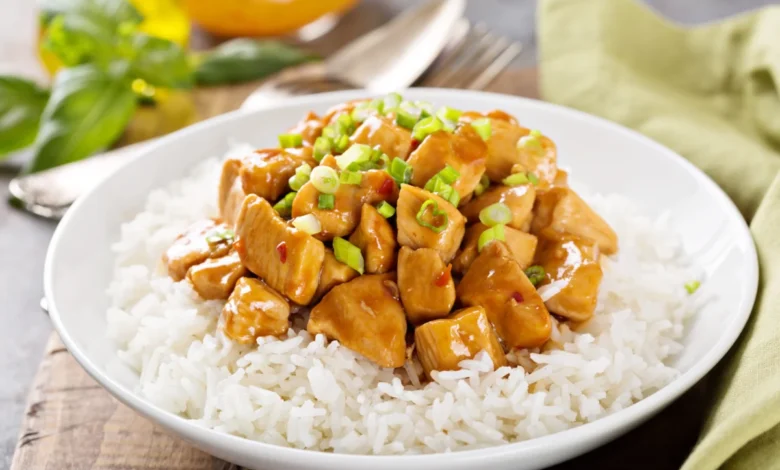
This sweet and sour chicken is crispy, saucy, colorful, and full of family-friendly flavor. It makes a great weeknight dinner because it comes together quickly, and tastes like something special! The culinary world has long celebrated the delicate balance of flavors found in Asian cuisine, and among its most beloved dishes is the universally appealing sweet and sour chicken. Often associated with takeout menus and bustling restaurant kitchens, this vibrant dish can, in fact, be recreated with remarkable ease and delicious results in the comfort of one’s own home. The appeal lies not only in its crowd-pleasing taste profile but also in its adaptability, making it a prime candidate for a quick yet satisfying weeknight meal that feels both familiar and elevated.
The Allure of Homemade Sweet and Sour Chicken
At its core, this homemade rendition of sweet and sour chicken offers a compelling alternative to its restaurant counterparts. It successfully captures the essence of takeout – that signature sweet, tangy, and savory symphony – while empowering home cooks with control over ingredients and preparation. The sauce, a critical component, is meticulously crafted to achieve an ideal equilibrium, a testament to the nuanced flavor profiles that define classic Asian cooking. A subtle warmth, often imparted by a judicious amount of red pepper flakes, adds another layer of complexity. This heat is intentionally designed to be adjustable, catering to a wide range of palates, from the most sensitive young eaters to those who appreciate a more pronounced spicy kick. This thoughtful consideration for diverse preferences underscores the dish’s inherent family-friendliness, ensuring that mealtime can be an inclusive and enjoyable experience for all.
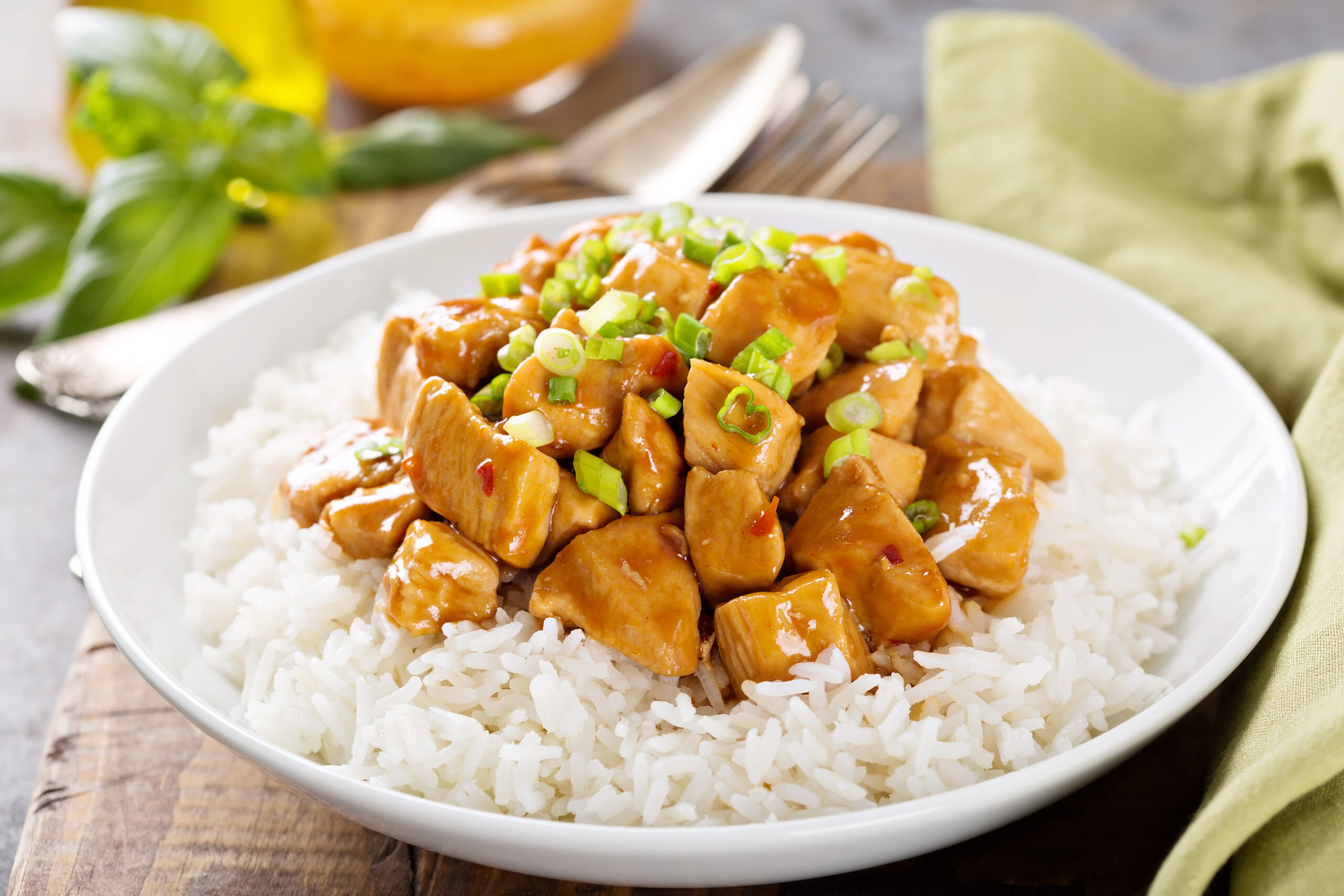
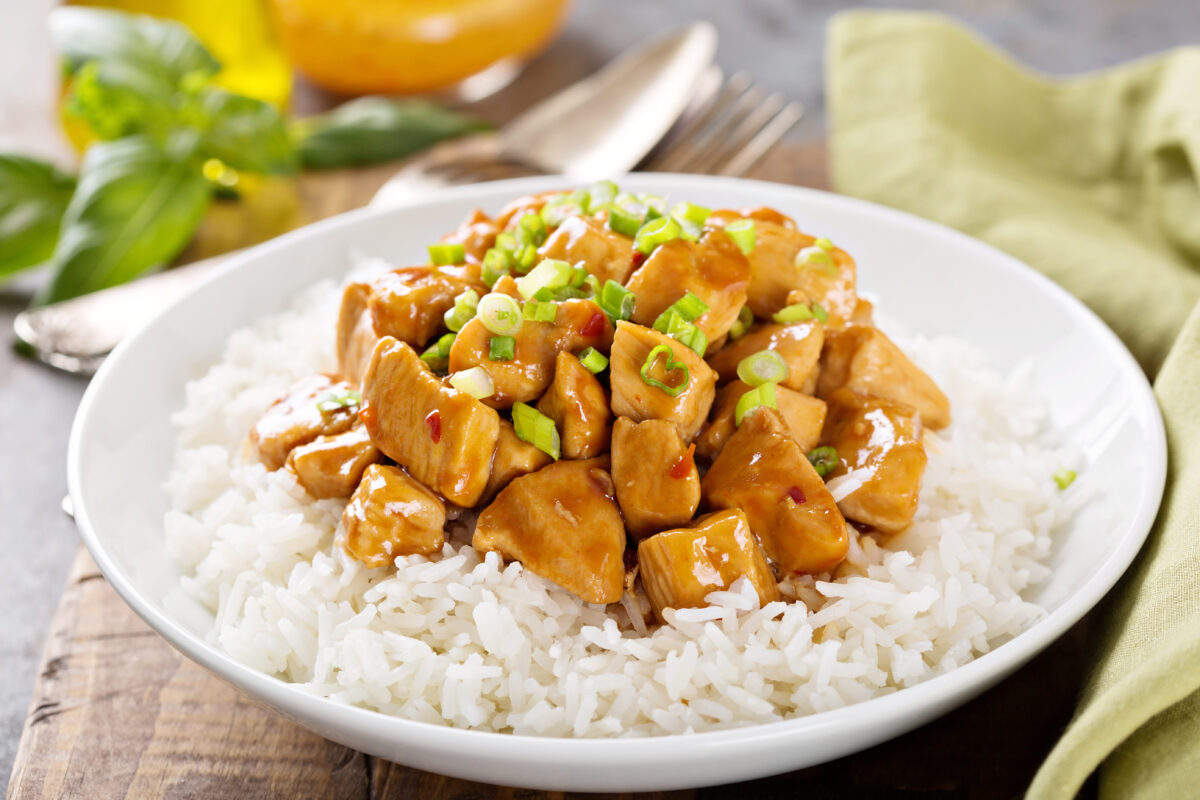
The visual appeal of sweet and sour chicken is as integral to its charm as its taste. The vibrant hues of the bell peppers, often a key ingredient, intermingle with the golden-brown crispness of the chicken, creating a dish that is as pleasing to the eye as it is to the palate. This visual richness further enhances the dining experience, transforming a simple meal into a celebratory affair.
Mastering the Art: Essential Tips for Culinary Success
Achieving the perfect sweet and sour chicken involves more than just following a recipe; it requires an understanding of key techniques that elevate the dish from good to exceptional. Several critical pointers can guide even novice cooks towards a restaurant-quality outcome.
The Crucial Step: Avoiding the Crowded Pan
One of the most fundamental principles in achieving perfectly crispy chicken lies in the adage, "Don’t crowd the pan." This culinary guideline is paramount when searing or frying any protein. When chicken pieces are packed too tightly into a skillet, they are more likely to steam rather than brown. Steaming results in a softer, less appealing texture, and it significantly diminishes the development of those desirable Maillard reactions that contribute to rich flavor and color. By cooking the chicken in batches, ensuring adequate space between each piece, the heat can circulate effectively, promoting even browning and a satisfying crunch. This methodical approach, while requiring a slight extension of the cooking time, yields a far superior texture and depth of flavor that is well worth the effort.
Tailoring the Heat: A Symphony of Spice Levels
The inclusion of red pepper flakes in sweet and sour chicken is a nuanced choice, offering a gentle warmth that can be easily managed. For households with young children or individuals who are particularly sensitive to spice, these flakes can be used sparingly or omitted entirely. The beauty of a homemade dish lies in its inherent flexibility. This recipe embraces that philosophy by allowing for easy adjustments. For those who crave a more robust heat, there are ample opportunities to increase the spice quotient. This can be achieved by adding extra red pepper flakes during the cooking process or by incorporating other spicy elements such as sriracha, chili garlic sauce, or even thinly sliced jalapeños. The ability to customize the spice level ensures that the dish remains universally appealing, catering to a spectrum of individual preferences.
The Secret Ingredient: Pineapple Juice for Tangy Sweetness
A cornerstone of authentic sweet and sour flavor often comes from unexpected sources, and in this recipe, pineapple juice plays a starring role. This tropical elixir contributes not only a natural sweetness but also a bright, tangy counterpoint that is essential to the characteristic taste of sweet and sour. Its inherent acidity helps to cut through the richness of the chicken and the sweetness of the sauce, creating a more complex and balanced flavor profile. In instances where pineapple juice may not be readily available, orange juice can serve as a suitable substitute, offering a similar citrusy sweetness, though with a slightly different aromatic profile. The careful selection and incorporation of such ingredients underscore the thoughtful construction of this dish.
Achieving Glossy Perfection: The Magic of a Cornstarch Slurry
The hallmark of a truly successful sweet and sour sauce is its lustrous, glossy finish that elegantly coats each piece of chicken. This desirable texture is achieved through the strategic use of a cornstarch slurry. When combined with liquid and heated, cornstarch acts as a thickening agent, transforming a thin sauce into a rich, viscous glaze. To ensure optimal results, the cornstarch slurry should be allowed to simmer for a minute or two after being added to the sauce. This brief cooking period allows the cornstarch to fully activate and thicken, resulting in a sauce that is both visually appealing and perfectly textured. The shimmering appearance of a well-made sauce is a testament to the precise application of this culinary technique.
The Pinnacle of Freshness: Serve it Right Away
In the realm of culinary arts, timing is often everything, and sweet and sour chicken is a prime example of a dish that truly shines when served immediately after preparation. The crispy exterior of the chicken, a result of careful frying, is at its most delightful when freshly cooked. Similarly, the glossy sauce is at its most vibrant and appealing when still warm and beautifully coating the chicken. Allowing the dish to sit for extended periods can lead to a softening of the chicken’s crispness and a dulling of the sauce’s sheen. Therefore, for the ultimate dining experience, it is highly recommended to serve this sweet and sour chicken as soon as it is ready, allowing diners to savor every element in its optimal state.
Embracing Culinary Creativity: Easy Variations to Explore
The beauty of a well-constructed recipe lies in its potential for adaptation and personalization. The sweet and sour chicken recipe presented here serves as a robust foundation, but it also opens the door to a myriad of exciting variations, allowing home cooks to tailor the dish to their specific preferences and dietary needs.
A Bounty of Vegetables: Adding Color and Nutrition
One of the most straightforward and beneficial ways to enhance this dish is by incorporating a vibrant medley of vegetables. Bell peppers of various colors – red, yellow, and green – are classic additions, contributing not only sweetness and a slight crunch but also a visually appealing spectrum of hues. Broccoli florets, snap peas, carrots, and zucchini also lend themselves beautifully to this stir-fry. Their textures and flavors complement the chicken and sauce, while simultaneously boosting the nutritional content of the meal. For an extra touch of tropical sweetness and a delightful textural contrast, chunks of fresh pineapple can be added, echoing the flavor of the pineapple juice used in the sauce. These additions transform the dish into a more complete and well-rounded meal.
Catering to Young Palates: The Mild Approach
For families with young children or those who prefer a less assertive flavor profile, the sweet and sour chicken can be easily modified to be exceptionally mild. The most impactful adjustment involves omitting the red pepper flakes entirely. To further enhance the sweetness and ensure a pleasing taste for young diners, a touch of honey can be added to the sauce. This creates a delightful balance of flavors that is both approachable and satisfying for even the pickiest eaters. Serving the sauce on the side is another excellent strategy, allowing children to dip their chicken pieces at their own pace, fostering a sense of control and encouraging them to explore the flavors.
Amping Up the Heat: For the Spice Enthusiasts
Conversely, for those who enjoy a more intense flavor experience, there are several avenues to explore for increasing the heat. Beyond adding more red pepper flakes, incorporating a dollop of sriracha or chili garlic sauce into the sauce base will introduce a fiery kick. For the truly adventurous, thinly sliced fresh jalapeños can be added to the stir-fry, infusing the dish with a fresh, potent heat. These additions allow individuals to customize the dish to their precise spice tolerance, ensuring a thrilling culinary journey.
The Juicy Secret: Embracing Chicken Thighs
While chicken breast is a common choice for its lean protein content, chicken thighs offer a distinct advantage in terms of juiciness and flavor. The higher fat content in chicken thighs renders them more forgiving during the cooking process, resulting in a consistently tender and moist outcome. They absorb the flavors of the sweet and sour sauce beautifully, providing a richer and more satisfying bite. For those who prioritize succulence and a deeper chicken flavor, opting for thighs is a highly recommended variation.
The Ultimate Comfort: Crafting a Sweet and Sour Bowl
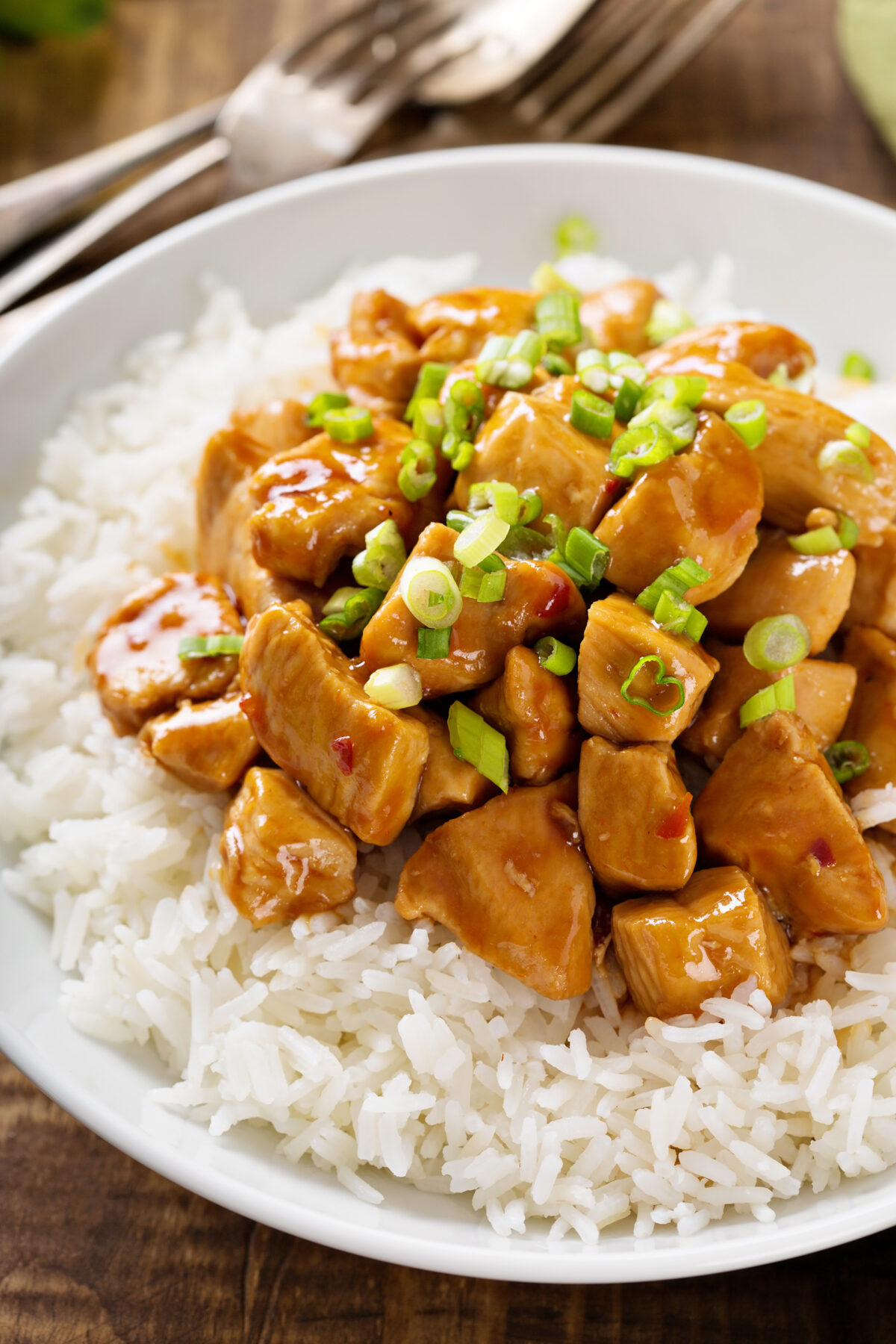
To elevate the sweet and sour chicken into a complete and satisfying meal, serving it as a "bowl" is an increasingly popular and practical approach. This involves creating a foundation of fluffy white rice, which serves as a neutral canvas for the flavors of the chicken and sauce. Alongside the chicken, a selection of steamed or lightly sautéed vegetables can be added. Steamed broccoli, crisp cucumbers, shredded carrots, and a scattering of fresh green onions contribute a variety of textures and nutritional benefits. This "bowl" format offers a balanced and visually appealing presentation, transforming a simple dish into a wholesome and complete dining experience.
Nurturing Young Eaters: Kid-Friendly Strategies
The introduction of new flavors and textures to children can sometimes be a delicate undertaking. Fortunately, sweet and sour chicken, with its inherently appealing taste, can be a gateway dish for introducing children to the wonders of Asian-inspired cuisine. The key lies in a thoughtful and gradual approach.
As previously mentioned, managing the spice level is paramount. Starting with a minimal amount of red pepper flakes, or none at all, ensures that the dish is approachable. Offering the sauce on the side provides children with agency, allowing them to control the amount of sauce they consume. This can demystify the dish and make it less intimidating.
Furthermore, the presentation of the chicken can significantly influence a child’s willingness to try it. Cutting the chicken into small, bite-sized pieces makes it easier for little hands to manage and consume. Pairing the chicken with familiar and well-loved side dishes like steamed broccoli, sweet peas, or tender carrots can create a sense of comfort and security around the meal. By thoughtfully considering these aspects, parents can foster positive associations with new flavors and textures, paving the way for a lifelong appreciation of diverse culinary experiences.
Expanding the Culinary Horizon: Further Asian-Inspired Delights
The success and enjoyment derived from preparing and savoring homemade sweet and sour chicken can serve as an inspiration to explore a broader spectrum of Asian-inspired weeknight dinner recipes. The principles of balancing sweet, sour, salty, and savory flavors, combined with quick cooking techniques, are hallmarks of many beloved Asian dishes.
For instance, a classic Kung Pao chicken offers a delightful combination of savory, spicy, and slightly sweet notes, often featuring peanuts for a satisfying crunch. Another popular choice is General Tso’s chicken, which, while often found in takeout, can be recreated at home with a focus on achieving that signature crispy coating and rich, tangy sauce. Teriyaki chicken, with its sweet and savory glaze, is another universally loved option that is both simple to prepare and incredibly versatile. Stir-fried noodle dishes, such as lo mein or chow mein, provide a fantastic platform for incorporating a variety of vegetables and proteins, all tossed in flavorful sauces. Even simple dishes like fried rice, when prepared with fresh ingredients and well-balanced seasonings, can become a star of the weeknight dinner table. These recipes, much like the sweet and sour chicken, emphasize fresh ingredients, efficient cooking methods, and the artful layering of flavors, making them ideal choices for busy households seeking delicious and satisfying meals.
Recipe Snapshot: Sweet and Sour Chicken
This Sweet and Sour Chicken is crispy, saucy, colorful, and full of family-friendly flavor. It makes a great weeknight dinner because it comes together quickly, and tastes like something special!
Prep Time: 15 minutes
Cook Time: 20 minutes
Total Time: 35 minutes
Course: Dinner, Main Course, Main Dish
Cuisine: Asian
Servings: 6
Keywords: chicken, easy, kid friendly, quick and easy
This information is provided by www.superhealthykids.com.
Related posts: