Huevos Rancheros: A Nutrient-Dense Solution for Modern Breakfast Habits

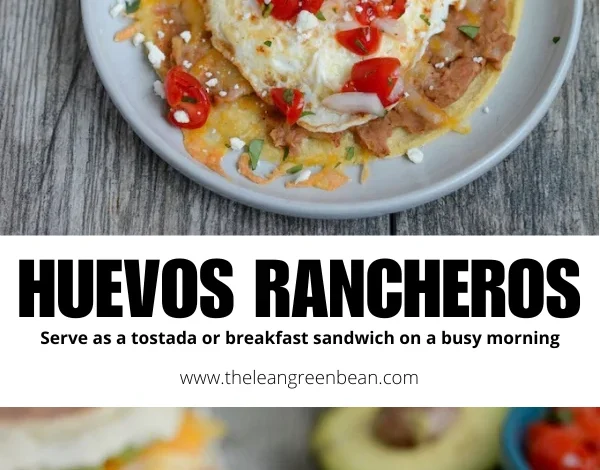
The traditional Mexican breakfast dish known as Huevos Rancheros—a staple featuring fried eggs, corn tortillas, and savory beans—is increasingly being adapted into contemporary, high-protein formats to meet the nutritional demands of modern, time-constrained consumers. Originally hailing from the rural ranching communities of Mexico, where it served as a hearty, energy-dense meal for field workers, the dish has undergone a structural evolution. Today, it is frequently reimagined as tostadas or portable breakfast sandwiches, providing a convenient vehicle for increased fiber and protein intake in the early hours of the day.
Historical Context and Cultural Evolution
Historically, Huevos Rancheros (translated as "rancher’s eggs") emerged in the 19th century as a foundational meal for rural laborers. The dish was designed to be prepared quickly over an open flame, utilizing shelf-stable ingredients such as dried beans and corn tortillas, complemented by the fresh yield of small-scale agriculture, such as tomatoes, chilies, and poultry eggs.
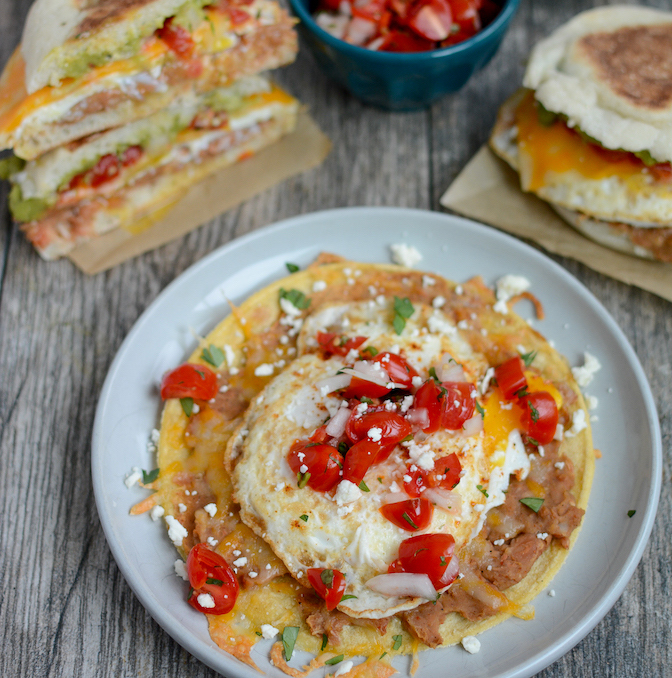
Over the last several decades, the dish has migrated from rural Mexican kitchens to international menus. While the traditional presentation involves a fried egg served atop a lightly fried corn tortilla smothered in a spicy tomato-based salsa and accompanied by pinto or black beans, the current culinary shift emphasizes functionality. Nutritionists and meal-prep experts have identified this combination of ingredients as a "powerhouse" of macronutrients, balancing complex carbohydrates from the beans and corn with high-quality protein from the eggs.
Nutritional Analysis and Dietary Implications
From a public health perspective, the inclusion of legumes—specifically black or pinto beans—at breakfast is a strategic dietary intervention. According to the American Heart Association and various nutritional studies, fiber consumption is critical for cardiovascular health and blood glucose regulation. Many Western breakfast diets rely heavily on processed grains and high-sugar content, which can lead to energy crashes by mid-morning.
The bean-based breakfast model provides a sustained release of energy. Beans offer approximately 7 to 15 grams of fiber per cup, depending on the variety, along with significant plant-based protein. When paired with an egg, which contains essential amino acids and choline, the resulting meal supports muscle synthesis and cognitive function throughout the morning. The adoption of this format represents a broader movement toward "savory breakfasts," which have been shown in observational studies to be more effective at curbing mid-day cravings compared to traditional sugar-laden alternatives.
Chronology of Modern Preparation Methods
The transition of this dish into a convenient "grab-and-go" format has necessitated specific preparation techniques to ensure food safety and texture preservation.
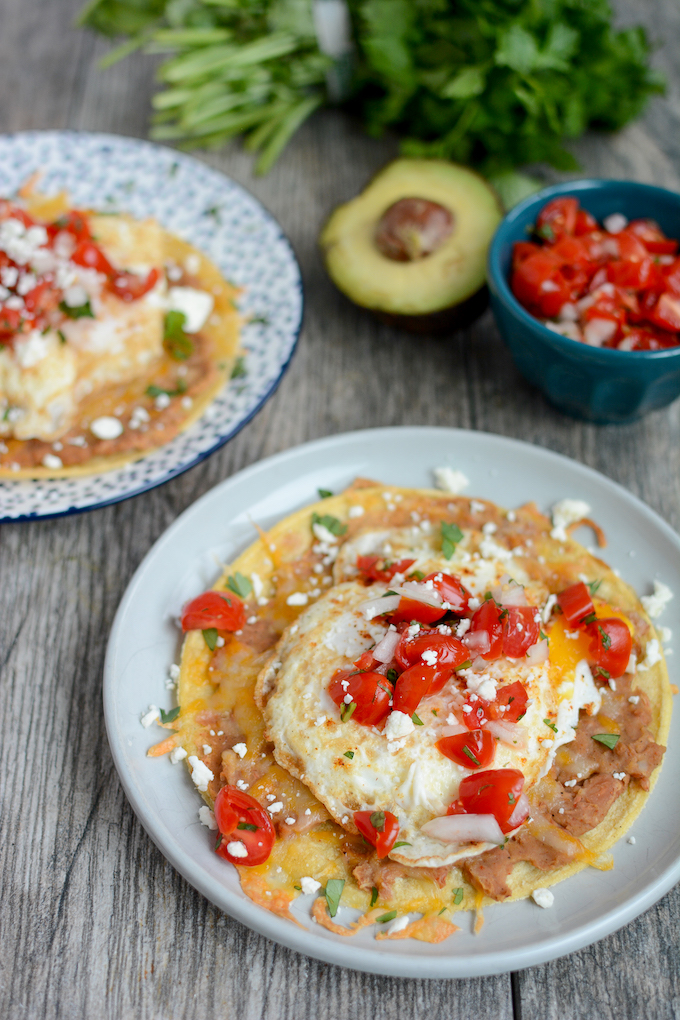
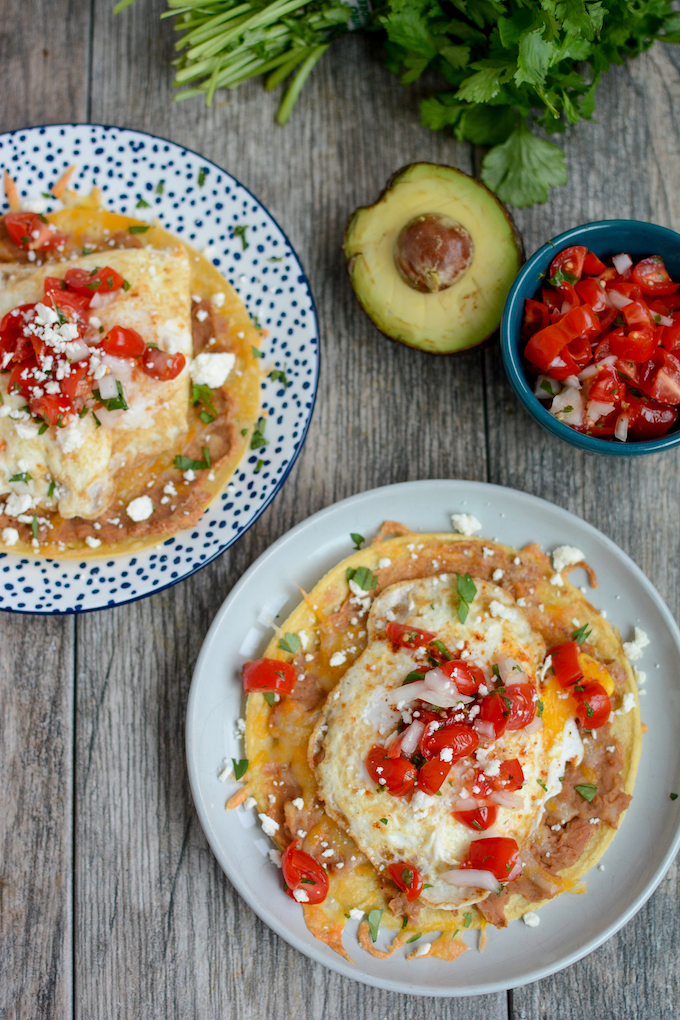
The standard assembly for a modern tostada version involves:
- Preparation of the base: Utilizing corn tortillas, often crisped via air-frying or broiling to achieve structural integrity.
- The bean layer: Serving as an adhesive and nutritional base.
- The protein component: Eggs, typically prepared to order or, in industrial meal-prep scenarios, cooked in bulk using sheet-pan methods.
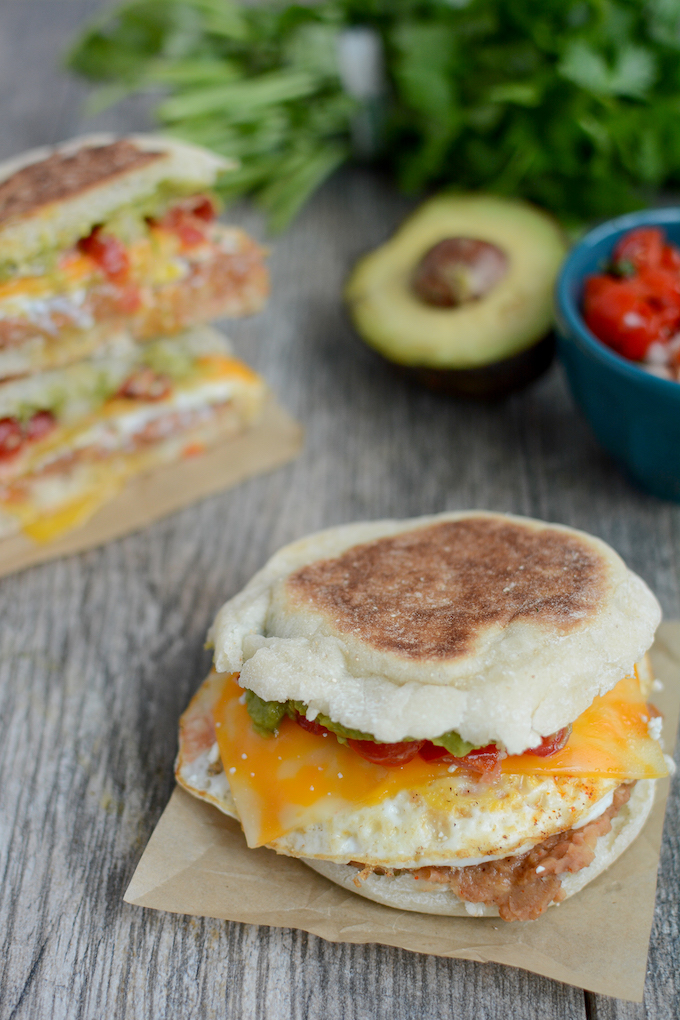
For the breakfast sandwich iteration, the timeline for preparation is significantly compressed. By substituting the traditional tortilla with an English muffin, the dish gains the portability required for a professional commute. Culinary experts suggest that for those who prepare these items in advance, the "freeze-and-reheat" cycle requires specific handling. Freezing the assembled sandwich—minus the volatile elements like fresh avocado or pico de gallo—allows for a shelf life of up to two weeks. Reheating, typically performed via microwave using a damp paper towel, ensures the egg retains moisture rather than becoming rubbery.
Data on Breakfast Consumption Trends
Industry analysis from the past five years indicates that consumer interest in "savory, high-protein breakfast options" has risen by approximately 18% in the United States. This trend is driven by an increased awareness of the "protein leverage hypothesis," which suggests that human appetite is strongly driven by the need to reach a target protein intake.
Furthermore, the rise of the "easy-to-prepare" culinary movement has seen a surge in search traffic for recipes that require less than 15 minutes of active kitchen time. The Huevos Rancheros model fits this requirement perfectly. Unlike complex breakfast pastries or elaborate omelets, the assembly of a bean-topped tostada is modular, allowing for mass-batch preparation of ingredients like refried beans and salsa, which can be stored for several days in a refrigerated environment.
Comparative Analysis: Rancheros vs. Chilaquiles
While often conflated by casual diners, there is a distinct culinary difference between Huevos Rancheros and Chilaquiles. Huevos Rancheros maintains the structural integrity of the tortilla, which acts as a platform for the toppings. Conversely, Chilaquiles involve the submersion of tortilla pieces (totopos) into a simmering sauce, resulting in a dish that emphasizes texture absorption rather than distinct, layered components.
The implication for the health-conscious consumer is that Huevos Rancheros generally allows for better portion control of the carbohydrates, as the base is a singular, defined unit (the tortilla or muffin), whereas Chilaquiles can often lead to higher caloric density due to the volume of tortilla pieces used in the reduction.
Broader Impacts on Home Cooking
The democratization of professional cooking techniques—such as air-frying and sheet-pan egg cooking—has played a pivotal role in the resurgence of this dish. The ability to cook six to twelve eggs simultaneously on a single baking sheet at 325 degrees Fahrenheit for 20 minutes allows for the efficient production of breakfast items that would otherwise require multiple stove-top cycles.

This efficiency is crucial for the demographic of working professionals who value home-cooked, nutrient-dense meals but lack the time for extensive morning prep. The shift toward incorporating beans into breakfast is not merely a trend, but a realignment with traditional global eating habits that prioritize satiety and metabolic stability.
As food science continues to emphasize the gut-brain axis, the role of fiber-rich, whole-food breakfasts is expected to remain a focal point for public health advocates. By transforming a traditional dish like Huevos Rancheros into a standardized, high-protein, fiber-dense, and portable meal, consumers are finding a pragmatic path toward better dietary health. This transition highlights a fundamental shift in the domestic kitchen: the move away from convenience-based, low-nutrient processed foods toward intentional, ingredient-focused preparation that aligns with modern, fast-paced lifestyles.
In conclusion, the evolution of Huevos Rancheros from a ranch-hand’s traditional meal to a modern breakfast staple demonstrates the adaptability of cultural culinary heritage. By focusing on the nutritional synergy of eggs, beans, and fresh produce, and by adopting modern preparation methods, this dish offers a scalable solution for anyone seeking to improve their daily intake of essential macronutrients without sacrificing the convenience of a modern, on-the-go lifestyle.