The Ultimate Guide to Crafting Healthy, Kid-Friendly After-School Snack Crackers: Quick No-Cook Solutions for Busy Families

The transition period between the final school bell and the evening dinner hour is a famously challenging window for parents and caregivers worldwide. Children return home from a rigorous day of cognitive and physical activity with depleted energy reserves, resulting in intense hunger that frequently tests household patience. Providing a wholesome solution during this interim period requires a delicate culinary balance: the snack must be substantial enough to satiate a growing child without ruining their appetite for the evening meal. In response to this daily nutritional dilemma, modern household kitchens are increasingly embracing the concept of customizable, no-cook assembly snacks, with graham cracker creations emerging as a premier choice for busy families seeking both efficiency and nutritional balance.
Background Context and Nutritional Evolution of After-School Snacking
Historically, the after-school snack has undergone a significant transformation. Decades ago, processed, shelf-stable items high in refined sugars and sodium dominated the pantry landscape, offering convenience at the expense of sustained nutritional value. However, contemporary nutritional guidelines emphasize the importance of incorporating macronutrient balance—specifically combining complex carbohydrates, healthy fats, and proteins—even during mid-afternoon eating occasions.
Childhood nutrition experts note that providing children with agency over their food choices fosters a positive psychological relationship with eating. When youngsters participate directly in the preparation of their meals, they exhibit a higher propensity to try diverse food groups, including fresh fruits and nutrient-dense nut butters. The graham cracker snack concept capitalizes on this behavioral science by treating a familiar, mildly sweet base as a culinary canvas, allowing children to construct personalized bites that marry protein, fiber, and vitamins seamlessly.
Anatomy of a No-Cook Snack Board: Ingredients and Preparation
Executing this after-school strategy requires minimal culinary expertise and zero thermal cooking, making it accessible even to latchkey children or younger kids supervised by older siblings or guardians. The foundational element remains a sturdy graham cracker square, chosen deliberately over delicate, flaky crackers to withstand the structural weight of spreads and toppings.
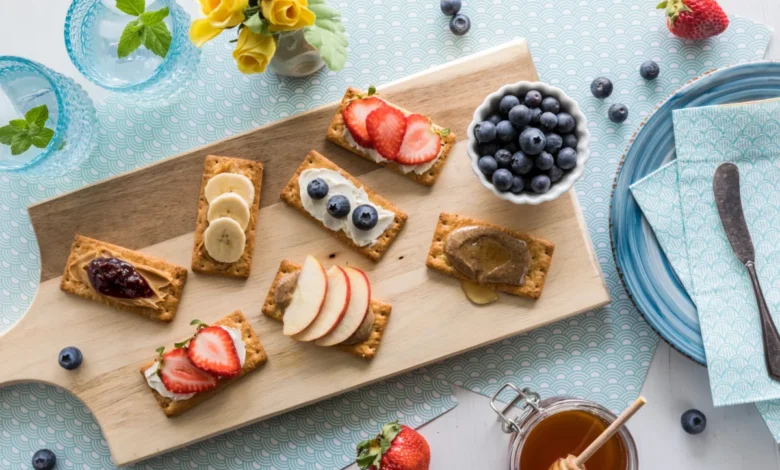
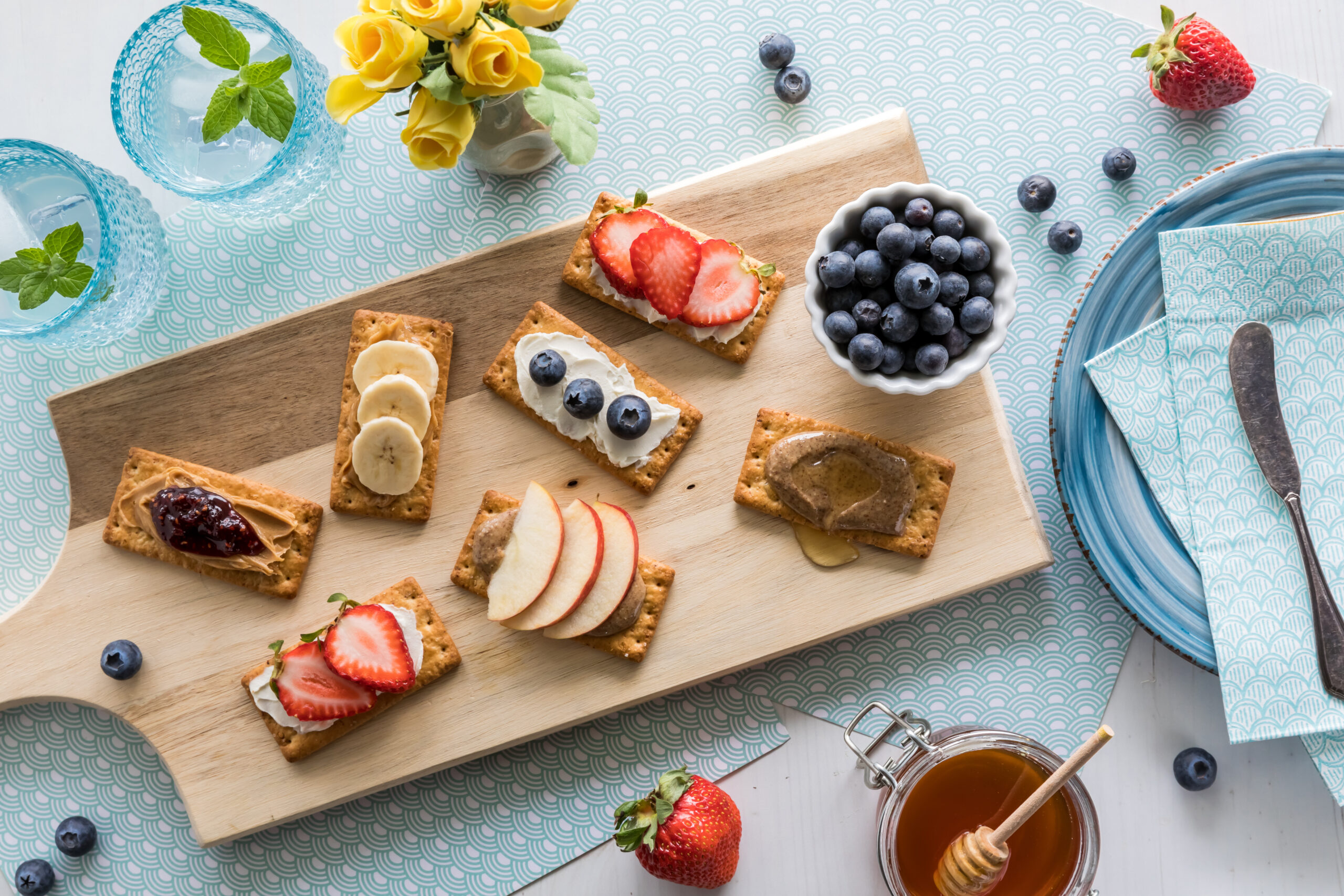
To build a comprehensive snack board, caregivers typically curate a spread of base spreads and fresh toppings. Protein and healthy fats are introduced via creamy or crunchy peanut butter, almond butter, sunflower seed butter for allergy-conscious environments, or whipped cream cheese. These spreads anchor the toppings and supply essential fatty acids and proteins necessary for sustained cognitive function and satiety.
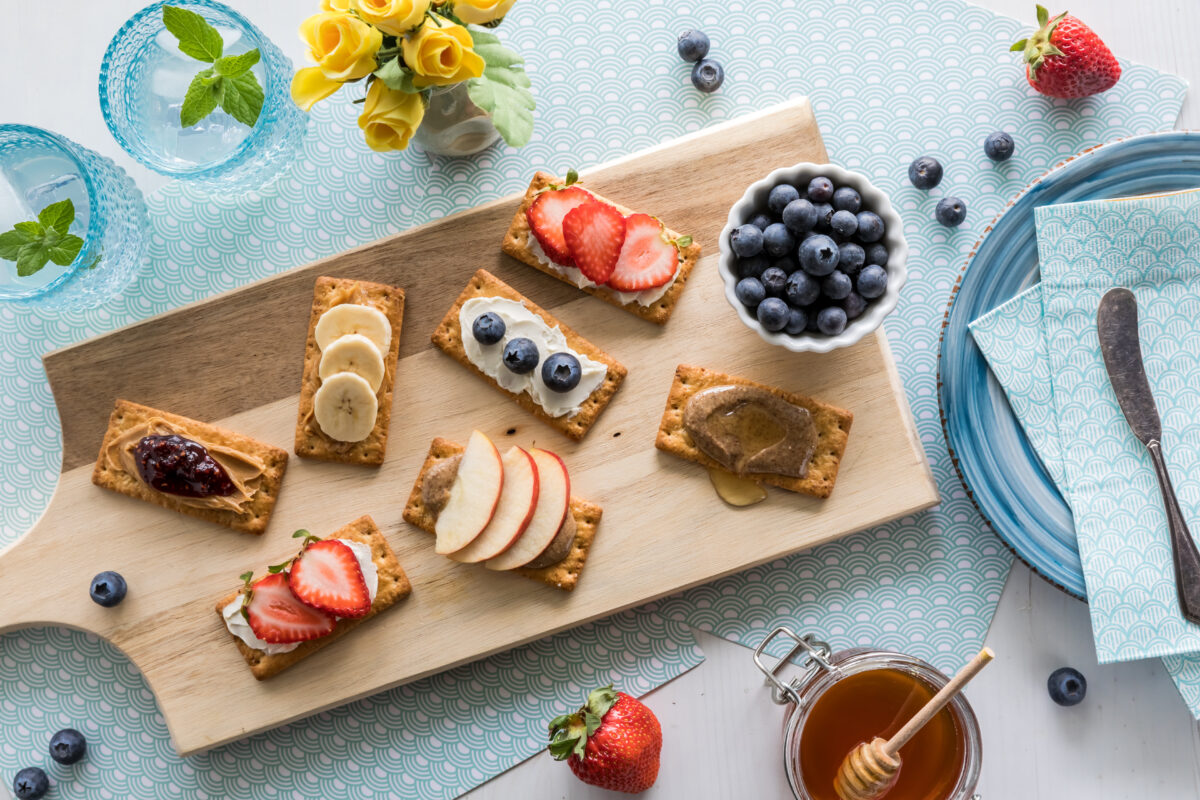
Complementing the spreads are naturally sweet, vitamin-rich toppings. Fresh fruits such as thinly sliced bananas, crisp apple varieties like Honeycrisp or Granny Smith, and antioxidant-rich berries including blueberries and quartered strawberries provide vibrant color and essential micronutrients. Additional textural and flavor elements—such as a light dusting of ground cinnamon, a modest drizzle of honey or maple syrup, or a scattering of crushed nuts—allow for endless customization without compromising the nutritional integrity of the snack.
Step-by-Step Flavor Combinations and Culinary Variations
The versatility of the graham cracker snack system ensures that households can easily accommodate varying dietary preferences, food allergies, and picky palates. Several classic flavor profiles have emerged as household favorites:
- Peanut Butter and Banana: This pairing unites the rich, protein-dense profile of peanut butter with the soft texture and natural potassium-rich sweetness of ripe banana slices. Enhancements can include a subtle dusting of cinnamon or a micro-drizzle of honey.
- Almond Butter and Apple: Thinly sliced apples offer a satisfying crunch that contrasts sharply with the velvety texture of almond butter. Tart or sweet apple varieties provide a refreshing flavor profile, particularly when paired with warming spices like cinnamon.
- Cream Cheese and Fresh Berries: For a flavor profile reminiscent of a miniature fruit tart, mild cream cheese serves as a smooth canvas for fresh blueberries or sliced strawberries. Incorporating a drop of vanilla extract or maple syrup into the cream cheese prior to spreading elevates the dish further.
- Peanut Butter and Jam: Mimicking the comforting flavors of a traditional sandwich on a crunchy base, this combination utilizes natural nut butter paired with low-sugar fruit preserves to deliver familiar comfort with reduced processed sugar content.
Logistical Implementation and The Snack Board Phenomenon
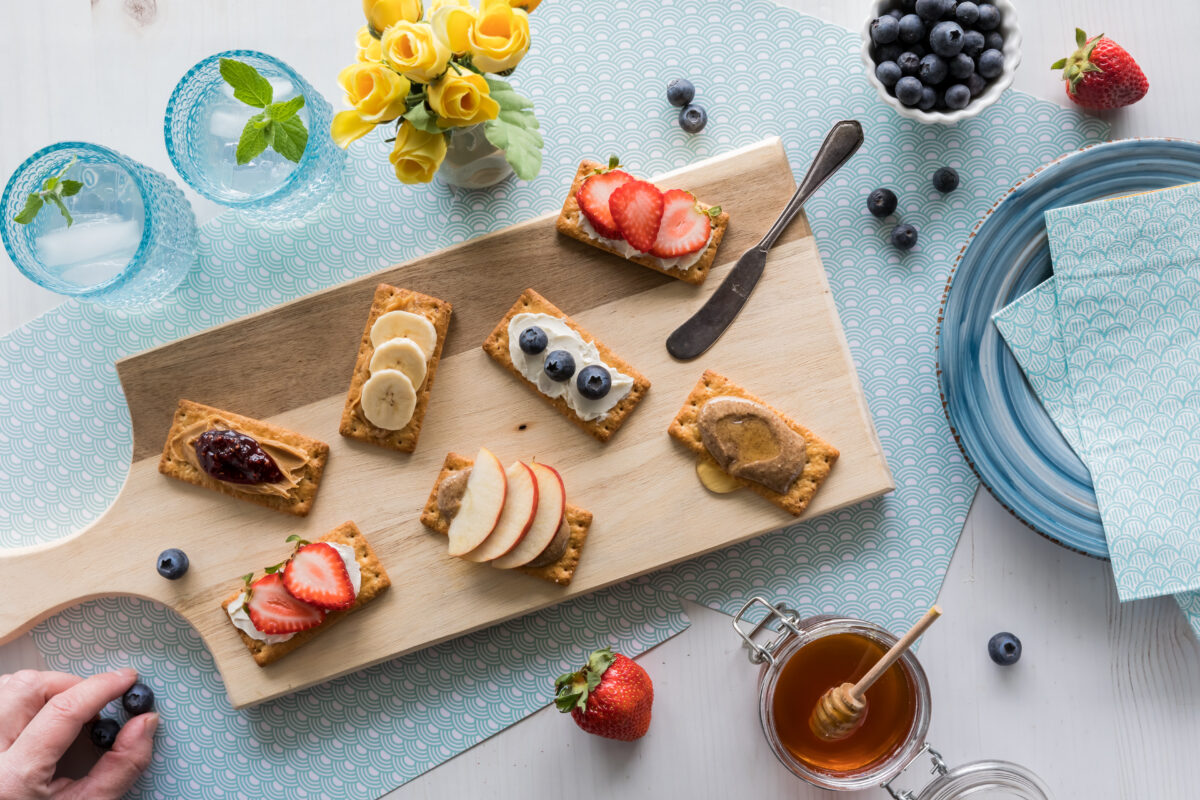
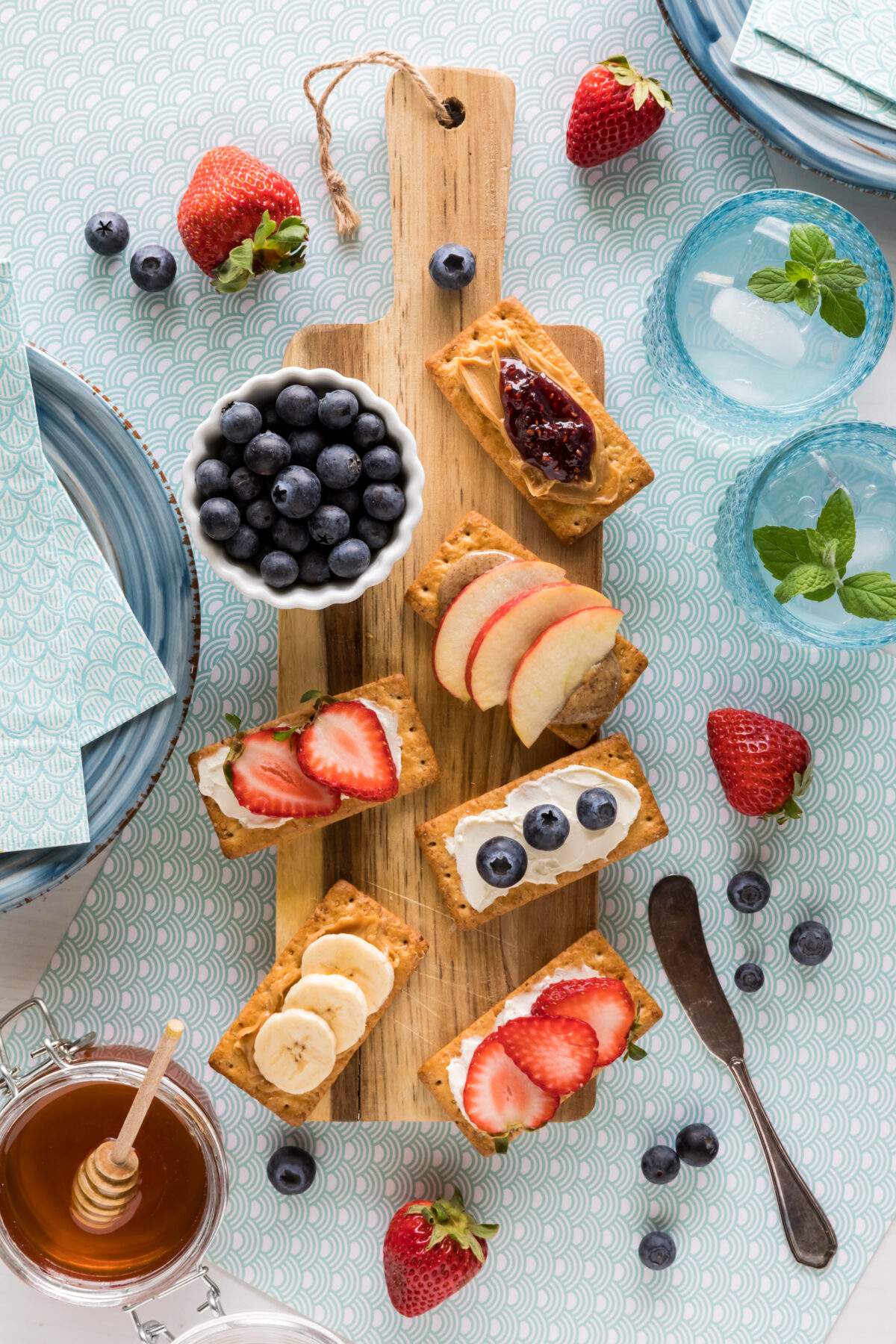
The integration of communal snack boards—frequently referred to in contemporary culinary circles as "charcuterie for kids"—has revolutionized how families approach afternoon sustenance. Rather than individual portions being plated in isolation, arranging graham crackers, individual bowls of spreads, and platters of sliced fruit on a wooden cutting board or serving tray transforms snack time into an interactive activity.
This format proves exceptionally useful in households with multiple children, where differing taste preferences can complicate meal planning. By decentralizing the assembly process, siblings can independently curate their plates. From a developmental perspective, this setup encourages fine motor skills as children practice spreading nut butter with dull knives, slicing soft fruits under supervision, and arranging toppings with precision.
Professional Best Practices for Optimal Results
While the recipe requires virtually no formal culinary training, professional food safety and preparation standards ensure the best possible experience:
- Structural Integrity: Always utilize sturdy, whole graham cracker sheets broken meticulously along their perforations rather than pre-crumbled fragments to minimize breakage during spreading.
- Moisture Control: Thoroughly wash and pat dry all fresh berries before placement. Excess residual moisture can rapidly soften the graham cracker base, leading to a soggy texture if not consumed promptly.
- Temperature Management: Allow refrigerated spreads, particularly cream cheese, to temper at ambient room temperature for approximately ten to fifteen minutes prior to assembly. This prevents tearing the fragile cracker base during application.
- Timely Consumption: These snacks are optimized for immediate consumption. Assembling them moments before eating preserves the contrasting textures of the crisp cracker, creamy spread, and fresh fruit.
Broader Economic, Social, and Nutritional Implications
The popularity of customizable, whole-ingredient snack options reflects broader socioeconomic and cultural shifts in modern parenting. With many households managing demanding dual-income schedules, the pressure to provide wholesome, scratch-made snacks can induce significant domestic stress. Solutions that require ten minutes or less of total preparation time—without sacrificing nutritional standards—offer valuable relief.
Furthermore, economists and public health analysts note a sustained consumer pivot toward customizable, interactive dining formats. Families are increasingly rejecting hyper-processed, single-serving convenience items in favor of bulk ingredients that reduce packaging waste and allow for strict dietary customization, including gluten-free or vegan substitutions. By utilizing pantry staples alongside fresh produce, households can manage grocery expenditures effectively while prioritizing children’s health.
Ultimately, the graham cracker snack board transcends its simple components, serving as an effective bridge between nutritional education, culinary independence, and stress-free parenting. As families continue to seek functional, wholesome solutions for the after-school hours, versatile no-cook assemblies demonstrate that nourishing children need not be complicated, time-consuming, or expensive.