The Ultimate Guide to Making Homemade Cranberry Pecan Granola: Nutrition, Techniques, and Expert Tips for the Perfect Batch

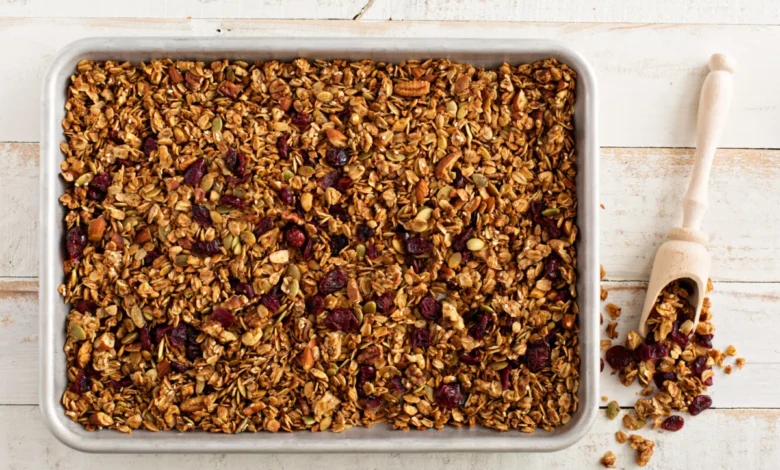
The culinary landscape of home baking has experienced a significant shift in recent years, moving away from heavily processed, store-bought breakfast cereals toward nutrient-dense, customizable pantry staples. Among the most popular developments in domestic kitchens is the resurgence of artisanal, small-batch granola production. Leading this trend is a meticulously developed recipe for Homemade Cranberry Pecan Granola, a crunchy, lightly sweet, and wholesome breakfast option that marries functional nutrition with culinary versatility. Designed to serve as a standalone snack, a yogurt topping, or a traditional breakfast cereal paired with dairy or plant-based milk, this recipe addresses growing consumer demand for transparent, wholesome ingredients and reduced refined sugar consumption in daily diets.
Nutritional Profile and Health Implications
In an era where dietary awareness continues to influence grocery purchasing decisions, homemade granola offers a distinct advantage over commercial alternatives. Store-bought varieties are frequently laden with hidden corn syrups, palm oils, and excessive sodium designed to extend shelf life rather than promote wellness. Conversely, preparing granola at home allows consumers to maintain strict oversight over the nutritional inputs entering their households.
The foundation of this recipe relies on old-fashioned rolled oats, a whole grain widely recognized by nutritional scientists for its high concentration of beta-glucan—a soluble fiber associated with improved cardiovascular health, regulated blood sugar levels, and enhanced digestive function. Combined with nutrient-dense nuts and seeds such as pecans, almonds, and pepitas, the mixture delivers a powerful matrix of plant-based protein, healthy monounsaturated fats, and essential micronutrients including magnesium, zinc, and vitamin E.
Furthermore, the strategic incorporation of natural sweeteners such as pure maple syrup or raw honey provides necessary binding properties without relying on refined white sugars. Dried cranberries, introduced after the baking process to preserve their antioxidant integrity and pliable texture, contribute a tart flavor profile alongside polyphenols known for supporting urinary tract health and reducing systemic inflammation. Dietitians and nutritionists frequently endorse this formulation for families seeking kid-friendly snacks that do not compromise on nutritional integrity, noting that the absence of artificial preservatives makes it an ideal addition to school lunchboxes and active lifestyle regimens.
Evolution of Breakfast Culture and the Rise of DIY Granola
The commercial history of granola dates back to the late 19th century, when Dr. James Caleb Jackson invented a cereal precursor known as "granula" at his New York sanitarium. However, it was not until the counterculture movement of the 1960s and 1970s that granola captured the public imagination as a symbol of health-conscious, back-to-nature eating. Over the subsequent decades, the product underwent mass industrialization, transforming from a rustic, baker-driven commodity into a standardized boxed item lining supermarket aisles.
In recent years, culinary historians and food industry analysts have observed a distinct consumer backlash against hyper-processed foods. Driven in part by global health disruptions and a collective return to home cooking, individuals are increasingly reclaiming traditional culinary arts. Baking granola at home has emerged as a cornerstone of this movement. It represents a low-barrier entry point into scratch cooking, requiring minimal specialized equipment beyond a standard baking sheet, mixing bowls, and an oven.
Industry data indicates that sales of raw ingredients—such as oats, seeds, and bulk nuts—have steadily risen, reflecting a broader consumer preference for modular cooking. Rather than purchasing multiple distinct breakfast products, modern households prefer stocking pantry staples that can be endlessly adapted to seasonal preferences, dietary restrictions, and flavor profiles.
Technical Culinary Guide: Achieving the Optimal Texture
Mastering the production of homemade granola requires an understanding of thermodynamics, lipid chemistry, and moisture control. Culinary experts emphasize that achieving the coveted balance of a crisp exterior and a tender interior relies on precise execution across several critical phases of preparation.
Selecting the Right Base Ingredients
The choice of grain fundamentally dictates the final structural integrity of the granola. Food scientists recommend exclusively utilizing old-fashioned rolled oats. Unlike instant or quick oats, which have been heavily processed, flattened, and precooked, rolled oats retain a robust cellular structure that absorbs binding agents evenly while maintaining structural resilience during the thermal baking process. Quick oats, by contrast, tend to disintegrate into a powdery consistency, resulting in a dense, overly soft product lacking the characteristic rustic crunch.
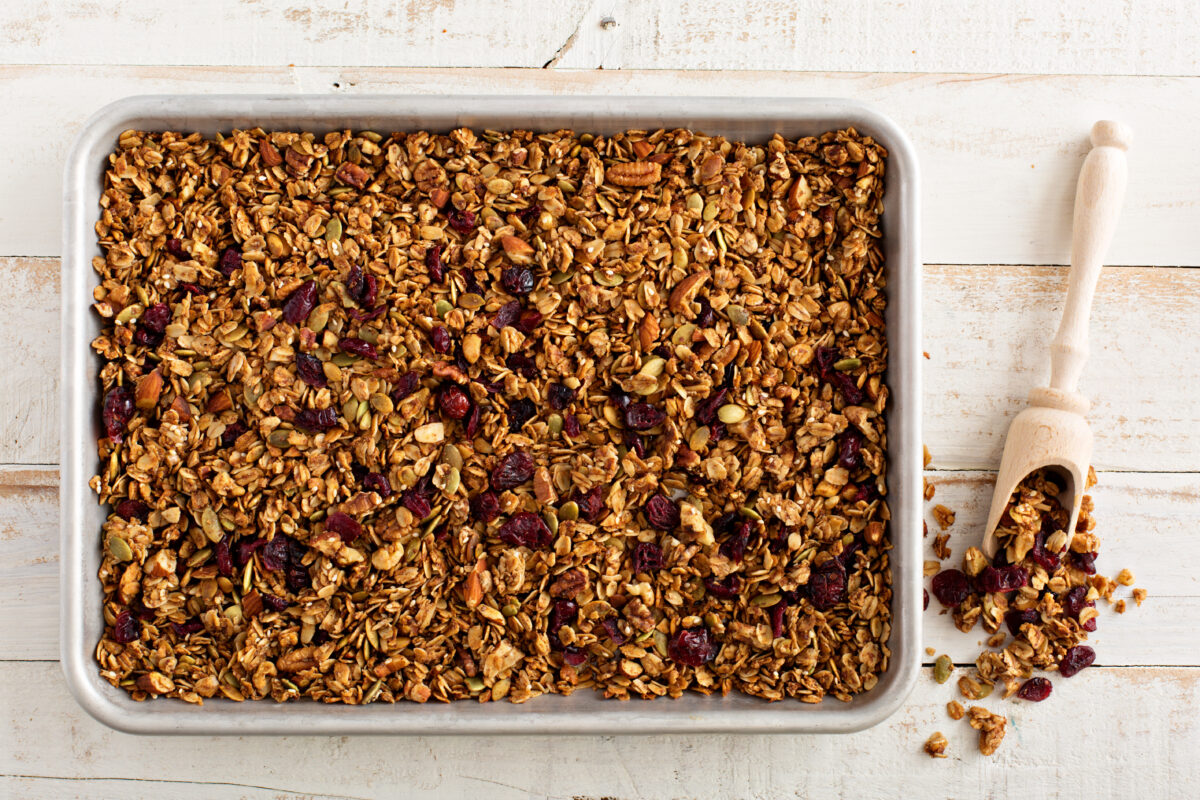
Managing Moisture and Binding Agents
The emulsion of fat and sugar acts as the adhesive matrix that holds the dry ingredients together. Olive oil, coconut oil, or melted unsalted butter combined with maple syrup or honey must be thoroughly whisked with warm spices—such as Ceylon cinnamon, nutmeg, or sea salt—before being poured over the dry oat and nut mixture. Every flake of oat and piece of nut must be evenly coated to ensure uniform toastability.
Thermal Control and Baking Dynamics
Baking granola is a delicate exercise in thermal management. Operating at a moderate temperature—typically around 300°F to 325°F (150°C to 160°C)—prevents the natural sugars from scorching before the moisture within the oats and nuts has fully evaporated.
A common pitfall for novice bakers is excessive agitation during the baking cycle. To achieve large, desirable clusters, the granola should be disturbed as little as possible. Stirring the mixture more than once disrupts the formation of sugar bridges between the oats. Additionally, bakers must pay close attention to the edges of the baking sheet, where radiant heat is concentrated; these outer perimeters brown significantly faster than the center and can transition from golden-brown to bitter in a matter of minutes.
Post-Baking Chronology and Storage Physics
The transformation of granola from a seemingly soft mixture into a crisp, crunchy product occurs primarily during the cooling phase. When the pan is first extracted from the oven, the molten sugars remain pliable. As ambient air circulates around the baking sheet, these sugars cool and solidify, creating the rigid matrix responsible for the signature crunch.
Crucially, dried fruits such as cranberries must be introduced exclusively after the baking process is complete. Exposing dried fruit to prolonged oven heat causes the natural fructose to caramelize rigidly, rendering the fruit tough, chewy, and difficult to consume. Furthermore, introducing fruit post-bake prevents localized burning that can impart an acrid flavor to the entire batch.
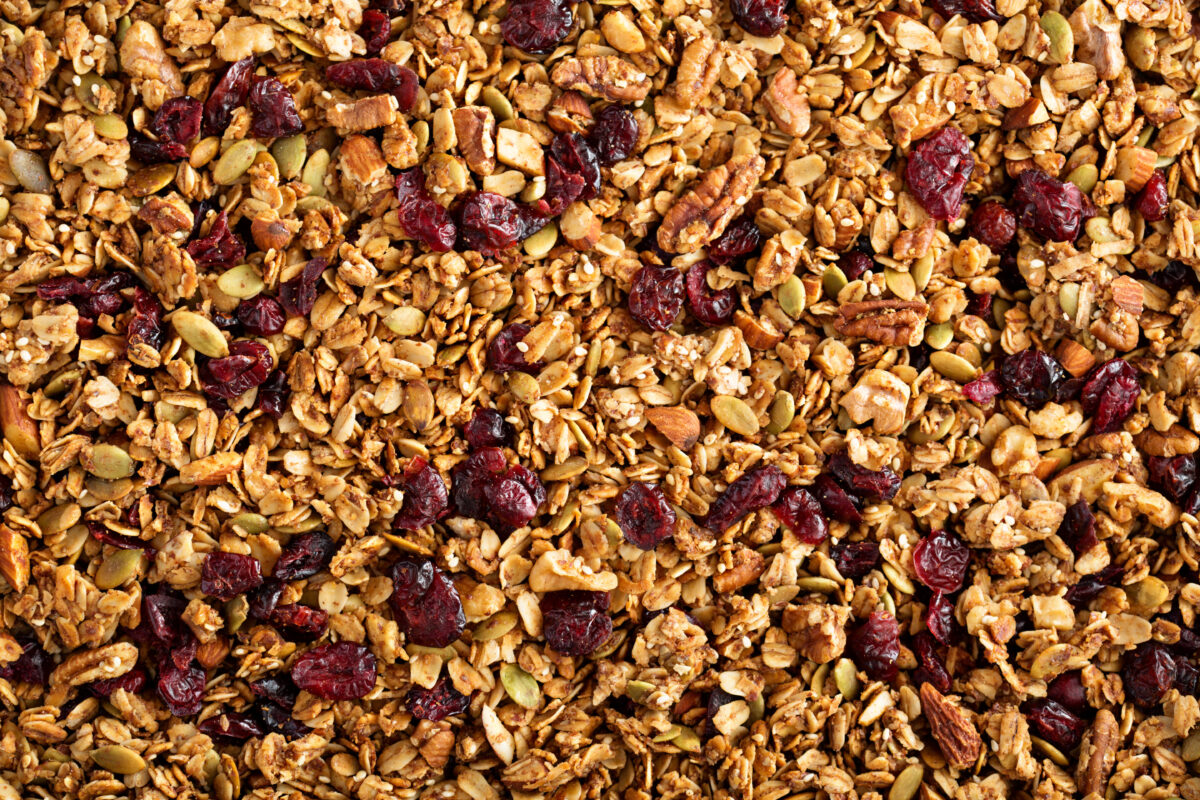
Once cooled completely, the granola must be transferred to an airtight container. Exposure to atmospheric humidity is the primary enemy of crisp granola; when left unsealed, the hygroscopic nature of oats and sugars causes them to absorb ambient moisture, resulting in a limp, stale texture. Stored correctly in a cool, dark pantry, a batch maintains optimal quality for up to two weeks, while freezing extends its shelf life to three months without compromising structural or nutritional integrity.
Customization and Adaptability in Modern Recipes
One of the primary drivers behind the enduring popularity of homemade granola is its infinite adaptability. Culinary flexibility allows home cooks to modify base formulas to accommodate specific dietary paradigms, such as gluten-free diets (by certifying oat sources), veganism (by avoiding honey in favor of maple syrup or agave), and nut-free protocols for school environments.
Popular flavor variations demonstrate the versatility of the core formulation:
- Orange Cranberry Granola: Incorporates fresh citrus zest into the wet binding mixture to provide a bright, aromatic counterbalance to the rich, earthy notes of toasted pecans.
- Chocolate Cranberry Granola: Introduces high-quality dark chocolate chips or cacao nibs folded in after the mixture has cooled completely, appealing to dessert-leaning palates.
- Coconut Cranberry Granola: Utilizes unsweetened coconut flakes added during the final ten minutes of baking to prevent burning while infusing a tropical, nutty aroma.
- Seed-Forward Variations: Enhances the micronutrient density by integrating chia seeds, flaxseed meal, or sunflower seeds, catering to health enthusiasts seeking increased omega-3 fatty acid content.
Broader Economic and Lifestyle Implications
The resurgence of scratch-baked breakfast items reflects broader shifts in modern consumer behavior, characterized by a desire for self-reliance, economic efficiency, and waste reduction. Buying bulk ingredients and producing pantry staples at home significantly reduces household packaging waste—mitigating reliance on single-use plastics and cardboard boxes associated with commercial cereal distribution.
Moreover, the ritual of weekend baking has been identified by sociologists and mental health professionals as an effective therapeutic practice. Engaging in tactile, creative culinary tasks provides a grounding mechanism amidst increasingly digitized, fast-paced lifestyles. The sensory feedback of toasted nuts, simmering spices, and golden oats contributes to a comforting domestic atmosphere that reinforces the psychological benefits of home-cooked nourishment.
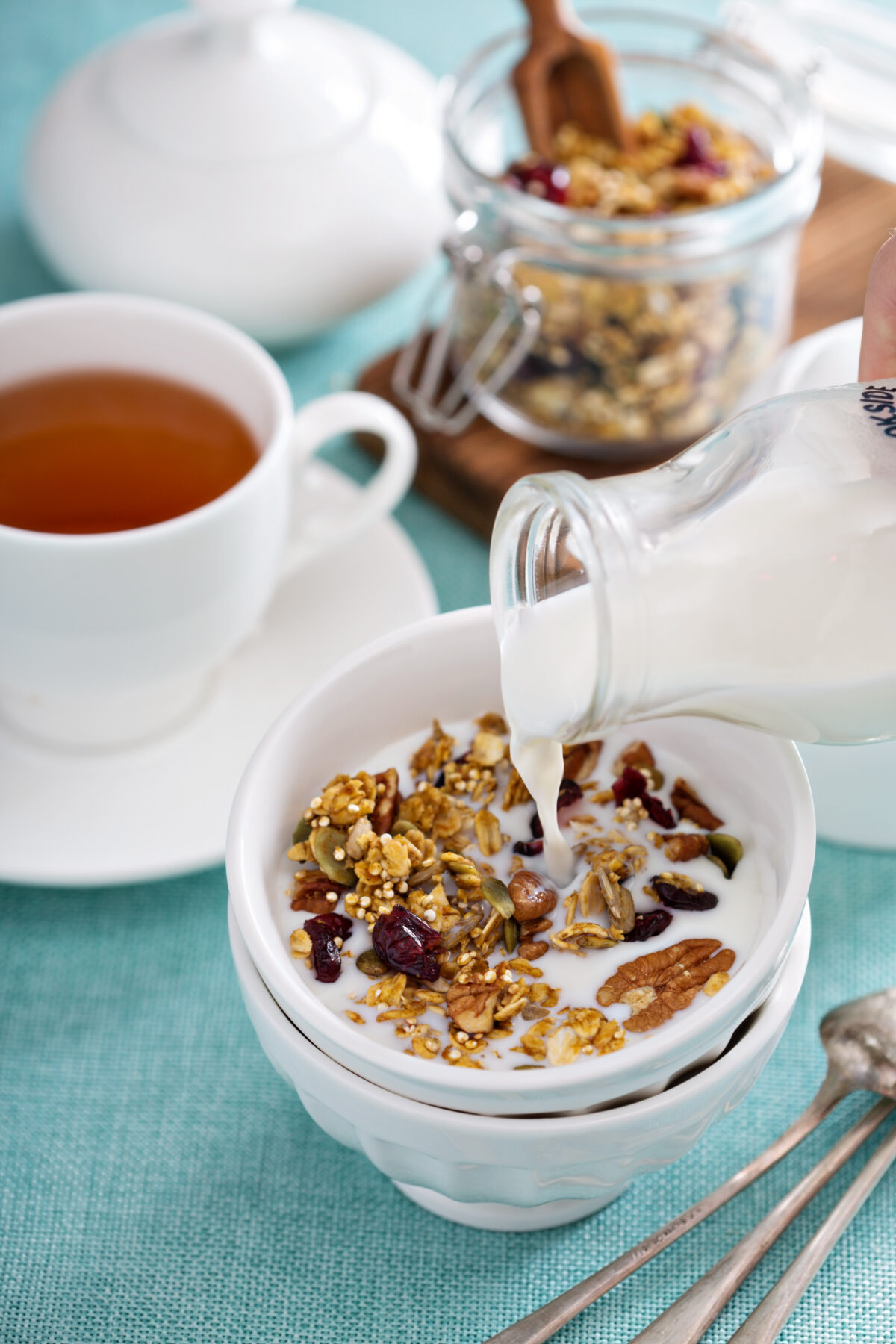
Ultimately, the enduring appeal of Homemade Cranberry Pecan Granola lies at the intersection of flavor, health, and simplicity. By stripping away industrial complexities and returning to foundational culinary techniques, home bakers can produce a superior product that honors both nutritional science and traditional comfort food culture.
Related posts: