Sustainable Swimwear: A Comprehensive Guide to Ethical Alternatives for the Modern Consumer


The global fashion industry is currently undergoing a significant transition as consumer demand for transparency and environmental accountability reaches unprecedented levels. Among the most challenging sectors to reform is swimwear. Traditionally, the industry has relied heavily on virgin synthetic materials—primarily nylon and polyester—which are derived from fossil fuels. These materials are favoured by manufacturers for their elasticity, durability, and low production costs. However, their environmental footprint is substantial. The production of virgin nylon and polyester is an energy-intensive process that releases significant greenhouse gas emissions, while the manufacturing cycles often require vast quantities of water and toxic chemical dyes, which can contaminate local ecosystems if not properly managed.

As climate change concerns move to the forefront of global policy, the textile sector has faced increasing pressure to adopt circular economy principles. Recent innovations in material science have paved the way for a new generation of sustainable swimwear, focusing on the repurposing of pre- and post-consumer plastic waste.
The Evolution of Material Science in Swimwear
For decades, the search for a 100% natural, high-performance swimwear fabric has remained elusive. While materials like organic cotton or linen are environmentally preferable in daily wear, they lack the technical properties required for aquatic activities, such as shape retention, rapid drying, and resistance to chlorine and salt water. Consequently, the industry has pivoted toward high-quality recycled alternatives.

The most prominent innovation in this space is Econyl, a regenerated nylon made entirely from waste products such as abandoned fishing nets, fabric scraps, and industrial plastic. This material not only diverts waste from landfills and oceans but also reduces the environmental impact of nylon by up to 90% compared to virgin material. Similarly, recycled polyester, often sourced from PET plastic bottles, has become a standard for eco-conscious brands. These materials undergo a chemical or mechanical recycling process, breaking down plastic polymers into fibres that mimic the performance characteristics of their virgin counterparts.
Industry Chronology and Regulatory Landscape
The shift toward sustainable swimwear gained significant momentum around 2015, following the ratification of the Paris Agreement and the subsequent adoption of the UN Sustainable Development Goals. As international bodies began highlighting the fashion industry’s role in global pollution—responsible for approximately 10% of global carbon emissions—brands began to face intense scrutiny regarding their supply chains.

By 2018, several UK-based retailers began integrating "conscious collections" into their offerings, moving beyond niche artisanal labels to high-street accessibility. The introduction of the UK’s Competition and Markets Authority (CMA) Green Claims Code in 2021 marked a turning point, forcing companies to substantiate their environmental claims or face regulatory action. This move helped differentiate brands genuinely committed to circularity from those engaging in "greenwashing"—the practice of using vague marketing terms like "eco-friendly" without verifiable data.
Market Analysis: Key Sustainable UK Brands
The UK market currently features a diverse array of brands balancing affordability, style, and ethical production. Each has adopted different strategies to minimize its environmental footprint.

Rapanui: Technology-Driven Sustainability
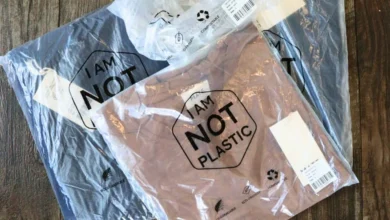
Based on the Isle of Wight, Rapanui has leveraged supply chain transparency as a core business model. By utilizing Oeko-Tex certified materials—which guarantee the absence of harmful substances—the brand ensures that its recycled polyester and Econyl garments meet rigorous human-ecological safety standards. Their use of plastic-free, compostable packaging further aligns with the circular economy, reducing the volume of waste generated at the point of delivery.
Finisterre: The B-Corp Standard
Cornwall-based Finisterre serves as a prime example of the B-Corp model in the apparel industry. B-Corp certification requires companies to demonstrate high standards of social and environmental performance, transparency, and legal accountability. Finisterre distinguishes itself through a comprehensive lifecycle approach: they offer a professional repair service to extend the longevity of their wetsuits and swimwear. Furthermore, their take-back scheme, which incentivizes customers to return worn-out garments for recycling in exchange for discounts, actively keeps materials in a closed loop.

Albaray and Nobody’s Child: Balancing Cost and Ethics
Albaray has focused its efforts on auditing manufacturing facilities to ensure fair labour practices. By focusing on longevity and durability, they attempt to counter the "throwaway" culture inherent in fast fashion. Meanwhile, companies like Nobody’s Child represent a transitional phase in the industry. While they utilize recycled materials like Repreve, they still grapple with the traditional high-street business model. Their reliance on auditing frameworks like SMETA (Sedex Members Ethical Trade Audit) and BSCI (Business Social Compliance Initiative) provides a baseline for ethical labour standards, though critics argue that volume-based business models remain fundamentally at odds with true sustainability.
Aspiga and Modibodi: Niche Innovation
Aspiga has carved out a market for fair-trade swimwear, working closely with artisans in India and Kenya to ensure ethical production. Their focus on UV-protective, double-layered recycled polyester combines performance with social responsibility. On the technical innovation front, Modibodi has addressed a specific demographic need: period-proof swimwear. By utilizing pre-consumer recycled nylon, they have successfully combined technical functionality with waste reduction, proving that sustainable innovation can address both environmental and user-experience challenges.

Broader Implications and Consumer Responsibility
The environmental impact of swimwear does not end at the point of sale. Scientific research has consistently shown that synthetic fabrics, even when recycled, shed microplastics during the washing process. These microplastics are often too small to be captured by wastewater treatment plants and eventually enter marine ecosystems.
To mitigate this, industry experts and environmental advocates recommend several best practices for consumers:

- Hand-washing: Whenever possible, hand-washing garments in cool water significantly reduces fibre shedding compared to mechanical washing.
- Microplastic Filtration: Utilizing aftermarket products such as the Guppyfriend washing bag or specialized inline machine filters can capture up to 90% of micro-fibres during a cycle.
- Longevity: The most sustainable garment is the one already in your wardrobe. Extending the life of swimwear through proper storage—rinsing after use, avoiding excessive sun cream contact, and prompt repairs—is the most effective way to reduce the need for new production.
Fact-Based Analysis of the Future Outlook
The global market for recycled textiles is projected to grow at a compound annual growth rate (CAGR) of over 5% through 2030. As raw material costs for virgin plastics fluctuate due to oil price volatility, recycled materials are becoming increasingly cost-competitive. However, the industry faces significant hurdles. The current recycling infrastructure for textiles is insufficient to handle the volume of clothing produced annually. Without a systemic shift toward "design for circularity"—where garments are designed from the outset to be easily disassembled and recycled—the industry will struggle to achieve true sustainability.
Furthermore, the rise of "digital product passports" and stricter EU and UK regulations regarding textile waste suggest that brands will soon be held legally accountable for the entire lifecycle of their products. This shift will likely consolidate the market, rewarding brands that have already invested in transparent, traceable supply chains and punishing those that continue to rely on opaque, high-waste manufacturing methods.

For the consumer, the path forward is clear: look for verifiable third-party certifications, such as the Global Recycled Standard (GRS) or B-Corp status, and prioritize brands that offer transparency regarding their factories and labor conditions. By shifting demand toward companies that account for their environmental and social costs, consumers can play a pivotal role in transforming the fashion industry from a linear, extractive model into a circular, responsible one.