Natural Toilet Bowl Cleaner Tablets: A Comprehensive Guide to Sustainable Home Maintenance

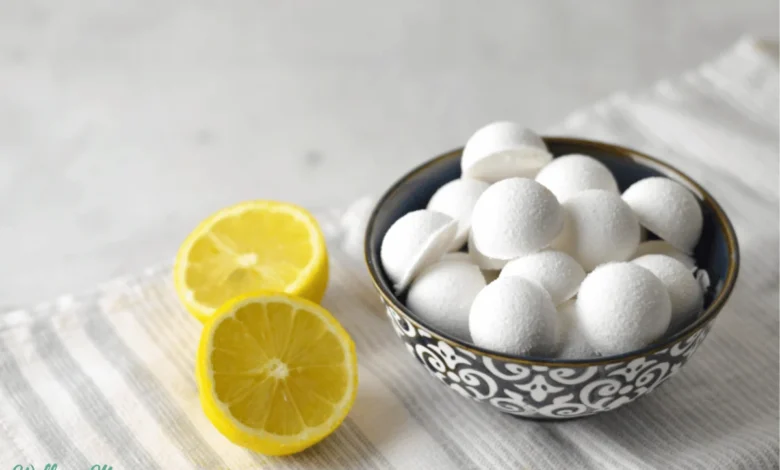
The household cleaning industry has long been dominated by products containing harsh chemical compounds, including bleach, ammonia, and quaternary ammonium compounds, which pose significant risks to both human health and the environment. However, a growing trend toward sustainable, non-toxic, and DIY alternatives is shifting consumer habits. Among these, the development of effervescent toilet bowl cleaning tablets—composed primarily of food-grade ingredients such as baking soda and citric acid—has emerged as a practical solution for homeowners seeking to eliminate toxic exposure while maintaining sanitation standards.
The Evolution of Household Cleaning Chemistry
Historically, toilet cleaning products have relied on strong acids or oxidizing agents to tackle mineral deposits, calcification, and bacterial growth. While effective, these chemical cleaners are often associated with respiratory irritation, skin burns, and environmental hazards when washed into the wastewater system. The shift toward "green" chemistry prioritizes biodegradable ingredients that perform chemical work through mechanical reaction rather than caustic toxicity.
The efficacy of a DIY cleaning tablet lies in the chemical reaction between sodium bicarbonate (baking soda) and citric acid. When introduced to water, these components undergo an acid-base neutralization reaction, producing carbon dioxide gas. This reaction creates a physical "fizzing" action that helps loosen organic matter and surface debris. Concurrently, the acidic nature of the citric acid helps break down calcium carbonate, the primary component of hard water stains and mineral buildup found in porcelain bowls.
Chronology of a Practical Innovation
The transition of effervescent tablets from a niche personal care item—originally designed as bath fizzies—to a household cleaning tool represents a case study in accidental utility. The origin of this specific DIY cleaning method dates back to the observation of household mishaps where bath products were inadvertently introduced into plumbing fixtures.
Upon observing that the dissolution of these tablets in the toilet bowl resulted in a visibly cleaner surface, proponents began refining the formula. By increasing the concentration of cleaning agents and omitting skin-conditioning oils or fragrances that serve no cleaning function, researchers and home economists developed a potent, concentrated cleaning tablet. The timeline of this transition indicates that over the past decade, interest in these recipes has grown in parallel with the rise of the "zero-waste" and "low-tox" living movements, as consumers seek to reduce their reliance on single-use plastic bottles associated with conventional liquid cleaners.
Supporting Data and Scientific Composition
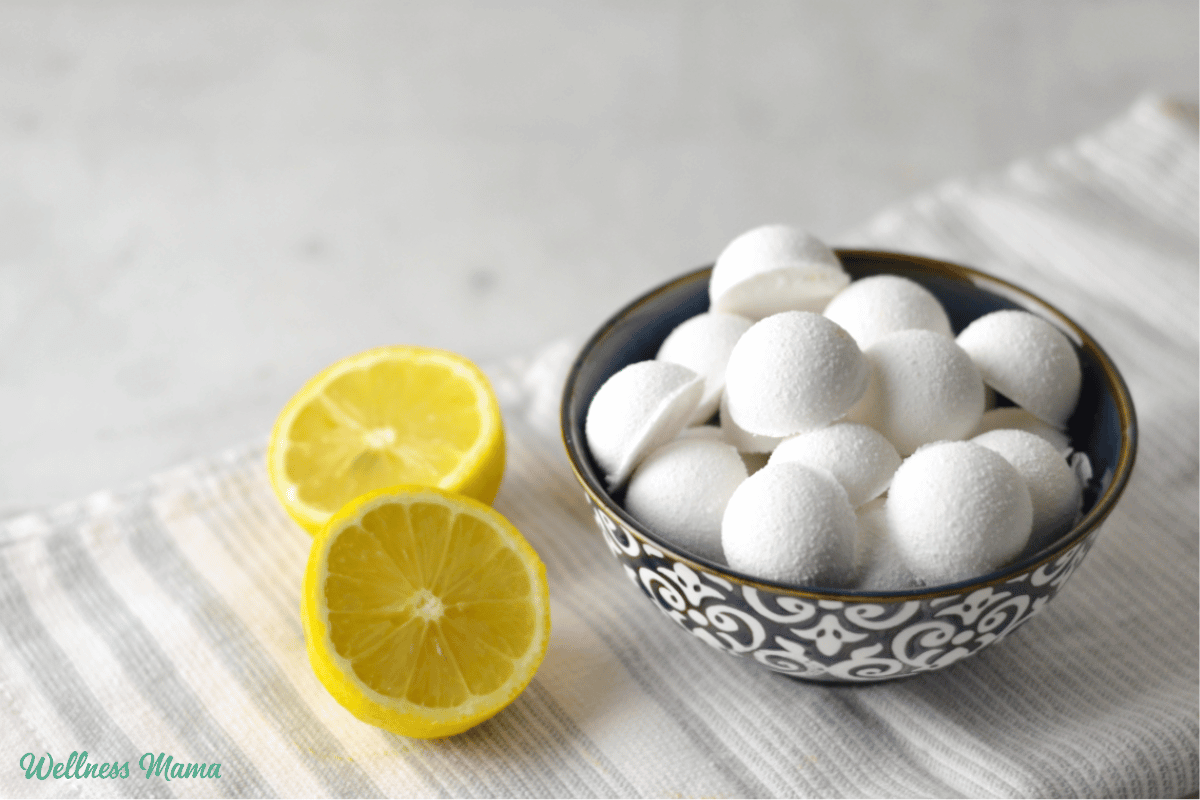
The effectiveness of these tablets is rooted in two fundamental chemical processes: scrubbing and dissolving. Baking soda, a mild abrasive, functions as a mechanical cleaner that lifts grime without scratching the porcelain finish. Citric acid, meanwhile, acts as a chelating agent, meaning it binds to metal ions in hard water and prevents them from forming stubborn deposits.
According to data from the Environmental Working Group (EWG), many conventional toilet bowl cleaners receive poor grades for ingredient disclosure and safety. By contrast, the primary components of DIY tablets—baking soda and citric acid—are recognized as safe by the FDA for food-grade use. While the concentration in a cleaning tablet is higher than in food, the absence of volatile organic compounds (VOCs) and hazardous dyes makes them significantly safer for households with children and pets.
Regarding the shelf-life and stability of these tablets, storage conditions are critical. Because the reaction is triggered by water, moisture is the primary catalyst for premature degradation. Experts recommend storing the finished product in airtight, non-reactive glass containers. When kept in a cool, dry environment, these tablets can remain stable and active for several months, providing a consistent supply for routine maintenance.
Implications for Public Health and Plumbing Safety
While the DIY approach offers clear environmental benefits, it is essential to consider the implications for home infrastructure. Plumbing professionals generally caution against the introduction of large or foreign objects into drain lines. However, because these tablets are designed to dissolve completely into a liquid-based solution, they do not pose the same structural risks as solid, non-soluble items.
The primary safety note involves the timing of the reaction. It is advised that the tablets be allowed to dissolve fully before flushing. This ensures that the chemical reaction has completed its work on the bowl’s surface and prevents the potential for pressure fluctuations in older or sensitive piping systems. Furthermore, unlike "drop-in" tablets designed for the toilet tank—which can corrode rubber seals and gaskets over time—these bowl-specific tablets avoid contact with the delicate mechanical components of the flushing system.
Market Context and Industry Responses
The rise of DIY cleaning solutions has prompted a shift in the commercial cleaning sector. Companies that specialize in "clean" home products have begun to adopt similar chemistry, offering concentrated tablets or powders that reduce the need for plastic shipping and storage. These products often feature plant-based surfactants and essential oil-based fragrances, mirroring the DIY ethos while providing the convenience of mass-market availability.
Industry analysts suggest that the "DIY-to-Commercial" pipeline is a significant driver of innovation. As consumers experiment with home-based solutions, their feedback and preferences inform the development of new, environmentally conscious products. For instance, the demand for non-toxic ingredients in cleaning agents has forced mainstream manufacturers to re-evaluate their supply chains, leading to a broader availability of eco-certified cleaning supplies in retail environments.
Practical Guidelines for Implementation
For those interested in adopting this method, the technical process is relatively straightforward but requires attention to detail. The "damp sand" consistency is the gold standard for success; if the mixture is too wet, the citric acid will react prematurely, causing the tablets to expand or lose their structural integrity during the drying phase.
- Preparation: Mix dry ingredients (baking soda and citric acid) in a bowl.
- Moistening: Use a spray bottle to add minimal liquid (water or a water-alcohol blend). The alcohol is often preferred as it evaporates faster, reducing the risk of premature reaction.
- Compression: Use molds to shape the tablets, ensuring they are packed tightly.
- Drying: Allow the tablets to sit in a dry area for at least 8 to 12 hours. Humidity is a critical factor; in high-moisture environments, a longer drying time or the use of a dehydrator on a low setting may be required.
Broader Impact on Household Sustainability
The transition to DIY toilet cleaners is emblematic of a larger movement toward household self-sufficiency. Beyond the immediate benefit of a cleaner bathroom, the reduction in chemical waste has cumulative environmental impacts. Every DIY tablet used is one less plastic bottle destined for a landfill and a reduction in the volume of harsh synthetic chemicals entering the municipal water supply.
Furthermore, the economic impact is non-trivial. By sourcing bulk ingredients, households can reduce the cost of cleaning supplies by a significant margin compared to purchasing specialized, brand-name cleaners. When viewed through the lens of long-term sustainable living, the adoption of simple, science-backed DIY methods represents a shift toward a more intentional and resource-efficient lifestyle.
As home maintenance continues to evolve, the integration of safe, effective, and simple chemistry into daily routines remains a key pillar of modern, responsible housekeeping. Whether through DIY efforts or the support of sustainable commercial alternatives, the focus on non-toxic maintenance is not merely a trend, but a necessary development in the pursuit of healthier domestic environments.
Related posts: