Healthy Turkey Chili: A Nutrient-Dense Alternative for Modern Dietary Preferences

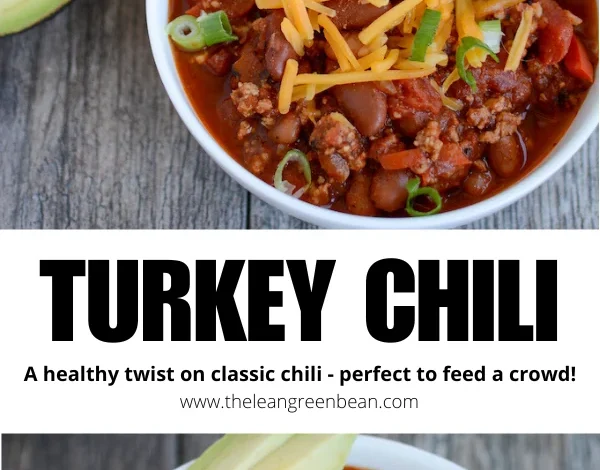
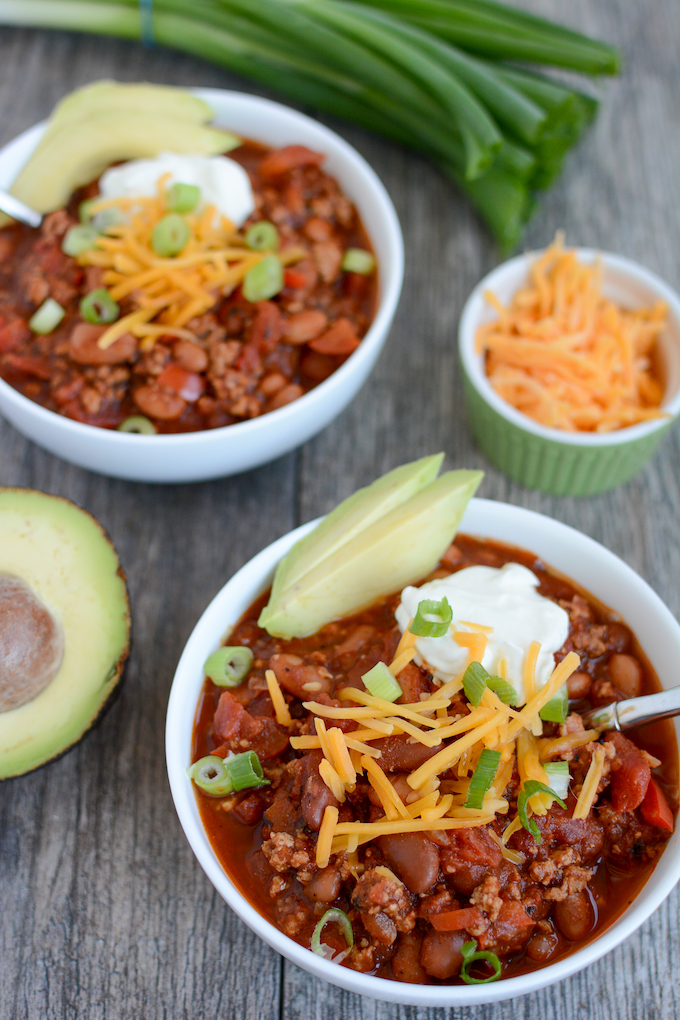
The culinary landscape has undergone a significant shift in recent years, with a growing emphasis on lean proteins and heart-healthy dietary patterns. Among the various adaptations of traditional comfort foods, healthy turkey chili has emerged as a prominent staple in both residential and institutional meal planning. By substituting traditional ground beef with lean ground turkey, home cooks and nutritionists alike have demonstrated that it is possible to retain the deep, complex flavor profiles associated with classic chili while significantly reducing saturated fat intake. This evolution in recipe development reflects broader health trends that prioritize high-protein, fiber-rich meals suitable for high-volume batch cooking and long-term storage.
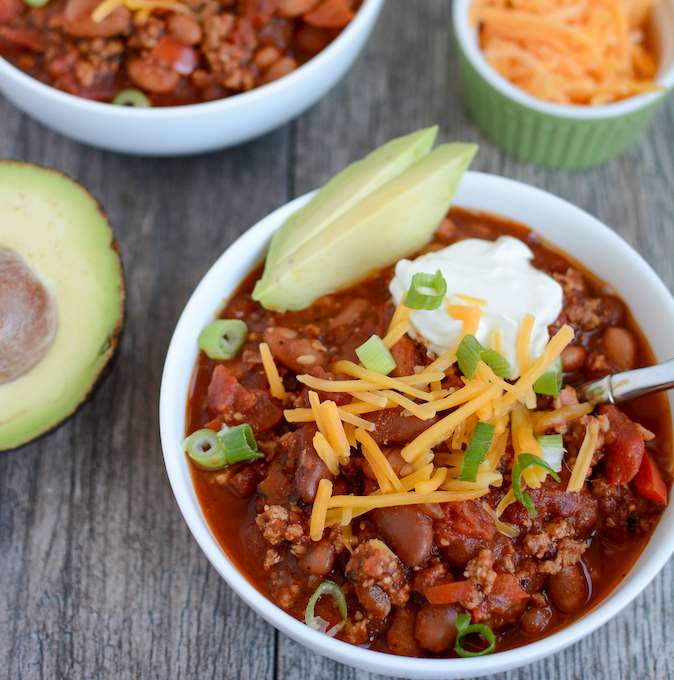
The Nutritional Evolution of Chili
The traditional American chili—historically rooted in Tex-Mex cuisine—relies heavily on red meat, which often contributes to a high caloric and saturated fat load. According to nutritional data provided by the American Heart Association, replacing high-fat ground beef with lean ground poultry (such as 93/7 lean turkey) can reduce saturated fat content by up to 50 percent per serving while maintaining an equivalent protein profile. A typical portion of this reformulated chili provides approximately 25 grams of protein, making it an ideal candidate for sports nutrition and weight management protocols.
The integration of fiber-dense legumes, such as kidney and pinto beans, further enhances the nutritional profile. These plant-based additions not only contribute to the dish’s satiety factor but also provide essential micronutrients, including iron, folate, and potassium. From a clinical perspective, this combination of lean animal protein and complex carbohydrates supports stable blood glucose levels, distinguishing it from refined, processed convenience foods.
Chronology of Preparation and Culinary Methodology
While the fundamental components of chili—protein, aromatics, tomato base, and legumes—remain consistent, the methodology of preparation has evolved to accommodate modern technological advancements in the kitchen.
Historically, the preparation of chili was a time-intensive process, requiring hours of low-heat simmering on a stovetop to develop depth of flavor. In contemporary kitchen environments, this process has been condensed through the use of multi-functional appliances. The transition from traditional stovetop methods to slow-cooking and pressure-cooking represents a broader change in how households approach meal prep.
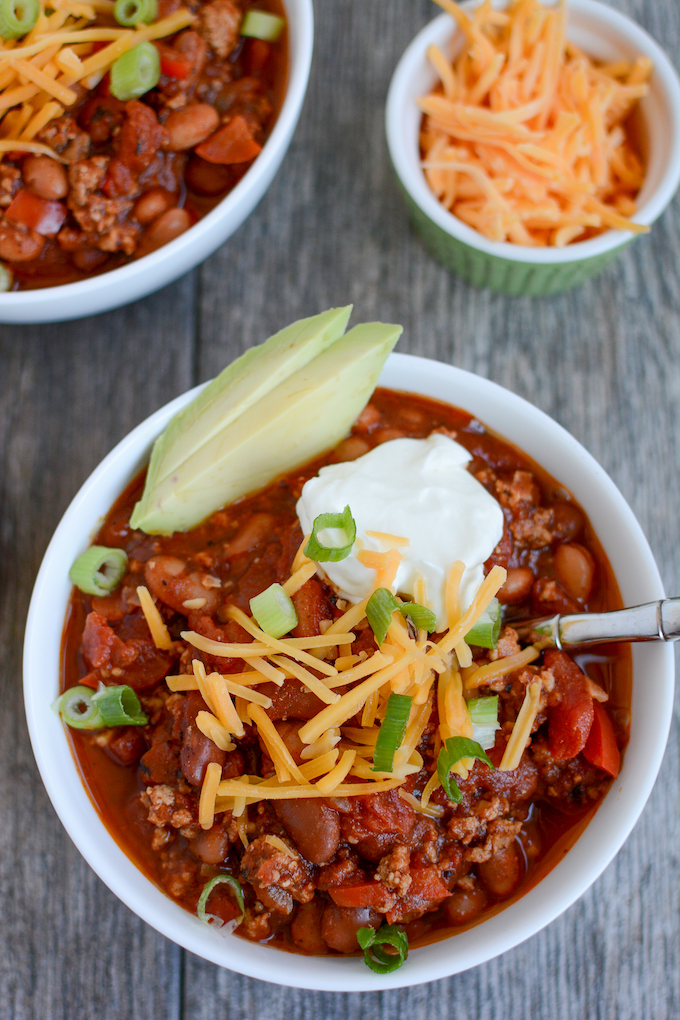
- Stovetop Optimization: The conventional method continues to be favored for its ability to reduce liquids effectively, allowing for a more concentrated flavor profile. Modern culinary techniques emphasize sautéing aromatics (onions and garlic) prior to browning the turkey to ensure that the Maillard reaction occurs, providing the necessary savory notes that replace the richness of beef fat.
- The Rise of Automated Cooking: The introduction of the "slow cooker" and the "Instant Pot" has facilitated a more hands-off approach to meal assembly. In the case of pressure cooking, the use of a "deglazing" step—adding broth to the pot after browning the meat—is critical. This technique ensures that the caramelized proteins (fond) at the base of the pot are incorporated into the liquid, maintaining the flavor complexity that might otherwise be lost in a rapid, high-pressure environment.
Supporting Data on Lean Protein Efficacy
The primary challenge in adopting ground turkey is the potential for the protein to lose moisture during the cooking process. Culinary experts note that because turkey has significantly less intramuscular fat than beef, it is more susceptible to drying out if overcooked. To mitigate this, practitioners recommend precise temperature control and the addition of moisture-retaining ingredients, such as tomato paste or vegetable stocks.
Data from food science laboratories indicate that the "dryness" often attributed to turkey can be negated by controlling the lean-to-fat ratio. Using a 93/7 blend rather than a 99/1 blend provides sufficient lipid content to prevent the meat from becoming granular or unpalatable. Furthermore, the inclusion of legumes acts as a hydration buffer, absorbing the seasoned liquid and ensuring a consistent texture throughout the dish.
Broader Impact and Industry Implications
The surge in interest regarding healthy, freezer-friendly meal options like turkey chili is indicative of a broader shift in consumer behavior toward "batch cooking" or "meal prepping." As inflation and rising grocery costs impact household budgets, the ability to produce large quantities of shelf-stable, nutrient-dense food has become a socioeconomic necessity.
Frozen storage, particularly when utilizing vacuum-sealing or flat-storage techniques, allows for a shelf life of up to four months. This longevity minimizes food waste, a key objective in sustainable home economics. The versatility of the dish—which can be served as a primary meal, incorporated into secondary recipes such as cornbread skillets, or utilized as a topping—further increases its utility for busy households.
Analysis of Dietary Trends
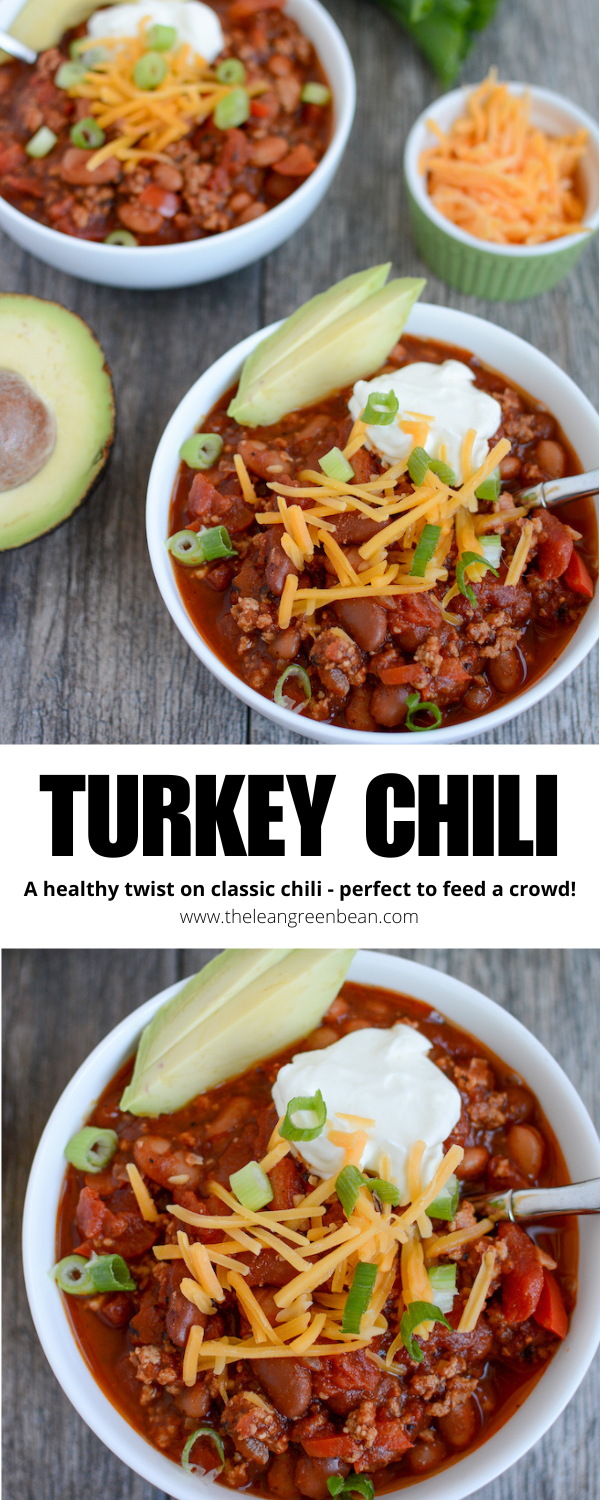
The transition toward turkey-based chili is not merely a trend in flavor preference but a reflection of the global movement toward "heart-healthy" diets. Public health initiatives, such as those promoted by the World Health Organization (WHO), have long advocated for a reduction in the consumption of processed red meats. By providing a familiar, culturally accepted vessel for beans and vegetables, the turkey chili recipe serves as a bridge for individuals transitioning away from high-fat diets.
Furthermore, the adaptability of the recipe to different cooking platforms—ranging from the rustic stovetop to the high-tech, multi-cooker—ensures that the dish remains relevant across various demographics, from college students with limited kitchen space to families managing busy work-life schedules.
Conclusion: A Staple for the Future
The enduring popularity of chili, in all its iterations, lies in its simplicity and its capacity for personalization. However, the move toward a leaner, turkey-based version represents a sophisticated alignment of traditional comfort food with contemporary nutritional science. As the culinary industry continues to emphasize the importance of protein quality and fiber intake, recipes that prioritize these metrics without compromising the sensory experience of the meal will likely remain at the forefront of home cooking. Through proper technique, strategic ingredient selection, and the use of modern kitchen technology, the healthy turkey chili stands as a testament to the fact that nutritional optimization does not have to come at the expense of traditional, heart-warming flavor.
Related posts: