Lower Sugar Granola: A Nutritional Analysis and Preparation Guide for Modern Households

The modern breakfast landscape for families has long been dominated by commercial cereals that frequently exceed recommended daily sugar intake levels for children. As pediatric nutritionists and health organizations continue to emphasize the long-term impact of early-life dietary habits, a growing movement toward homemade, controlled-ingredient alternatives has emerged. Central to this shift is the development of lower-sugar granola recipes, which utilize fruit-based sweeteners like applesauce to replace traditional high-fructose corn syrup or refined white sugars. This shift not only addresses immediate caloric concerns but also serves as a pedagogical tool for parents teaching children about ingredient transparency and nutritional balance.
The Nutritional Context of Breakfast Consumption
Data from the American Heart Association (AHA) suggests that children between the ages of 2 and 18 should consume less than 25 grams of added sugars per day. However, many conventional breakfast cereals intended for children contain between 10 and 15 grams of added sugar per single-cup serving. By substituting refined sweeteners with natural alternatives, such as unsweetened applesauce, home-prepared granola significantly lowers the glycemic index of the meal.

When granola is integrated into a breakfast rotation—often paired with fiber-rich yogurt or calcium-fortified milk—the resulting meal provides a more stable energy release. Unlike the "sugar crash" associated with processed cereals, the combination of complex carbohydrates from oats and the stabilizing effects of fiber creates a sustained satiety window. This is particularly relevant in school-age children, where consistent blood glucose levels have been linked to improved concentration and behavioral stability during morning academic sessions.
Historical Evolution of the Granola Trend
Granola originated in the late 19th century as a health food innovation, but it underwent a significant transformation in the 1960s and 70s when it was popularized as a snack food, often heavily sweetened with honey or molasses to appeal to a wider consumer base. Over the past decade, however, the "clean label" movement has pushed manufacturers and home cooks alike to rethink these ratios.
The current trend toward "lower sugar" iterations represents a maturation of the health food industry. The process has evolved from simple bulk-buying to specific, engineered home-cooking techniques that emphasize texture—often the primary barrier to children accepting healthier snacks. By adjusting the ratios of binders like applesauce to dry ingredients, the final product achieves the desired crunch without requiring a sticky, high-sugar syrup base.
Strategic Ingredient Selection and Preparation
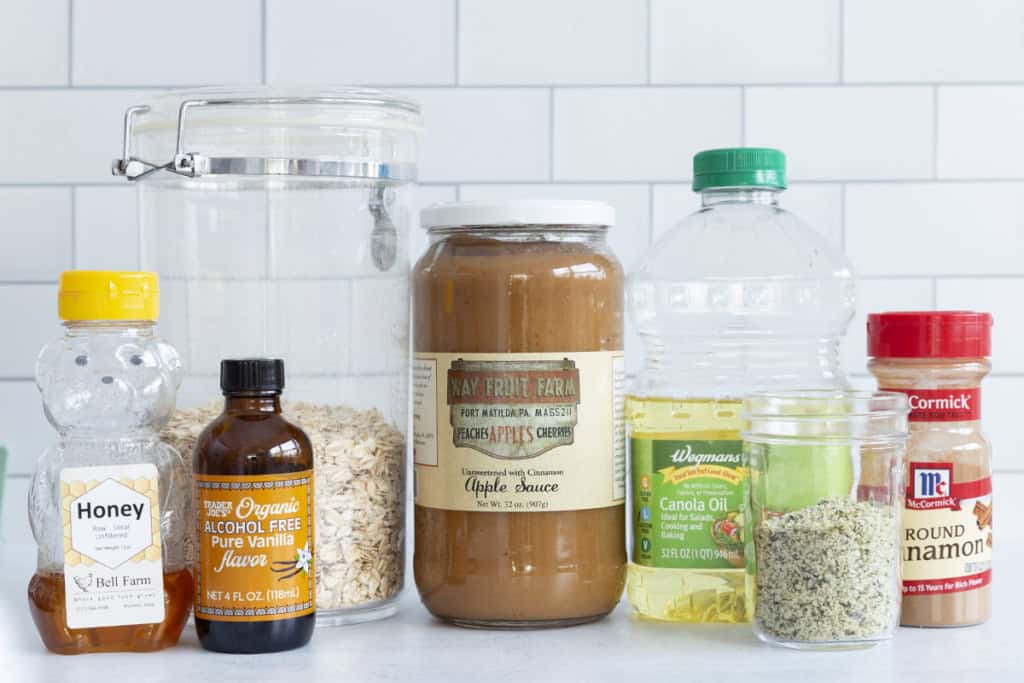
The efficacy of a lower-sugar granola recipe relies on the interaction between its core components: rolled oats, a healthy fat source (such as olive oil), and a fruit-based binder.
- The Base: Rolled oats serve as the foundation, providing essential beta-glucans, which are soluble fibers known to support heart health and digestion.
- The Binder: Replacing refined sugar with applesauce acts as a dual-purpose agent. It provides moisture that allows the oats to crisp in the oven and imparts a natural, subtle sweetness that does not overwhelm the palate of a child.
- Texture Management: For younger children, specifically those in the one-year-old development bracket, the mechanical challenge of chewing large, toasted oat clusters can be a safety concern. The industry standard for adapting this for infants involves processing the baked granola into a "sprinkle" texture. This maintains the nutritional profile while ensuring age-appropriate food consistency.
Methodological Overview for Home Preparation
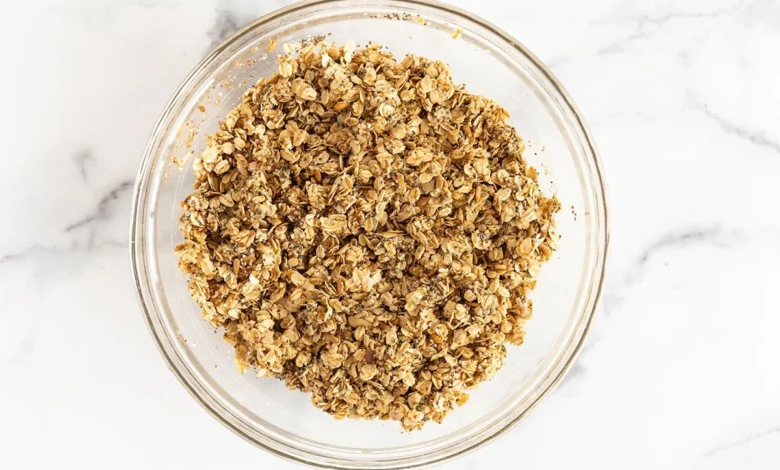
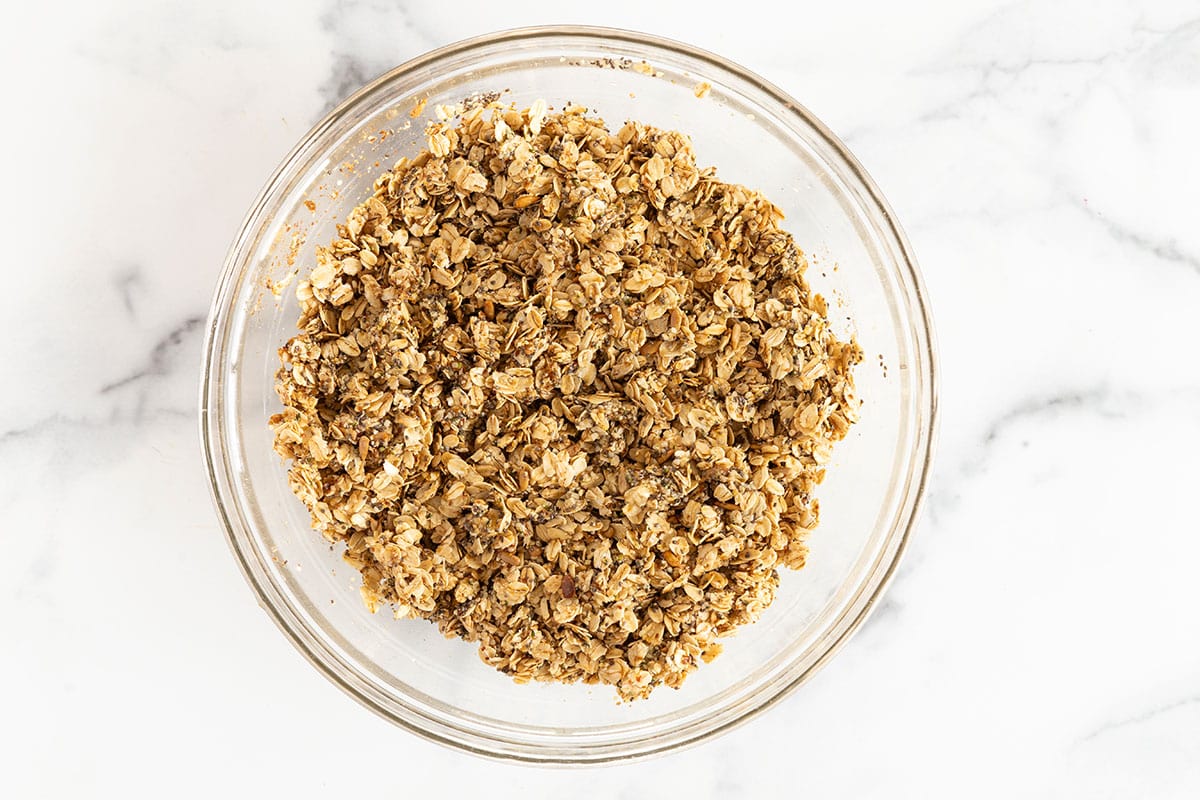
The preparation of lower-sugar granola follows a standardized culinary timeline. The process begins with the combination of dry ingredients, including oats and optional seeds (such as hemp, sunflower, or pumpkin). The wet ingredients—typically applesauce, a minimal amount of oil, and spices like cinnamon—are whisked together before being folded into the dry mixture.
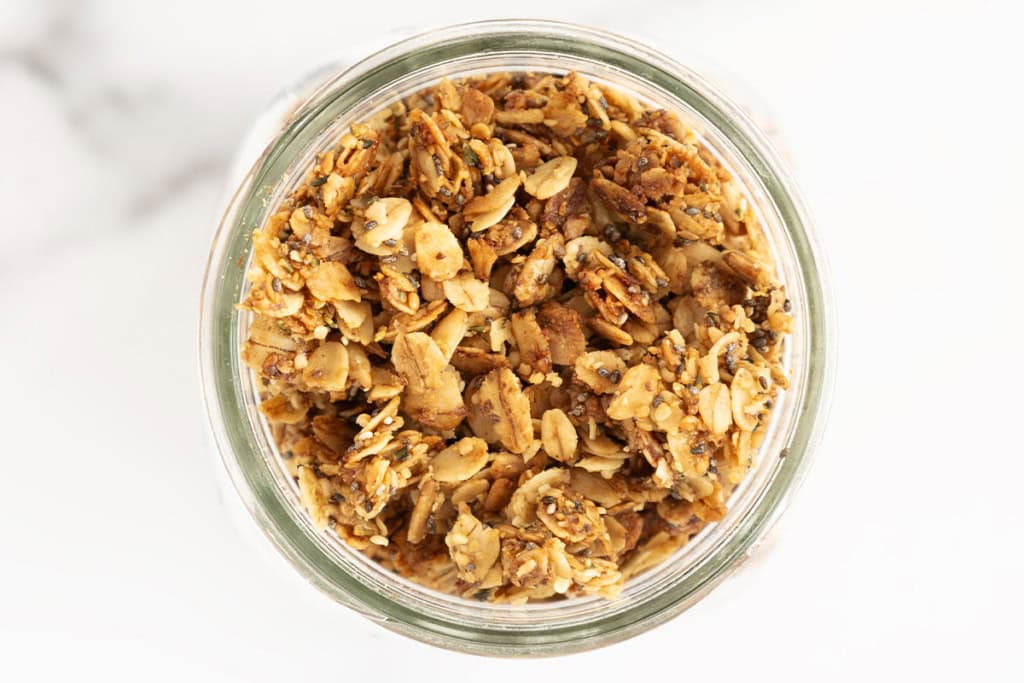
The baking phase is critical to the final product’s quality. A moderate oven temperature is maintained to ensure the oats toast evenly without burning the natural sugars found in the fruit binder. Upon removing the mixture from the heat, any heat-sensitive ingredients, such as dried fruit or coconut shavings, are added to prevent over-dehydration. The cooling process is equally essential; allowing the granola to rest on the baking sheet for at least 30 minutes facilitates the crystallization of the binders, which is what creates the "crunch" factor desired by consumers.
Addressing Dietary Restrictions and Allergen Safety
A significant advantage of home-prepared granola is the mitigation of cross-contamination risks associated with mass-produced cereals. For families managing nut allergies, the ability to substitute traditional nuts with seeds provides a safe, nutrient-dense alternative. Hemp seeds, in particular, have gained traction in professional nutrition circles due to their complete protein profile and Omega-3 fatty acid content.
The flexibility of the recipe allows it to be customized to meet specific household needs. For instance, removing all added sweeteners—including natural ones like maple syrup—is a viable path for families aiming for a strict "zero added sugar" diet. This adaptability is the primary driver behind the recipe’s longevity in family meal plans, as it can grow and change alongside the evolving tastes and health requirements of a developing child.
Economic and Logistical Implications
From a budgetary perspective, the transition to homemade granola offers a quantifiable cost saving. While premium organic, low-sugar granolas in retail settings can cost upwards of $8.00 per 12-ounce bag, the raw materials for a homemade equivalent—oats, applesauce, and seeds—are significantly more affordable.
Furthermore, the storage logistics provide a long-term benefit. Once cooled, the granola maintains its structural integrity for up to one month in an airtight container at room temperature. For longer-term planning, the product is highly amenable to freezing, with a shelf life of up to three months. This allows households to engage in "batch cooking," a time-saving strategy that aligns with the requirements of busy working families.
Broader Public Health Implications
The widespread adoption of lower-sugar breakfast alternatives is viewed by many public health analysts as a necessary intervention in the face of rising childhood obesity rates. By standardizing the inclusion of nutrient-dense, lower-sugar meals, parents can influence the long-term metabolic health of their children. The shift is not merely about calories; it is about palate training. Children accustomed to lower-sugar breakfast options are statistically more likely to prefer lower-sugar snacks as they age, effectively breaking the cycle of high-sugar dependence common in the modern Western diet.
Conclusion: A Sustainable Breakfast Future
As nutritional science advances, the focus on "hidden sugars" will likely continue to intensify. Recipes that prioritize whole-food ingredients like applesauce and oats provide a scalable solution for families looking to balance convenience with health. By understanding the chemical and physical properties of these ingredients, home cooks can produce high-quality, shelf-stable, and, most importantly, nutritionally sound meals that cater to both the physiological needs of children and the practical demands of the modern household. The shift toward lower-sugar granola is, in essence, a practical application of preventative health, turning a simple breakfast item into a cornerstone of a balanced, mindful diet.