The Rise of One-Pan Culinary Solutions: Mastering the Chicken Taco Pasta

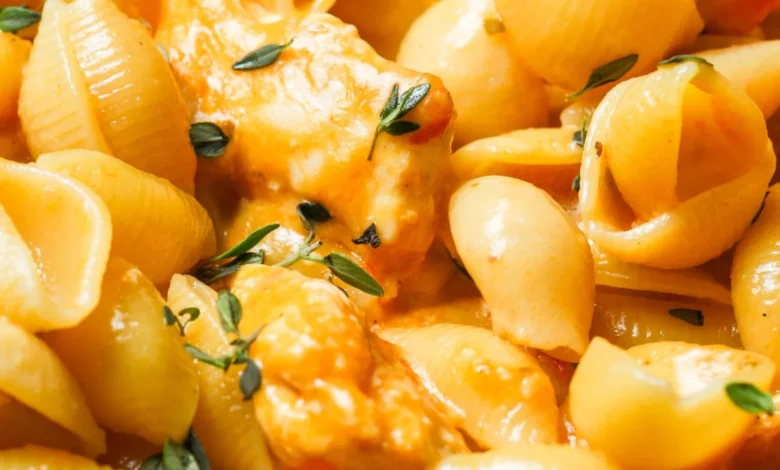
The modern culinary landscape is witnessing a significant shift toward efficiency, as home cooks increasingly prioritize time-saving techniques without sacrificing nutritional quality or flavor complexity. At the forefront of this movement is the emergence of "one-pan" meals, a culinary strategy that reduces labor, cleanup, and kitchen congestion. Among these, the Chicken Taco Pasta has gained substantial traction in home kitchens across North America, serving as a case study for the fusion of traditional comfort food with modern, streamlined cooking methodologies. This dish represents a sophisticated blending of two distinct cultural staples—Mexican-inspired taco seasoning and Italian-style pasta—into a cohesive, high-protein, and rapidly prepared dinner solution.
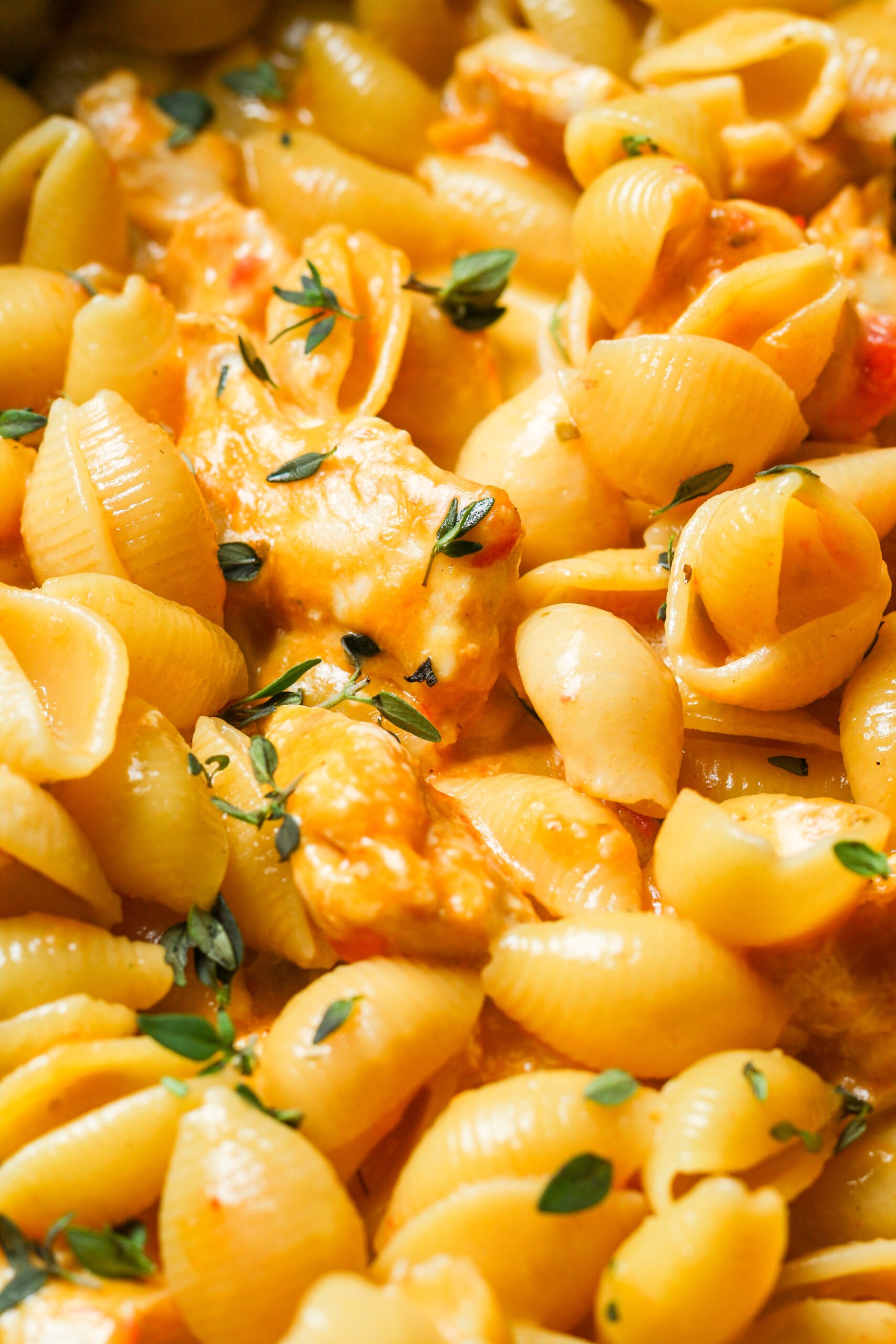
The chronological evolution of this recipe mirrors the broader "real food" movement, which emphasizes the use of whole ingredients and the reduction of processed additives. While pasta and taco-based dishes have been household staples for decades, the integration of these two distinct flavor profiles into a single-skillet format marks a more recent development in convenience-oriented cooking. The timeline of this dish’s popularity correlates with the post-2020 increase in home-cooked meal consumption, as families sought ways to manage the increased demand for daily meal preparation. By utilizing a single vessel, cooks are able to leverage the starch from the pasta to thicken the sauce naturally, a chemical process that elevates the dish from a simple combination of ingredients to a cohesive culinary experience.
Nutritional Composition and Ingredient Analysis
The foundational elements of an effective Chicken Taco Pasta rely on the balance of protein, complex carbohydrates, and fats. Nutritionists often highlight the importance of high-quality protein sources, such as boneless, skinless chicken breast or thighs, which provide the essential amino acids required for muscle maintenance. In this preparation, the chicken is typically cubed into uniform one-inch pieces to ensure consistent thermal distribution and texture.
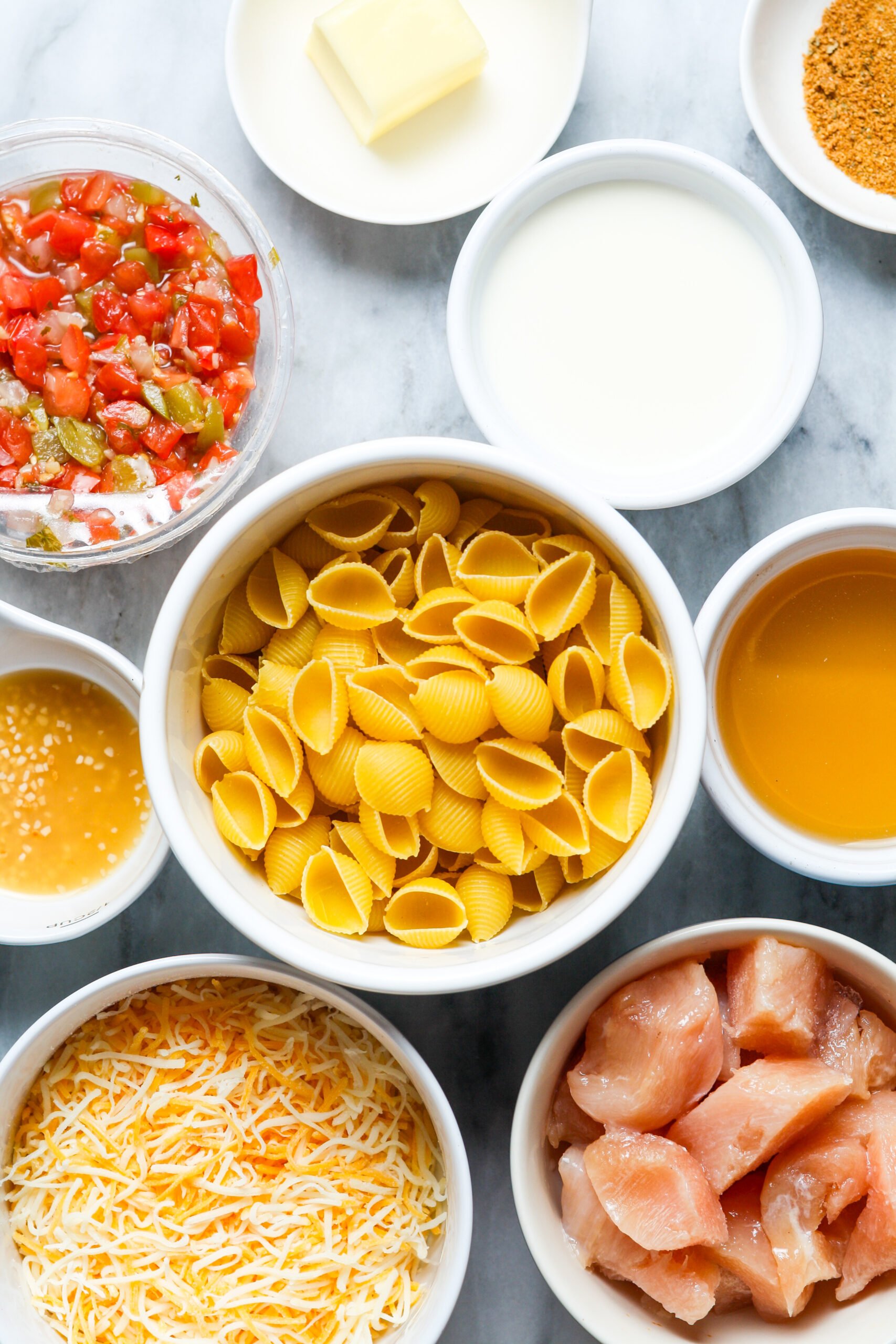
The integration of whole wheat pasta shells provides a source of dietary fiber, which, according to various public health data, is frequently under-consumed in the average Western diet. When compared to refined white pasta, whole grain alternatives offer a lower glycemic index, leading to more stable blood sugar levels following consumption. The sauce, which serves as the flavor carrier, utilizes chicken broth—a nutrient-dense liquid rich in minerals—and milk, which contributes to the desired creamy consistency. The addition of sugar-free, tomato-based ingredients, such as fire-roasted tomatoes or salsa, introduces essential lycopene and vitamin C, rounding out the nutritional profile of the dish.
The Science of One-Pan Preparation
From a technical standpoint, the success of the one-pan method relies on precise heat management and liquid ratios. The process typically begins with the sautéing of proteins in a high-smoke-point fat, such as butter or olive oil. This step is critical for the Maillard reaction, a chemical process that results in the browning of the chicken, thereby creating a depth of flavor that is essential for a high-quality finished product.
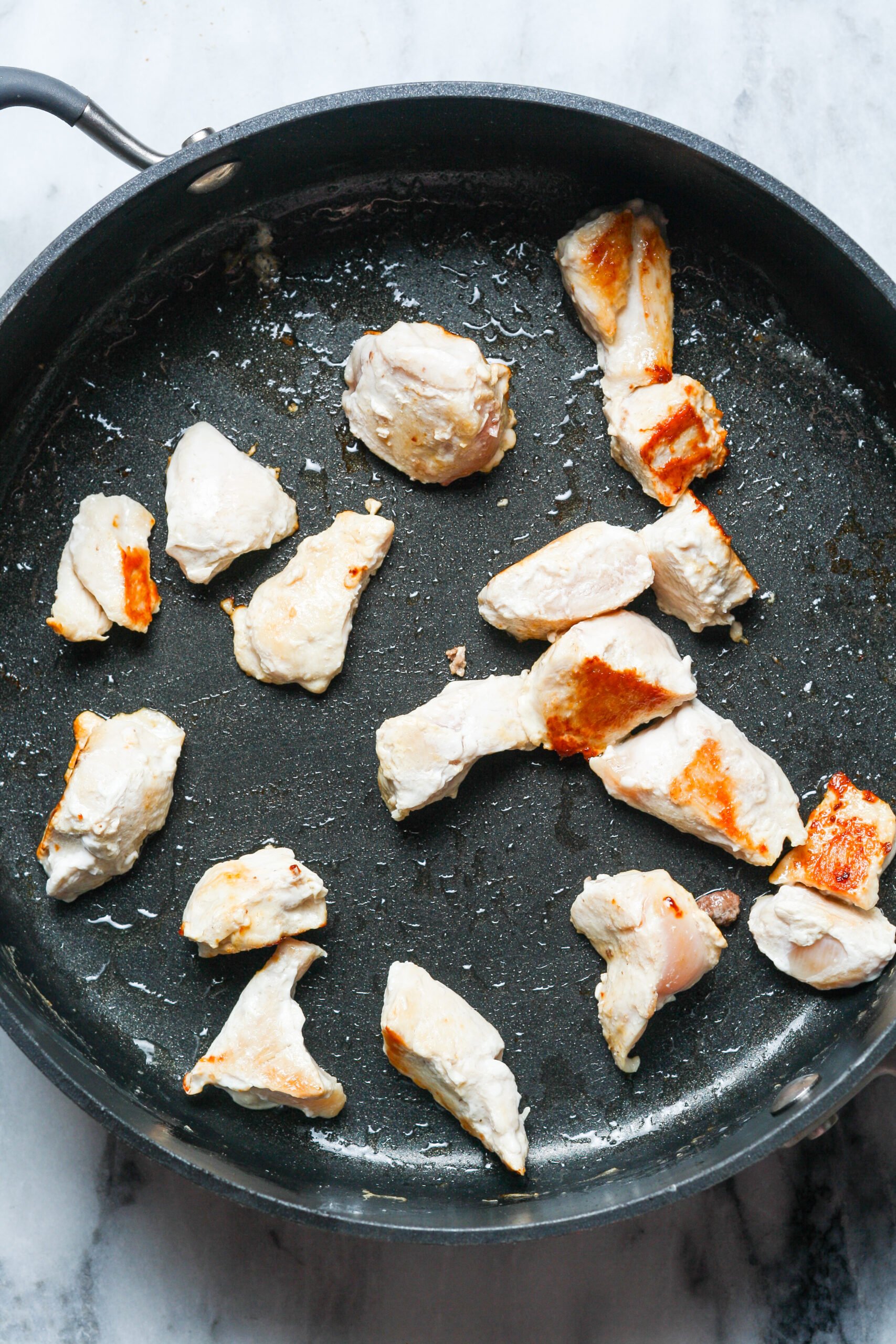
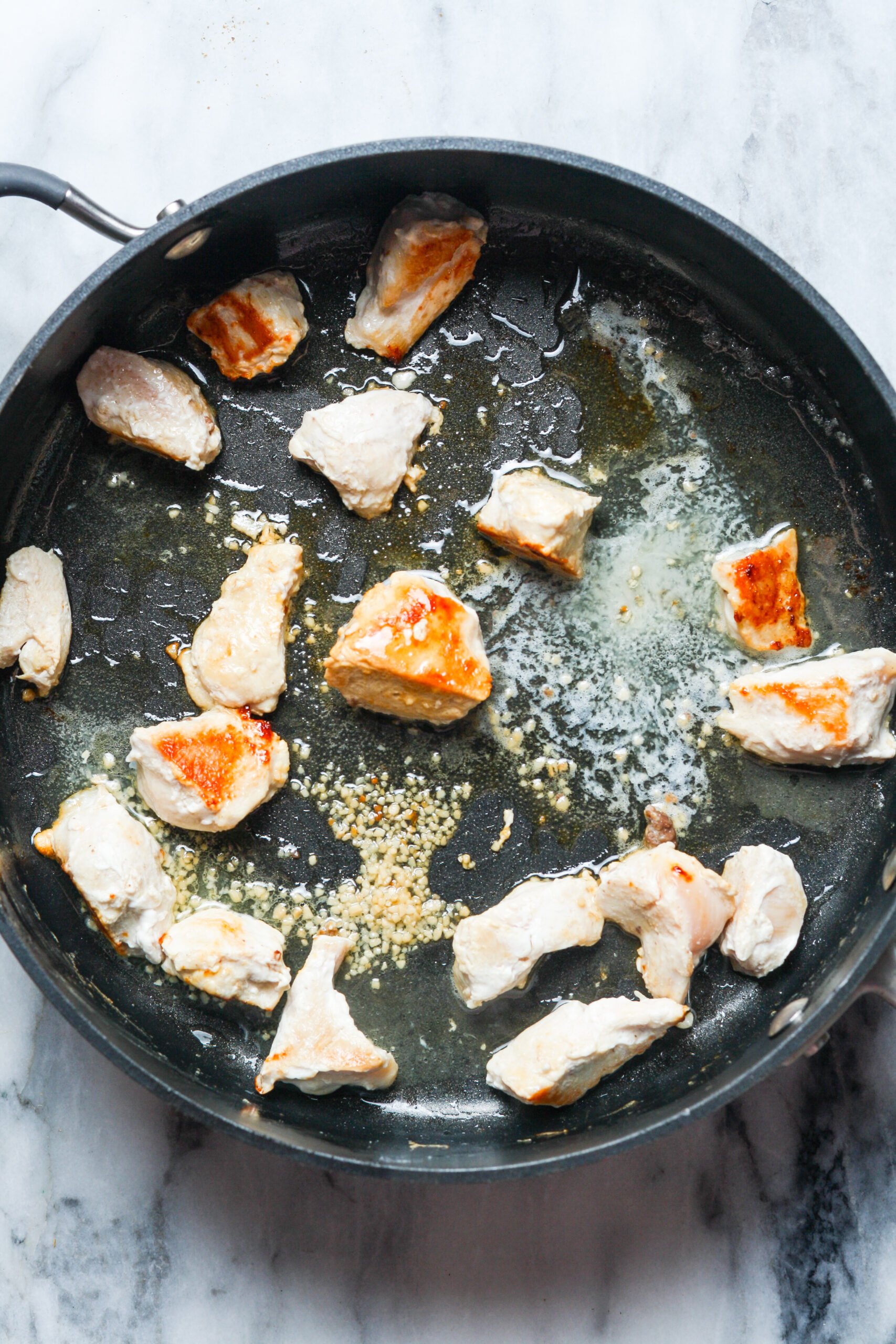
Following the browning phase, the addition of aromatics like minced garlic and the introduction of taco-inspired spices—typically a blend of cumin, chili powder, oregano, and paprika—creates a fragrant base. The subsequent addition of liquid is the most technical aspect of the procedure. The ratio of liquid to pasta must be carefully calibrated; the starch released during the boiling process interacts with the dairy components to create an emulsified, thickened sauce. This eliminates the need for flour-based roux or heavy creams, representing a cleaner approach to sauce-making that appeals to health-conscious consumers.
Market Trends and Consumer Behavior
Market analysis of home-cooking trends indicates that the popularity of such recipes is driven by a measurable increase in the demand for "low-effort, high-reward" meal planning. Data from various consumer research firms suggest that the average American household spends approximately 45 to 60 minutes preparing dinner on a weeknight. Dishes like the Chicken Taco Pasta, which can be prepared in under 30 minutes, directly address the time-poverty issue facing modern working professionals and families.
Industry experts note that this trend is not merely a passing fad but a long-term adjustment in consumer behavior. With the rising cost of dining out, the economic incentive to master versatile, cost-effective meals at home has reached a historical high. By utilizing shelf-stable pantry items—such as pasta, canned tomatoes, and dry spices—alongside accessible fresh proteins, this dish provides an affordable alternative to takeout without requiring advanced culinary skills.
Adaptability and Culinary Inclusivity
One of the most notable features of the Chicken Taco Pasta is its high degree of adaptability, which allows it to conform to various dietary restrictions and personal preferences. This inclusivity is a hallmark of successful modern recipes. For instance, the transition to a gluten-free diet is easily accommodated by substituting traditional wheat-based pasta with alternatives made from legumes or rice, provided the spice blends and broths are verified as gluten-free.
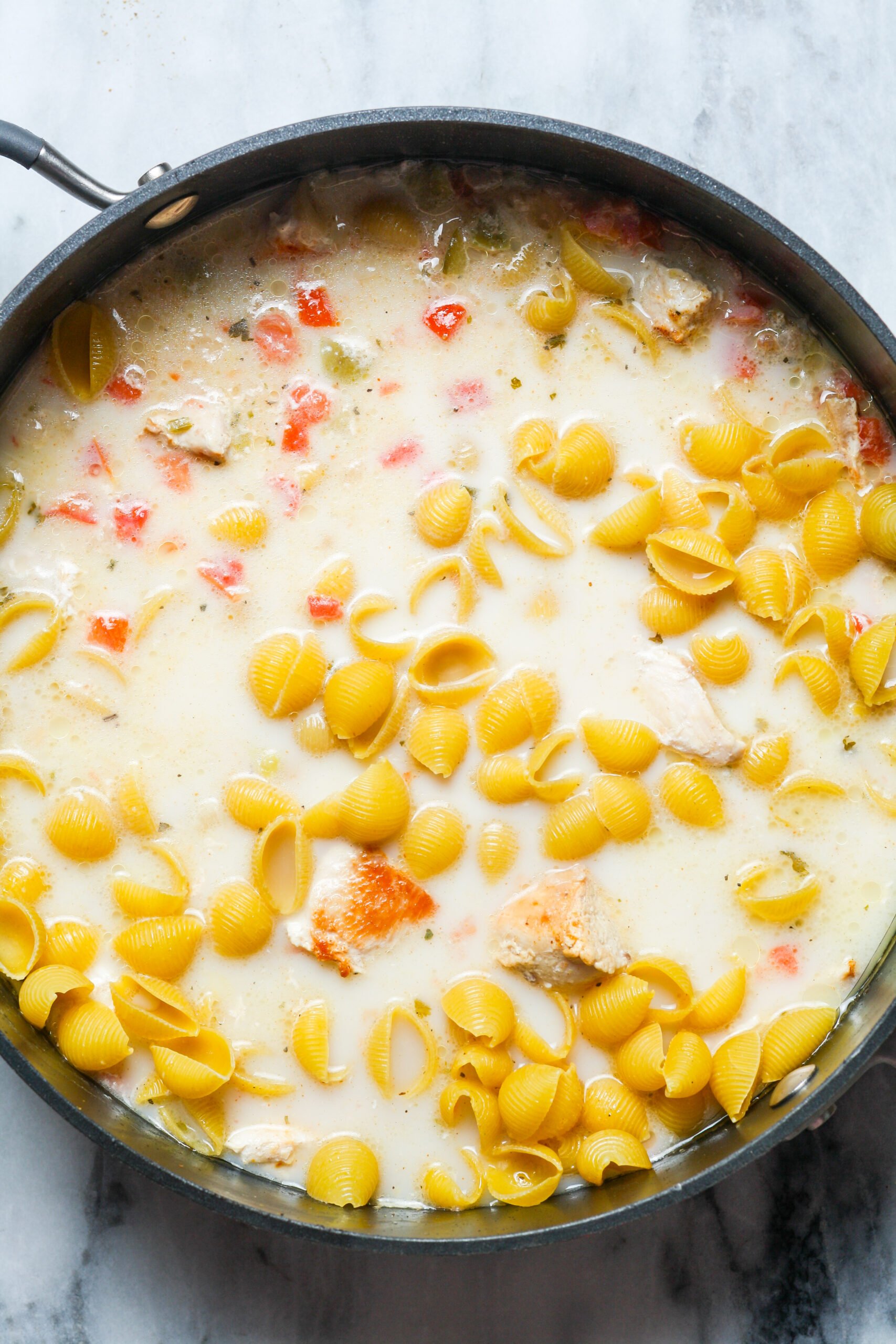
Furthermore, the recipe’s architecture supports the integration of diverse vegetable profiles. Incorporating black beans, corn, or bell peppers does more than increase the dish’s aesthetic appeal; it enhances the dietary fiber and micronutrient content. This flexibility allows for regional variations, such as the use of Pepper Jack cheese for those preferring a higher heat threshold, or the inclusion of Greek yogurt as a topping to boost probiotic intake and protein density.
Implications for Future Meal Planning
The broader impact of adopting one-pan recipes like this extends beyond the immediate dinner table. By minimizing the number of dishes used, the environmental impact of water consumption and energy usage associated with dishwashing is reduced. This aligns with a growing public consciousness regarding sustainability in the kitchen.
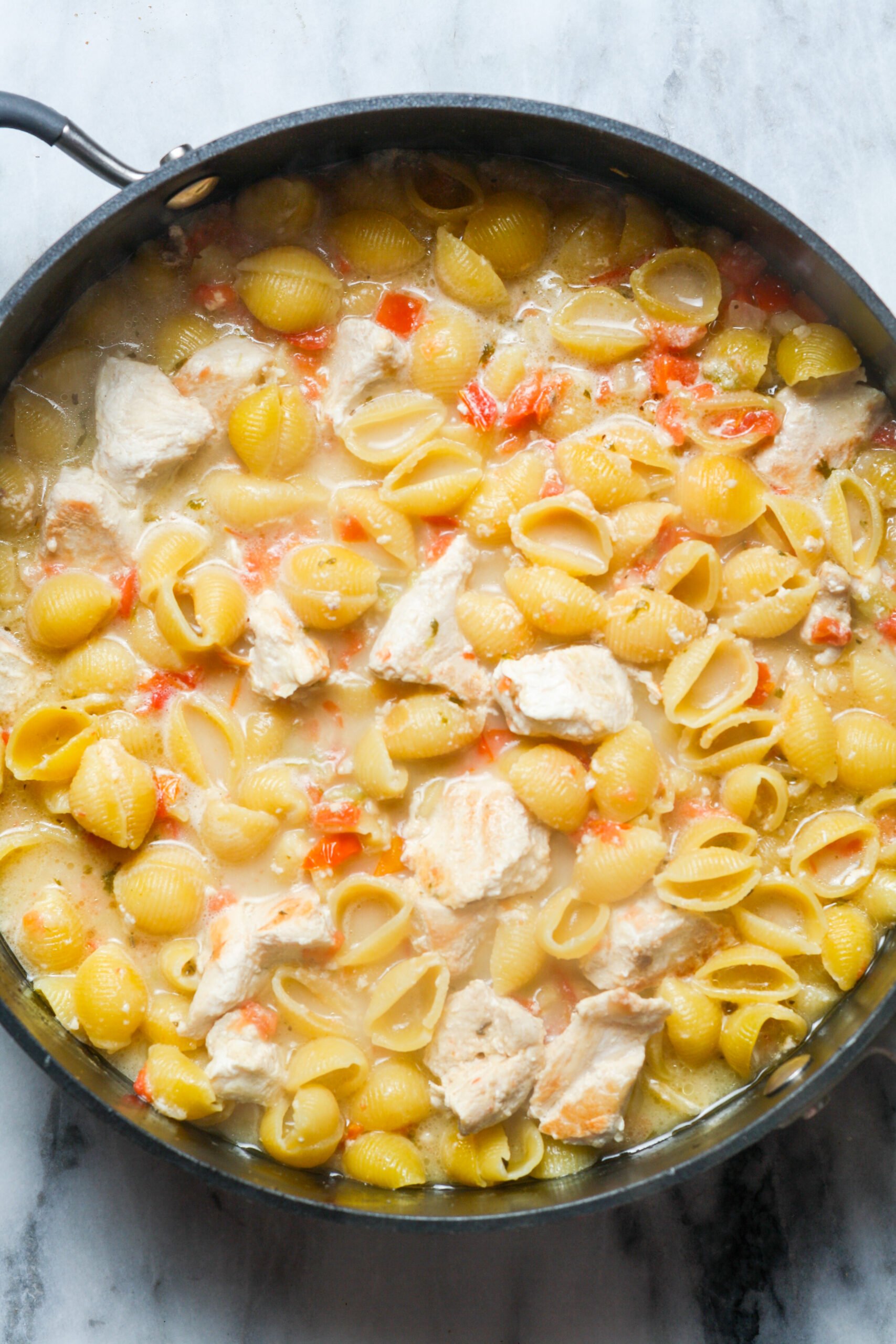
Furthermore, the pedagogical value of such recipes should not be underestimated. For novice cooks, the process of tempering heat, deglazing a pan, and balancing flavor profiles provides an accessible entry point into the world of culinary arts. As home cooking continues to evolve in response to technological and social changes, the focus will likely remain on these types of efficient, scalable, and nutritionally sound solutions.
Expert Perspectives on Culinary Simplification
Food scientists and culinary instructors often categorize the "one-pan" approach as a triumph of practical engineering. By reducing the number of variables in the cooking process, the margin for error is significantly minimized. When the chicken is browned correctly and the liquid-to-pasta ratio is maintained, the resulting dish is consistently palatable.
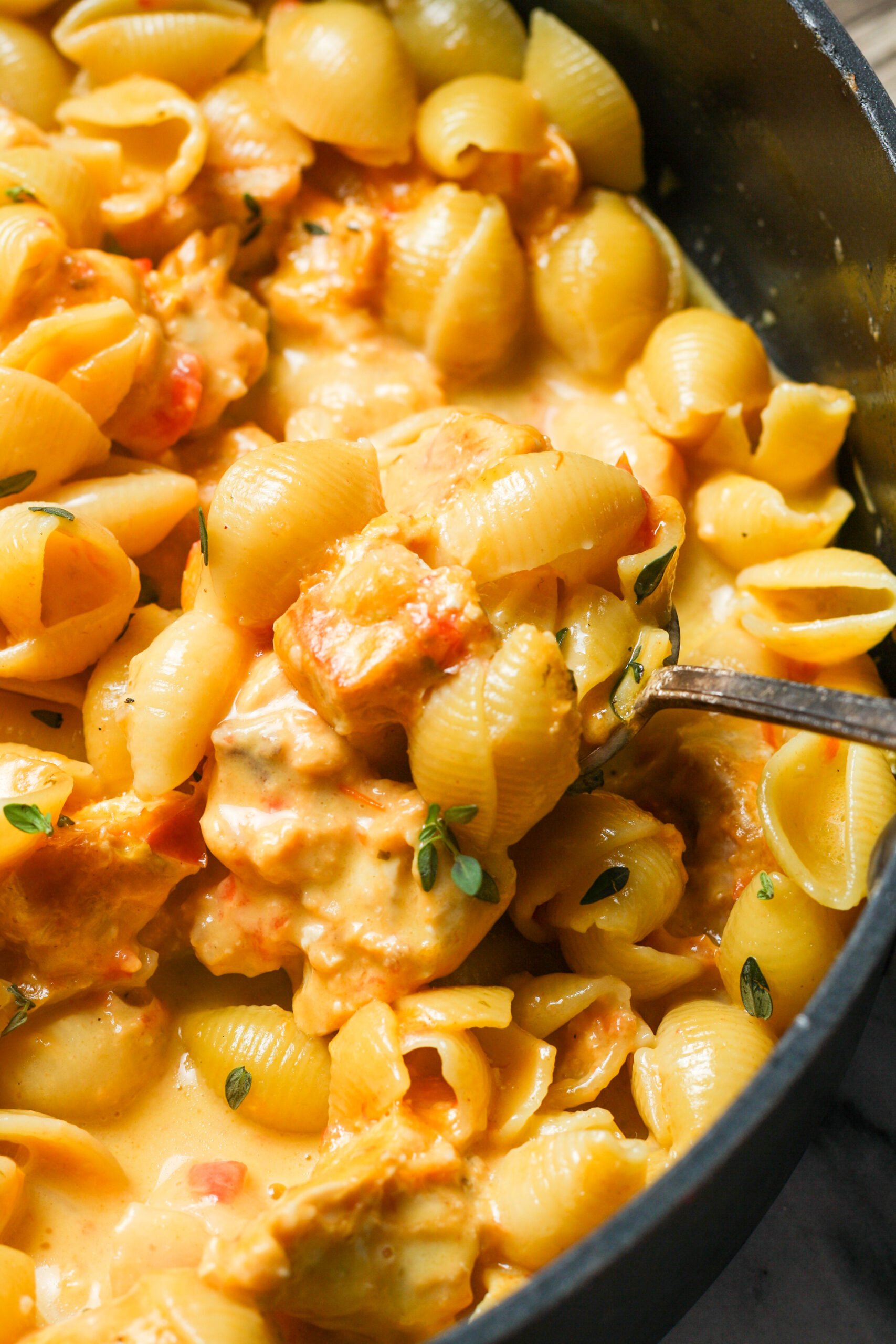
Reactions from the culinary community have been largely positive, emphasizing that simplification does not equate to a compromise in quality. Instead, it represents an evolution of traditional techniques. The ability to achieve a complex, multi-layered flavor profile through a single-pot process is seen as a key development in modern domestic gastronomy.
Conclusion: A Staple for the Modern Kitchen
The Chicken Taco Pasta stands as a definitive example of how modern convenience can coexist with traditional flavor. It is a dish that responds to the demands of the 21st-century lifestyle—fast, nutritious, and adaptable—while honoring the culinary traditions of both Mexico and Italy. As research continues to favor home-cooked meals for their health and economic benefits, it is likely that this dish will remain a foundational element of the contemporary home cook’s repertoire. Whether for a busy weeknight or a planned family meal, the simplicity of the process, combined with the versatility of the ingredients, ensures that this one-pan creation will continue to influence domestic meal planning for years to come. By mastering the fundamental techniques involved, individuals can ensure that their dinner routines are both efficient and deeply satisfying.