The Ultimate Guide to Sustainable Dressing Gowns and Ethical Loungewear in the UK

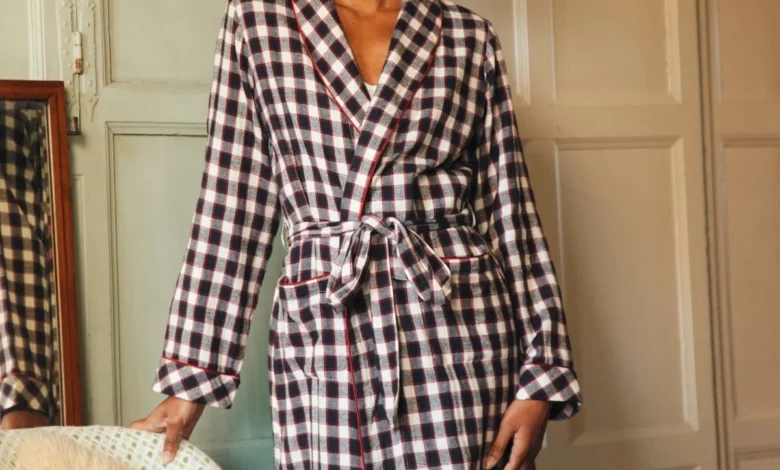
As temperatures drop across the United Kingdom, consumer interest in winter loungewear has surged, prompting a critical examination of the textile industry’s environmental footprint. While the dressing gown remains a staple of the British household, the traditional production of these garments often relies on virgin synthetic materials, such as polyester, which are derived from fossil fuels and contribute significantly to microplastic pollution. As the global fashion sector faces increasing pressure to adopt circular economy principles, UK consumers are shifting their purchasing power toward brands that prioritize organic fibers, recycled textiles, and transparent, ethical manufacturing processes.
The Environmental Cost of Conventional Loungewear
The fashion industry is responsible for approximately 8% to 10% of global carbon emissions, according to the United Nations Environment Programme. Within the loungewear category, the prevalence of virgin polyester is particularly concerning. Polyester is a plastic-based fiber that requires significant energy to produce and does not biodegrade, often shedding microfibers into water systems during laundering.
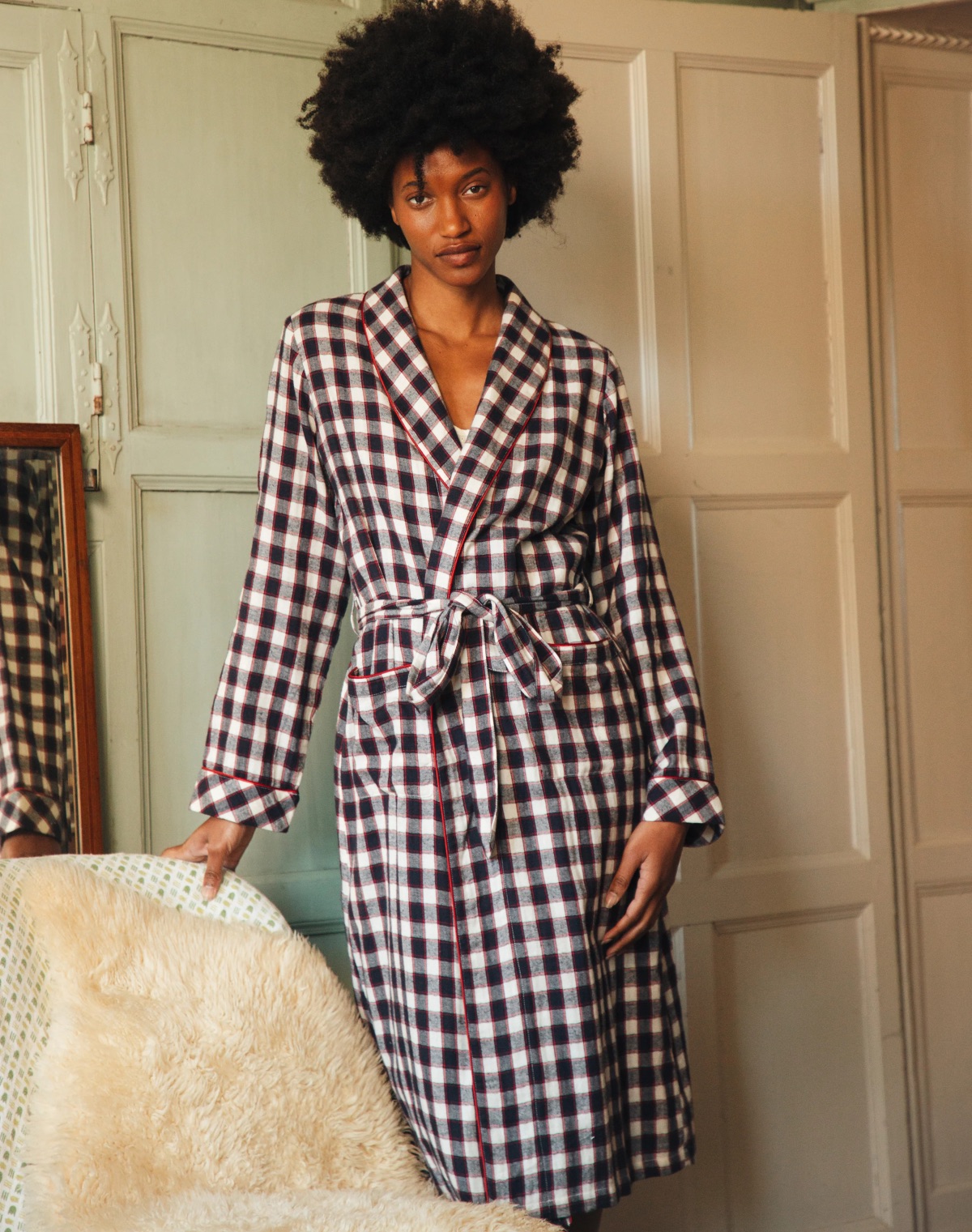
Furthermore, the social implications of rapid production cycles in the textile industry remain a primary concern for advocacy groups. Many low-cost dressing gowns are produced in regions where labor laws are loosely enforced, leading to concerns regarding living wages and workplace safety. This has catalyzed a move toward "slow fashion," where quality and durability are prioritized over disposable, low-cost alternatives.
A Chronology of Sustainable Textile Standards
The shift toward ethical fashion has been facilitated by the emergence of rigorous international standards designed to verify claims of sustainability:
- 2005: The Soil Association pioneers the adoption of the Global Organic Textile Standard (GOTS) in the UK, establishing a benchmark for the processing of textiles made from organic fibers.
- 2010s: The rise of B-Corp certification begins to gain traction in the UK, evaluating companies based on their social and environmental performance, transparency, and accountability.
- 2020-2024: Heightened awareness regarding the "greenwashing" of clothing products leads to increased scrutiny by the Competition and Markets Authority (CMA) in the UK, requiring brands to provide evidence for environmental claims.
- 2024: Major high-street retailers, responding to consumer demand, begin integrating certified recycled materials and traceable wood-pulp viscose into their seasonal lines.
Ethical Alternatives: Leading Brands in the UK Market
Industry analysis indicates that several brands are currently setting the standard for sustainable loungewear by focusing on supply chain integrity and material innovation.

Pure Earth Collection
Pure Earth Collection has distinguished itself by utilizing 100% organic cotton for both internal and external layers of its robes. Beyond material selection, the brand operates an ocean-cleanup initiative, directly tying product sales to the removal of marine plastics. By utilizing non-toxic, safe dyes, the company mitigates the risk of chemical runoff, which is a common byproduct of conventional textile finishing.
Seasalt Cornwall
A long-standing advocate for organic textiles, Seasalt became a certified B-Corp in 2024. The company utilizes recycled polyester for its fleece-lined robes, effectively repurposing plastic waste. Its commitment to the "takeback" scheme—which encourages customers to return old garments for recycling—addresses the critical issue of end-of-life disposal, preventing textiles from reaching landfills.
Brora
For the luxury market, Brora offers high-end natural fiber options, including 100% wool and cotton-silk blends. The brand’s focus on long-term value—despite higher price points—is a hallmark of sustainable consumption. By auditing its manufacturing facilities in India and recycling 90% of factory fabric waste into new yarn, Brora demonstrates a commitment to circular production.

WooWoo London
Founded in 2023, WooWoo London represents the "small-batch" production model. By manufacturing in Jaipur, India, the brand preserves traditional artisanal techniques while ensuring that production does not exceed demand. This approach significantly lowers the carbon footprint associated with excess inventory and waste.
Haus of Niya
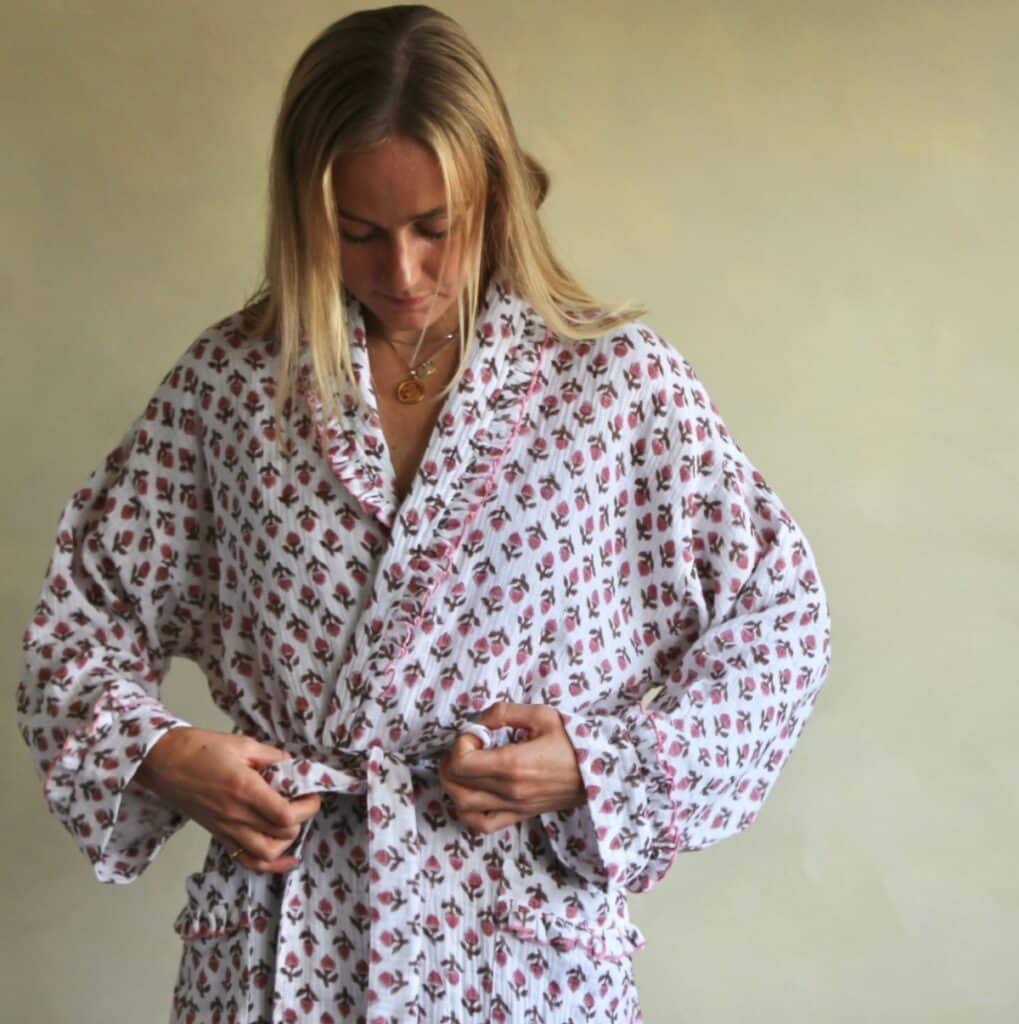
Operating primarily through independent digital marketplaces, Haus of Niya focuses on GOTS-certified organic cotton. Its model provides a case study in decentralized, ethical supply chains where the shipping footprint is minimized by sourcing and printing within specialized, smaller-scale environments.
White Stuff
As a representative of the UK high street, White Stuff has integrated Livaeco™ Viscose into its collections. This material is derived from responsibly sourced wood pulp and requires significantly less water and energy than conventional viscose. While the company still balances high-volume sales with sustainability goals, its 2024 report indicated that 70% of its products utilize certified materials, signaling a measurable shift in corporate policy.
Data-Driven Implications for Consumers
For the average consumer, navigating these labels requires an understanding of the "price-per-wear" metric. While an organic cotton or recycled polyester robe may command a higher upfront cost (often exceeding £100), the durability of these materials often results in a lower cost over the garment’s lifespan compared to cheaper, fast-fashion alternatives.
The integration of circularity into the supply chain—such as Brora’s fabric recycling or Seasalt’s takeback scheme—represents a transition from a linear "take-make-waste" model to a more sustainable system. However, experts note that transparency remains the most significant hurdle. Consumers are advised to look for third-party certifications, such as GOTS, Fairtrade, or B-Corp status, rather than relying solely on vague marketing terms like "eco-friendly" or "natural."
Future Outlook and Industry Trajectory
The trajectory for the UK fashion industry is increasingly dictated by legislative developments. The European Union’s Strategy for Sustainable and Circular Textiles is likely to influence UK standards, with incoming regulations expected to mandate digital product passports and stricter anti-greenwashing rules.

Industry leaders suggest that the next phase of sustainable loungewear will involve advancements in bio-based synthetic alternatives and enhanced supply chain mapping. For the conscious consumer, the current market offers a diverse range of options, provided that one is willing to prioritize long-term utility and corporate transparency over the immediate convenience of fast-fashion pricing. As the sector evolves, the ability of brands to maintain, or ideally improve, their sustainability performance will likely be the defining factor in their long-term viability in an increasingly climate-conscious economy.