Breakthrough T1D Inaugural Clinical and Research Congress Unites Global Experts in Philadelphia to Accelerate Type 1 Diabetes Cures and Therapeutics

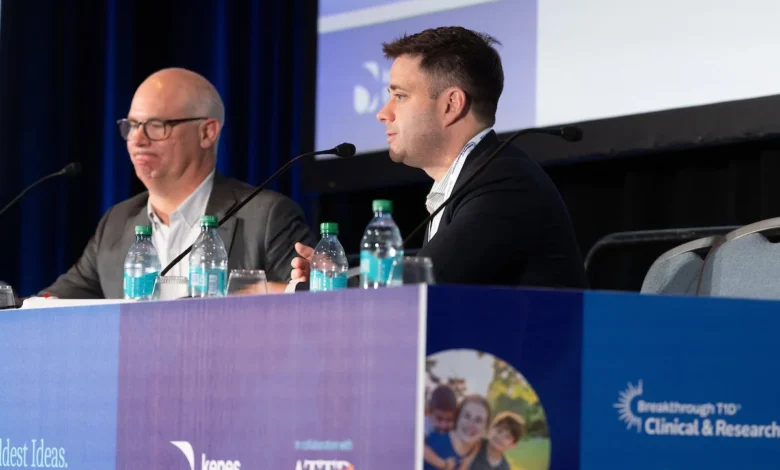
The inaugural Breakthrough T1D Clinical and Research Congress (CRC 2026) officially commenced in Philadelphia, Pennsylvania, drawing hundreds of the world’s leading clinicians, researchers, scientists, healthcare executives, and patient advocates. This landmark three-day gathering is dedicated entirely to the advancement of type 1 diabetes (T1D) science, clinical care, early detection methodologies, and transformative cures. As the diabetes research landscape enters a transformative era defined by biological breakthroughs and artificial intelligence-driven care technologies, CRC 2026 serves as a pivotal forum designed to foster cross-disciplinary collaboration, evaluate translational research, and establish a unified roadmap for a world without T1D.
Background and Context of the Event
For decades, the management of type 1 diabetes relied primarily on exogenous insulin administration, rigorous self-monitoring of blood glucose, and the gradual evolution of medical hardware such as continuous glucose monitors (CGMs) and insulin pumps. However, the past several years have catalyzed a paradigm shift in how the medical community approaches the condition. The emergence of disease-modifying therapies (DMTs)—which can delay the onset of clinical stage 3 T1D—alongside groundbreaking advancements in stem cell-derived islet transplantation and automated insulin delivery (AID) systems, created an urgent need for a dedicated, comprehensive scientific congress.
Breakthrough T1D conceived CRC 2026 to bridge the gap between bench science and bedside application, ensuring that academic researchers, industry sponsors, and clinical practitioners operate with shared objectives. By convening in Philadelphia, a major hub for biomedical innovation, the conference establishes an environment where early-stage biotech startups, venture philanthropy funds like the T1D Fund, and institutional academic medical centers can forge strategic partnerships to accelerate commercialization and clinical trial access.
Islet Cell Therapies and Immunosuppression-Free Horizons
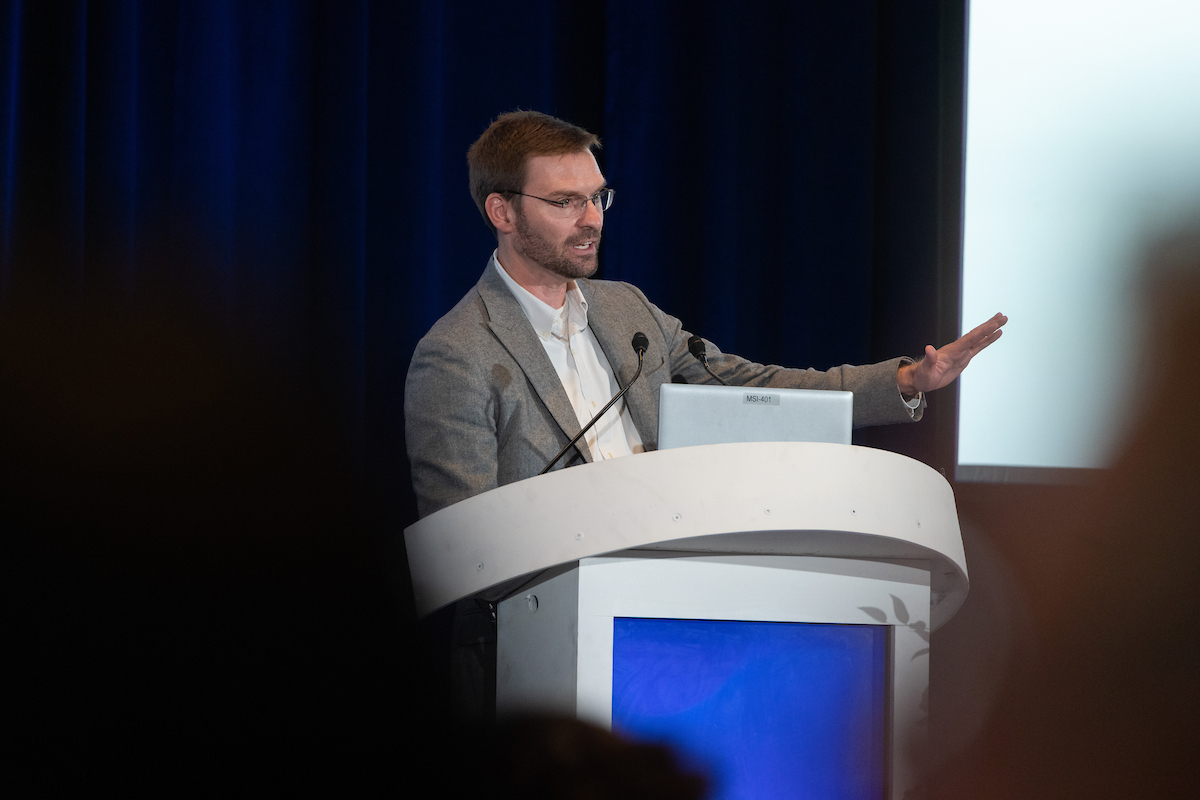
One of the most heavily anticipated tracks at CRC 2026 focused on islet cell replacement strategies, which aim to restore the body’s natural ability to produce insulin. Dr. Piotr Witkowski of the University of Chicago presented updated data from a Breakthrough T1D-funded clinical trial evaluating tegoprubart, a novel alternative to traditional, highly toxic immunosuppressants. Developed by Eledon, a portfolio company of the T1D Fund, tegoprubart has demonstrated sustained clinical success. All 12 study participants who underwent an islet cell transplant while managed on tegoprubart successfully achieved insulin independence—seven following a single transplant and five after a second procedure. Notably, these patients maintained stable blood-sugar levels without exhibiting systemic side effects or renal toxicity. Building on this momentum, researchers announced an upcoming clinical trial that will evaluate tegoprubart in individuals living with both T1D and chronic kidney disease (CKD), marking the first time this high-risk patient population has been deemed eligible for islet cell therapy.
Further expanding on cellular therapies, Dr. Per-Ola Carlsson of Uppsala University shared encouraging long-term safety and efficacy data regarding the first patient treated with a partial dose of immune-evasive islet cells developed by Sana Biotechnology, another enterprise backed by the T1D Fund. More than a year post-transplant, the patient experienced no serious adverse events, and the engineered cells continue to survive and secrete insulin independently.
Additionally, Dr. Leonardo Velazco-Cruz of Century Therapeutics presented preclinical data on a manufactured, immune-evasive islet cell therapy designed to bypass the host immune system without requiring concurrent immunosuppressive drugs. This scalable, off-the-shelf product has shown significant promise in animal models, paving the way for first-in-human clinical evaluations and establishing a framework for mass manufacturing that could eventually democratize access to cell-based cures.
Disease-Modifying Therapies and Immune System Modulation
The congress also dedicated significant programming to disease-modifying therapies (DMTs) designed to halt or slow the autoimmune destruction of pancreatic beta cells. Central to evaluating the success of these early-stage interventions is C-peptide, a biochemical byproduct generated when proinsulin is cleaved into active insulin and C-peptide. Because C-peptide serves as an objective, easily measurable blood biomarker of endogenous insulin production, its preservation is a primary endpoint in clinical trials assessing immune-modulating agents.
To explore how early-stage biotech companies navigate the complex path from laboratory discovery to human clinical trials, Dan McNamara, Head of Strategy and Engagement at the T1D Fund, hosted a live discussion with Jason Cole, J.D., CEO of Zag Bio. The conversation highlighted how targeted venture philanthropy and specialized domain expertise can provide the foundational capital and strategic guidance necessary for early-stage companies to secure broader industry partnerships and advance immunological therapies toward regulatory approval.
Advancements in Early Detection and Screening Infrastructure
The clinical consensus surrounding early screening for T1D is firmly established: identifying autoantibodies prior to the onset of clinical symptoms dramatically reduces the incidence of life-threatening diabetic ketoacidosis (DKA) at diagnosis, connects families to critical educational resources, grants immediate access to clinical trials and FDA-approved delay therapies, and provides vital psychological preparation time.
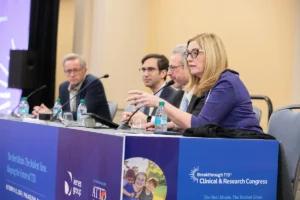
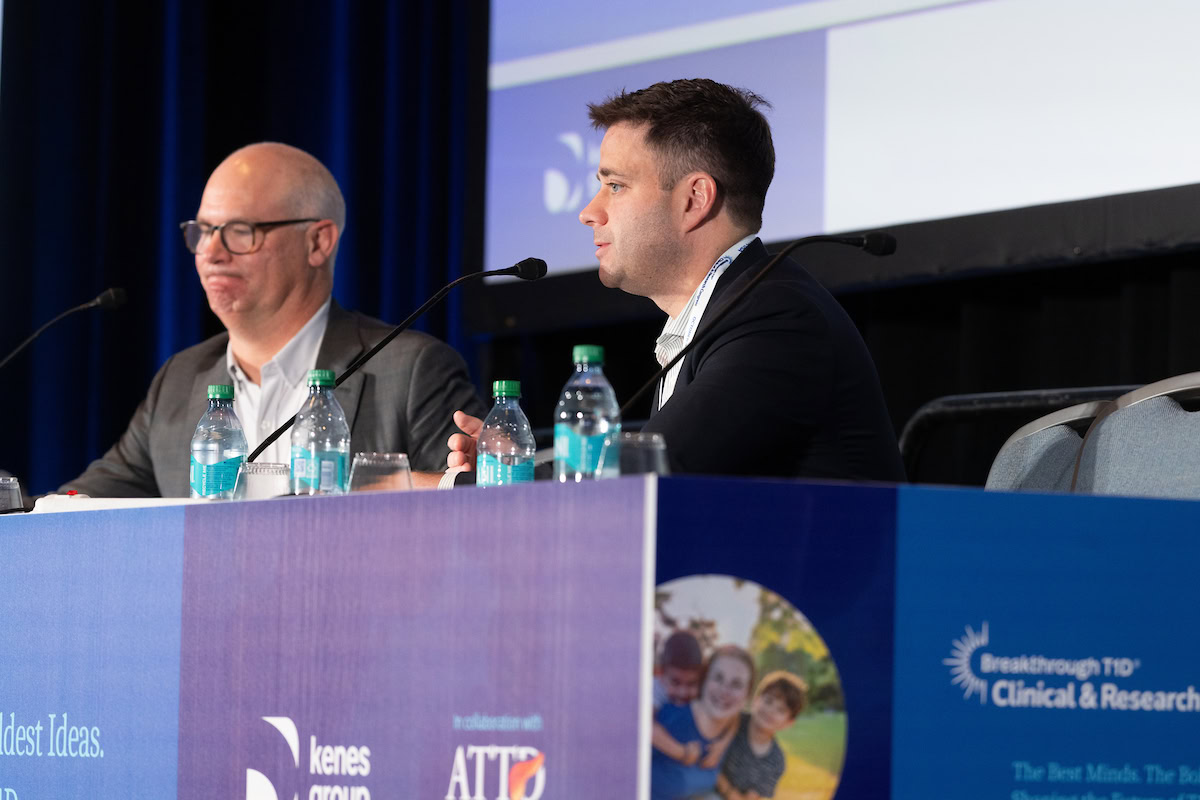
However, a major barrier remains logistical—specifically, how healthcare systems can sustainably scale screening protocols and seamlessly connect individuals identified with early-stage T1D to specialized care networks. A panel chaired by Dr. Chantal Mathieu of KU Leuven in Belgium explored these implementation hurdles. Panelists emphasized that pediatricians, primary care physicians, and regional healthcare networks must integrate routine autoantibody screening into standard well-child and adult preventive care visits, supported by digital health tools that streamline patient triage and specialist referrals.
Improving Daily Life: Technology, Therapeutics, and Medical Affairs
While long-term research focuses on cures and prevention, addressing the immediate daily burden of living with T1D remains a core pillar of Breakthrough T1D’s mission. A significant development discussed at the conference was the recent clinical advancement of Kerendia (finerenone), marking the first new therapeutic option approved in 30 years specifically targeting chronic kidney disease in individuals with T1D.
In the realm of medical device technology, automated insulin delivery (AID) systems are rapidly evolving through the integration of artificial intelligence and advanced machine-learning algorithms. Dr. Marcela Moscoso of the University of Virginia presented a novel computational tool designed to track real-time changes in insulin sensitivity and predict blood glucose fluctuations following meals. Evaluated through rigorous computer simulations and clinical trial datasets, the algorithm successfully identified physiological increases in insulin sensitivity during physical exercise and distinguished between fast- and slow-digesting dietary carbohydrates. This innovation represents a crucial stepping stone toward fully closed-loop AID systems that eliminate the need for manual meal announcements by the user.
Furthermore, the intersection of technology and quality of life was underscored by a newly published manuscript in Diabetes Technology and Therapeutics. Authored by Dr. Brynn Marks, Senior Director of Medical Affairs at Breakthrough T1D, alongside Dr. Thomas Danne, International Chief Medical Officer, and a cohort of international collaborators, the paper is titled “Roadmap to Fully Closing the Loop to Optimize Health in Type 1 Diabetes.” The publication introduces a person-centered evaluation framework for next-generation automated systems, asserting that future technologies must simultaneously optimize glycemic outcomes and alleviate the psychological and cognitive burden experienced by patients.
A Unified Vision for the Future of T1D Care
As the opening day of CRC 2026 drew to a close, Dr. Chantal Mathieu synthesized the overarching trajectory of the field, describing the future of diabetes management as comprising "two parallel yet converging paths: advanced technology and biological cures through disease-modifying and islet cell therapies." Dr. Mathieu emphasized that these paths are mutually supportive; modern medical technology maintains optimal metabolic health and physiological stability today, ensuring that patients are in prime physical condition to fully benefit from scalable cures when they arrive.
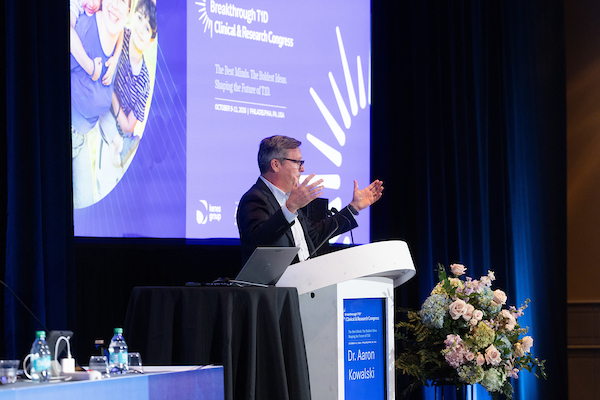
In his opening address, Breakthrough T1D CEO Dr. Aaron J. Kowalski underscored the historic nature of the gathering, reflecting on how decades of tireless advocacy, visionary philanthropy, and rigorous scientific inquiry have revolutionized clinical outcomes for people with T1D. Nevertheless, speakers across all panels reiterated a singular, unifying message: achieving actual cures will require unprecedented levels of cross-institutional collaboration, data sharing, and the intentional dissolution of institutional silos.
As CRC 2026 continues over the next two days, the global T1D research community remains sharply focused on translating these scientific milestones into accessible, everyday realities for millions of individuals worldwide. Breakthrough T1D will continue providing comprehensive daily updates, key takeaways, and expert analyses as the congress progresses in Philadelphia.
Related posts: