The Ultimate Guide to Baking Homemade Coconut Lime Cupcakes: A Tropical Culinary Masterpiece

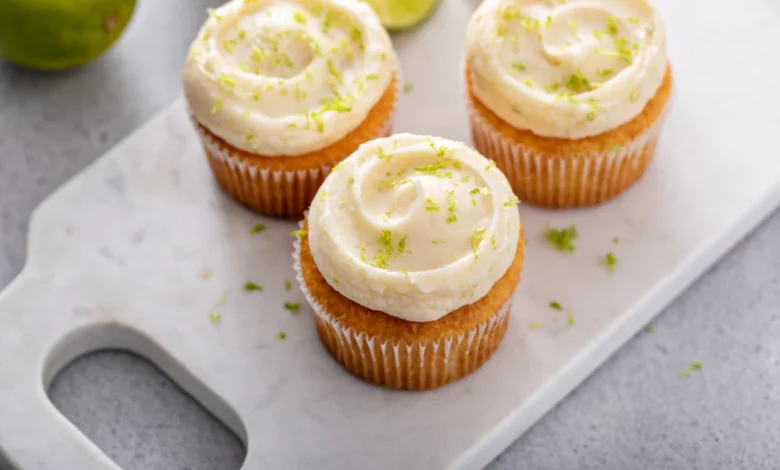
The culinary world has seen a significant shift toward vibrant, citrus-forward, and tropical flavor profiles in contemporary baking, culminating in the widespread popularity of homemade coconut lime cupcakes. As home bakers increasingly seek out sophisticated yet accessible recipes for spring celebrations, summer gatherings, and milestone events, this specific pairing has emerged as a premier choice. Combining the rich, dense creaminess of coconut with the sharp, aromatic acidity of fresh lime, these cupcakes bridge the gap between casual comfort food and high-end, bakery-quality confectionery.
The Flavor Science Behind Coconut and Lime
The enduring appeal of the coconut-lime flavor combination is rooted in culinary science. Coconut offers a high fat content—particularly when utilizing full-fat canned coconut milk—which coats the palate and delivers a luxurious, velvety mouthfeel. However, rich fats can sometimes lean heavy or cloying without a balancing agent. Enter fresh lime zest and juice. The citric acid and volatile essential oils found in the lime peel cut through the richness of the dairy and coconut fats, creating a bright, refreshing counterbalance.
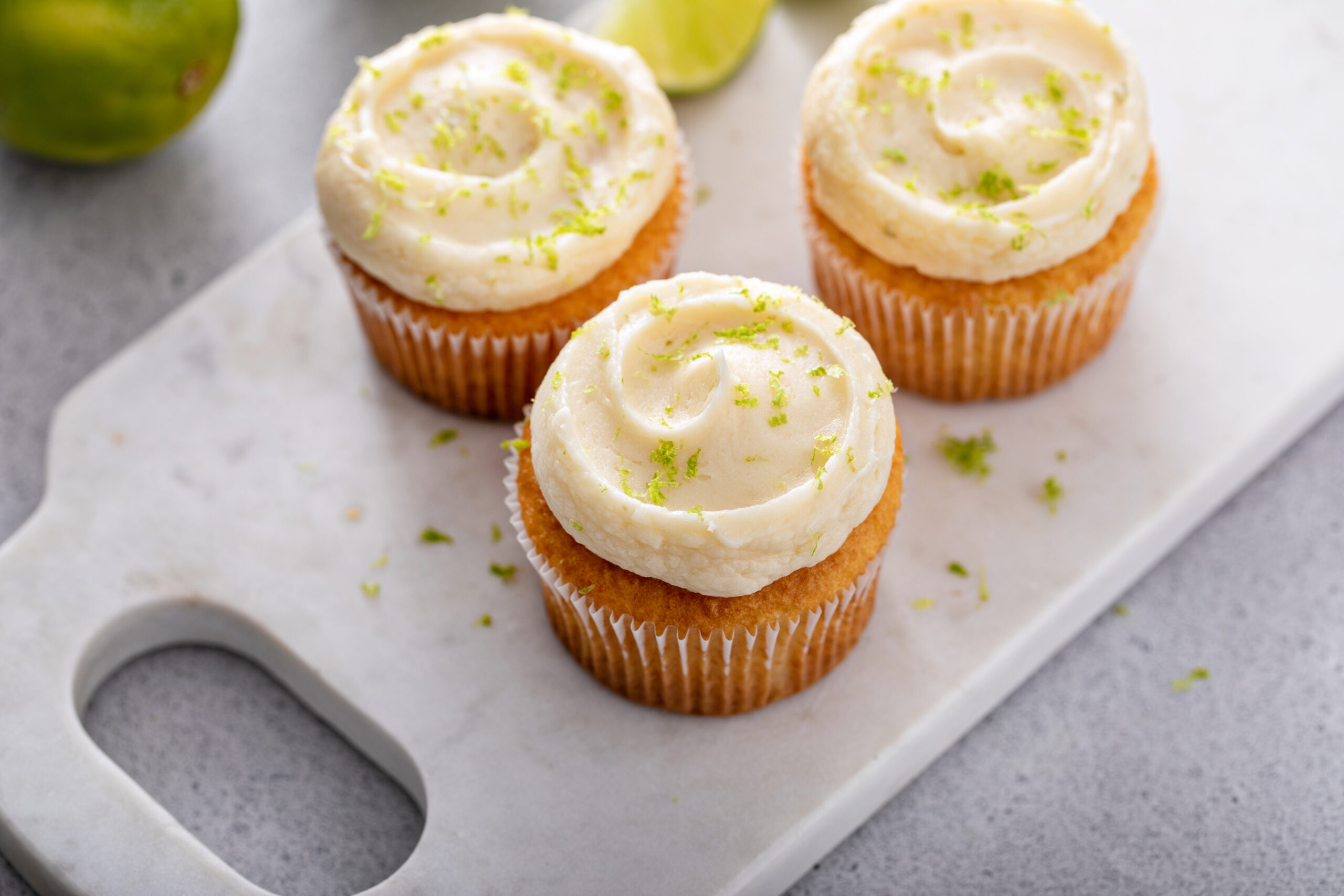
According to culinary historians and pastry chefs, tropical flavor profiles have steadily gained market share over traditional heavy chocolate and vanilla variants over the past decade. Consumers are increasingly drawn to desserts that evoke a sense of destination and freshness. By utilizing both canned coconut milk in the batter and freshly grated lime zest in both the cake and the accompanying buttercream frosting, bakers achieve a multi-dimensional flavor profile that tastes genuinely authentic rather than artificially flavored.
Essential Preparation Techniques for Professional Results
Achieving a bakery-quality texture from a home kitchen requires strict adherence to fundamental baking chemistry. Unlike bread-making, which thrives on protein development, cake and cupcake baking relies on tender crumb structures that can be easily compromised by improper measuring or mixing techniques.
Flour Measurement and Gluten Control
One of the most common pitfalls in home baking is the improper measurement of all-purpose flour. Scooping flour directly from the bag with a measuring cup compresses the powder, leading to an excess of up to 25% dry weight. This surplus results in dry, dense, and heavy cupcakes. Culinary experts recommend the "fluff, spoon, and level" method: aerating the flour with a fork or spoon, gently transferring it into a dry measuring cup, and leveling off the excess with a straight edge. For absolute consistency, professional kitchens rely on digital kitchen scales to measure dry ingredients in grams.
Temperature Management
The temperature of dairy and binding ingredients plays a critical role in emulsion formation. When cold eggs and refrigerated milk are introduced to creamed butter and sugar, the butter can resolidify, breaking the emulsion and resulting in a curdled batter. Bringing butter, eggs, and coconut milk to room temperature—typically requiring 30 minutes to an hour of counter resting—ensures that the fats and liquids trap air effectively during the creaming stage. This trapped air expands in the heat of the oven, producing the coveted soft, fluffy interior.
Mixing Discipline
Once the dry ingredients are introduced to the wet mixture, gluten development must be kept to an absolute minimum. Overmixing stretches the gluten strands in the flour, transforming a light, tender batter into a tough, chewy product resembling bread. Bakers are advised to fold or mix on the lowest speed only until the flour disappears.
Step-by-Step Production Timeline
For home bakers organizing their time efficiently, producing a batch of twelve coconut lime cupcakes requires a structured workflow divided into prep work, baking, cooling, and finishing.
Phase 1: Preparation and Mise en Place (25 Minutes)
The process begins with gathering and scaling all ingredients.
- Zest and juice the fresh limes, ensuring that only the vibrant green outer layer of the peel is harvested while avoiding the bitter white pith.
- Separate and measure full-fat canned coconut milk, ensuring the separated coconut cream and liquid are thoroughly homogenized.
- Line a standard 12-cup muffin tin with paper liners.
- Preheat the conventional oven to 350°F (175°C) to ensure a stable thermal environment upon insertion.
Phase 2: Baking and Thermal Monitoring (18 Minutes)
- Cream the softened unsalted butter and granulated sugar together until the mixture turns pale, light, and airy—a process that incorporates essential leavening air pockets.
- Incorporate eggs one at a time, followed by vanilla extract and a measured quantity of coconut extract for enhanced depth.
- Alternate adding the dry flour mixture and the liquid coconut milk, beginning and ending with the dry ingredients.
- Distribute the batter evenly into the lined muffin tin using a spring-loaded cookie scoop to guarantee uniform baking times.
- Bake for approximately 18 minutes. Visual and tactile cues—such as a springy center and a toothpick inserted into the core emerging clean or with a few moist crumbs—determine readiness.
Phase 3: Cooling and Buttercream Production (25 Minutes)
- Transfer the baked cupcakes to a wire cooling rack immediately to halt the cooking process in the pan. Cooling must be absolute; applying buttercream to warm cupcakes will melt the fat structure of the frosting.
- While the cakes cool, prepare the lime buttercream. Beat softened butter independently until creamy, then gradually incorporate powdered sugar, fresh lime juice, lime zest, and a splash of coconut milk. Whip the final mixture on medium-high speed for several minutes to achieve a spreadable, pipeable consistency.
Phase 4: Garnishing and Presentation (20 Minutes)
- Toast shredded coconut on a baking sheet at 325°F for 5 to 8 minutes, monitoring closely to prevent burning, or toast in a dry skillet over medium-low heat until golden and fragrant.
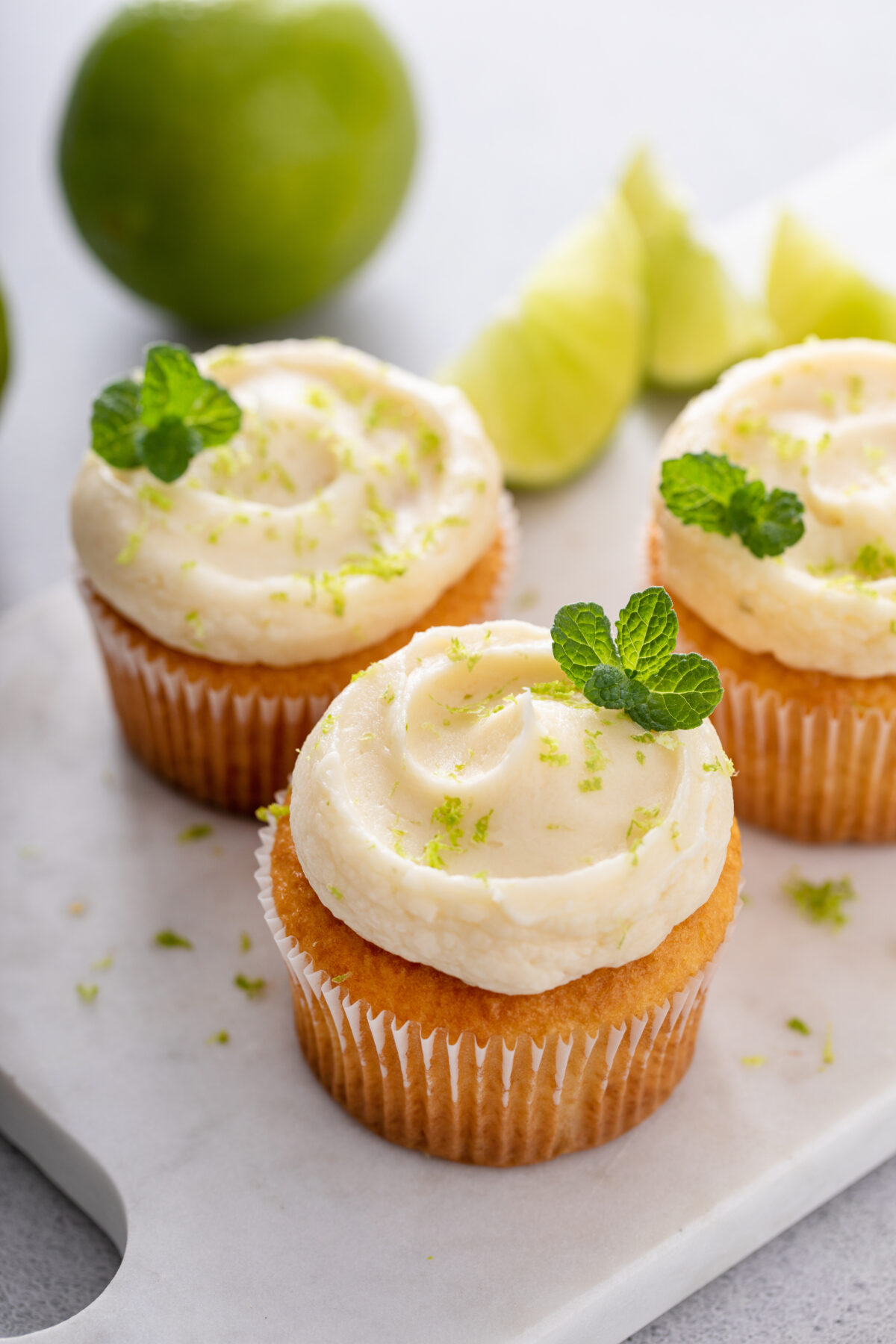
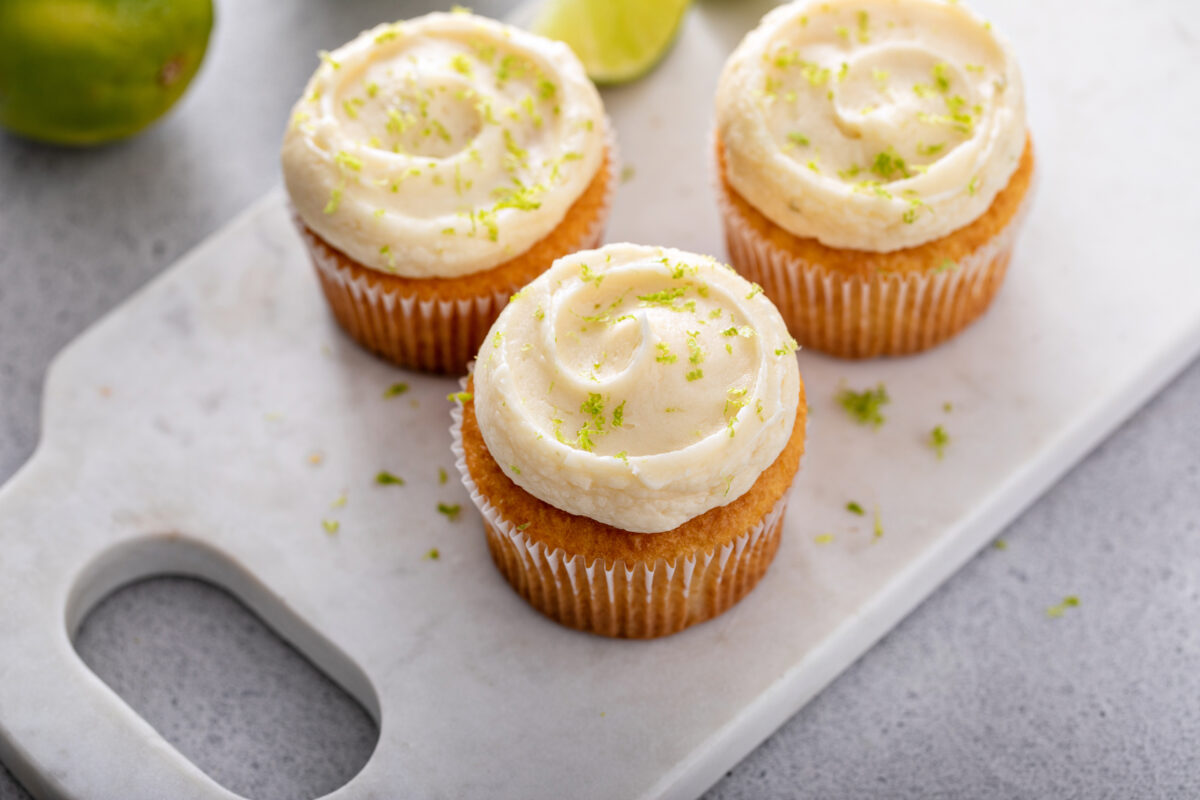
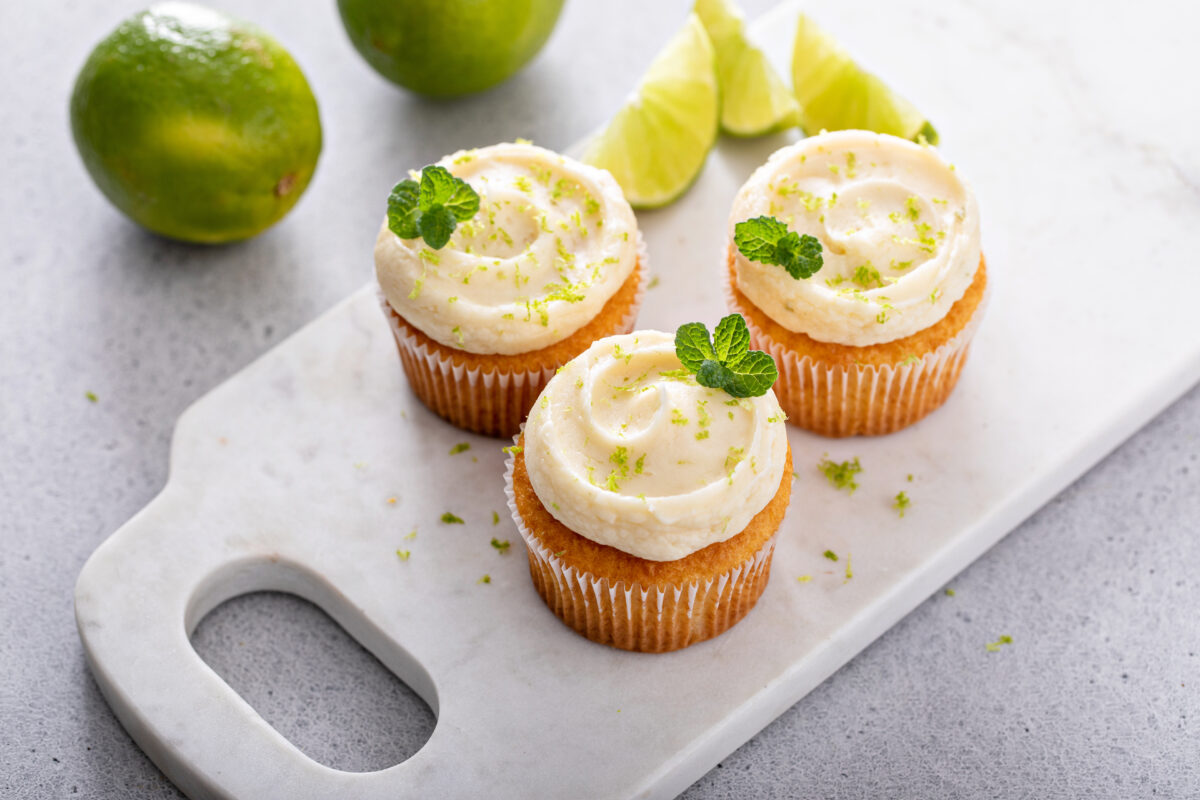
- Pipe or spread the lime buttercream onto the cooled cupcakes and generously garnish with the toasted coconut, an extra dusting of fresh lime zest, and optionally a mint leaf for visual contrast.
Culinary Variations and Customization
While the traditional coconut lime profile remains a perennial favorite, contemporary baking trends encourage culinary experimentation. Several established variations allow home bakers to tailor the recipe to specific dietary preferences or thematic events:
- Curd Fillings: Inserting a core of homemade or artisanal lime curd into the center of each baked cupcake provides an unexpected, luscious burst of tart citrus upon the first bite.
- Tropical Fruit Integration: Folding finely diced, thoroughly dried crushed pineapple into the batter introduces a subtle piña colada nuance, pairing exceptionally well with the existing coconut notes.
- Alternative Frostings: Substituting standard lime buttercream with a tangy lime cream cheese frosting reduces overall sweetness while introducing a rich, savory tang that complements the coconut base.
- Miniature Formats: Adapting the recipe for mini muffin pans reduces baking times to roughly 10 to 12 minutes, making the treats ideal for large-scale catering, children’s parties, and dessert platters.
Broader Economic and Cultural Implications of Baking Trends
The surge in scratch-baking recipes highlights a broader cultural shift toward artisanal food preparation within domestic spaces. Market analysts tracking consumer packaged goods and home economics note a sustained post-pandemic interest in culinary hobbies. Baking is frequently cited by psychologists as a therapeutic outlet that combines tactile engagement with creative expression and immediate sensory rewards.
Furthermore, the emphasis on fresh produce—such as whole limes and premium canned coconut milk—reflects consumer demands for transparency and quality in home cooking. As grocery prices fluctuate, consumers increasingly view baking from scratch not merely as a cost-saving measure, but as a deliberate lifestyle choice that prioritizes wholesome ingredients over highly processed commercial snacks.
Ultimately, homemade coconut lime cupcakes represent the intersection of accessible home economics and gourmet execution. By respecting fundamental baking principles, utilizing fresh citrus, and layering complex coconut elements, home bakers can achieve professional-grade confectionery results within their own kitchens.