The Ultimate Guide to Making Easy Tuscan White Bean Soup with Turkey Sausage, Cauliflower, and Kale

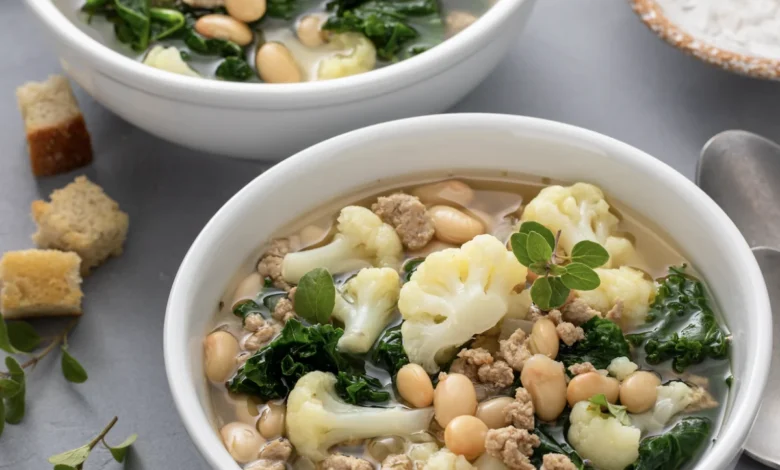
Culinary traditions from the sun-drenched hills of Tuscany have long been celebrated for their emphasis on wholesome, unpretentious ingredients that prioritize nutrition, accessibility, and robust flavors. Among the region’s most enduring culinary contributions is the rustic white bean soup—a humble peasant dish historically crafted to utilize seasonal harvests, durable legumes, and pantry staples. In response to contemporary dietary preferences favoring high-protein, nutrient-dense, and comforting weeknight meals, home economists and culinary experts have introduced a modern iteration: the Easy Tuscan White Bean Soup featuring mild Italian turkey sausage, nutrient-rich cauliflower, and tender leafy greens.
Background and Culinary Evolution
Traditional Italian minestra di fagioli, or white bean soup, traces its origins back centuries, functioning as a primary source of sustenance for rural farming communities in central Italy. Historically, these soups were entirely plant-based or fortified with scraps of cured pork, such as pancetta or lardo, depending on regional availability and economic status. The defining characteristic of these historic recipes has always been the use of white beans—most notably cannellini beans—which impart a naturally velvety texture to the broth as they break down during long, slow simmers.
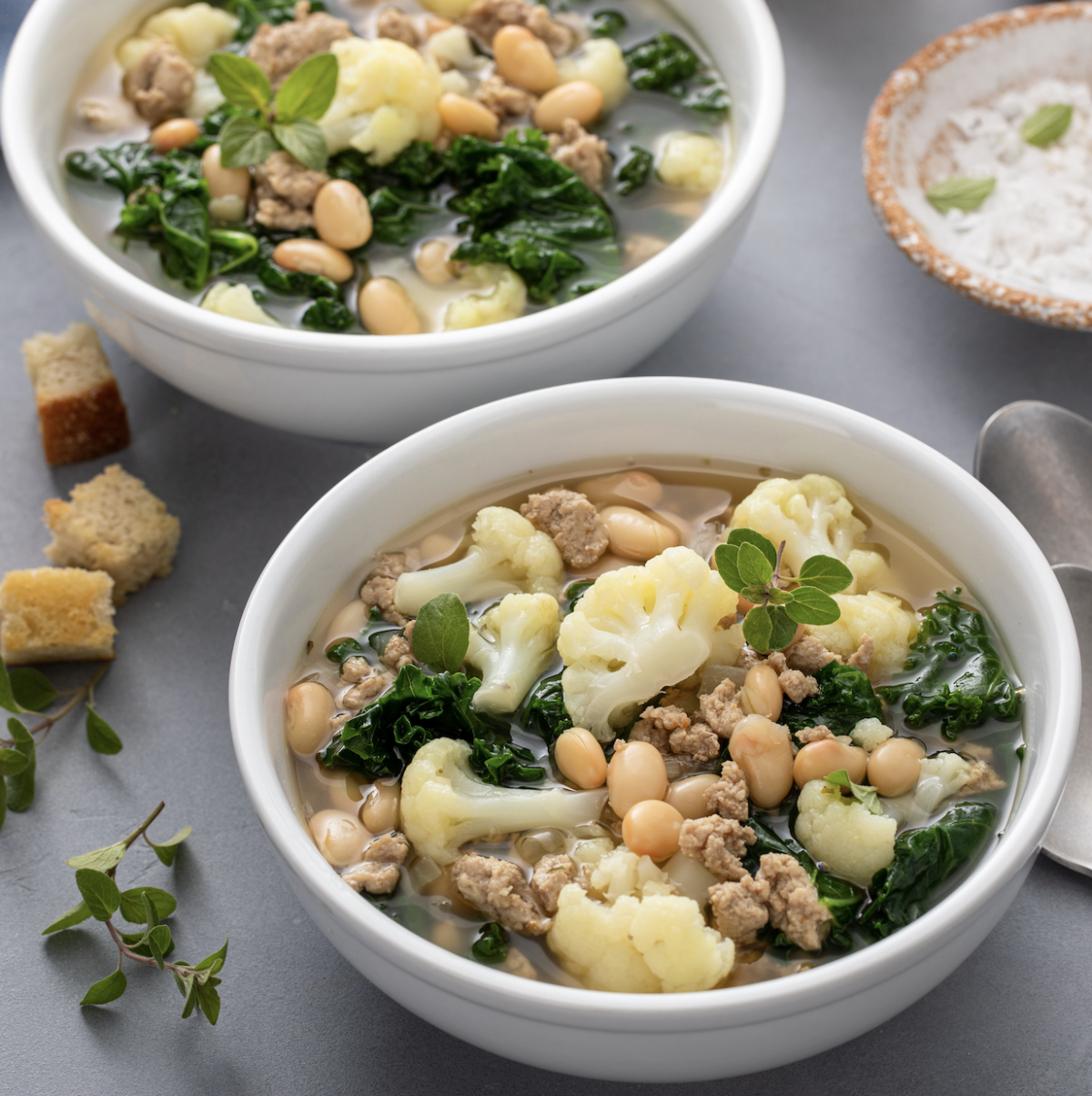
In recent years, American home-cooking trends have increasingly gravitated toward "one-pot" meals that minimize cleanup while maximizing nutritional intake. Nutritional researchers and culinary developers have adapted the classic Tuscan blueprint to better align with modern health guidelines. By replacing traditional high-fat pork sausages with lean Italian turkey sausage, and substituting or supplementing starchy carbohydrates with fibrous vegetables like cauliflower and kale, the modern adaptation delivers a balanced profile of macronutrients. This evolution meets the rising consumer demand for low-carb, high-protein comfort foods that remain friendly to busy family schedules and budget-conscious grocery shoppers.
Nutritional Profile and Ingredient Analysis
The contemporary recipe relies on a strategic combination of pantry staples and fresh produce, each selected for specific culinary and nutritional attributes. At the core of the dish are cannellini beans, prized for their soft, creamy interior and structural integrity, which prevents them from disintegrating entirely during cooking. Nutritionally, white beans are recognized by dietary guidelines as an exceptional source of plant-based protein, complex carbohydrates, and soluble dietary fiber, which aids in cardiovascular health and digestive regulation.
The incorporation of mild Italian turkey sausage serves a dual purpose. From a culinary perspective, browning the sausage creates a foundational layer of savory fond at the bottom of the pot, infusing the broth with fennel, garlic, and traditional Mediterranean herbs. From a nutritional standpoint, turkey sausage offers a lower saturated fat content compared to traditional pork-based alternatives while maintaining the high protein density necessary to transform a simple vegetable soup into a satiating, complete main course.
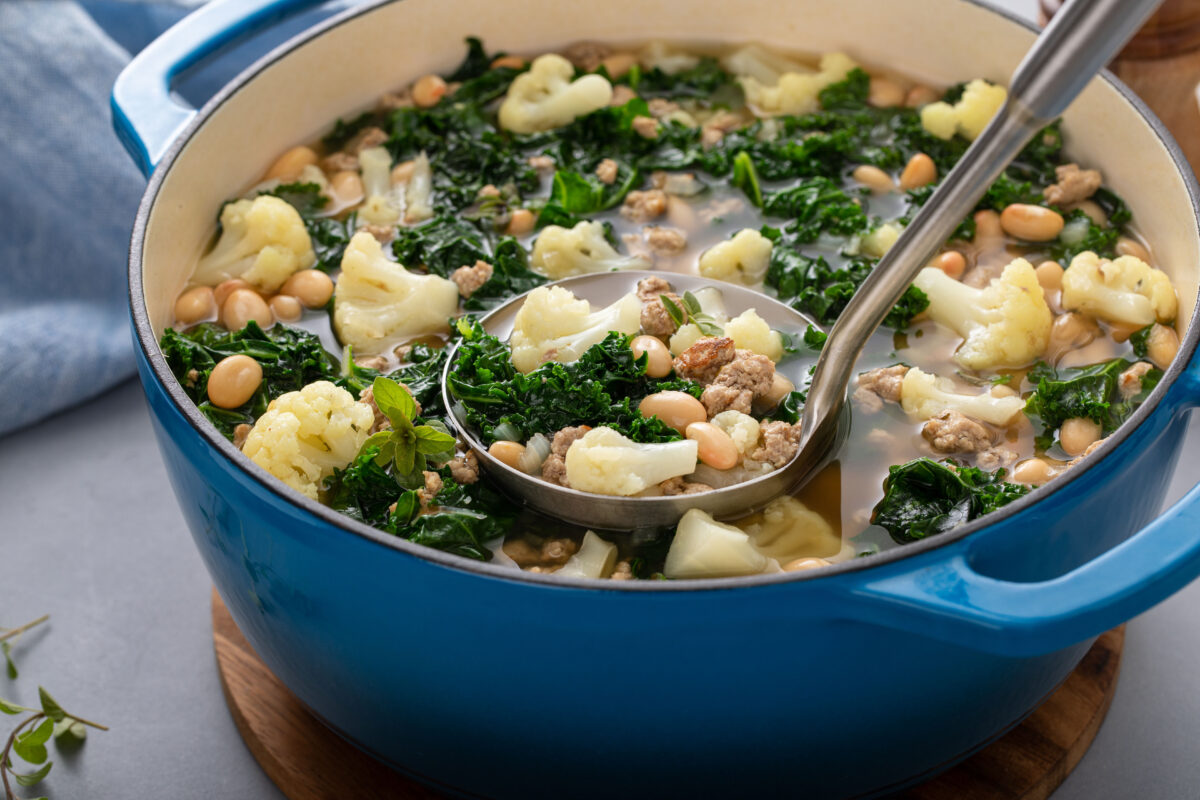
Furthermore, the integration of non-starchy vegetables such as carrots and cauliflower introduces vital micronutrients, including vitamins C and K, as well as essential dietary antioxidants. Cauliflower, in particular, acts as a textural analogue, absorbing the surrounding savory broth while providing bulk and reducing the overall glycemic load of the meal compared to potato- or pasta-heavy bases. Finally, the inclusion of leafy greens—typically curly or lacinato kale—adds a vibrant color contrast and a concentrated dose of iron, calcium, and carotenoids.
Preparation Methodologies and Cooking Techniques
Achieving an optimal balance of flavor and texture in the Tuscan White Bean Soup requires careful attention to culinary timing and sequential cooking. Professional kitchen guidelines recommend initiating the process by thoroughly browning the turkey sausage in a heavy-bottomed Dutch oven or stockpot, ensuring the meat is broken down into small, uniform pieces to distribute flavor evenly throughout every serving.
Once the aromatics, including diced onions, carrots, and freshly minced garlic, have sweated down in the rendered fats, low-sodium chicken or vegetable broth is introduced. Culinary experts emphasize the use of low-sodium broths to maintain absolute control over the dish’s final salinity, particularly given the inherent sodium content present in canned beans, cured meats, and finishing cheeses like Parmesan.
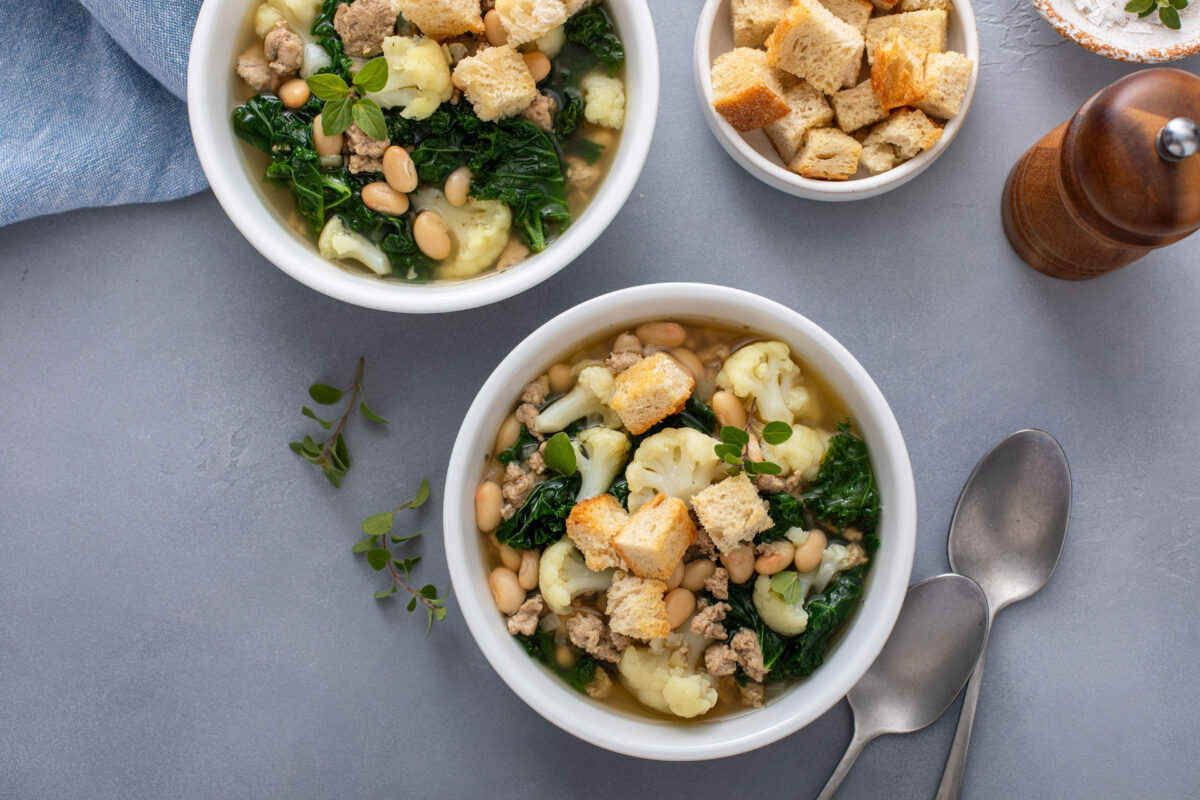
The sequencing of vegetable additions is critical to the success of the recipe. Dense vegetables requiring longer cooking times, such as carrots and cauliflower florets, are simmered first until fork-tender. Conversely, leafy greens like kale are added during the final minutes of the cooking cycle. This prevents the greens from overcooking, maintaining their bright green hue, tender-crisp bite, and maximum nutrient retention.
To achieve a richer, creamier broth without the addition of heavy dairy fats, chefs employ a traditional technique known as emulsification via legume starch. By removing a cup of the cooked beans and broth, puréeing them smoothly, and stirring the mixture back into the pot—or alternatively, by coarsely mashing a portion of the beans directly against the side of the vessel using a wooden spoon—the soup acquires a luxurious, velvety consistency naturally. A final splash of fresh lemon juice is frequently added immediately prior to service to cut through the richness of the fats and brighten the overarching flavor profile.
Alternative Cooking Adaptations: Slow Cooker and Pressure Cooker
Recognizing the time constraints faced by modern households, recipe developers have successfully adapted the Tuscan White Bean Soup for alternative kitchen appliances, including slow cookers and multi-cookers like the Instant Pot.
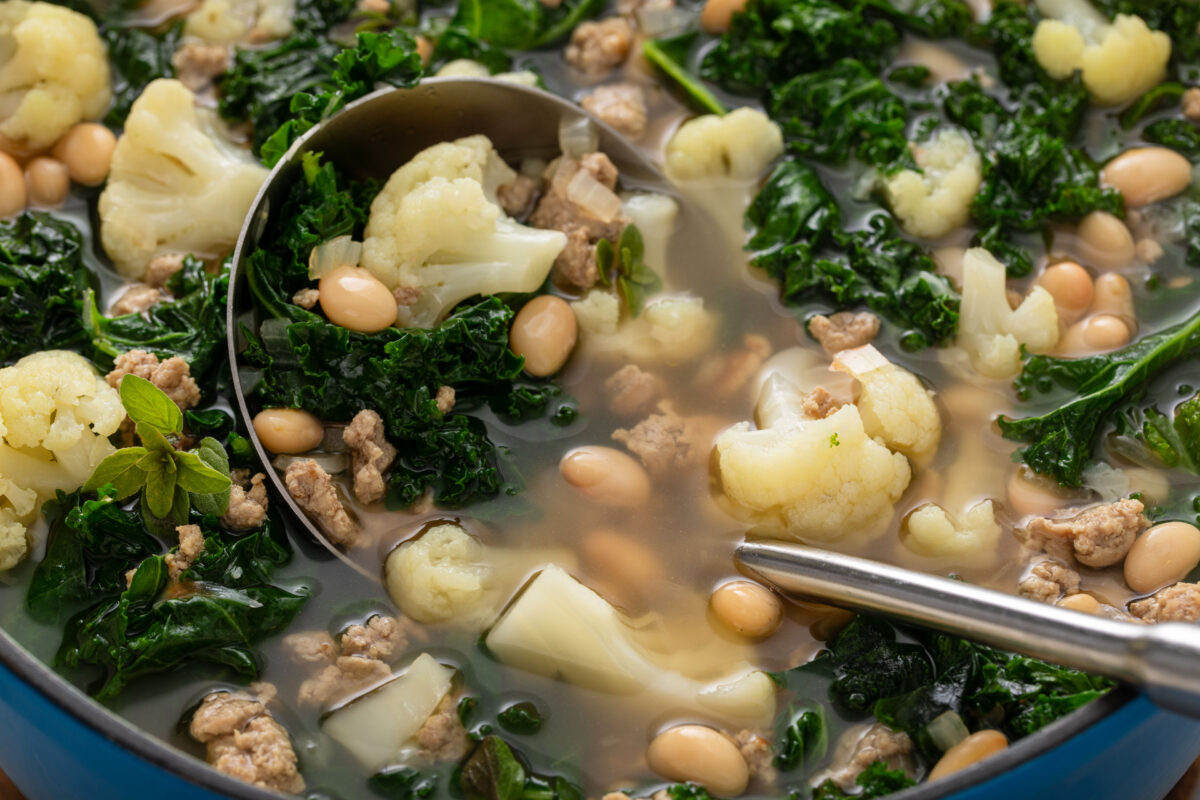
When utilizing a slow cooker, culinary protocols dictate that the turkey sausage should still be browned in a skillet beforehand to develop the essential caramelized flavor compounds. Once transferred to the slow cooker along with the aromatics, broth, tomatoes, beans, and cauliflower, the dish can be safely processed on a low heat setting for five to six hours, or on high for approximately three hours. The delicate kale is reserved for the final fifteen to twenty minutes of the cycle to prevent degradation.
For pressure-cooking applications, the Instant Pot allows for rapid deployment of the recipe. By leveraging the appliance’s sauté function to brown the meat and soften the initial aromatics, users can then seal the unit and pressure-cook the broth, tomatoes, beans, and cauliflower on high pressure for a mere four minutes. A subsequent natural pressure release ensures the structural integrity of the ingredients is preserved before the kale is stirred in to wilt from the residual heat.
Broader Implications and Meal-Planning Utility
Food economists and culinary educators note that dishes like the Tuscan White Bean Soup offer significant utility in the context of household meal planning and food waste reduction. Because the recipe readily accommodates a wide variety of surplus refrigerator vegetables—ranging from zucchini and spinach to leftover roasted root vegetables—it serves as an effective tool for minimizing household food waste.
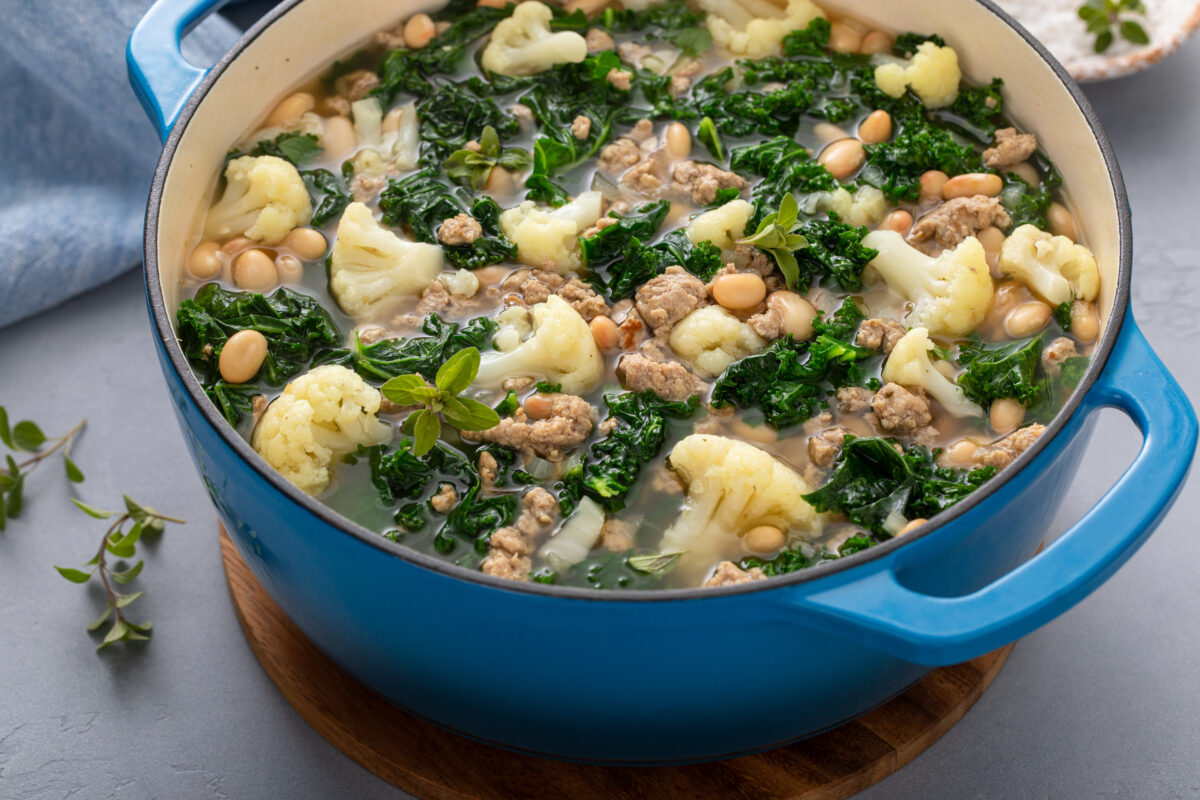
Furthermore, the soup’s compatibility with diverse storage methods enhances its appeal. Properly cooled and stored in an airtight container, the soup retains optimal quality in the refrigerator for up to four days, with many culinary authorities noting that the flavor profile actually deepens and improves after twenty-four hours as the starches and aromatics fully meld. Additionally, the base recipe proves resilient to freezing for up to three months, making it a viable option for batch cooking and meal-prep enthusiasts.
As consumer interest in sustainable, nutrient-dense, and economically efficient home cooking continues to expand, versatile recipes rooted in traditional Mediterranean principles remain a cornerstone of modern domestic gastronomy. Through thoughtful ingredient substitutions and adaptable preparation frameworks, classic dishes like Tuscan white bean soup successfully bridge the gap between historical heritage and contemporary nutritional science.