The Ultimate Guide to Mastering Air Fryer Quesadillas for Efficient Home Cooking

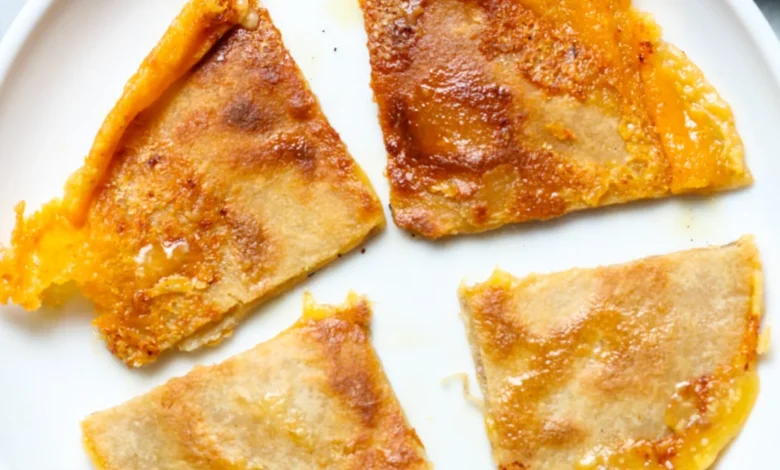
The air fryer has rapidly ascended to become the cornerstone of the modern American kitchen, fundamentally altering the way households approach quick-service meal preparation. Among the most efficient applications of this convection-based technology is the preparation of the traditional quesadilla. By leveraging high-velocity hot air circulation, the air fryer produces a consistently crisp exterior and a thoroughly melted interior, addressing the common culinary challenges of soggy crusts and uneven heat distribution often associated with traditional skillet methods. This report examines the technical advantages of this cooking method, provides a comprehensive breakdown of the preparation process, and analyzes the broader implications of air-fryer-integrated meal planning.
The Technical Mechanics of Air Frying Quesadillas
At its core, an air fryer is a compact, high-powered convection oven. When preparing a quesadilla, the device utilizes a mechanical fan to circulate superheated air around the tortilla. This creates a Maillard reaction—the chemical process responsible for browning and flavor development—significantly faster than a stovetop pan.
Data from consumer kitchen appliance studies suggest that air-frying reduces the total cooking time for snack-sized meals by approximately 30% compared to conventional oven baking. Furthermore, because the heating element is situated in close proximity to the food, the moisture content within the cheese is preserved while the tortilla achieves a distinct, uniform crunch. Unlike pan-frying, which requires manual flipping and careful temperature management to prevent the exterior from burning before the cheese melts, the air fryer maintains a stable internal environment that ensures even heat penetration.

Chronology of Preparation and Implementation
For the home chef, the workflow for creating an air fryer quesadilla is streamlined into four distinct phases designed for maximum efficiency:
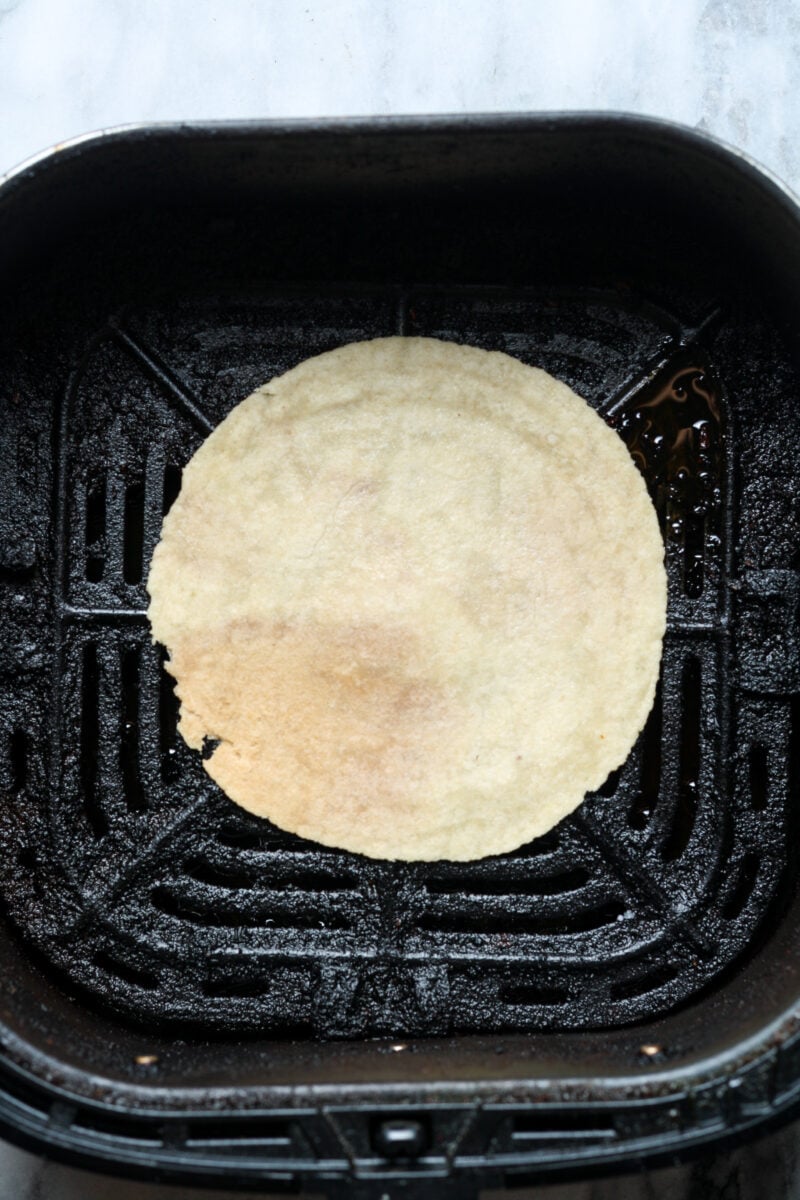
- Preparation of the Foundation: The process begins with the selection of high-quality tortillas, ideally whole wheat or stone-ground corn to maintain structural integrity under high heat. The basket of the air fryer is treated with a light coating of oil—typically olive or avocado—to prevent adhesion.
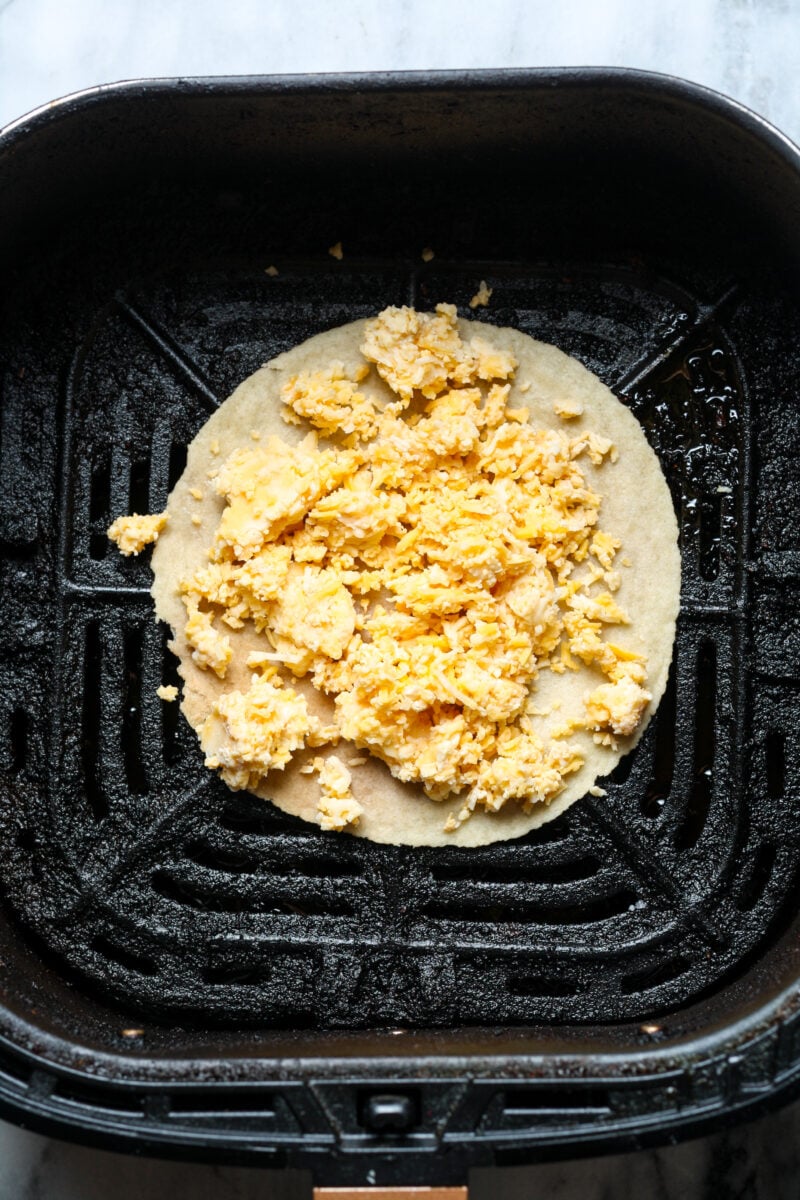
- Assembly: A single tortilla is placed at the base, followed by a measured portion of shredded cheese. Culinary experts recommend a blend of mozzarella and sharp cheddar; the former provides the desired melt and elasticity, while the latter contributes necessary depth of flavor.
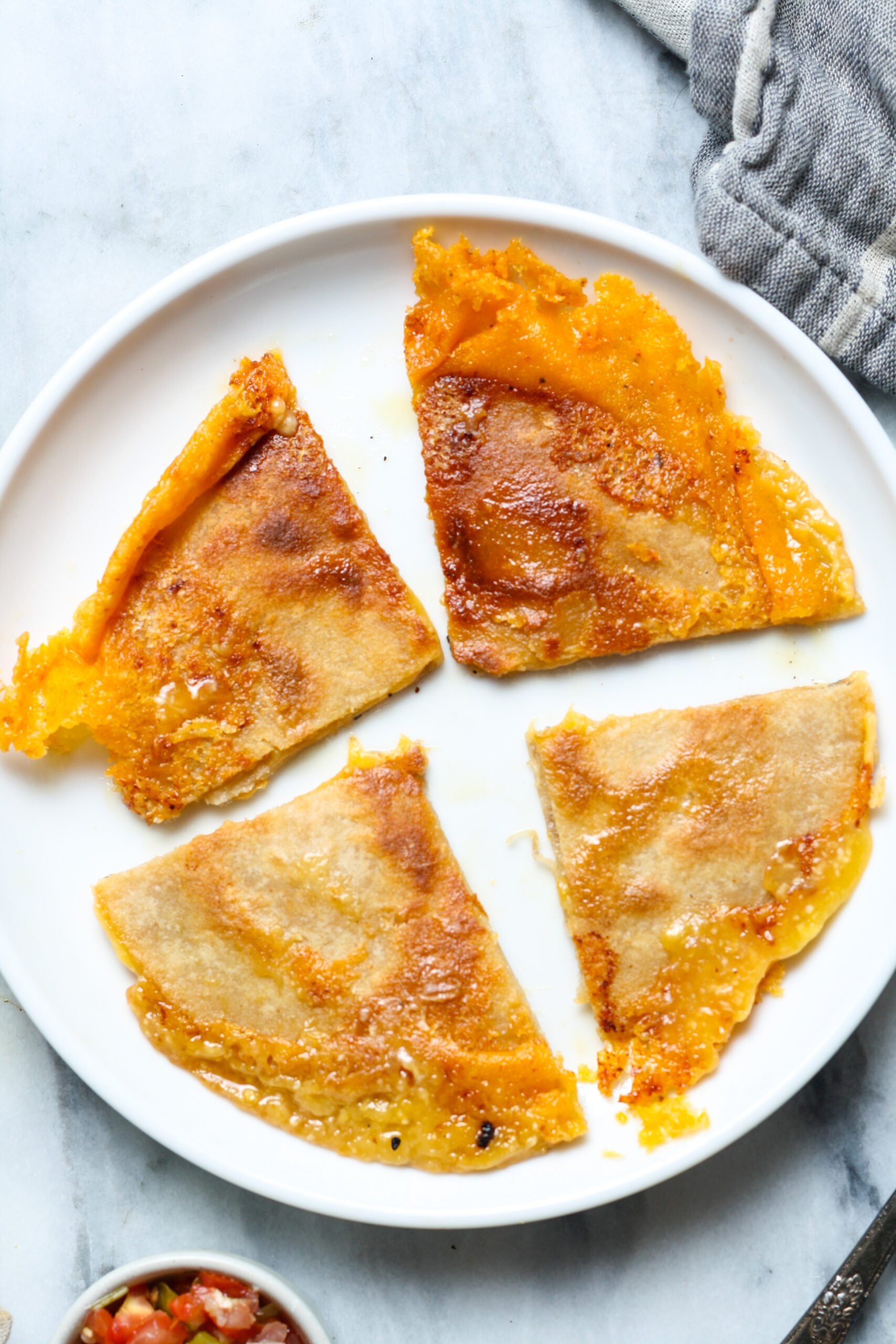
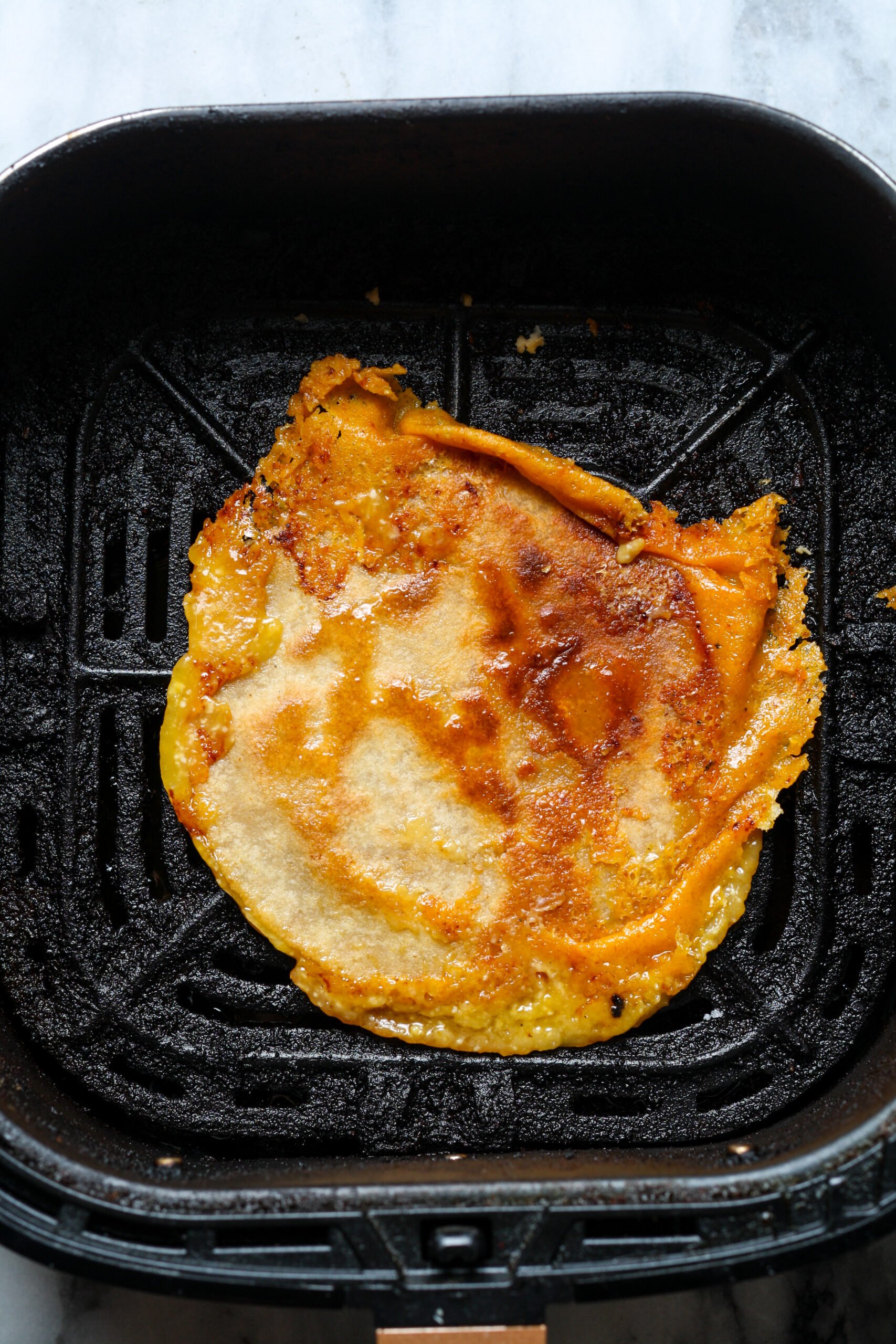
- Thermal Processing: The unit is set to 400°F (200°C). The cooking duration is generally between five to six minutes. During this window, the circulating air seals the tortilla, resulting in a golden-brown finish.
- Stabilization and Serving: Once removed, the quesadilla must rest for approximately 60 seconds. This brief period allows the cheese to stabilize, preventing the filling from leaking during the slicing process.
Nutritional Context and Ingredient Optimization
In an era where health-conscious cooking is a priority for many households, the air fryer offers a significant advantage: the reduction of added fats. Traditional stovetop quesadillas often require generous amounts of butter or oil to prevent sticking and ensure browning. Air frying requires only a light misting of oil, which can reduce the caloric density of the final product by 15% to 20% compared to traditional pan-frying.
The adaptability of the quesadilla makes it a versatile platform for nutrient-dense additions. Incorporating lean proteins such as grilled chicken, black beans, or sautéed bell peppers can transform a simple snack into a balanced, protein-rich meal. These additions do not significantly alter the cooking time, provided they are finely diced to ensure they reach the appropriate internal temperature alongside the melting cheese.
Industry Perspectives on Appliance Utility
Retail analysts observing the small appliance market have noted that the popularity of air fryers is not merely a passing trend but a response to shifting consumer habits. As families prioritize time-saving solutions for weeknight dinners, appliances that provide “fast-casual” quality at home have seen sustained growth.
“The air fryer bridges the gap between convenience and quality,” notes a representative from a leading kitchenware research firm. “Consumers are no longer willing to sacrifice texture for speed. The ability to achieve a ‘fried’ result without the immersion in hot oil is the primary driver of the device’s current ubiquity.”
Troubleshooting and Best Practices
To ensure consistent results, users are advised to adhere to a few critical operational guidelines:
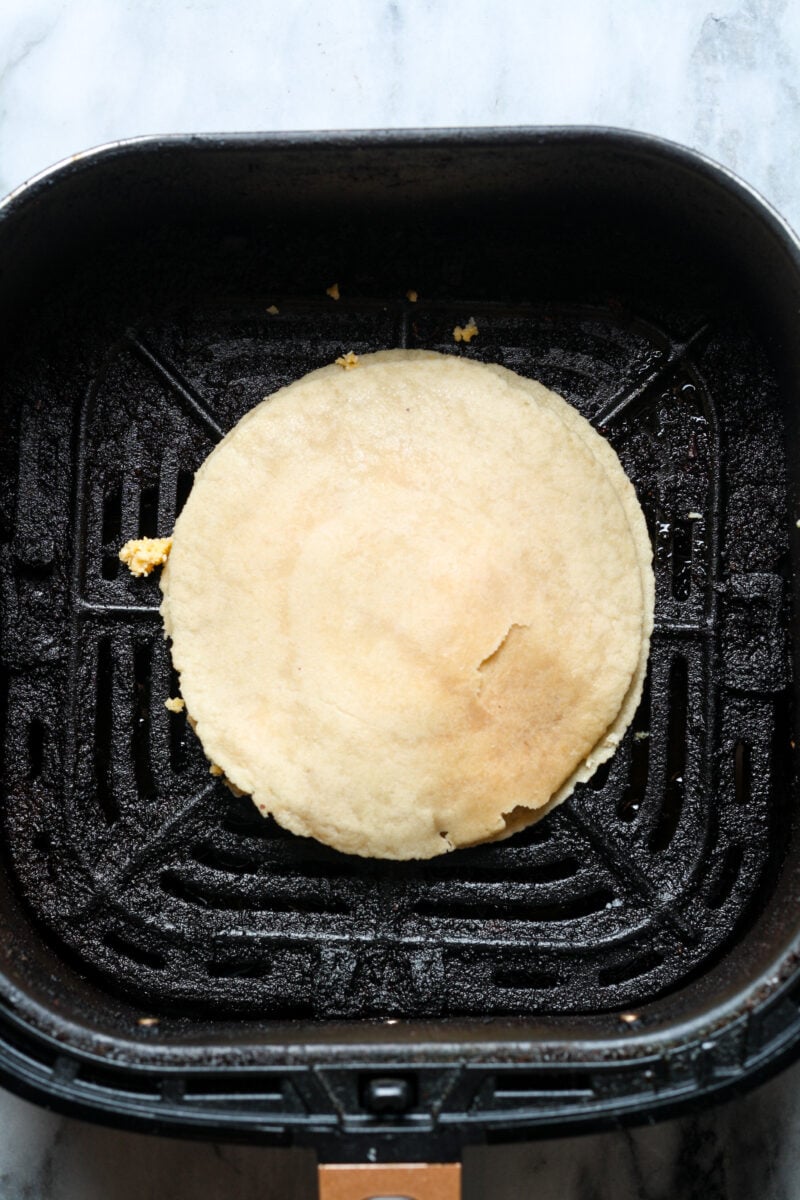
- Avoid Overloading: The efficacy of the air fryer depends on airflow. Placing multiple quesadillas on top of one another restricts the movement of hot air, leading to uneven cooking.
- Weight Distribution: In some high-powered models, the airflow is strong enough to lift the top tortilla. If this occurs, a small, oven-safe wire rack can be placed on top of the quesadilla to provide the necessary weight.
- Cheese Selection: Pre-shredded cheese often contains anti-caking agents like cellulose, which can inhibit the melting process. For optimal results, grating block cheese by hand is recommended to ensure a smooth, uniform texture.
Economic and Environmental Implications
The rise of the air fryer has also had a subtle impact on energy consumption. Because air fryers are smaller than full-sized ovens and reach temperature almost instantaneously, they require less energy to operate. For a single-person or small-family household, switching from a conventional oven to an air fryer for common tasks like reheating leftovers or preparing simple meals can result in measurable reductions in monthly energy usage.
Furthermore, the longevity of these devices and their ease of cleaning—most baskets are dishwasher-safe—contribute to a reduction in the time and resources spent on cleanup, a factor that is increasingly important to busy working professionals.
Future Outlook and Culinary Adaptations
As the culinary community continues to experiment with air fryer technology, the potential for complex recipes continues to grow. While the cheese-based quesadilla remains the gold standard for efficiency, the method is being applied to more complex culinary creations, including dessert quesadillas filled with dark chocolate and fresh fruit, or breakfast variations incorporating eggs and bacon.
The sustained success of this cooking method is a testament to the importance of efficiency in the modern domestic sphere. By optimizing the physics of heat transfer, the air fryer has elevated the humble quesadilla from a simple snack to a reliable, consistent, and adaptable component of the contemporary home-cooking repertoire. As technology in this sector evolves, it is likely that even more precise temperature control and multi-stage cooking programs will further refine the home-cooking experience, reinforcing the position of the air fryer as a permanent fixture in the modern kitchen.