Breakthrough T1D Inaugural Clinical and Research Congress Ushers in a New Era for Type 1 Diabetes Innovation

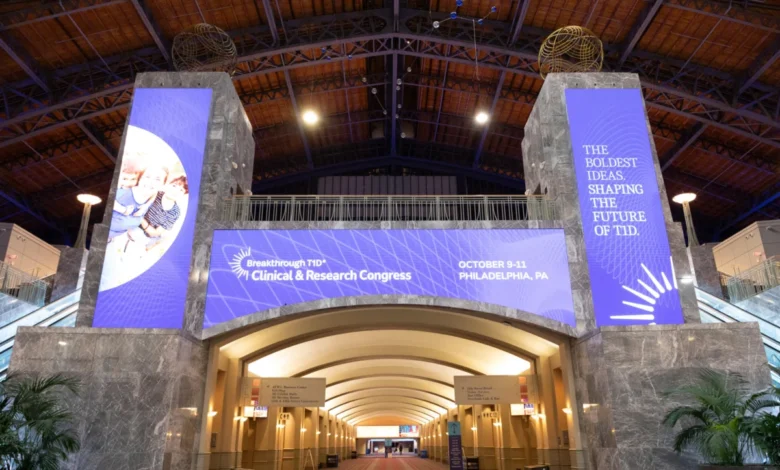
The landscape of Type 1 diabetes research reached a historic milestone on October 9, when the Pennsylvania Convention Center in downtown Philadelphia opened its doors for the inaugural Breakthrough T1D Clinical and Research Congress. For over two decades, the primary showcase for groundbreaking diabetes discoveries has been the American Diabetes Association’s annual Scientific Sessions. However, this first-of-its-kind, dedicated gathering firmly establishes Breakthrough T1D—formerly known as JDRF—not only as the world’s leading philanthropic funder of Type 1 diabetes research, but as an independent convener capable of bringing together the global scientific, clinical, and patient communities under one roof to accelerate therapies and cures.
The convention drew hundreds of the world’s foremost endocrinologists, immunologists, clinical researchers, and industry executives. Attendees included renowned figures such as Dr. David Harlan of UMass Chan Medical School, Dr. Peter Senior of the University of Alberta, Dr. Kimber Simmons of the Barbara Davis Center, British immunologist Dr. Colin Dayan, and Belgium’s Dr. Chantal Mathieu, leader of the European diabetes research consortium. The palpable energy throughout the two-and-a-half-day event reflected a fundamental shift in the field: Type 1 diabetes research is no longer defined by distant aspirations, but by rapid, tangible clinical advancements.
Background and Context: A Decade of Transformation
To understand the significance of the Philadelphia congress, one must examine the evolution of Type 1 diabetes research over the past ten to fifteen years. Historically, the management of Type 1 diabetes relied almost entirely on exogenous insulin replacement, whether through multiple daily injections or continuous subcutaneous insulin infusion via pumps. While technological milestones—culminating in automated insulin delivery (AID) systems, commonly known as the artificial pancreas—vastly improved glycemic control and patient quality of life, they remained management tools rather than biological solutions.
The paradigm began to shift significantly with the pursuit of disease-modifying therapies (DMTs) aimed at intercepting the autoimmune destruction of insulin-producing pancreatic beta cells, and regenerative medicine approaches designed to replace those cells entirely. A major turning point occurred with the U.S. Food and Drug Administration’s approval of teplizumab (brand name Tzield) in late 2022, marking the first-ever disease-modifying therapy capable of delaying the onset of stage 3 Type 1 diabetes.
Concurrently, cell therapies, stem-cell-derived islet replacements, and advanced gene therapies moved from theoretical frameworks to active human clinical trials. As the volume and complexity of these breakthroughs expanded, the scientific community required a centralized, dedicated forum focused exclusively on Type 1 diabetes pathophysiology, screening, prevention, and reversal. Breakthrough T1D’s Clinical and Research Congress was designed precisely to fill that structural void.
Key Scientific Debates: Disease Modification Versus Replacement
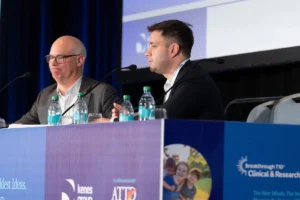
Among the most compelling intellectual highlights of the congress was a formal debate between Dr. Colin Dayan and Dr. Peter Senior, titled “Disease modification vs. replacement therapy in T1D: Which strategy will be scalable, durable, and safe long term?” This scientific exchange underscored the duality of modern therapeutic pipelines.
Dr. Dayan championed the potential of disease-modifying therapies, arguing that early intervention—particularly when paired with widespread population screening—can halt the autoimmune cascade before complete beta-cell destruction occurs. Proponents of DMTs note that such interventions offer the prospect of a durable, potentially single-administration treatment that preserves endogenous insulin production, thereby avoiding the long-term logistical and immunological complexities associated with tissue transplantation. Furthermore, identifying individuals in early stages allows for proactive clinical management before acute metabolic crises manifest.
Conversely, Dr. Senior defended the necessity of cell and replacement therapies, emphasizing the epidemiological reality of the patient population. Because millions of individuals are already living with established, long-standing Type 1 diabetes where beta-cell destruction is total, interception strategies arrive too late. For these patients, scalable manufactured islet cell replacements represent the primary viable pathway to insulin independence.
The underlying consensus of the debate, however, was not about declaring a single victor, but acknowledging the maturity of the field. A decade ago, discussions surrounding both DMTs and functional cures were largely theoretical; today, clinicians are debating the strategic deployment of approved agents and advanced clinical-stage assets.
The Call for Collaboration in Global Research
Setting the tone for the congress, Dr. Chantal Mathieu delivered a keynote address that balanced an optimistic review of emerging technologies and screening expansions with an urgent appeal for institutional cooperation. Dr. Mathieu highlighted the tangible benefits of modern diabetes technology alongside the preventative promise of immunotherapies capable of delaying clinical insulin dependence for years.
However, the core of her message centered on the sociology of scientific research. In an academic and corporate environment often driven by intellectual property protection, priority claims, academic prizes, and financial incentives, scientific data is frequently guarded. Dr. Mathieu challenged the audience to dismantle these traditional silos. She asserted that no single academic laboratory, pharmaceutical enterprise, or independent researcher possesses the comprehensive solution to eradicate Type 1 diabetes. Sustainable progress, she emphasized, relies upon transparent, cross-disciplinary collaboration designed to maximize patient outcomes rather than institutional prestige. The receptive response from the assembled investigators signaled a growing recognition that cooperative frameworks are essential for navigating the final stages of translational research.
Broader Implications and Future Outlook
The success of the inaugural Clinical and Research Congress carries significant implications for the broader biotechnology and healthcare sectors. By establishing a dedicated platform for Type 1 diabetes convergence, Breakthrough T1D has catalyzed new avenues for academic-industrial partnerships.
The acceleration of early-stage screening protocols—exemplified by expanded pediatric antibody screening initiatives—is poised to redefine clinical diagnostic pathways. Identifying at-risk individuals prior to symptomatic presentation allows for timely administration of disease-modifying therapies, fundamentally altering the natural history of the condition. Simultaneously, ongoing refinements in stem-cell encapsulation and hypoimmunogenic cell engineering aim to overcome the historical barriers of immune rejection and chronic immunosuppression in replacement therapies.
As the congress concluded, participating researchers, clinicians, and industry leaders departed with a renewed sense of urgency and validation. The transition from theoretical disease management to active biological interception and reversal marks a defining chapter in modern endocrinology. For the millions of individuals worldwide affected by Type 1 diabetes, the advancements showcased in Philadelphia represent more than scientific achievement—they mark the steady, measurable approach of a future where lifelong dependence on insulin management is consigned to history.
Related posts: