The Rise of Air-Fried Poultry: A Nutritional and Culinary Analysis of Modern Home Cooking Trends

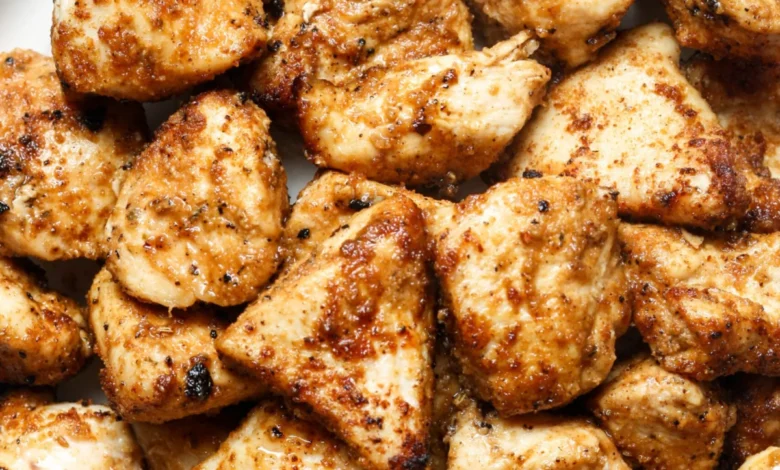
The landscape of home cooking has undergone a significant transformation over the past decade, driven by the rapid adoption of countertop convection technology, specifically the air fryer. Among the most popular applications of this appliance is the preparation of chicken bites—a dish that has transitioned from a processed, deep-fried fast-food staple to a customizable, nutrient-dense home-cooked meal. This shift reflects broader consumer trends toward convenience, health consciousness, and the desire for high-quality protein preparation with minimal lipid additives.
The Evolution of Air Fryer Technology
The air fryer, which operates by circulating superheated air at high speeds around food via a mechanical fan, creates a Maillard reaction—the chemical process that gives browned food its distinctive flavor—without the necessity of total oil submersion. Data from recent kitchen appliance industry reports suggest that air fryer ownership in North American households surpassed 50% by 2024.
The popularity of air-fried chicken bites can be attributed to the appliance’s ability to mimic the texture of deep-frying while reducing the total caloric load associated with oil absorption. While traditional deep-frying can increase the caloric density of chicken by 20% to 50% depending on the batter and oil temperature, air frying maintains the integrity of the protein with a negligible increase in fat content, provided a light coating of oil is used to facilitate crisping.

Nutritional Context and Preparation Standards
When preparing chicken bites in an air fryer, the choice of protein is paramount. Culinary experts and nutritionists generally recommend boneless, skinless chicken breasts for their high protein-to-fat ratio. Alternatively, chicken thighs offer a higher moisture content, which can prevent the meat from drying out during the rapid dehydration process inherent in convection cooking.
To achieve an optimal culinary result, the preparation sequence follows a standardized protocol:
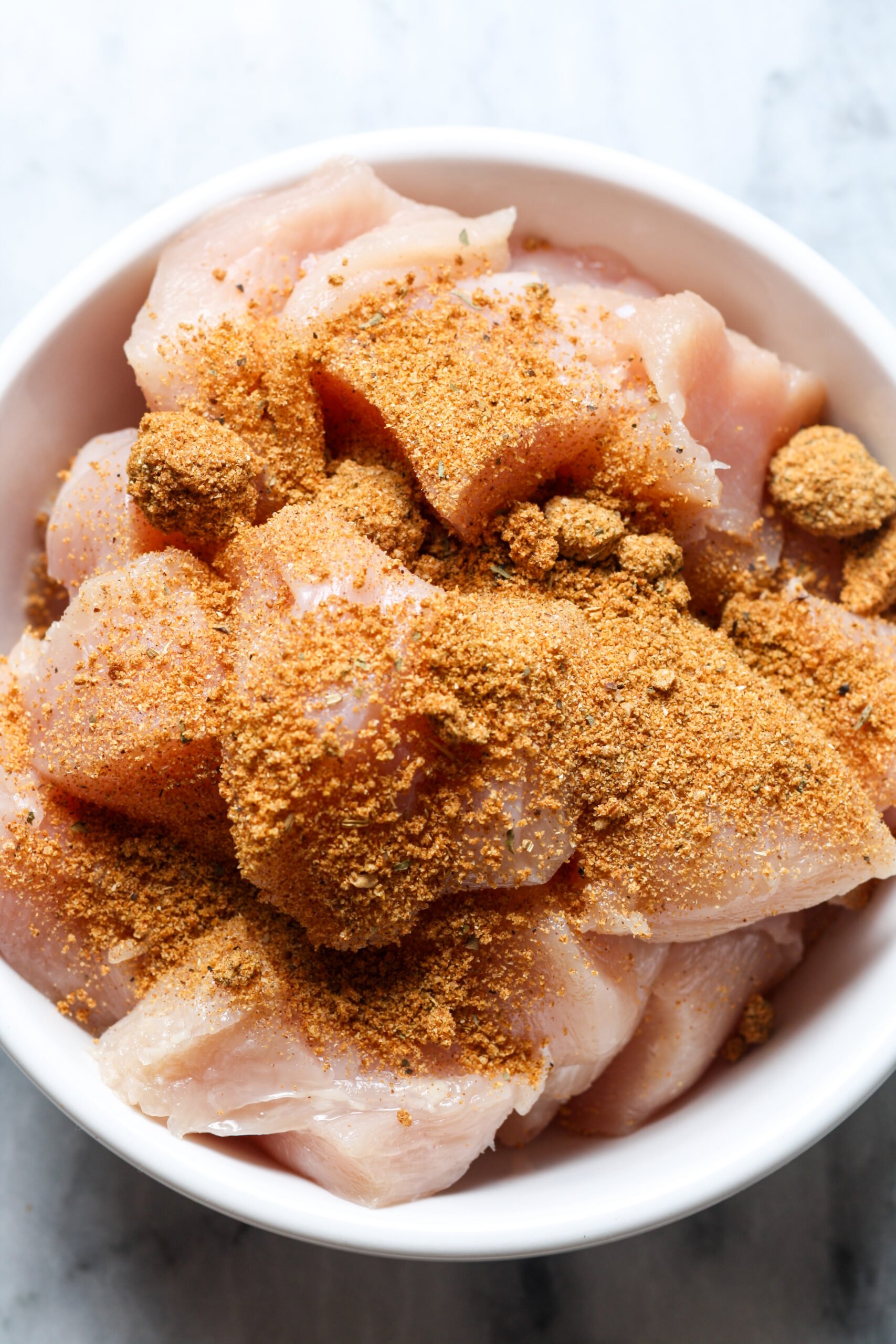
- Preparation: The raw poultry must be de-boned and sliced into uniform, one-inch cubes to ensure even thermal conductivity throughout the cooking cycle.
- Seasoning: A dry rub—typically consisting of sea salt, black pepper, garlic powder, onion powder, and spices like cumin or paprika—is applied. Unlike breaded versions, this method avoids refined flours, appealing to those following gluten-free or low-carbohydrate dietary patterns.
- Oil Application: A minimal application of oil, typically via an aerosol or pump, is required to facilitate heat transfer to the exterior of the protein, ensuring a golden, crispy crust.
Chronology of the Air Frying Process
The cooking process is a time-sensitive operation. Standard culinary guidelines for air-fried chicken bites specify an internal temperature target of 165°F (74°C) to ensure food safety, as established by the U.S. Department of Agriculture (USDA).
In a standard 1500-watt air fryer, the process generally follows this timeline:
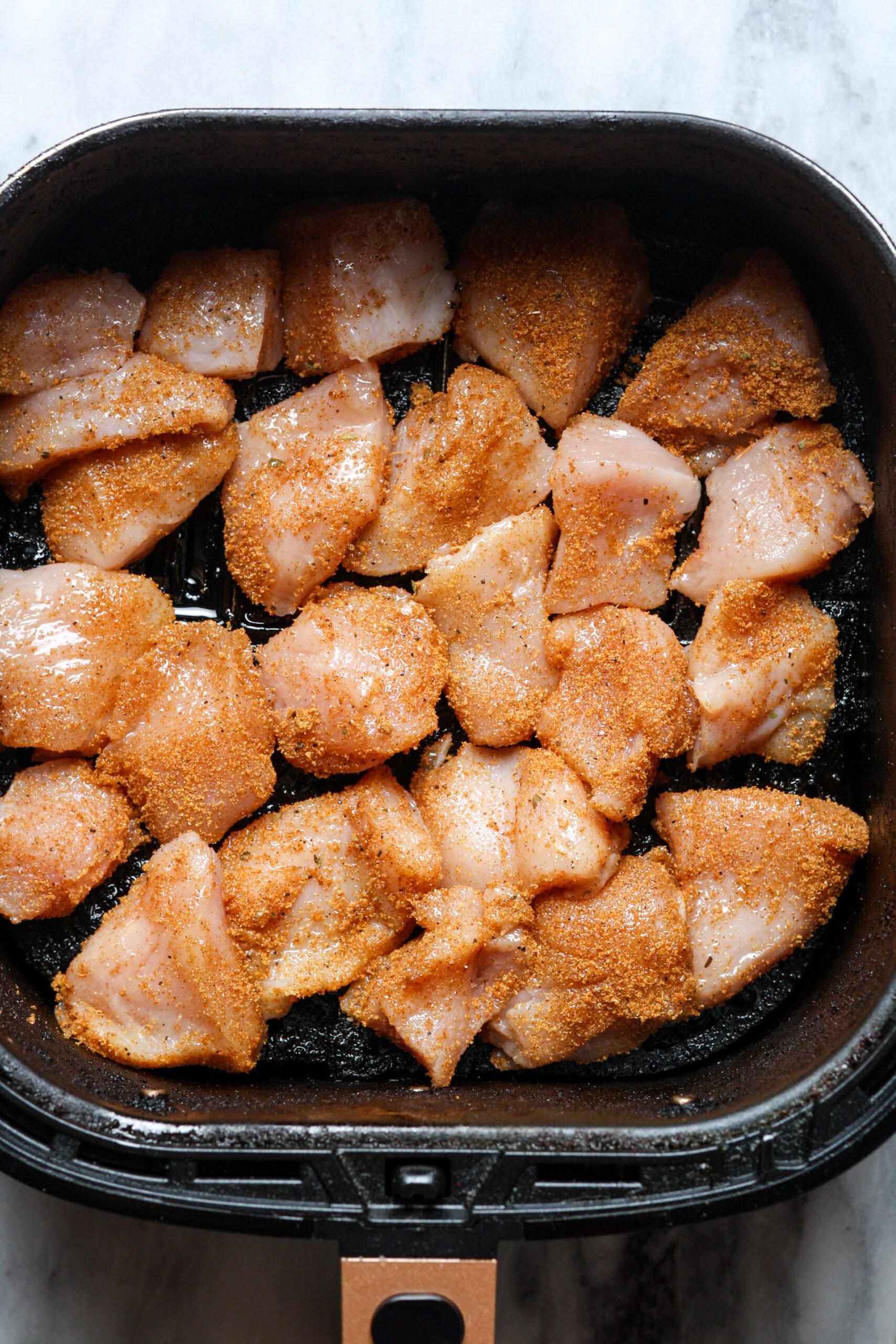
- Pre-heating: 3 minutes at 375°F (190°C) to ensure the basket is at the appropriate thermal state.
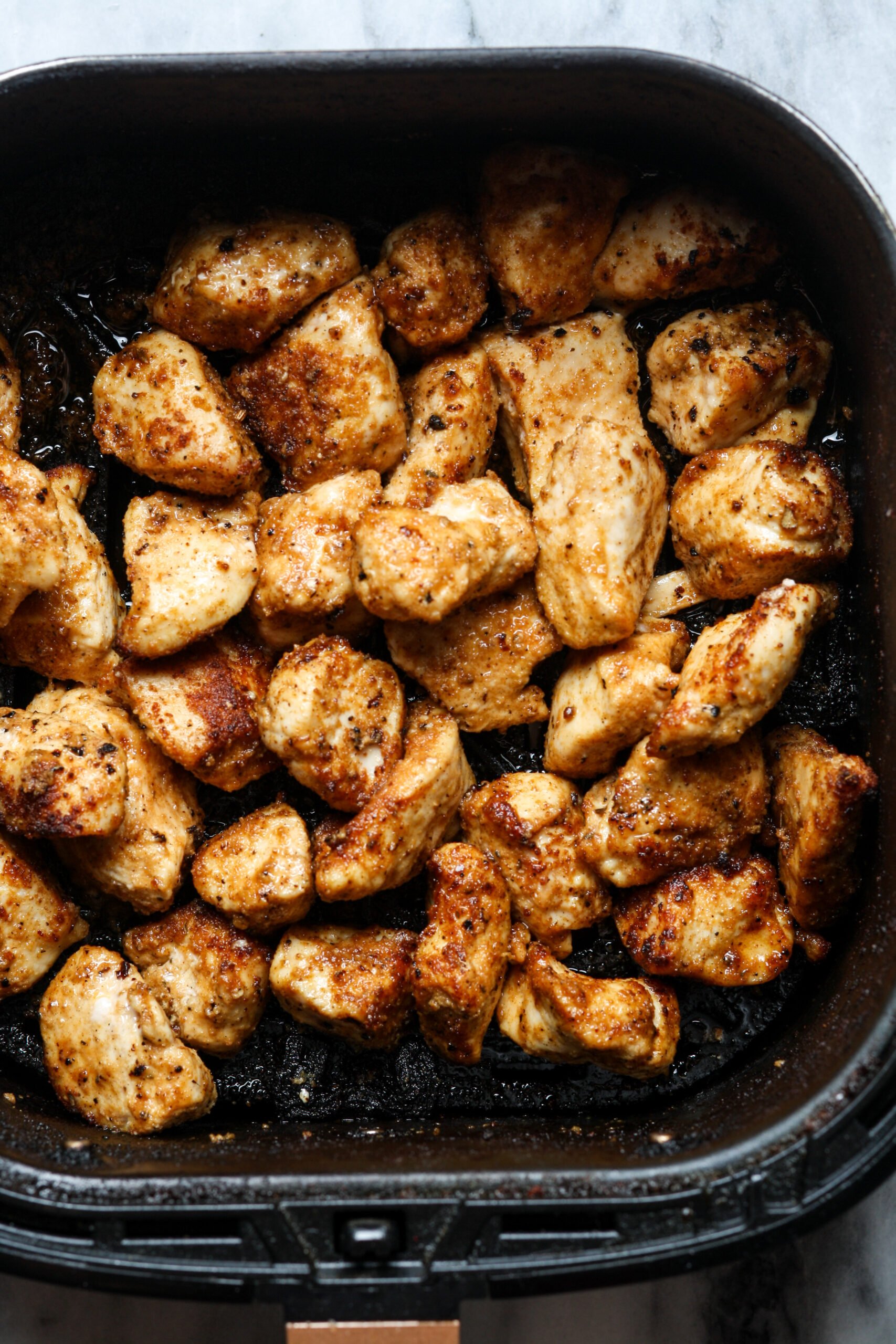
- Loading: The chicken pieces are arranged in a single layer. Overcrowding is identified as the primary cause of moisture retention, which prevents the desired crispy texture.
- Initial Cooking Phase: 6 minutes of heating.
- The Turn: At the midpoint, the chicken is flipped or the basket is shaken. This manual intervention is necessary due to the directional nature of the fan, which typically blows air from the top down.
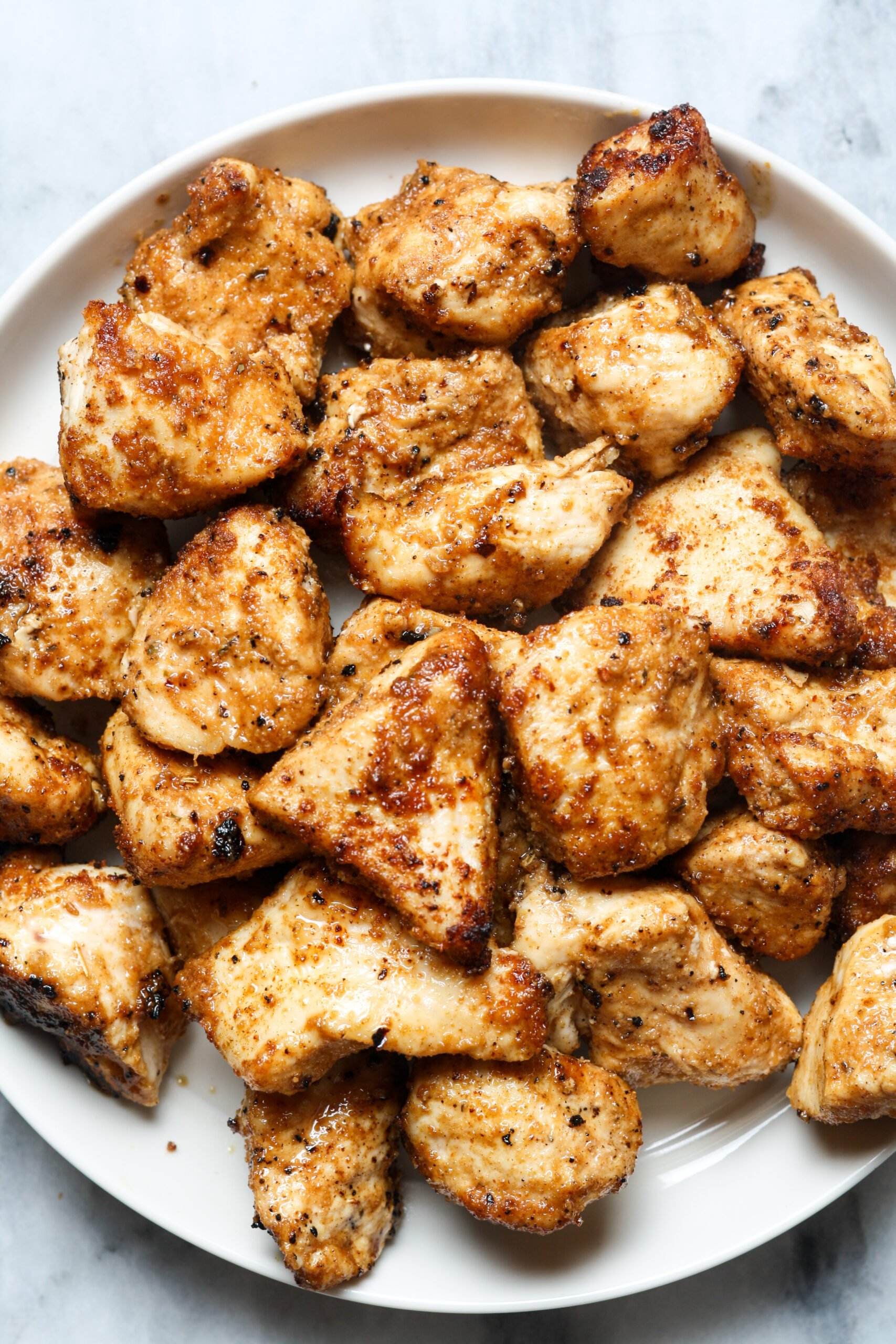
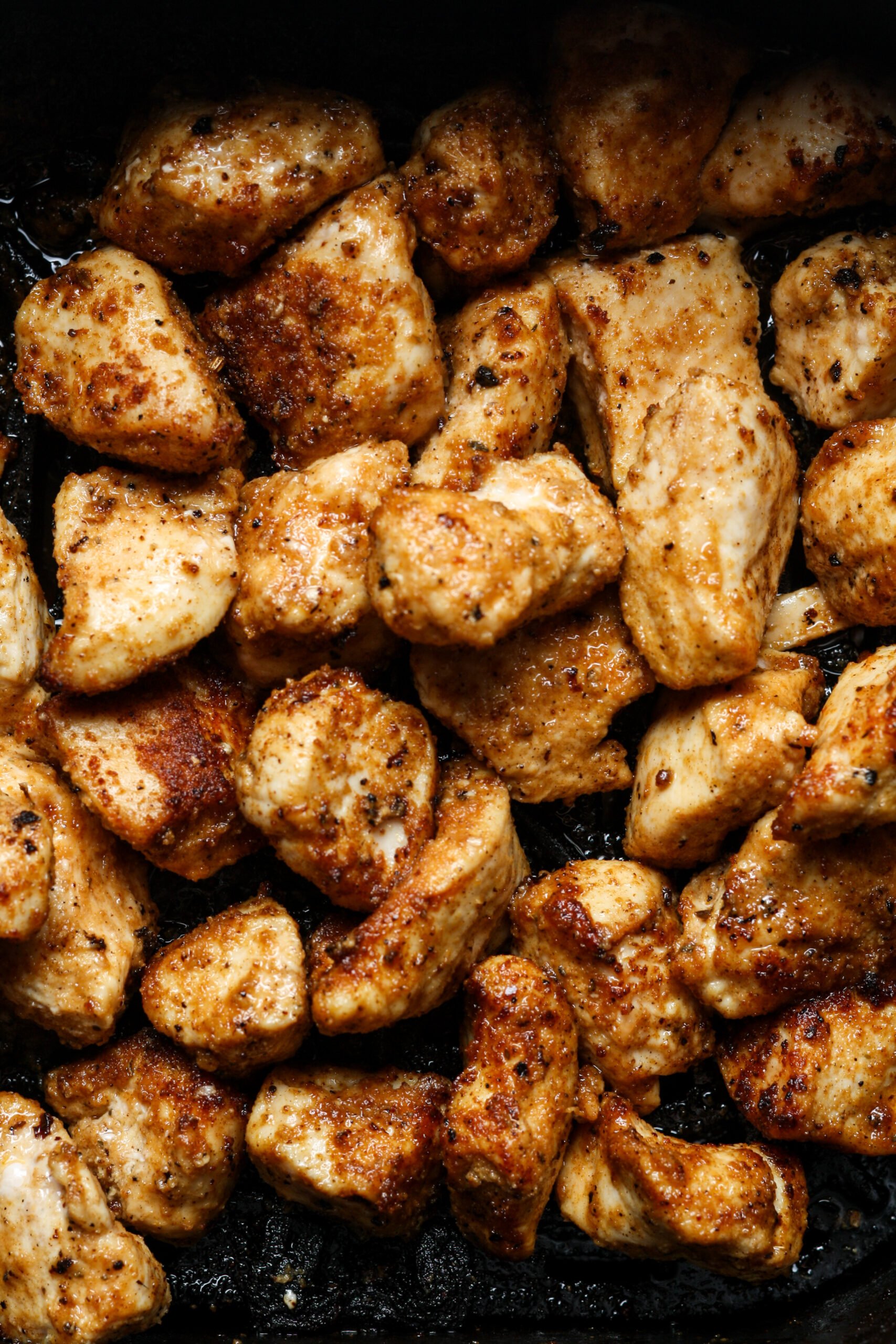
- Final Cooking Phase: An additional 6 minutes, concluding with a visual inspection to confirm a deep golden-brown exterior.
Economic and Practical Implications
The rise of the "home-chef" trend has seen a corresponding increase in the demand for recipes that prioritize speed and efficiency. In an era where the average time spent preparing dinner has decreased, the air fryer serves as a critical tool for busy households.
From a logistical standpoint, the shift toward air-fried chicken bites offers several economic advantages:
- Reduction in Food Waste: By utilizing smaller cuts of meat, families can better portion control, reducing the amount of discarded leftovers.
- Utility Efficiency: Compared to a full-sized electric or gas oven, which requires significant time and energy to preheat, the air fryer’s smaller, insulated chamber consumes approximately 30% to 50% less energy per cycle.
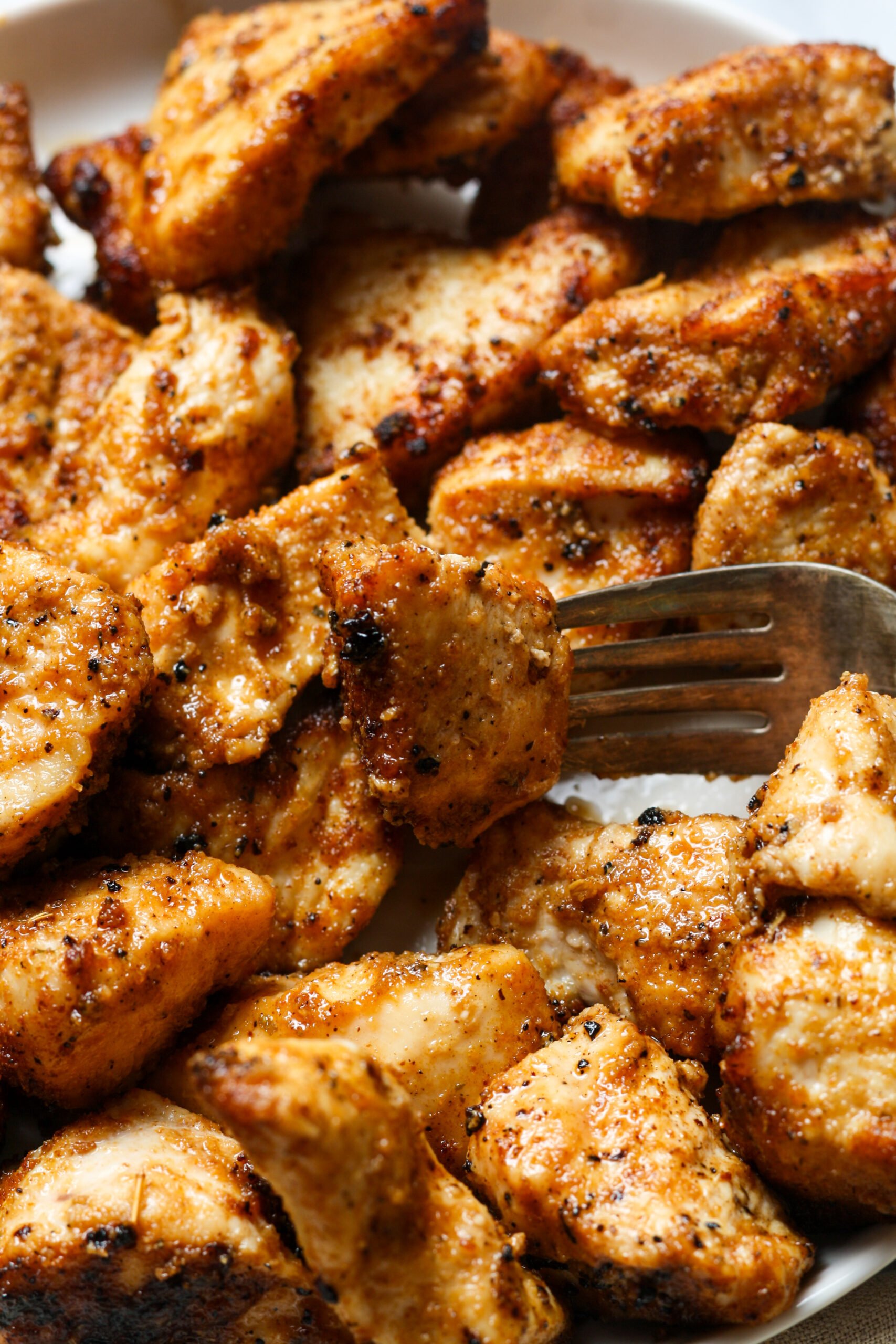
- Versatility in Meal Planning: Because the base product—the cooked chicken bite—is neutral in flavor, it acts as a versatile protein for various culinary applications, including incorporation into salads, grain bowls, wraps, or as a standalone appetizer.
Culinary Challenges and Expert Recommendations
Despite the simplicity of the process, failure to follow specific technical steps often results in subpar outcomes. Industry experts emphasize that "padding the meat dry" before seasoning is the most overlooked step in the process. Excess surface moisture creates steam rather than a crust, which can lead to a rubbery exterior.
Furthermore, the "overcrowding" phenomenon remains a primary point of failure. When chicken pieces touch, they effectively steam each other, preventing the Maillard reaction. Culinary researchers suggest that for a standard 5-quart air fryer basket, no more than one pound of chicken should be cooked at once to ensure proper airflow.
Broader Impact on Domestic Dietary Patterns
The widespread adoption of this cooking method has had a measurable impact on how families interact with their kitchens. By simplifying the process of cooking raw protein, the barrier to entry for preparing "from-scratch" meals has been lowered.
Market analysts observe that as the public continues to scrutinize the ingredient lists of processed, store-bought frozen chicken nuggets, the DIY (do-it-yourself) air fryer approach provides a transparent alternative. By controlling the exact quality of the poultry and the sodium content of the seasoning, consumers are effectively "health-hacking" their own comfort foods.
Future Projections
As kitchen technology continues to integrate smart sensors—such as internal meat thermometers that sync with smartphone applications—the process of preparing chicken bites is expected to become even more precise. Future iterations of air fryers may feature automated humidity control, which could theoretically maintain the "juiciness" of the interior while optimizing the crispness of the exterior with even greater consistency.
In conclusion, the popularity of air-fried chicken bites is not merely a passing culinary trend but a reflection of the intersection between modern technology and evolving consumer demands. By providing a method that is faster than traditional roasting and healthier than deep-frying, the air fryer has secured a permanent role in the contemporary kitchen, serving as a cornerstone for efficient, healthy, and accessible protein preparation.