Ground Beef for Babies: A Comprehensive Guide to Introducing Iron-Rich Nutrition Safely

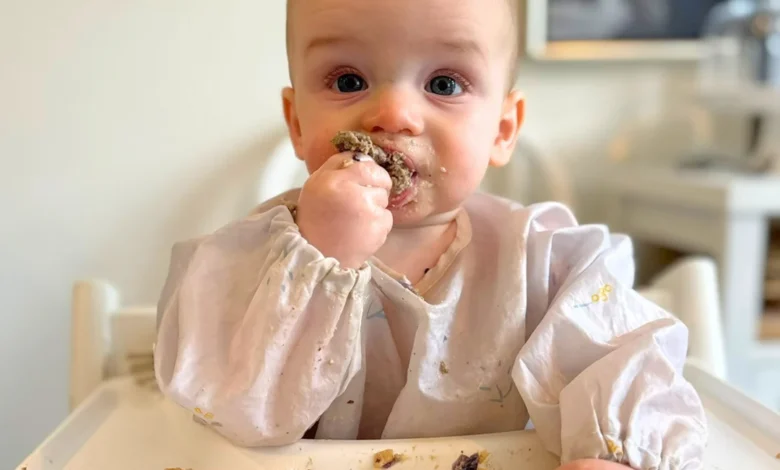
The transition to solid foods is a critical developmental milestone for infants, typically occurring around the six-month mark. While parental intuition often gravitates toward fruits and vegetables like bananas or sweet potatoes, pediatric nutritionists emphasize the urgent need for iron-rich options to support rapid growth. Ground beef stands out as a superior first food due to its high concentration of heme iron, which is significantly more bioavailable than the non-heme iron found in fortified cereals or plant-based sources.
The Biological Necessity of Iron at Six Months
During the final trimester of pregnancy, a fetus accumulates significant iron stores. By the time an infant reaches six months of age, these physiological reserves begin to deplete rapidly. This period coincides with the time when babies generally exhibit the motor and developmental readiness for solid foods. According to global health data, iron deficiency remains the most prevalent nutritional deficiency in children worldwide. If these stores are not replenished through nutrient-dense dietary intake, infants are at risk for delayed cognitive and motor development.

Unlike infant cereals, which are often fortified with non-heme iron that the body struggles to absorb, red meat provides heme iron—a form that the human digestive system processes with much higher efficiency. Integrating ground beef into a baby’s diet twice daily, as recommended by many pediatric dietitians, provides not only iron but also essential zinc, selenium, and B-vitamins, all of which are vital for immune system function and brain maturation.

Navigating the Controversy Surrounding Red Meat
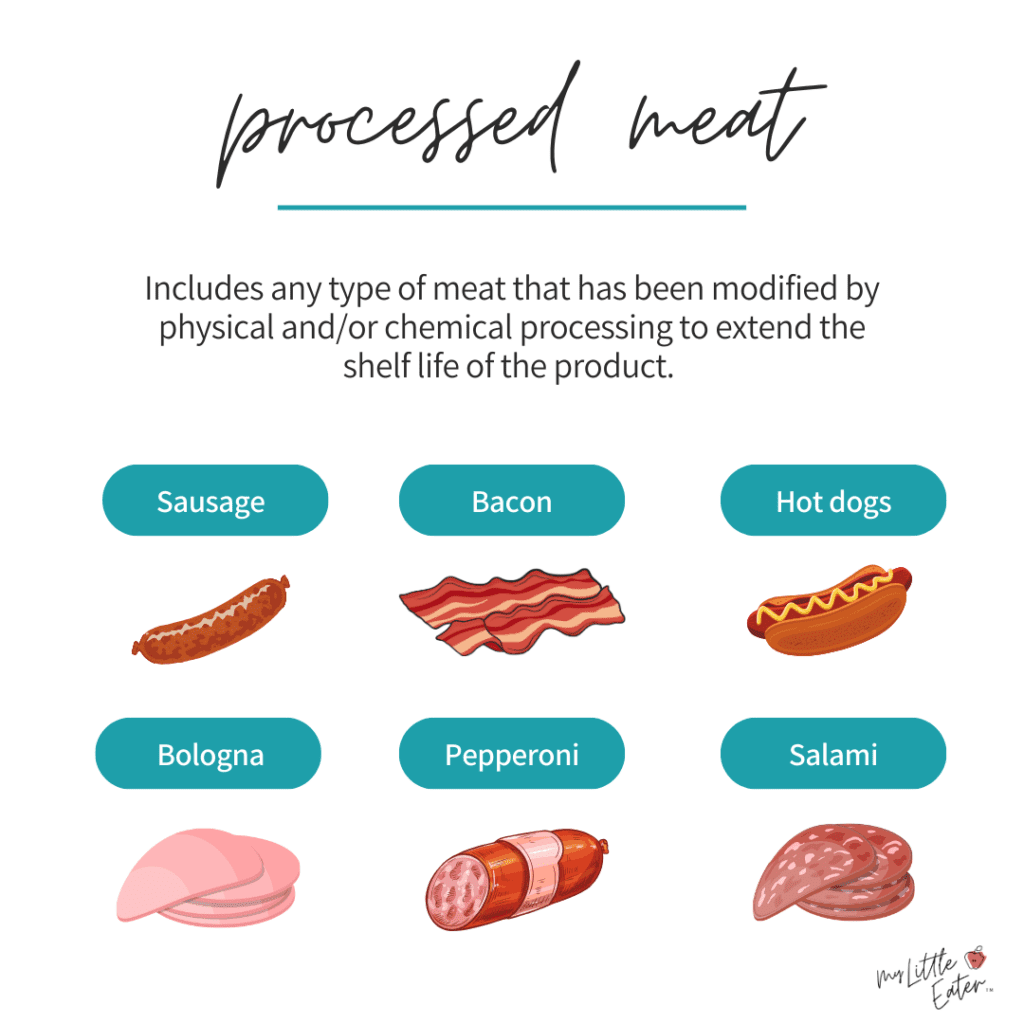
The public discourse surrounding red meat has been muddied by conflicting reports on health risks. Much of the confusion stems from studies that fail to distinguish between processed and unprocessed meats. Scientific consensus has identified a clear correlation between the regular consumption of processed meats—such as hot dogs, deli meats, bacon, and sausages—and an increased risk of chronic illnesses, including type 2 diabetes and certain cancers. These risks are largely attributed to the nitrates, nitrites, and high levels of sodium added during the curing and smoking processes.
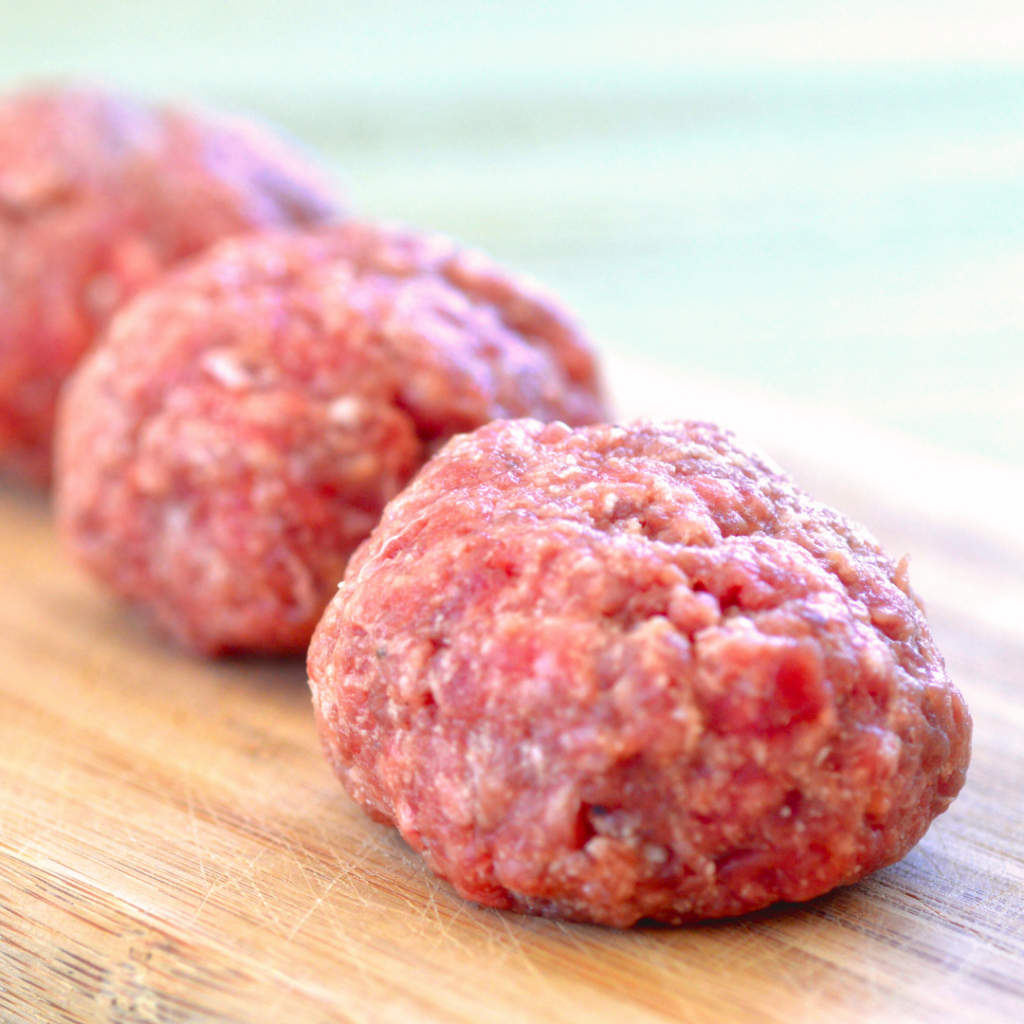
In contrast, the evidence linking the consumption of fresh, unprocessed red meat to health complications remains weak and inconsistent. Much of the existing research on the dangers of red meat is hampered by confounding lifestyle variables. For example, studies often fail to isolate meat consumption from other factors such as physical inactivity, smoking, or overall dietary quality. Consequently, for a developing infant, fresh ground beef is considered a safe, nutrient-dense, and highly effective tool for meeting daily iron requirements.
Safety Protocols for Introducing Solids
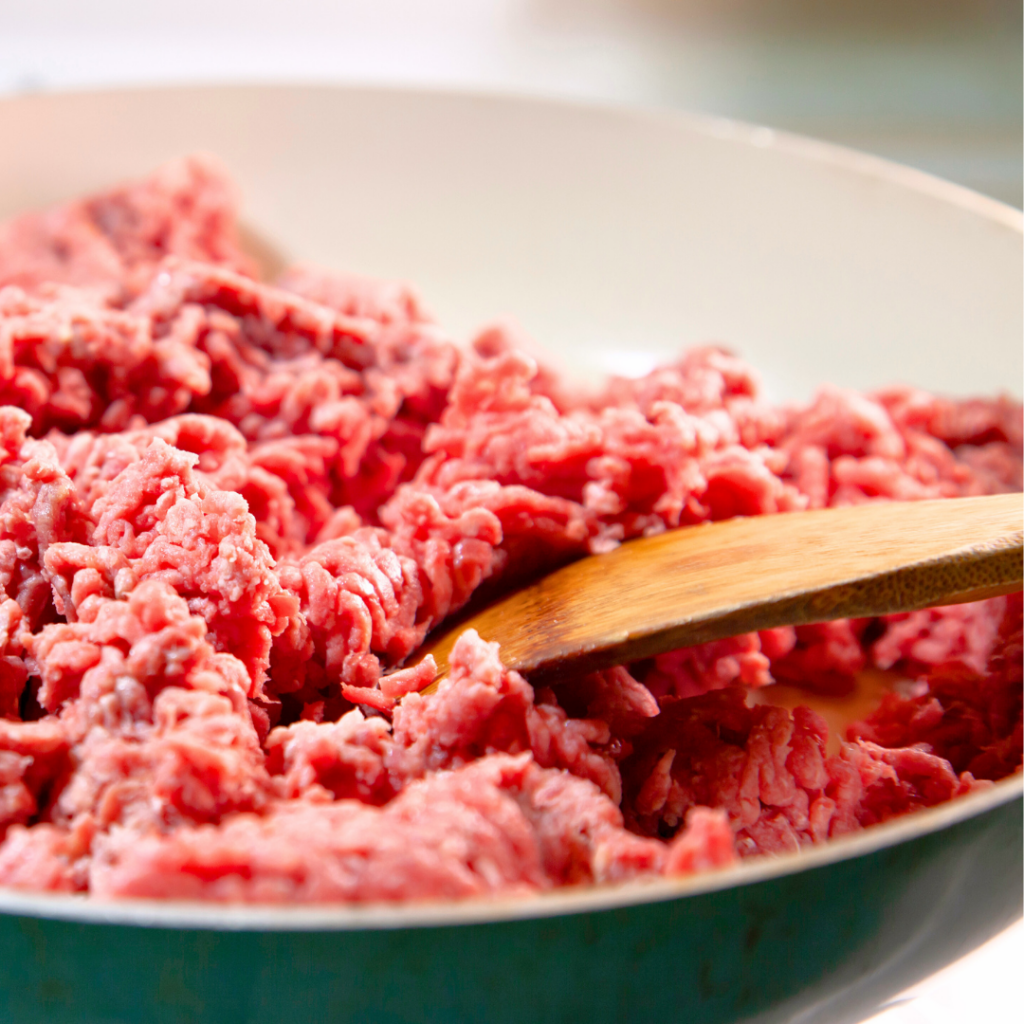
A primary concern for parents when serving meat to infants is the risk of choking. While ground beef is not inherently a high-risk choking hazard compared to whole chunks of meat, its texture and preparation method are paramount. Safety begins with the internal temperature of the product; all ground beef must be cooked to an internal temperature of 160°F (71°C) to neutralize pathogens.
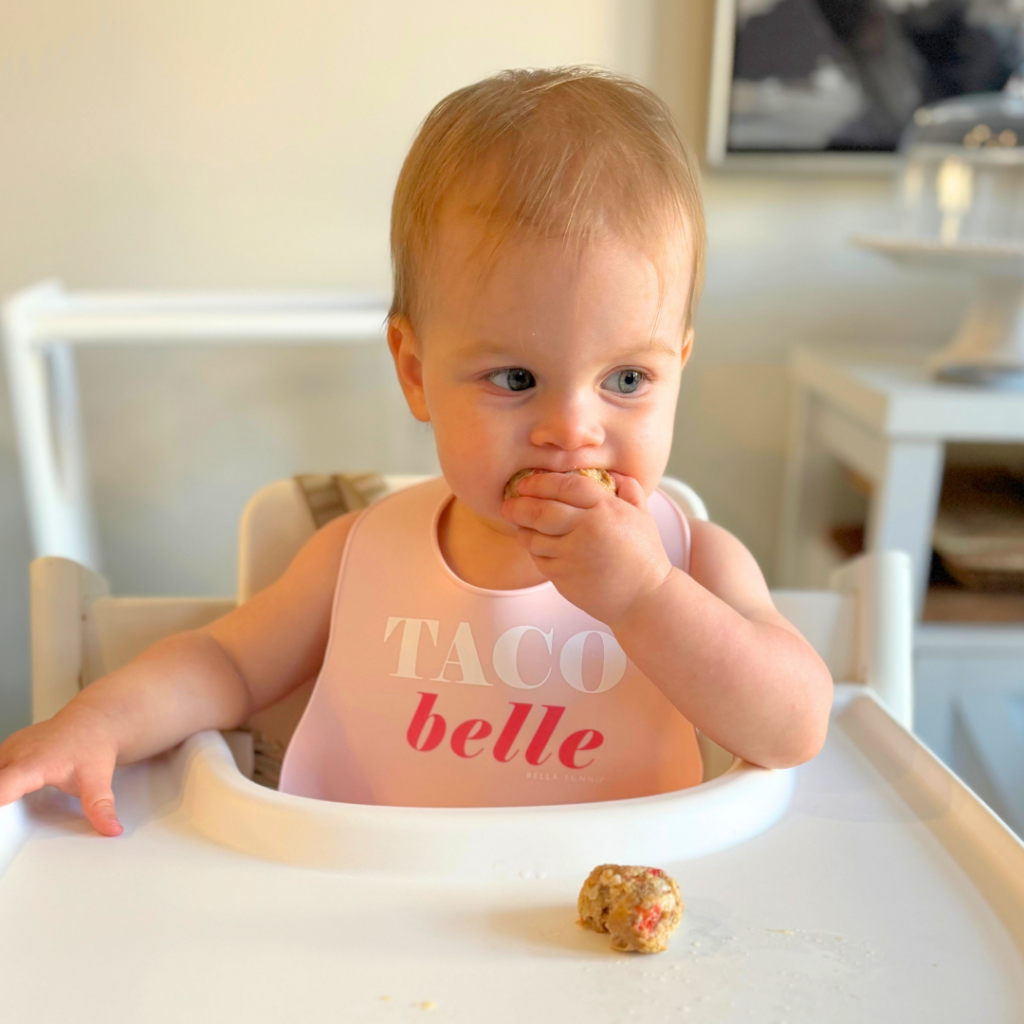
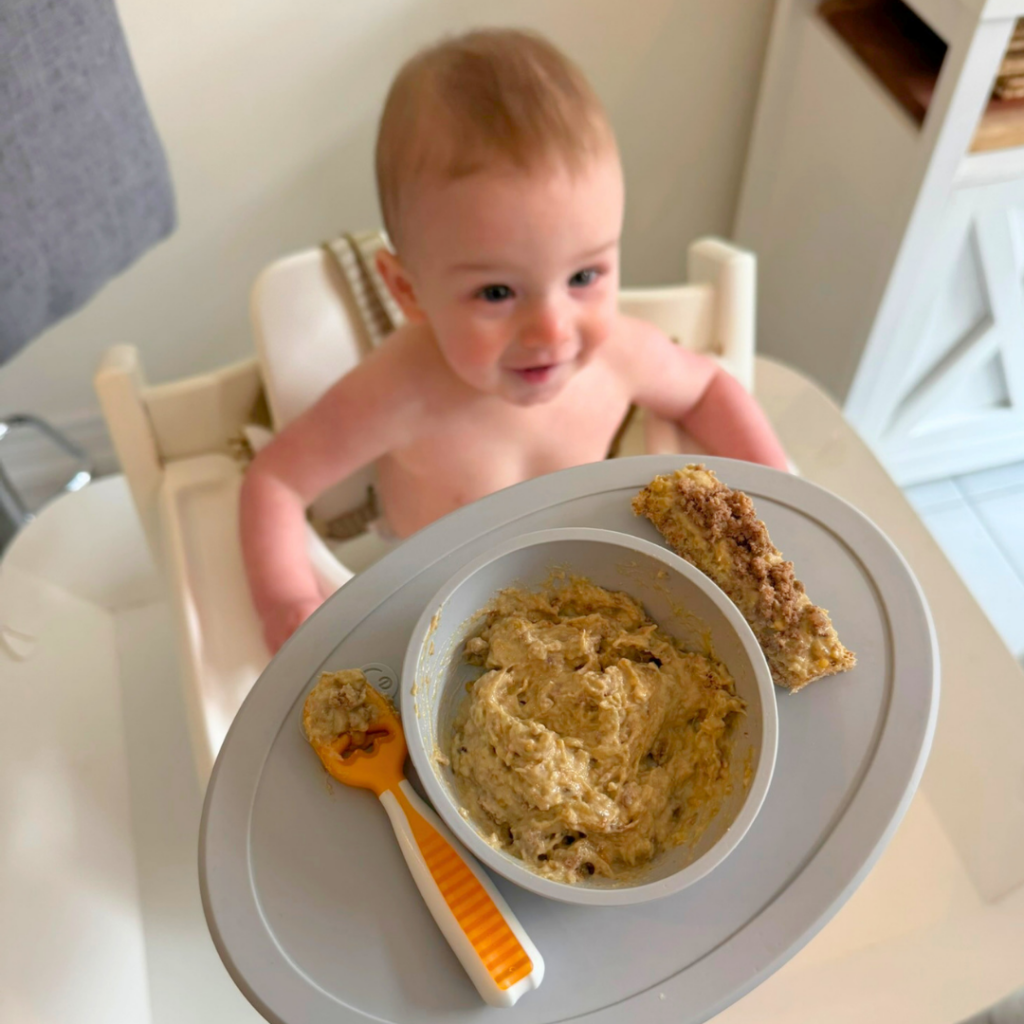
For infants in the early stages of baby-led weaning, the meat should be prepared to be moist and soft. Dry, crumbly textures are more difficult for a baby to manipulate with their gums. Parents are encouraged to incorporate liquid, such as breast milk or formula, into the raw mixture to ensure the final product retains its juiciness. Furthermore, serving ground beef in larger, finger-length strips rather than small crumbles allows infants to grasp the food more effectively with their palmar grasp, which precedes the development of the finer pincer grasp.
A Chronology of Texture Progression
The approach to serving meat should evolve alongside the infant’s oral motor skills. The process typically follows a structured timeline:
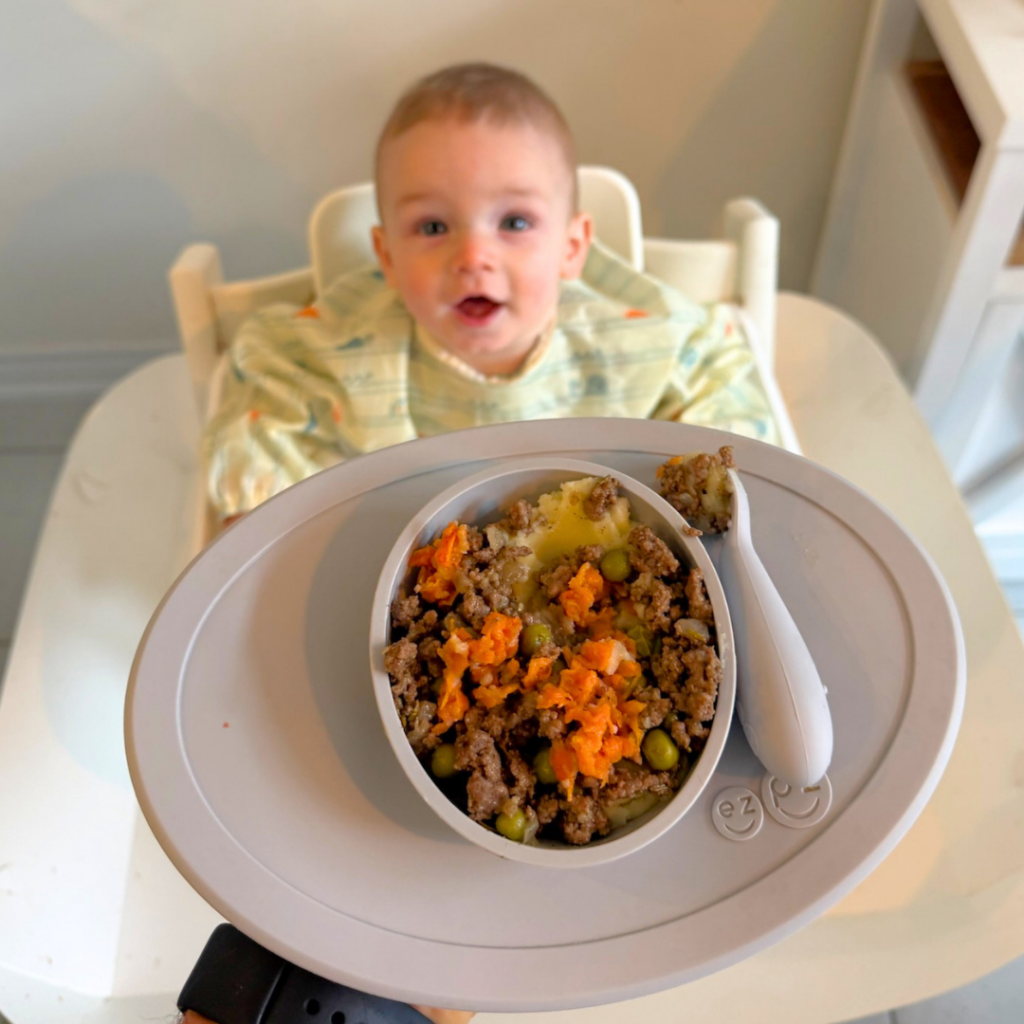
- 6 Months: Introduction of smooth, meat-based purées or finely ground, moist beef mixed into soft, scoopable foods like mashed potatoes.
- 6–9 Months: Transition to larger, soft, finger-shaped patties or meatballs that allow the infant to explore textures and suck on the iron-rich juices.
- 9–12 Months: Development of the pincer grasp allows the infant to handle smaller, bite-sized pieces, though the meat must remain tender enough to be easily squished by gums.
- 12–18 Months: Toddlers can begin to manage larger portions, such as a small burger, though continued vigilance regarding moisture and bite size is necessary.
Practical Tips for Preparation and Serving
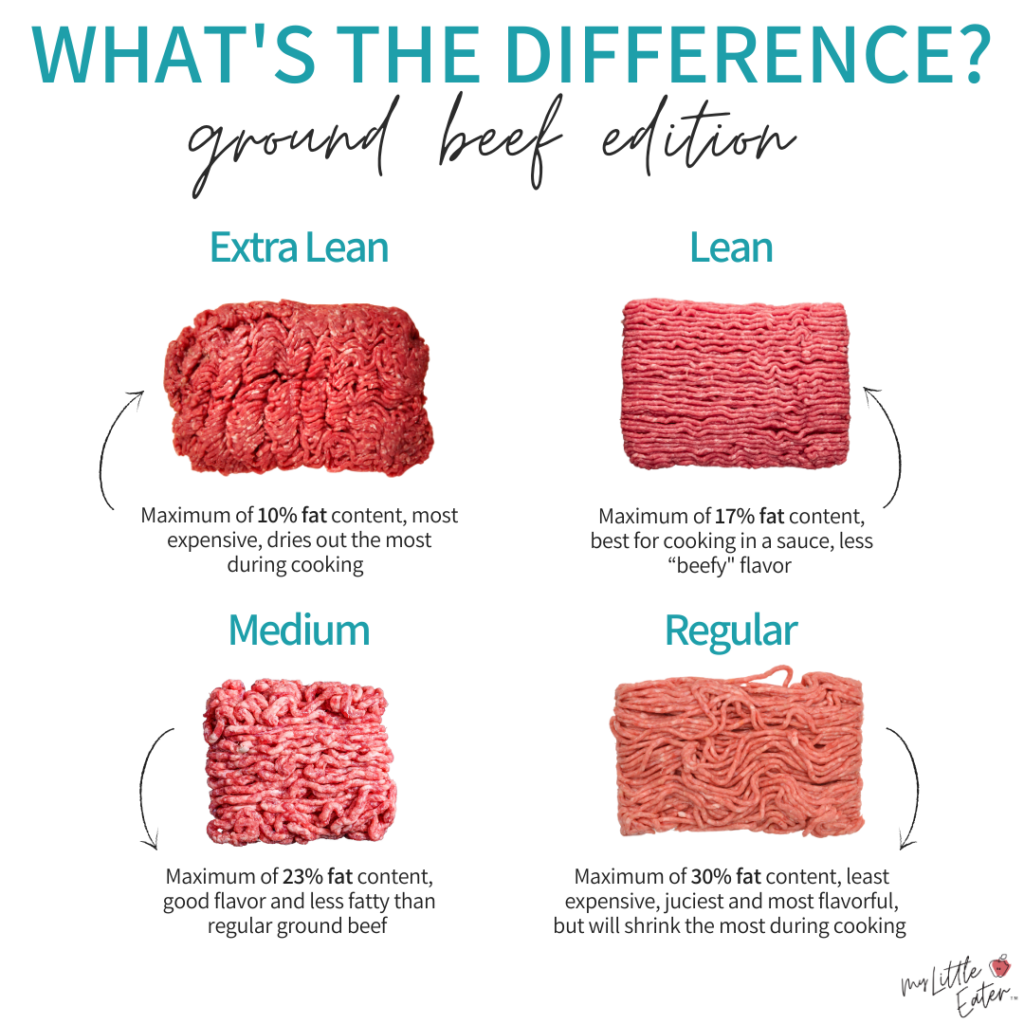
When selecting ground beef, budget does not need to dictate quality in terms of health, though lean-to-fat ratios do matter for texture. Medium or regular ground beef is often preferred over extra-lean varieties for infants; the higher fat content provides essential calories for growth and creates a juicier, softer texture that is safer for chewing.
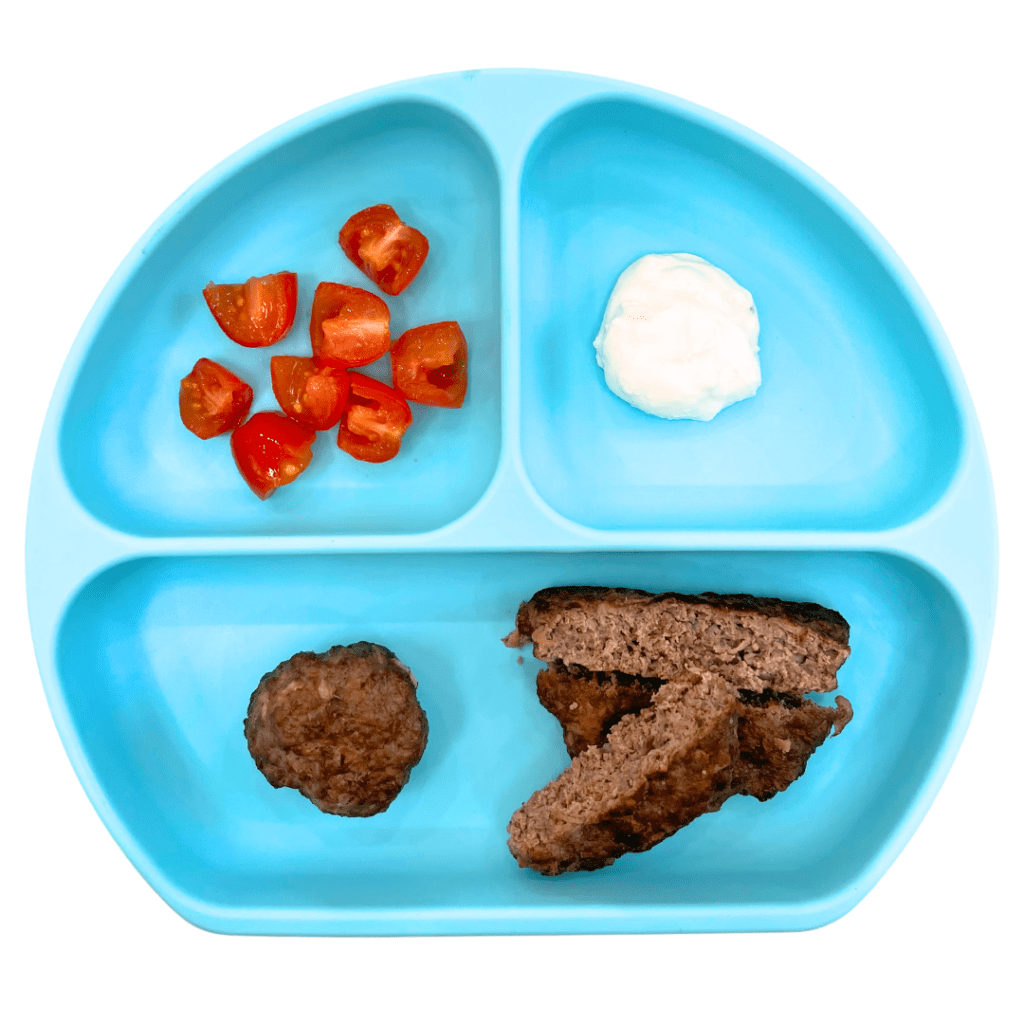
To maximize iron absorption, nutritionists suggest pairing beef with a source of Vitamin C, such as a tomato-based sauce. This chemical interaction enhances the bioavailability of the iron. Furthermore, parents should not shy away from seasoning. Herbs such as garlic, onion, cumin, rosemary, and thyme provide essential flavor exposure, which is critical for preventing the development of picky eating habits later in childhood. It is vital, however, to ensure that store-bought seasoning blends do not contain excessive salt, as sodium intake should be strictly limited in the first year of life.
The Role of Cooking Methods
While grilling is a popular culinary technique, high-heat methods that cause charring or smoking can produce heterocyclic amines (HCAs) and polycyclic aromatic hydrocarbons (PAHs). While these substances have been linked to health issues in high-dose animal studies, the occasional exposure from a grilled burger is not a cause for alarm. Nevertheless, for daily feeding, slower cooking methods—such as baking, roasting, stewing, or poaching—are recommended. These methods are not only safer but also consistently yield a more tender, manageable texture for the infant.
Broader Implications for Pediatric Health
The move toward incorporating meat into a child’s early diet reflects a shift in pediatric nutrition toward "nutrient density." As families move away from relying on refined carbohydrates and processed infant cereals, the focus has shifted to whole-food options that provide the most "bang for the buck" in terms of micro-nutrients.

By prioritizing fresh, high-quality ground beef, parents can address the most significant nutritional gap during the second half of an infant’s first year. While the transition may seem daunting, the combination of proper preparation, attention to texture, and a focus on nutrient-dense, unprocessed ingredients provides a robust foundation for long-term health. The goal is not for the infant to consume large quantities immediately, but to foster familiarity with diverse textures and flavors while ensuring their biological needs for iron are met during this critical window of development.
Related posts: