The Hidden Environmental Cost of Your Kitchen Sink: A Comprehensive Guide to Ethical Dishwashing in the UK

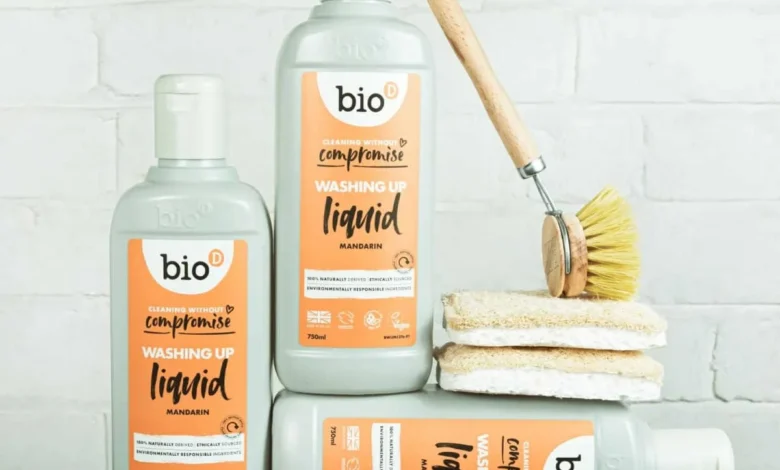
Washing the dishes is a daily necessity for millions of households across the United Kingdom, yet this mundane chore is frequently overlooked as a significant contributor to environmental degradation. While major manufacturers of conventional dish soap project an image of pristine cleanliness, the lifecycle of these products—from chemical formulation to plastic packaging and supply chain logistics—reveals a complex narrative of environmental and ethical concern. Consumers are increasingly scrutinizing the contents of their cleaning cupboards, leading to a surge in demand for products that prioritize ecological health, ethical labor practices, and circular economy principles.

The Problem with Conventional Detergents
The environmental footprint of mass-market dishwashing liquids is multifaceted, spanning chemical pollution, plastic waste, and corporate transparency issues. Conventional detergents are typically formulated with synthetic surfactants, which are the primary agents responsible for removing grease and food residue. While the European Union and the UK mandate that these surfactants must be aerobically biodegradable—meaning they must break down in oxygenated water—the reality of waterway health is more nuanced. Chemical runoff from domestic sinks can alter the chemical composition of local water bodies, potentially disrupting aquatic ecosystems if the ingredients do not break down rapidly enough under varying environmental conditions.
Furthermore, the industry is often marred by the phenomenon of "greenwashing." Several high-profile brands that position themselves as environmentally conscious are, in fact, subsidiaries of global conglomerates known for suboptimal environmental records, including concerns regarding animal testing, labor exploitation, and historical ties to environmental litigation.

The Plastic Packaging Crisis
A primary concern for the cleaning industry is the reliance on single-use plastic. Despite the UK’s extensive kerbside recycling programs, official reports from organizations such as Greenpeace suggest that a significant portion of domestic plastic waste is not recycled as intended. Instead, it is often sent for incineration or exported to countries with limited processing infrastructure, effectively shifting the environmental burden abroad.
The shift toward "recycled" plastic bottles is only a partial solution. Plastic production remains a carbon-intensive process, and the transportation of water-heavy liquid detergents—which can be up to 90% water—significantly increases the carbon footprint of every bottle sold. Experts in sustainability argue that the only truly effective path forward is the adoption of concentrated formulas and closed-loop systems that prioritize the "reduce and reuse" hierarchy over traditional recycling.

Chemical Sourcing and Deforestation Risks
The surfactants used in cleaning agents are frequently derived from plant-based oils, most notably palm oil. The global demand for palm oil has been a primary driver of deforestation in Southeast Asia, leading to the destruction of critical habitats and the loss of biodiversity. While the Roundtable on Sustainable Palm Oil (RSPO) provides a certification framework, critics argue that the system is not infallible and does not always guarantee the protection of virgin forests. Consequently, discerning consumers are increasingly looking for palm oil-free alternatives or brands that demonstrate complete supply chain transparency, verifying that their ingredients do not contribute to habitat loss.
A Chronology of the Shift Toward Sustainable Cleaning
The transition toward eco-friendly cleaning in the UK has been a steady movement over the past decade.

- 2015: The UK government officially banned the use of animal testing for final cleaning products. However, the legislation left a loophole regarding the individual ingredients used in these formulations, allowing some manufacturers to continue testing components on animals if required by international regulations.
- 2019-2020: The rise of the "zero-waste" movement gained mainstream traction, with small-scale refill stations appearing in independent health shops across the UK. This period marked the beginning of consumers actively seeking out brands that offered bulk refill options.
- 2021: A pivotal year for the industry, as increased public awareness regarding carbon reporting and ESG (Environmental, Social, and Governance) criteria forced many mid-sized cleaning companies to reconsider their supply chain disclosures.
- 2023-2026: The current era is defined by the integration of innovative technology, such as powder-to-gel sachets and professional-grade refill systems that allow consumers to bypass the traditional plastic bottle model entirely.
Leading Ethical Brands: An Overview
Several UK-based companies have emerged as leaders in the sustainable cleaning sector, demonstrating that efficacy does not have to come at the cost of the environment.
Faith in Nature
Faith in Nature has carved a niche by focusing on plant-derived ingredients and large-format packaging. By offering 5-litre containers, the brand provides a direct method for households to significantly reduce their plastic consumption. Their formulations are free from parabens and sulphates, and they hold Vegan Society approval, ensuring that no animal-derived components or testing processes are involved in their production.

Bower Collective
Bower Collective represents the modern, tech-enabled approach to sustainability. Their "BowerPack" system utilizes a circular model where refill pouches are sent to customers, and once empty, returned via a prepaid envelope for industrial cleaning and reuse. Their commitment is further evidenced by their B-Corp certification and their partnership with CleanHub, which funds the interception of plastic waste in coastal regions of India.
Miniml
Based in Yorkshire, Miniml focuses on a closed-loop system that allows consumers to replenish their cleaning supplies via local refill stations or direct-to-consumer bulk shipments. By eliminating VOCs (Volatile Organic Compounds) and other harsh chemicals, they have positioned themselves as a safer alternative for households with sensitive skin or small children.

Ecoleaf
Operated by the workers’ cooperative Suma, Ecoleaf provides a blueprint for ethical business models. Because the organization is a cooperative, every employee has an equal stake and voice in operations, ensuring that the company’s commitment to ethical trading and sustainability is baked into its core governance. Their bulk offerings—reaching up to 20 litres—are specifically designed for high-consumption environments, such as schools or large households.
Homethings
Homethings has disrupted the market by addressing the issue of shipping water. By providing concentrated powder-to-gel sachets, they allow customers to use their own reusable bottles. This innovation drastically reduces the weight and volume of the product, resulting in a significantly lower carbon footprint during transport.

The Fallacy of Homemade Solutions
While the desire to create cleaning products at home is a natural extension of the eco-friendly movement, experts often advise caution. Rigorous testing has shown that many "DIY" dish soaps struggle to maintain chemical stability and efficacy. Commercial detergents are engineered with specific pH balances and stabilizer systems that cannot be easily replicated in a home kitchen. The use of ineffective natural cleaners often results in increased water consumption and energy use, as users find themselves washing dishes repeatedly to remove stubborn, greasy residues. Therefore, the most sustainable approach remains supporting companies that have invested in the science of green chemistry.
Future Implications and Policy Directions
The movement toward sustainable dishwashing is not merely a lifestyle choice; it is a signal to the broader chemical and manufacturing industries. As regulatory bodies continue to tighten standards on chemical biodegradability and plastic reporting, larger corporations will be forced to adapt their models.

For the average UK consumer, the shift involves three main actions: prioritizing brands with transparent, third-party verified supply chains; moving away from single-use plastics in favor of refillable systems; and selecting products that are free from palm oil or sourced from strictly regulated, sustainable suppliers. By making these informed choices, consumers contribute to a growing market demand that prioritizes the health of the planet alongside the hygiene of the home. The evolution of the cleaning aisle is an ongoing process, but the current trajectory suggests that the future of dishwashing will be defined by circularity, transparency, and a renewed commitment to ecological integrity.