The Ultimate Guide to Making Family-Friendly Homemade Spaghetti Sauce with Meat

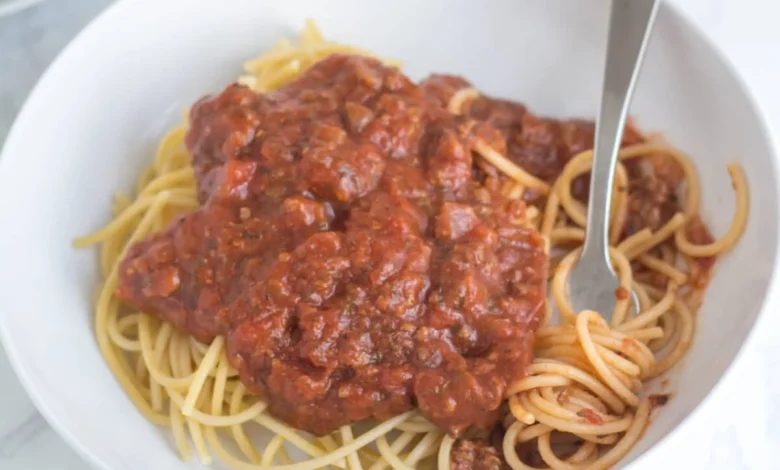
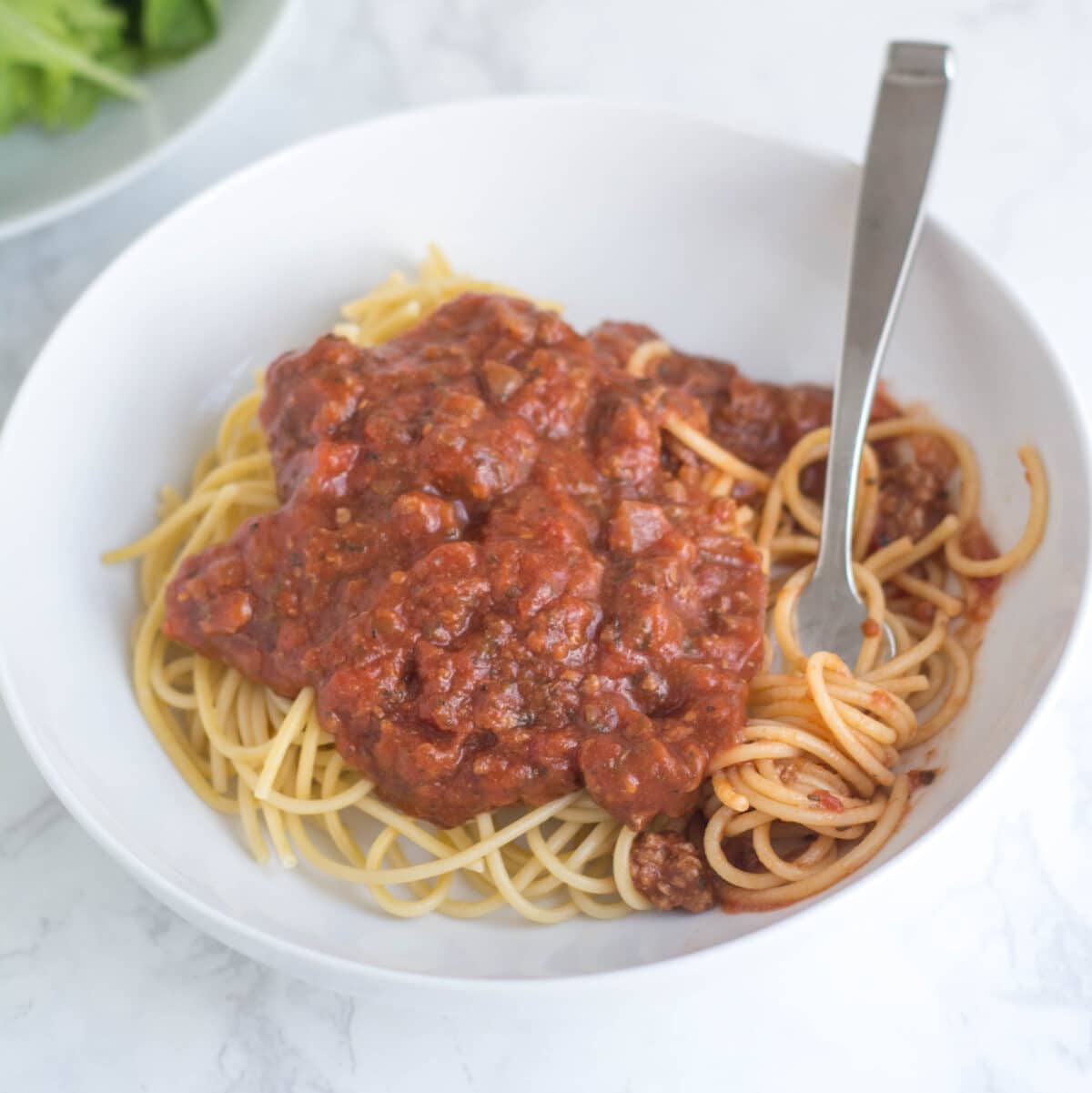
The culinary landscape of weeknight family dinners often centers around dishes that offer both convenience and deep, comforting flavors. Among these, homemade spaghetti sauce with meat remains a perennial favorite in households across North America. Recently, home cooking enthusiasts and culinary bloggers have spotlighted a traditional, community-inspired recipe designed to feed large gatherings while providing the rich, savory profile characteristic of slow-simmered Italian-American sauces. Yielding approximately eight to ten generous servings per batch, this recipe addresses the perennial challenge of preparing wholesome, scalable meals for busy families.
Background Context and Origins
The cultural significance of meat sauce, frequently referred to in Italian-American communities as ragù, stems from traditions of resourcefulness and communal sharing. Historically, large-batch cooking served as a practical method for nourishing extended families, welcoming new parents, or supporting neighbors undergoing life transitions.
The popularized version of this family-friendly meat sauce originated not from a commercial test kitchen, but from informal neighborhood networks where tubs of homemade comfort food were exchanged during significant life events such as the arrival of a newborn or household relocations. Culinary historians note that these community food-sharing traditions have experienced a resurgence in recent years. As schedules become increasingly demanding, home cooks place a higher value on versatile, freezer-friendly recipes that reduce daily meal-preparation stress without compromising nutritional value or taste.
Detailed Chronology and Preparation Workflow
Preparing a large-batch meat sauce requires a structured approach to ingredient layering and simmering time to ensure the flavors meld effectively. While traditional Italian ragùs can simmer for hours, this modernized weeknight adaptation balances depth of flavor with time efficiency.
The preparation chronology typically follows a standard culinary framework:
- Preparation and Browning (Minutes 0–15): The process begins with browning the primary protein, traditionally ground beef, in a large Dutch oven or heavy-bottomed pot. Culinary experts recommend draining excess fat to maintain a balanced nutritional profile while retaining enough moisture for texture. Alternatives such as ground turkey can be substituted seamlessly based on dietary preferences.
- Aromatics and Foundation (Minutes 15–25): Diced onions, garlic, and secondary vegetables are sautéed directly with the meat or in residual fats to release essential aromatic compounds. This step establishes the foundational flavor profile of the sauce.
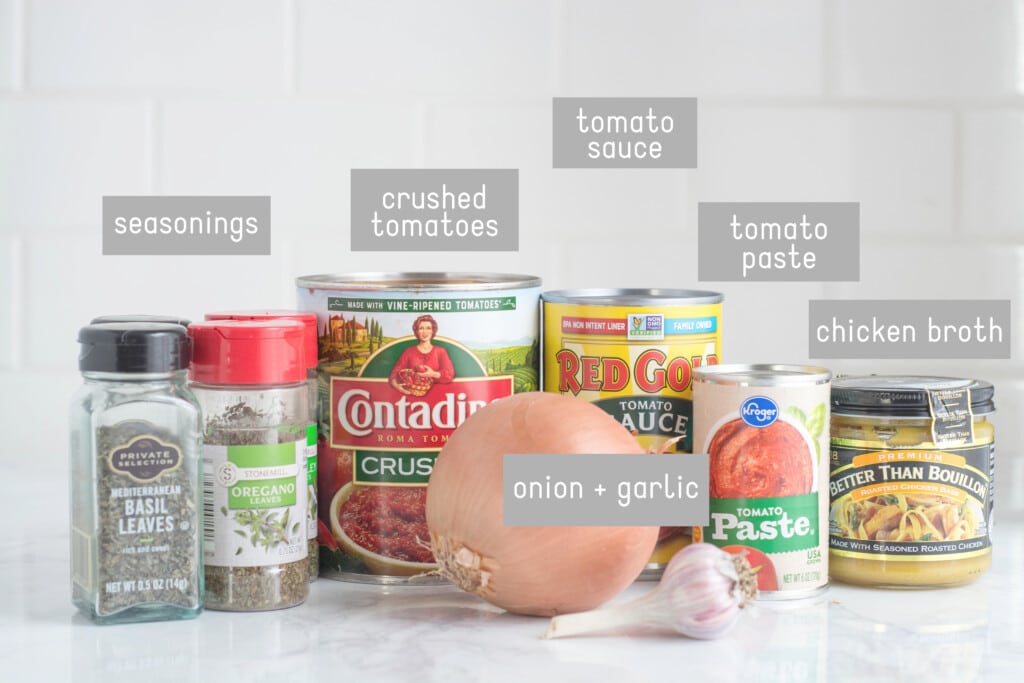
- Simmering and Reduction (Minutes 25–85): Tomato purees, crushed tomatoes, pastes, and broth—or a preferred substitute of water combined with bouillon bases such as Better Than Bouillon—are incorporated into the pot. The mixture is brought to a gentle boil before being reduced to a simmer. Allowing the sauce to simmer uncovered for an hour thickens the consistency naturally and mellows the acidity of the tomatoes.
- Finishing and Storage (Minutes 85+): Once the desired thickness is achieved, the sauce is adjusted for seasoning before being served immediately over preferred pasta shapes or prepared for long-term preservation.
Nutritional Profile and Dietary Analysis
From a nutritional perspective, a standard serving of this homemade meat sauce offers a balanced macronutrient distribution. Based on standard recipe scaling for eight to ten portions, a single serving contains approximately 232 calories.
Nutritional breakdown per serving includes:
- Total Fat: 9 grams (comprising 3 grams of saturated fat and 6 grams of unsaturated fat)
- Cholesterol: 51 milligrams
- Sodium: 712 milligrams
- Total Carbohydrates: 19 grams
- Dietary Fiber: 5 grams
- Sugars: 11 grams
- Protein: 20 grams
The inclusion of fiber-rich tomatoes and lean protein sources ensures that the meal contributes significantly to daily dietary requirements. Furthermore, the moderate calorie count per serving allows flexibility in portion control and pasta pairing choices. Culinary professionals note that while traditional spaghetti remains the standard accompaniment, the thickness of the meat sauce makes it equally compatible with robust pasta shapes such as rigatoni and penne, which hold heavier sauces more effectively.
Storage, Preservation, and Flexibility
A defining characteristic of large-batch culinary staples is adaptability in storage and preparation methods. Food safety guidelines recommend that cooked meat sauces be stored in airtight glass or plastic containers and consumed within three to four days when kept refrigerated.
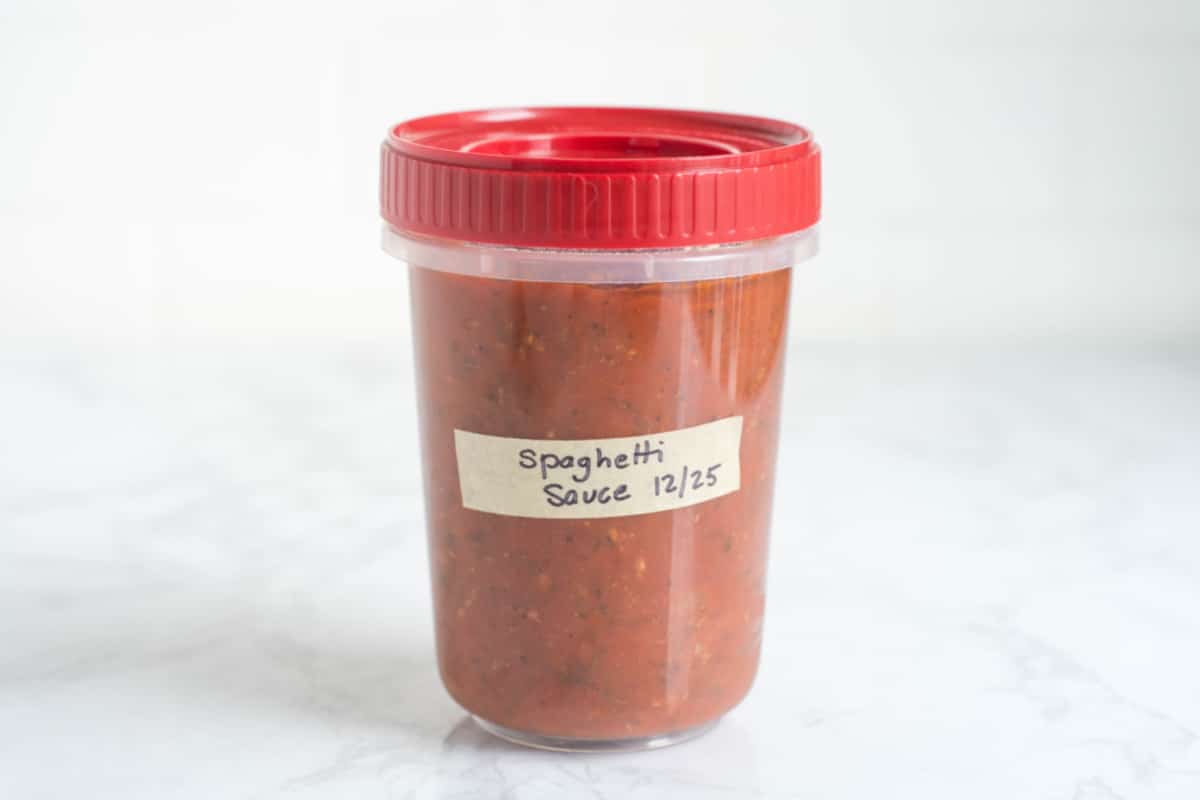
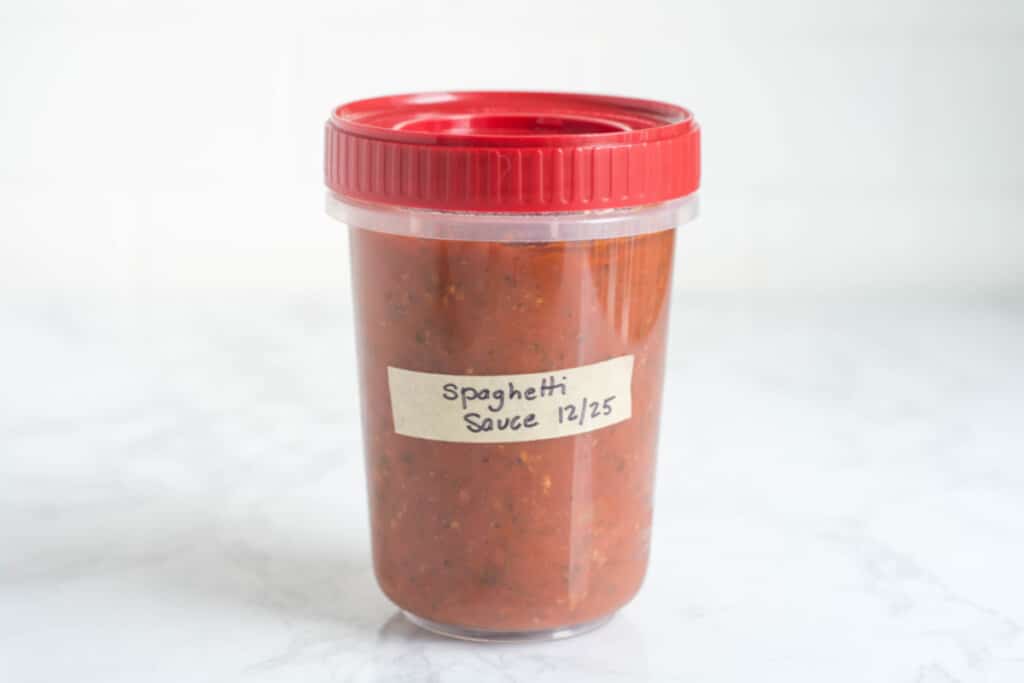
For longer preservation, the sauce demonstrates exceptional freezing qualities. Culinary experts advise transferring the cooled sauce into heavy-duty freezer bags pressed flat to optimize freezer space or into sealed airtight containers. When stored correctly at consistent sub-zero temperatures, the sauce maintains optimal quality and flavor integrity for two to three months.
In response to modern kitchen technology, the recipe has also been adapted for use in multi-cookers such as the Instant Pot. Pressure-cooking adaptations reduce active cooking times significantly while achieving a similar consistency and depth of flavor, catering to time-constrained households seeking quick-fix dinner solutions.
Broader Impact on Family Nutrition and Community Cooking
The popularity of scalable, comforting recipes like this homemade meat sauce reflects broader trends in home economics and family psychology. Nutritionists and family counselors emphasize that shared meals anchored by comforting, familiar foods contribute positively to household bonding and psychological well-being.
Moreover, the practice of preparing excess portions specifically for freezing or sharing reinforces social cohesion within neighborhoods and communities. As food costs fluctuate and families seek economical ways to maintain healthy eating habits, reliance on scratch-made, high-yield recipes provides a sustainable alternative to processed convenience foods. By combining nutritional transparency, scalability, and traditional comfort, recipes of this nature continue to serve as a foundational element of modern domestic culinary practices.