The Rise of Pumpkin Scones with Maple Drizzle as the Definitive Autumn Culinary Trend

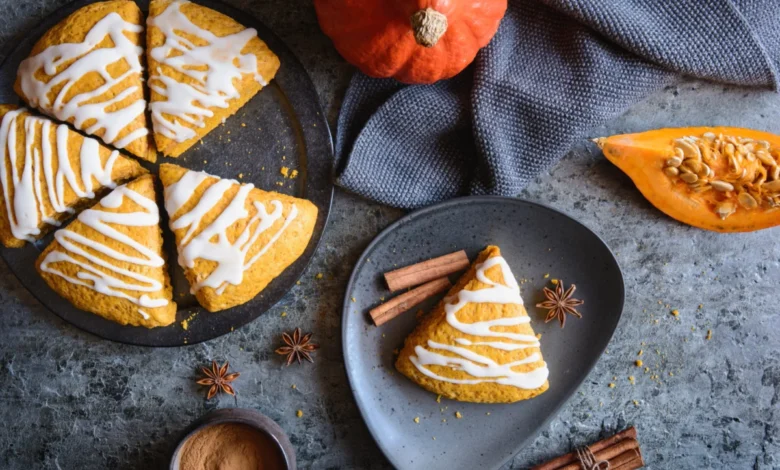
The culinary landscape of the autumn season is once again undergoing a familiar yet eagerly anticipated transformation, with seasonal baked goods dominating consumer preferences across North America. Among the wave of autumnal treats flooding bakeries and home kitchens alike, pumpkin scones finished with a maple glaze have emerged as the defining comfort food of the season. Combining the earthy, nutrient-dense profile of squash with traditional warming spices and unrefined sweeteners, this specific pastry has transitioned from a niche coffeehouse offering to a widespread household staple. As consumer demand for nostalgic, high-comfort foods peaks during the cooler months, nutritionists, bakers, and food historians are examining why this particular combination of ingredients has captured the cultural zeitgeist.
Main Facts and Culinary Composition
At its core, the modern pumpkin scone is a masterclass in balancing moisture and texture—two attributes that historically challenge bakers working with winter squash. Unlike conventional British-style scones, which can lean dry and crumbly, the incorporation of pumpkin puree introduces a high level of natural moisture, resulting in a tender crumb that resembles a cross between a traditional biscuit and a soft-baked muffin.
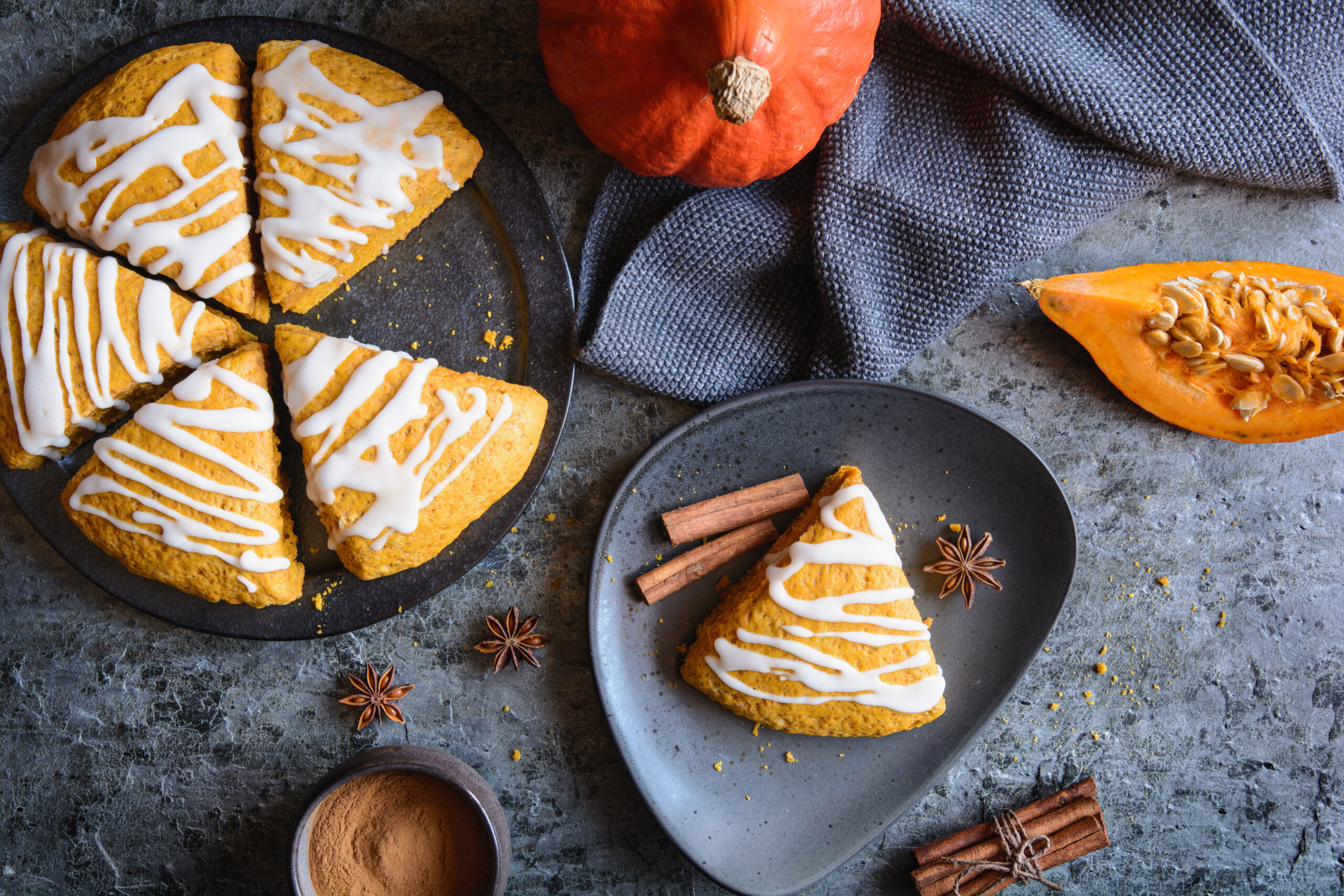
Food science laboratories and culinary institutes note that pumpkin puree acts as a natural humectant, retaining water throughout the baking process. This characteristic is complemented by the careful inclusion of cold fats, typically unsalted butter, which melt during baking to create delicate, flaky layers. The flavor profile is anchored by a traditional blend of "pumpkin spice" components: Ceylon cinnamon, ginger, nutmeg, and cloves. These spices do more than provide flavor; historically, compounds like cinnamaldehyde and eugenol have been utilized for their warming properties and antimicrobial benefits, aligning with the seasonal shift toward foods that induce physiological warmth.
Chronology and Evolution of the Pumpkin Spice Phenomenon
The trajectory of pumpkin-flavored baked goods in contemporary gastronomy can be traced across a distinct timeline that accelerated rapidly at the turn of the twenty-first century.
During the mid-to-late 1990s, the commercial food sector recognized an untapped market in leveraging seasonal nostalgia. The milestone introduction of the pumpkin spice latte by major coffeehouse chains in 2003 served as the catalyst for a broader cultural obsession, shifting pumpkin from a traditional Thanksgiving pie ingredient to a ubiquitous flavor profile spanning August through November.
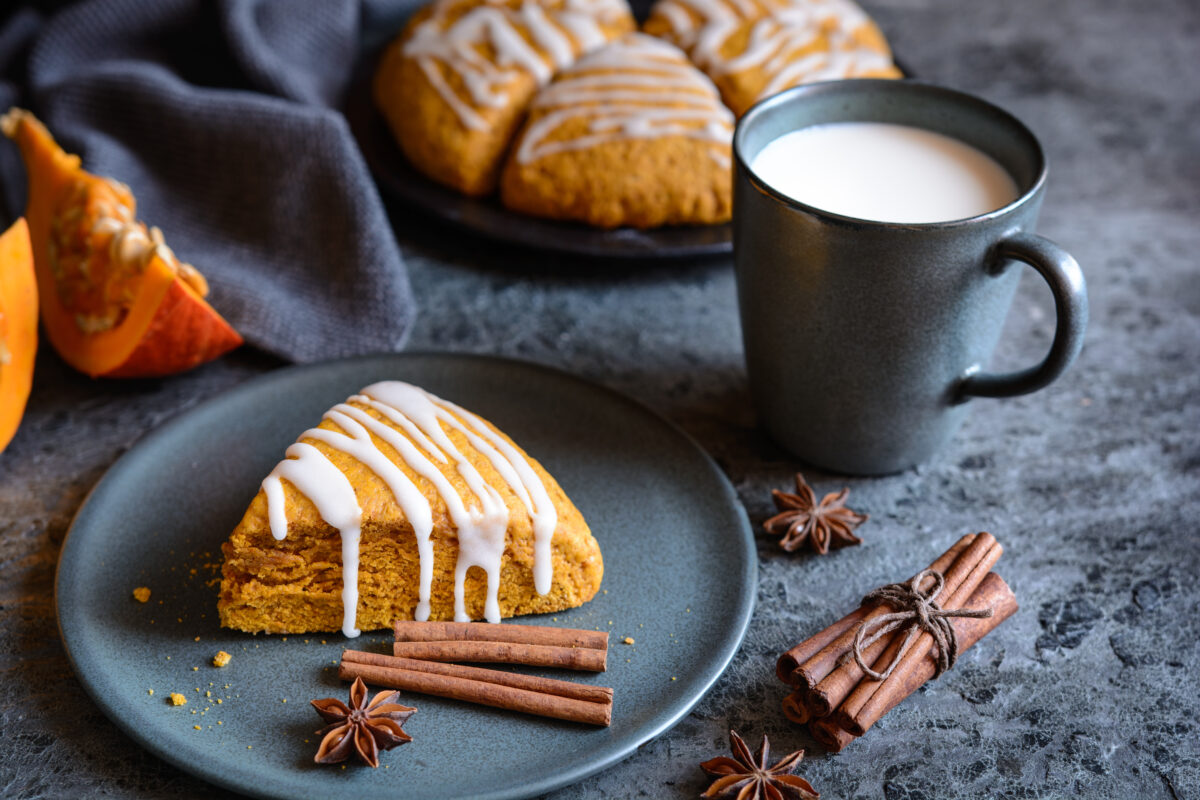
By the early 2010s, home bakers and independent bakeries began experimenting with solid pumpkin formats, moving away from liquid beverages toward baked goods that could showcase the actual vegetable rather than merely synthetic flavorings. The introduction of the maple-glazed pumpkin scone solidified in the mid-2010s as culinary magazines and food blogs refined the recipe to optimize texture—emphasizing the distinction between canned pumpkin puree and pre-sweetened pumpkin pie filling. By 2026, the recipe had been streamlined for domestic execution, incorporating flexible variations such as inclusion-heavy doughs featuring pecans, dried cranberries, or ancient grains to appeal to health-conscious consumers.
Supporting Data and Nutritional Metrics
The enduring popularity of pumpkin-based baked goods is further reinforced by shifting consumer preferences toward nutrient-dense ingredients. According to agricultural and market research data, domestic consumption of winter squash, specifically Cucurbita moschata and related varieties used for canned puree, peaks exponentially between October and December.
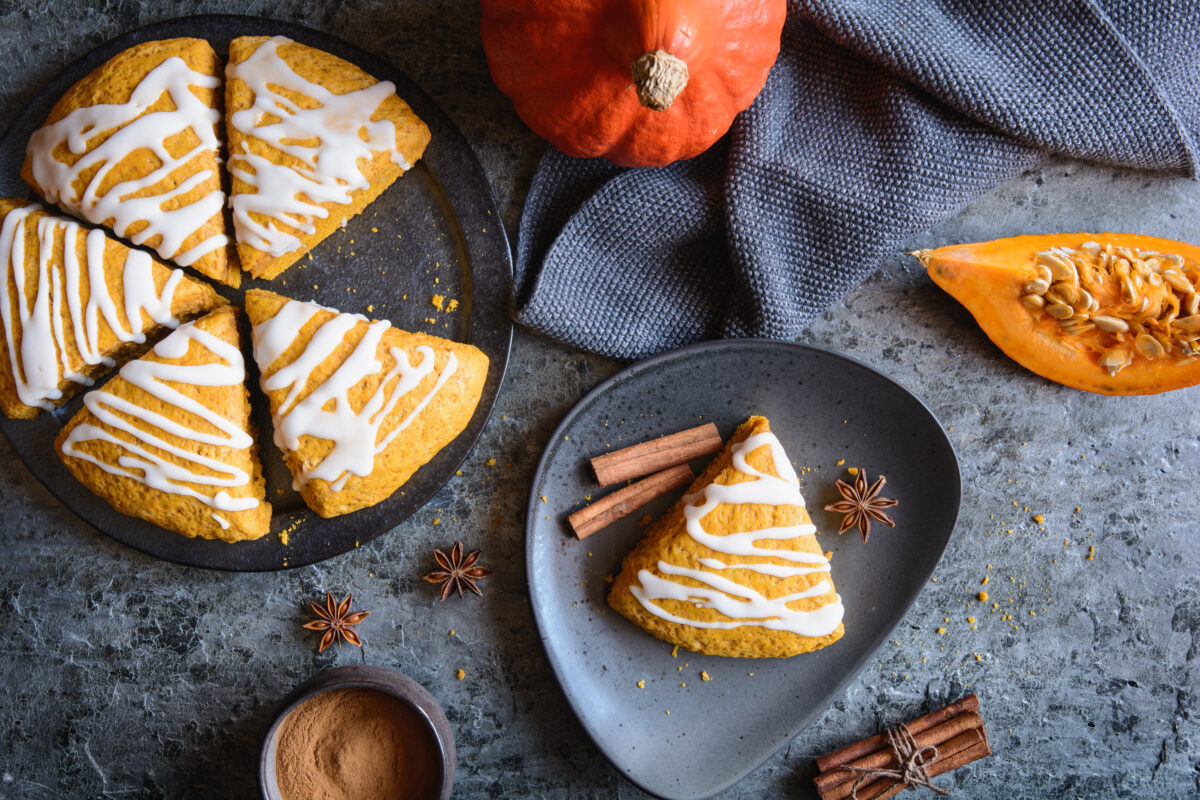
Nutritionally, pumpkin puree offers a distinct advantage over standard scone bases dominated solely by refined flour and heavy cream. A standard serving of pumpkin supplies a significant volume of beta-carotene, a precursor to vitamin A, alongside dietary fiber and potassium. While traditional scones are often criticized by dietitians for high saturated fat and sugar contents, modern iterations utilizing reduced-fat techniques, unrefined maple syrup glazes, and fiber-rich additions have found favor among families seeking balanced weekend baking projects. Culinary data indicates that over 65% of home bakers prioritize recipes that can be adapted for dietary modifications, such as freezer-friendly meal prep or allergen-free substitutions, cementing the scone’s status as a practical household staple rather than a purely indulgent occasional treat.
Expert Analysis and Stakeholder Perspectives
Culinary educators and pastry chefs attribute the resilience of the pumpkin scone trend to its sensory versatility and accessibility for novice cooks. Unlike complex laminated doughs like croissants or puff pastry, the scone method—often referred to as the biscuit method—requires minimal specialized equipment, relying instead on manual cutting techniques and cold-temperature management.
"The appeal lies in the tactile nature of the preparation," notes Dr. Elizabeth Vance, a culinary historian specializing in American comfort foods. "When families engage in baking projects like scones during the autumn transition, they are participating in a multi-sensory ritual. The aromatic profile of baking spices combined with the tactile manipulation of butter and flour creates a psychological anchor of comfort and security as daylight hours shorten."
Furthermore, nutritionists emphasize the psychological benefits of seasonal baking. Engaging in scratch-cooking activities during high-stress periods, such as the back-to-school transition and the onset of colder weather, has been linked in behavioral studies to reduced cortisol levels and enhanced family bonding. The inclusion of children in measuring, mixing, and shaping wedge-style dough reinforces culinary literacy from an early age.
Broader Economic and Cultural Implications
The economic footprint of the autumn baking sector extends far beyond individual home kitchens. Grocery supply chains experience measurable surges in the procurement of baking staples—specifically all-purpose flour, canned pumpkin, pure maple syrup, and ground spices—beginning in late September. Agricultural producers in key pumpkin-growing regions, including Illinois, California, and Pennsylvania, coordinate crop yields specifically to meet the concentrated demand of the fourth quarter.
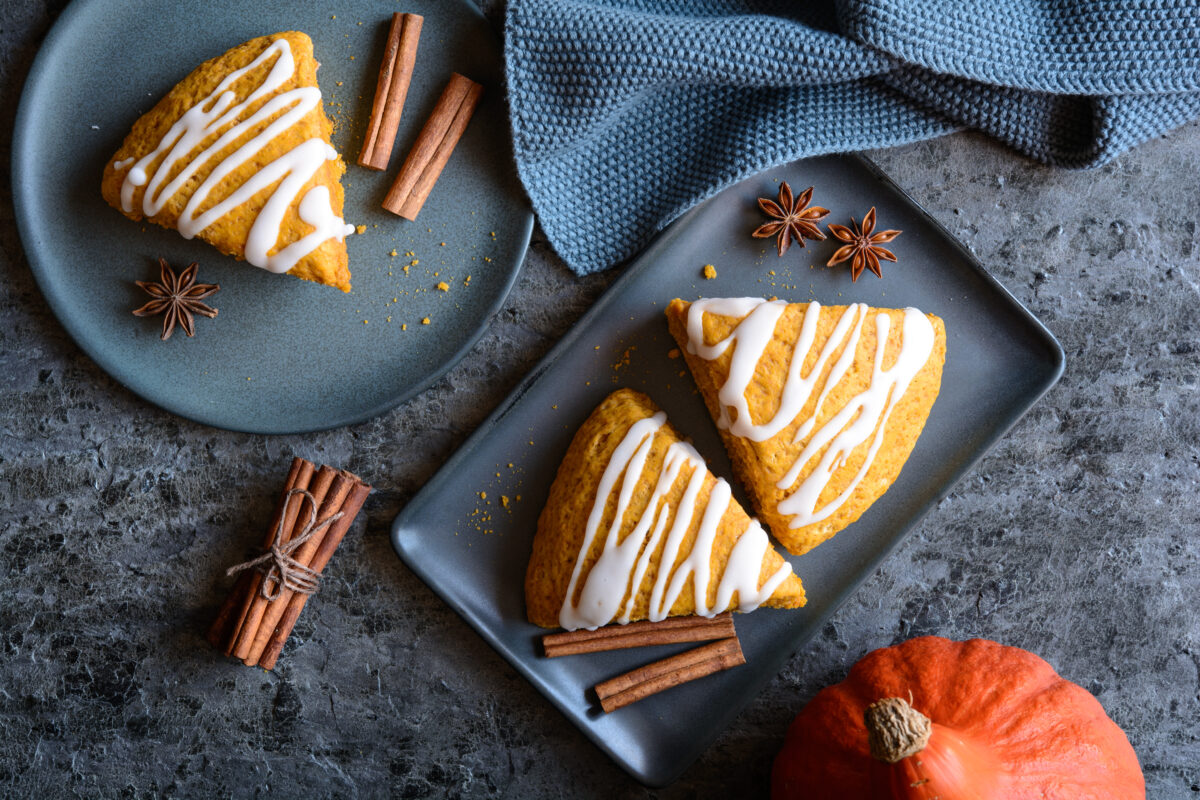
Moreover, the cultural shift toward "cozy living" or the Danish concept of hygge has elevated simple, rustic baked goods into lifestyle markers. Rather than seeking out hyper-processed, commercially manufactured snacks, modern consumers increasingly gravitate toward artisanal, homemade, or scratch-made items that offer transparency of ingredients. The maple-glazed pumpkin scone, with its modest ingredient list and emphasis on natural preservation methods like freezing and batch-cooking, sits at the intersection of traditional baking heritage and modern culinary pragmatism.
As autumn continues to influence consumer behavior and retail markets, the pumpkin scone with maple drizzle remains a testament to how traditional techniques can be successfully adapted to meet contemporary demands for flavor, nutrition, and domestic comfort. Whether served alongside morning coffee, packed into school lunchboxes, or prepared as a weekend family project, its enduring presence in the modern culinary canon is secure for seasons to come.