
The conventional understanding of breakfast in Western diets has long been dominated by carbohydrate-heavy options, such as sugary cereals, refined flour pastries, and processed meats. However, a growing movement in nutritional science is challenging these norms by advocating for the inclusion of pulses—a category encompassing beans, chickpeas, lentils, and dry peas—as a primary component of the morning meal. This shift toward fiber-rich, plant-based proteins is supported by an increasing body of research highlighting the metabolic benefits of starting the day with sustained energy rather than blood-glucose-spiking refined sugars.
The Nutritional Case for Pulses at Breakfast
From a clinical nutrition perspective, beans offer a unique combination of macronutrients that are rarely found in traditional breakfast staples. According to the United Nations Food and Agriculture Organization (FAO), pulses are not only affordable but also serve as a crucial source of essential minerals, including iron, potassium, and folate.

The primary benefit of integrating beans into the morning routine lies in their glycemic index. Because they are high in both soluble and insoluble fiber, beans slow the digestion process. This creates a more gradual release of glucose into the bloodstream, preventing the "crash" often associated with high-sugar breakfasts. Furthermore, the high protein content in legumes promotes satiety, signaling to the body that it is full, which can be an effective tool in weight management and appetite control throughout the day.
Historical Context and Evolution of the Trend
While the "breakfast bean" concept may seem novel to some Western consumers, it has deep roots in global culinary history. The "full English breakfast," featuring baked beans, has been a staple in the United Kingdom for over a century. Similarly, gallo pinto in Central America and ful medames in the Middle East demonstrate that beans have functioned as a foundational breakfast component for generations.
The current resurgence of this trend in North America can be traced back to the mid-2010s, when dietitians and culinary bloggers began experimenting with incorporating legumes into baked goods and savory morning hashes. Since the initial popularization of these concepts around 2015, the culinary landscape has evolved to include more convenient, "make-ahead" iterations that cater to the busy schedules of modern professionals and families.

10 Practical Methods for Implementation
For those looking to transition away from traditional breakfast fare, nutritional experts suggest ten distinct culinary pathways to incorporate beans:

- Savory Breakfast Hashes: Utilizing a sheet pan to roast beans alongside seasonal vegetables and proteins creates a versatile meal that can be prepared in bulk at the start of the week.
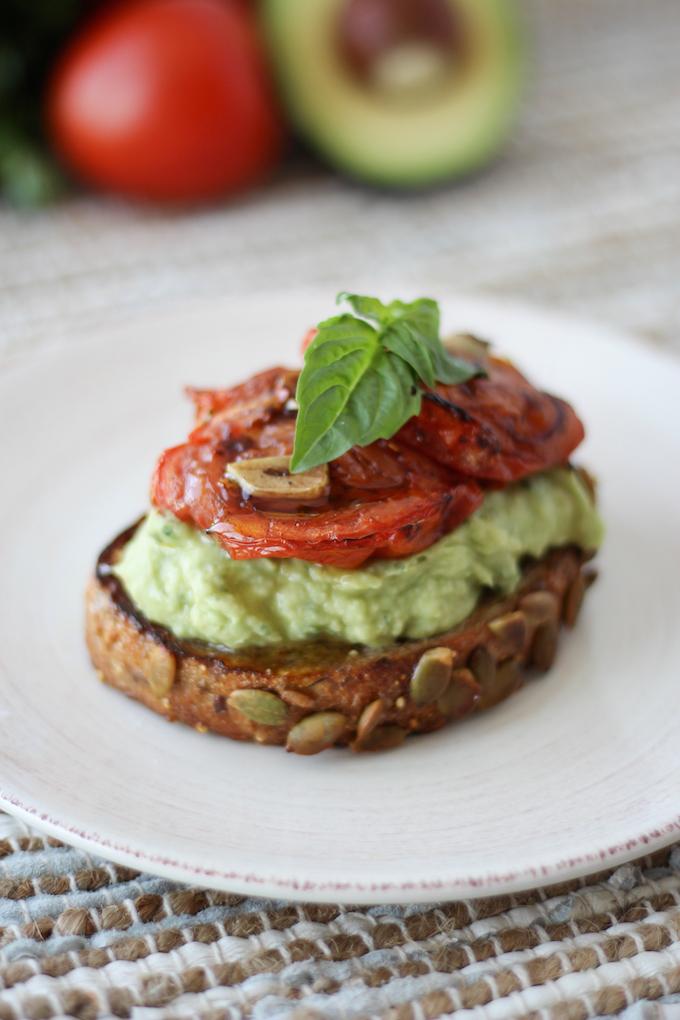
- High-Protein Avocado Toast: Replacing or supplementing traditional toppings with mashed white beans or chickpeas provides an additional 5–7 grams of protein per serving.
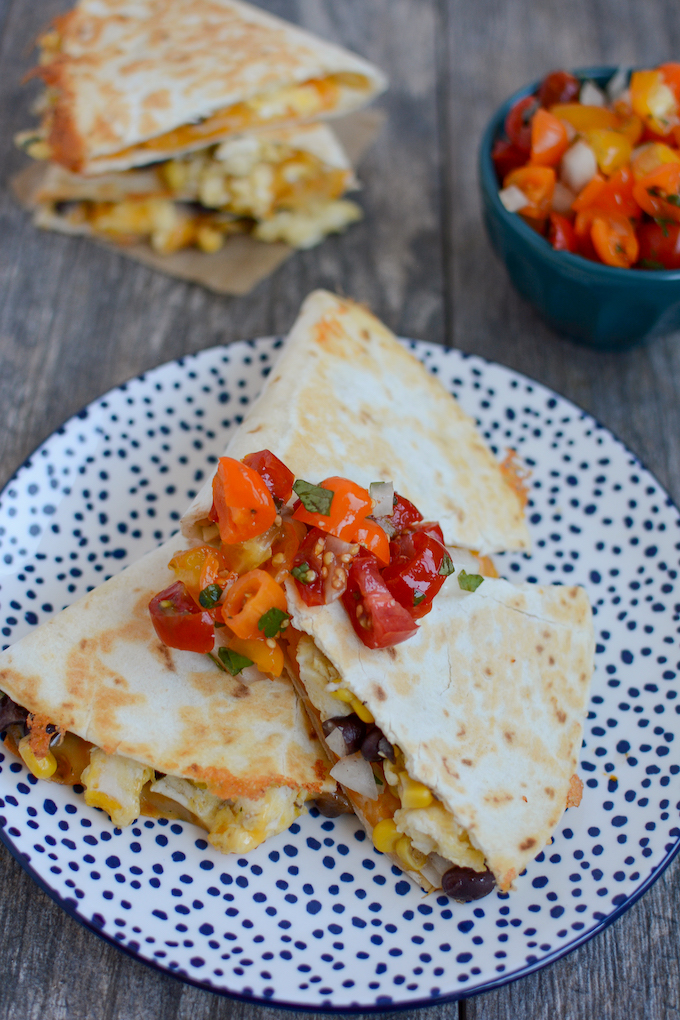
- Breakfast Quesadillas: Incorporating black beans into tortillas with eggs or egg substitutes allows for a portable, high-fiber meal that can be frozen and reheated in an air fryer.
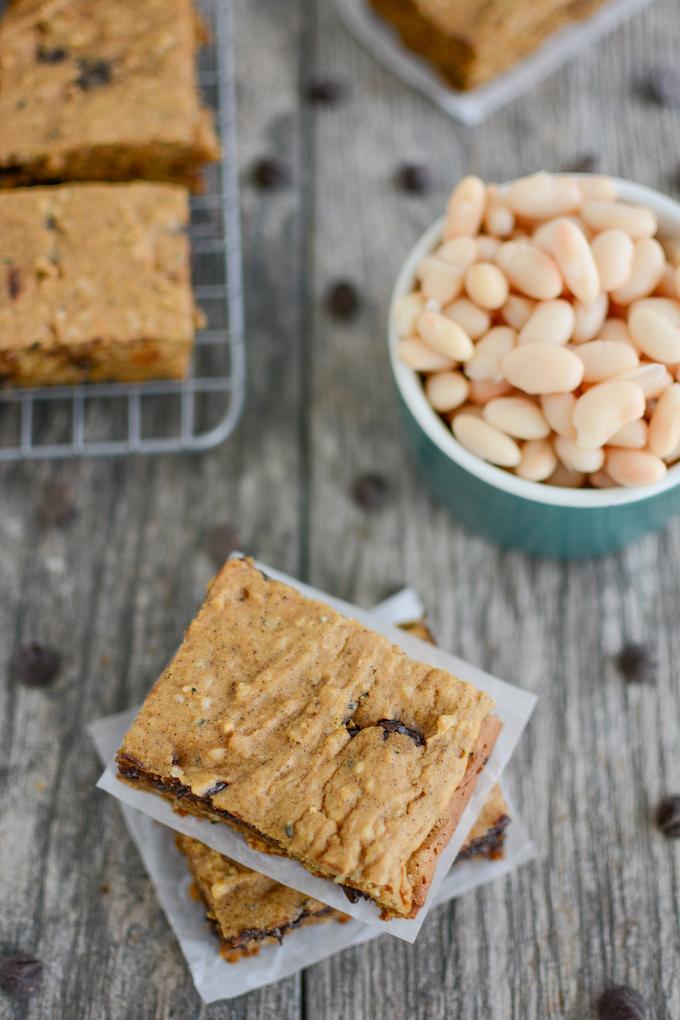
- Sweet Potato and White Bean Bars: Legumes can be pureed into baked goods, acting as a structural binder that increases fiber density without significantly altering the flavor profile of the snack.
- Huevos Rancheros Tostadas: A classic dish that utilizes pinto or black beans as a base, offering a balanced combination of healthy fats, complex carbohydrates, and protein.
- Smoky White Bean Shakshuka: A Mediterranean-inspired dish that replaces the traditional tomato-based foundation with a heartier bean-heavy base, ideal for colder climates.
- Vegan Breakfast Tacos: By using seasoned black or pinto beans as the primary filling, consumers can eliminate the need for processed meat substitutes.
- Breakfast Burrito Egg Casseroles: These dishes allow for the integration of beans into a family-style meal, making it easier to manage nutrition for multiple household members.
- Lentil-Based Muffins: Lentils, when pureed, provide a moist texture to baked goods, effectively "hiding" the legume for those who are sensitive to the texture of whole beans.
- Blondie Snickerdoodle Bars: A modern culinary innovation where beans are used to replace a portion of the flour, resulting in a protein-dense dessert that fits into a quick-breakfast profile.
Economic and Environmental Implications
Beyond individual health, the shift toward a bean-centric diet has broader environmental consequences. Legumes are nitrogen-fixing crops, meaning they require significantly less synthetic fertilizer than corn or wheat, which contributes to a lower carbon footprint for the food system. The FAO has consistently identified pulses as a key solution for sustainable food production.

From an economic standpoint, beans remain one of the most cost-effective protein sources available globally. As inflation continues to affect grocery prices, the transition to shelf-stable legumes offers a pragmatic financial buffer for households seeking to maintain high-quality nutrition on a budget.

Analysis of Consumer Adoption
Despite the clear health and environmental benefits, adoption in the United States remains localized. Market analysts suggest that the primary barrier is not taste, but habit and convenience. The culinary industry is responding by developing "grab-and-go" products that utilize beans, such as frozen breakfast wraps and high-protein bars.

Industry experts suggest that as plant-based trends continue to mature, the focus will likely shift from "meat alternatives" to "whole-food foundations." This shift emphasizes legumes not as a substitute for something else, but as a superior, nutrient-dense ingredient in its own right.

The Role of Professional Nutrition Guidance
Registered Dietitians (RDs) emphasize that the versatility of pulses is their greatest asset. Because most beans—white, black, kidney, or chickpeas—can be swapped interchangeably in the recipes listed above, the barrier to entry is minimal. For individuals with gastrointestinal sensitivities, dietitians recommend starting with smaller portions and increasing intake gradually to allow the digestive system to adapt to the higher fiber content.

Conclusion
The evidence suggests that the inclusion of beans at breakfast is not merely a passing dietary fad, but a scientifically sound approach to metabolic health. By replacing refined carbohydrates with legumes, consumers gain access to a sustained energy source that supports long-term wellness. As the food industry continues to innovate, it is likely that beans will transition from an "alternative" ingredient to a permanent staple in the modern breakfast repertoire. Whether consumed in a savory hash, a portable burrito, or a nutrient-dense baked bar, the integration of pulses represents a simple, cost-effective, and environmentally conscious strategy for a healthier start to the day.