Expanding Preschool Curriculums Through Diverse Literature: The Critical Role of Black History Month Books in Early Education

Early childhood educators across the nation are increasingly recognizing that the foundational years of preschool represent a vital window for shaping children’s worldviews, empathy, and social comprehension. While urban centers often expose young learners to a diverse array of cultures in daily life, children in rural or homogeneous communities frequently experience limited cultural visibility. To bridge this gap, educators and literacy specialists are turning to thoughtfully curated selections of children’s literature, specifically emphasizing Black History Month books for preschool-aged children. By integrating narratives that feature Black historical figures, civil rights milestones, and everyday joyful experiences, schools are building inclusive classroom libraries designed to foster belonging, mutual respect, and a broader understanding of the human experience.

The Developmental Importance of Early Representation

Research in child development and early childhood education consistently demonstrates that young children begin noticing racial differences and forming social attitudes between the ages of two and five. Experts emphasize that representation in literature serves a dual purpose: it acts as a mirror, reflecting a child’s own identity to validate their lived experience and build self-esteem, and as a window, offering insight into the lives and perspectives of others.

When young learners routinely encounter books featuring protagonists from diverse backgrounds, psychological barriers begin to dissolve. Educational psychologists note that inclusive libraries help prevent implicit bias before it takes root, replacing unfamiliarity with curiosity and empathy. According to early literacy advocates, children who grow up seeing diverse characters depicted as heroes, scientists, artists, and ordinary children navigating daily life develop a healthier sense of self-worth and a more accurate perception of a pluralistic society.

Historical Nonfiction: Introducing Complex Concepts Through Picture Books

Introducing historical figures and movements to preschoolers requires a careful balance of age-appropriate simplicity and historical accuracy. Rather than focusing on the granular, often traumatic details of systemic oppression, educators highlight foundational concepts such as courage, fairness, perseverance, community, and the power of using one’s voice. Nonfiction picture books tailored for early learners translate monumental historical moments into relatable lessons.

Prominent among these resources is Brittney Cooper’s "Stand Up!", which introduces young readers to ten influential women who fought for justice, ranging from historical civil rights icons like Ruby Bridges and Rosa Parks to modern changemakers like Bree Newsome. Similarly, Roda Ahmed’s "Mae Among the Stars" chronicles the early aspirations of Mae Jemison, the first African American woman in space, emphasizing familial support and the relentless pursuit of grand ambitions.

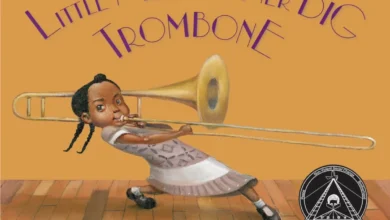
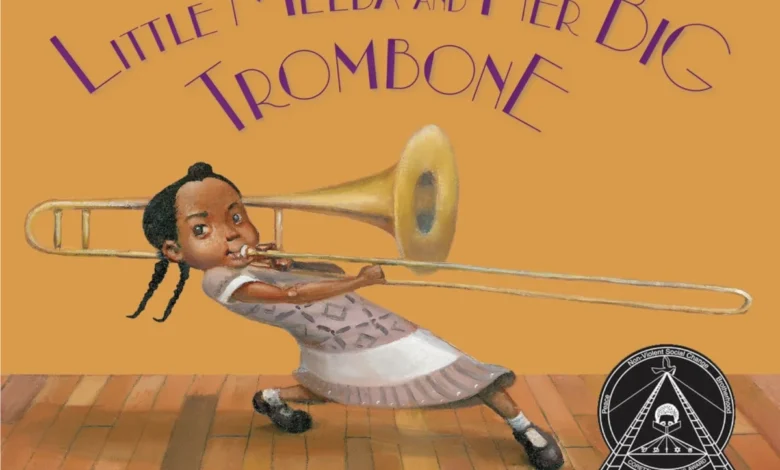
Other notable nonfiction works include Monica Clark-Robinson’s "Let the Children March," which recounts the brave participation of thousands of children in the 1963 Birmingham Children’s Crusade, and Katheryn Russell-Brown’s "Little Melba and Her Big Trombone," detailing the musical contributions of jazz pioneer Melba Liston. Additionally, Rita Lorraine Hubbard and Oge Mora’s "The Oldest Student" shares the remarkable true story of Mary Walker, who learned to read at the age of 116, illustrating that intellectual growth and resilience transcend age.

Celebrating Everyday Joy and Relatable Fiction

While historical narratives are essential, literacy experts stress that Black history and culture cannot be confined solely to struggles and triumphs against adversity. A comprehensive preschool library must also encompass fictional stories celebrating everyday joy, family bonds, and the ordinary milestones of childhood.

Books that highlight Black children playing in the snow, visiting libraries, or experiencing routine family dynamics reinforce the universal nature of childhood while validating diverse backgrounds. Vashti Harrison’s award-winning book "Big" explores themes of self-acceptance and emotional growth through striking illustrations and sparse text. In "When Langston Dances" by Kaija Langley, a young boy discovers a passion for ballet after attending an Alvin Ailey American Dance Theater performance, challenging rigid gender and cultural expectations.

Other key fiction titles include Angela Joy’s "Black is a Rainbow Color," which weaves poetry, pride, and heritage together; Matthew A. Cherry’s Academy Award-winning adaptation "Hair Love," celebrating family support and natural hair; and Matt de la Peña’s "Last Stop on Market Street" and "Milo Imagines the World," both of which encourage empathy, perspective-taking, and looking beyond initial assumptions. Titles such as Grace Byers’ "I Am Enough," Ruth Forman’s "Like So," Parker Curry’s "Parker Looks Up," and Lupita Nyong’o’s "Sulwe" further address topics ranging from self-worth and body positivity to navigating colorism within communities.

Broader Implications and Educator Resources

The incorporation of diverse literature into early childhood education aligns with broader national initiatives supported by organizations such as the National Association for the Education of Young Children (NAEYC). Educational analysts note that establishing an inclusive classroom environment yields long-term cognitive and social benefits, equipping students with the emotional intelligence required to navigate an increasingly interconnected world.

As schools continue to evaluate their curricula, educational leaders advocate for balanced classroom libraries that merge historical education with joyful, everyday representation. By utilizing structured reading programs, guided discussions, and parent partnerships, educators can ensure that Black history is integrated seamlessly throughout the academic year rather than isolated to a single month. Ultimately, these literary tools lay the groundwork for classrooms defined by curiosity, equity, and a profound sense of shared community.