The introduction of seafood into an infant’s diet is a milestone often met with hesitation by parents and caregivers. While concerns regarding mercury content, potential allergic reactions, and the physical safety of bones often lead to avoidance, nutritional science increasingly emphasizes the critical role fish plays in early childhood development. By navigating evidence-based guidelines and understanding the nutritional profile of various species, parents can safely incorporate seafood as a cornerstone of a healthy, diversified infant diet.

The Nutritional Necessity of Seafood in Infancy
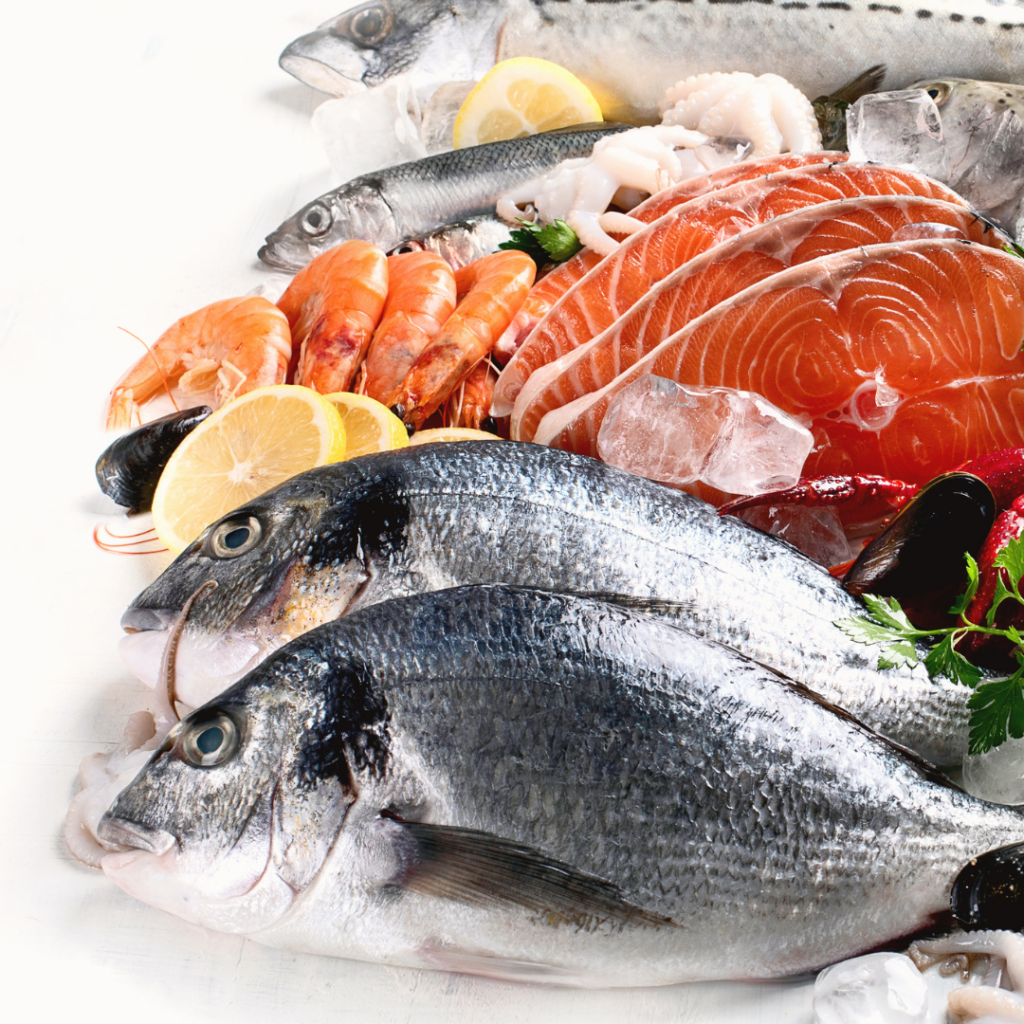
Seafood is recognized by pediatric nutritionists as a nutrient-dense powerhouse, essential for the rapid growth and neurological development occurring during the first year of life. Key components include high-quality protein, iron, Vitamin D, and Docosahexaenoic acid (DHA)—a vital omega-3 fatty acid. DHA is particularly significant, as it is a primary structural component of the brain and retina.

Beyond these well-known nutrients, fish provides iodine and selenium. Iodine is essential for thyroid function and metabolic regulation, while selenium acts as a potent antioxidant, assisting in cellular repair and immune system support. Research suggests that the early introduction of these nutrients not only supports immediate developmental needs but may also establish long-term health benefits, including a potential reduction in the incidence of food allergies.
Addressing the Allergy Landscape
The historical medical consensus once suggested delaying the introduction of highly allergenic foods to infants. However, contemporary clinical research, including data from the Journal of Allergy and Clinical Immunology, has shifted this perspective. Current guidelines from major pediatric health organizations now support the early introduction of common allergens—including fish—as a strategy to induce oral tolerance and reduce the risk of developing clinical food allergies.

When introducing fish, the recommended protocol is a structured, observant approach. Parents are advised to introduce the new food early in the day, allowing time to monitor for reactions throughout the following hours. A three-day wait period between introducing new, distinct allergens is standard practice to isolate potential triggers. Symptoms of a reaction may include hives, facial swelling, coughing, or vomiting. While most reactions are manageable, severe responses such as respiratory distress or anaphylaxis require immediate medical intervention. Additionally, parents should be aware of Food Protein-Induced Enterocolitis Syndrome (FPIES), a non-IgE-mediated reaction characterized by delayed, repetitive vomiting occurring several hours after ingestion.

Navigating Mercury and Contaminant Concerns
The primary apprehension regarding fish consumption in infants stems from methylmercury exposure. Methylmercury is a heavy metal that bioaccumulates in aquatic food chains; larger, predatory fish that occupy higher trophic levels—such as swordfish, shark, and bigeye tuna—naturally contain higher concentrations. Because an infant’s developing nervous system is uniquely susceptible to neurotoxins, the selection of fish species is paramount.
While the American Academy of Pediatrics (AAP) and the FDA offer broad guidelines for toddlers, specific data for infants under 24 months requires a more nuanced interpretation. The Joint FAO/WHO Expert Committee on Food Additives established a tolerable weekly intake of 1.6 micrograms of methylmercury per kilogram of body weight. For an infant weighing approximately 19 pounds, this threshold can be reached rapidly if high-mercury species are consumed. Consequently, health professionals emphasize the prioritization of "ultra-low" mercury species, such as salmon, sardines, and pollock, which provide the maximum nutritional benefit with minimal risk.

The Wild-Caught vs. Farmed Debate
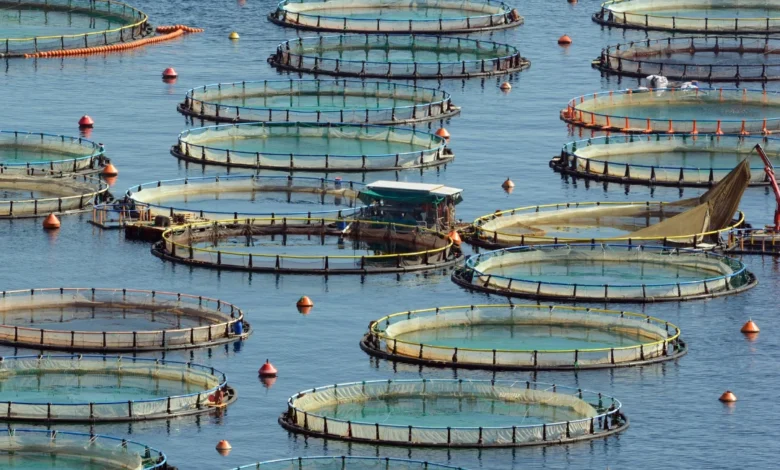
The distinction between wild-caught and farmed fish often dominates consumer discourse, yet the reality is that both categories present unique sets of trade-offs. Wild-caught fish, having lived in natural habitats, typically feature a more varied diet, which can result in lower saturated fat levels. However, they are also subject to the environmental pollutants present in their specific waterways.

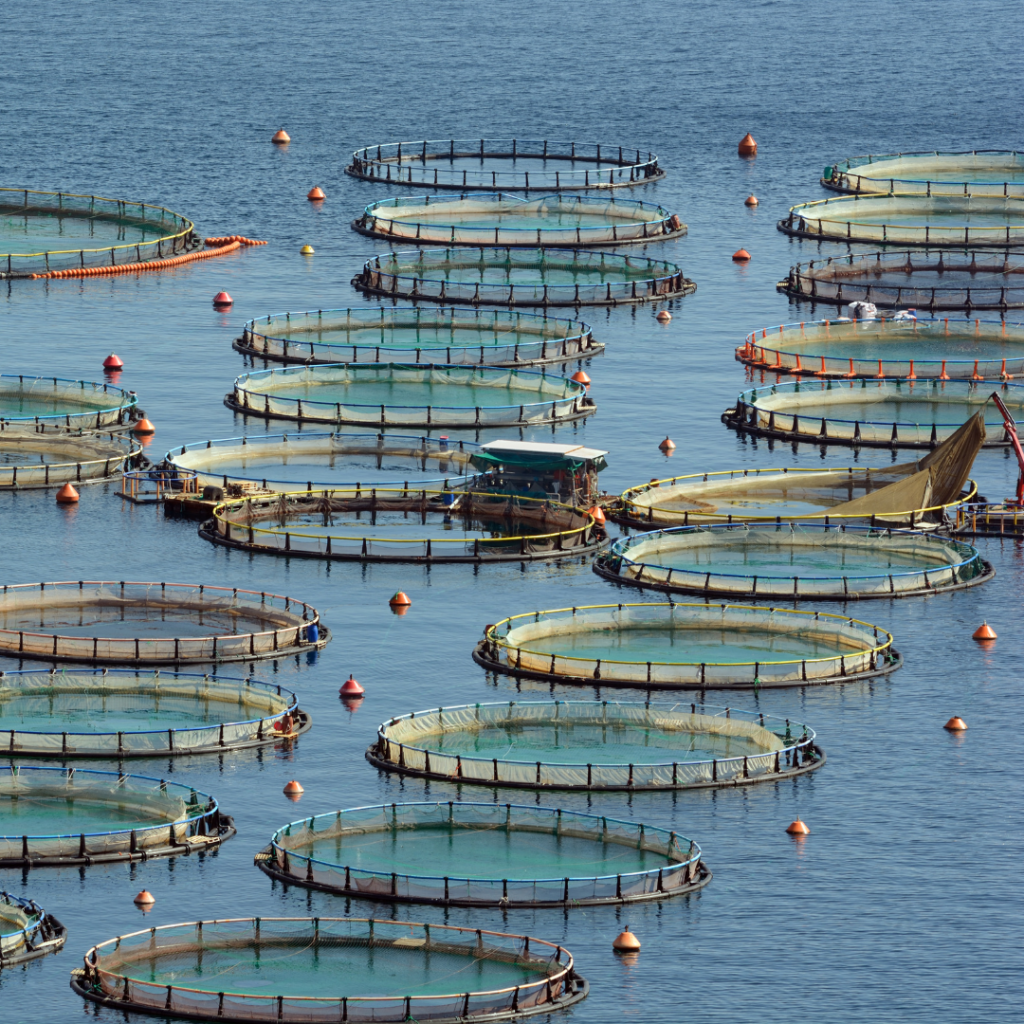
Farmed fish, raised in controlled environments, offer high consistency and availability. Critics point to the use of antibiotics and the potential for disease transmission in high-density pens, while proponents highlight that many modern aquaculture operations use fortified feeds that significantly boost DHA content. Sustainability remains a significant factor in this debate. Organizations such as SeaChoice provide resource-based assessments that help consumers navigate the environmental impact of various fisheries, categorizing them by ecological footprint, waste management, and habitat protection.
Practical Guidelines for Safe Preparation
Safety in the kitchen is as vital as selecting the correct species. The preparation of seafood for infants must prioritize both texture and the total elimination of physical hazards. The "Squish Test"—a method of ensuring the protein is soft enough to be mashed between the thumb and forefinger—is a reliable indicator of safe texture.
Furthermore, the "Flake and Feel" method is an essential habit for all caregivers. Regardless of whether a fillet is labeled "boneless," the process of manual flaking and tactile inspection is the only way to ensure that small, hazardous pin bones are not inadvertently served. Cooking methods such as poaching and steaming are preferred, as they maintain moisture and tenderness. All seafood should be cooked to an internal temperature of 145°F (62.8°C) to mitigate the risk of foodborne illnesses, which pose a greater threat to infants than to adults.

Establishing an Intake Framework
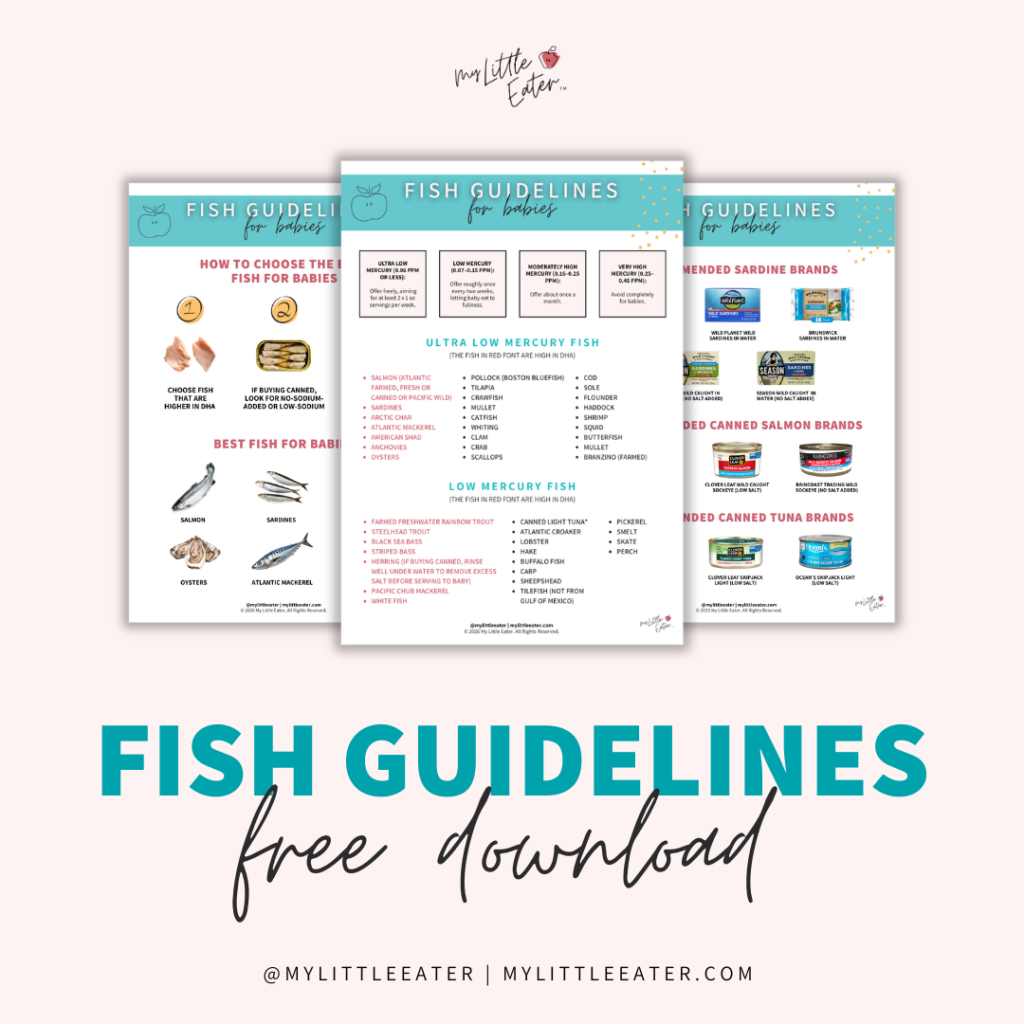
To move away from the stress of precise, gram-based measurements, many pediatric dietitians propose a "mercury tier" approach. This system classifies fish by their mercury risk profile, allowing for freer consumption of low-mercury options while placing strict frequency limits on higher-risk species.

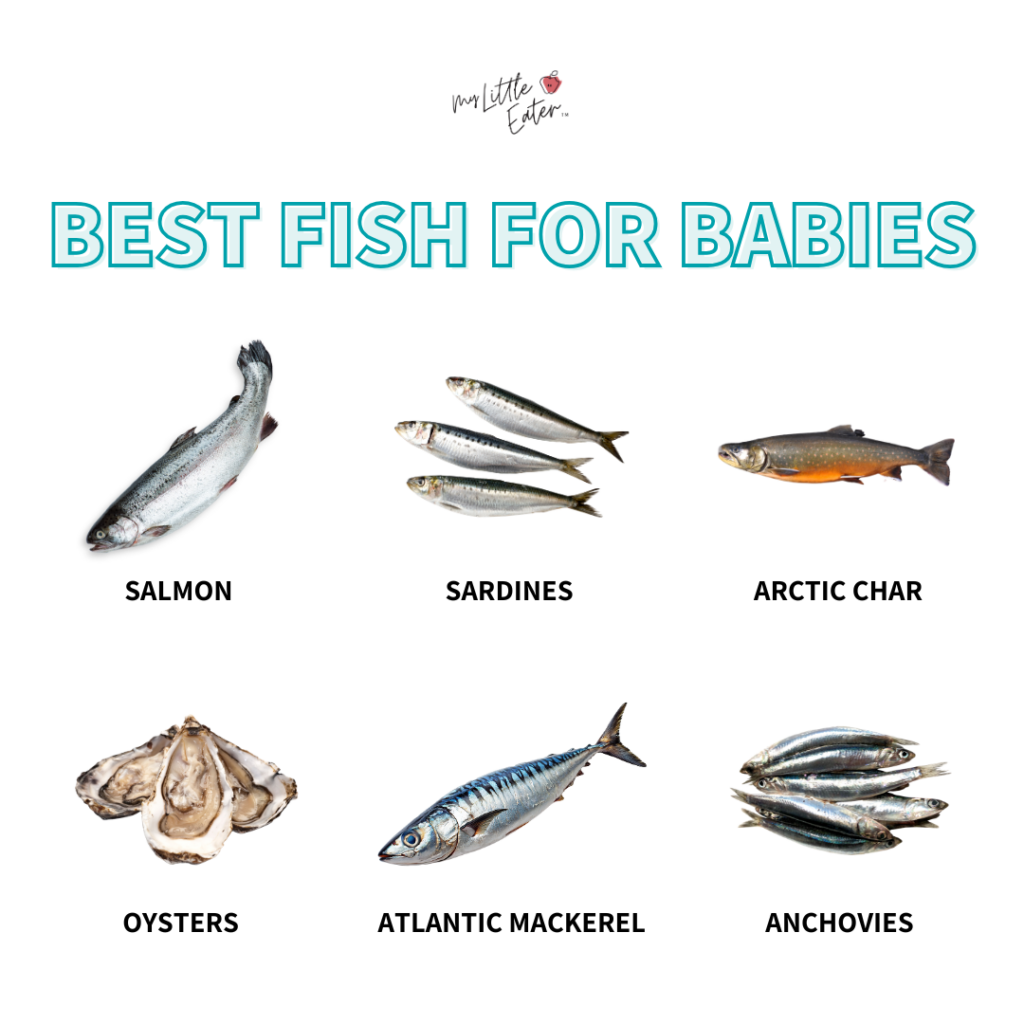
- High-Frequency Tier: Includes salmon, sardines, Arctic char, and oysters. These are DHA-rich and can be served multiple times per week.
- Moderate-Frequency Tier: Includes species such as rainbow trout or canned light tuna. These are recommended for consumption no more than once every two weeks.
- Low-Frequency Tier: Includes species like halibut or snapper, which should be restricted to once per month.
- Avoidance Tier: Includes predatory, high-mercury fish like shark, swordfish, and king mackerel, which should be avoided entirely during infancy.
The Role of Canned Seafood
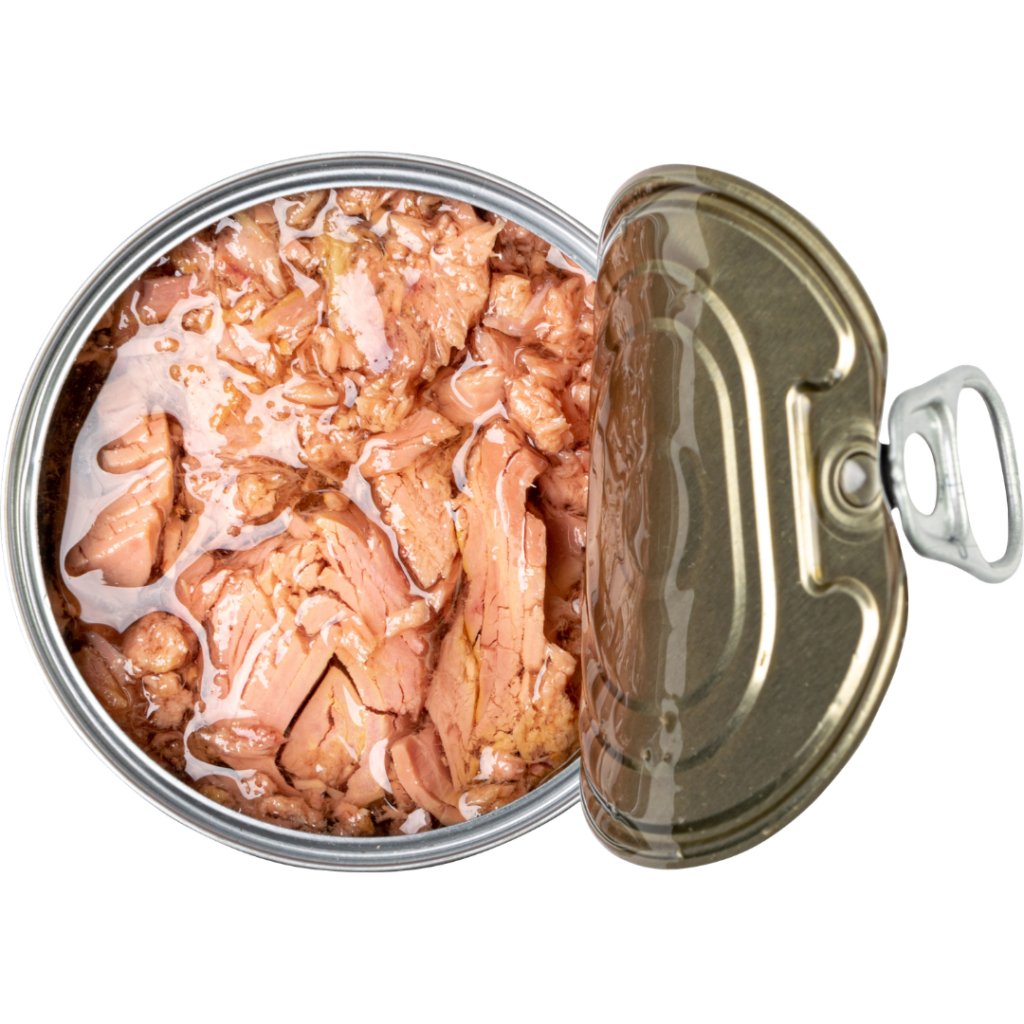
Canned fish—specifically canned light tuna, salmon, and sardines—represents an accessible and shelf-stable source of nutrition. When purchasing these items, it is advisable to choose products packed in water and labeled as low-sodium or no-salt-added. Rinsing the contents before service can further reduce sodium content. It is important to note that canned albacore (white) tuna is not equivalent to canned light tuna and carries a higher mercury profile, necessitating stricter limitations. Premium brands that perform rigorous, batch-by-batch mercury testing provide an additional layer of assurance for health-conscious parents.
Broader Implications for Child Development
The transition to solid foods is a critical period for establishing lifelong eating habits. By including seafood in a child’s diet early, parents are not only providing essential brain-building nutrients but also exposing the infant to a diverse range of flavors and textures. This early exposure is a key component in the prevention of selective eating or "picky eating" later in childhood.
While the complexities of mercury levels and allergy protocols can feel overwhelming, the consensus remains that the benefits of seafood consumption—namely the intake of omega-3s, protein, and essential minerals—far outweigh the manageable risks. By adhering to established safety protocols, choosing appropriate species, and focusing on safe preparation methods, parents can confidently make fish a recurring and beneficial feature of their child’s diet. As with all dietary changes during infancy, consultation with a pediatrician or a registered pediatric dietitian remains the recommended course of action for families with specific medical concerns or a history of severe allergies.