Pumpkin Ravioli with Brown Butter Sauce Offers a Restaurant-Quality Weeknight Meal in Twenty Minutes

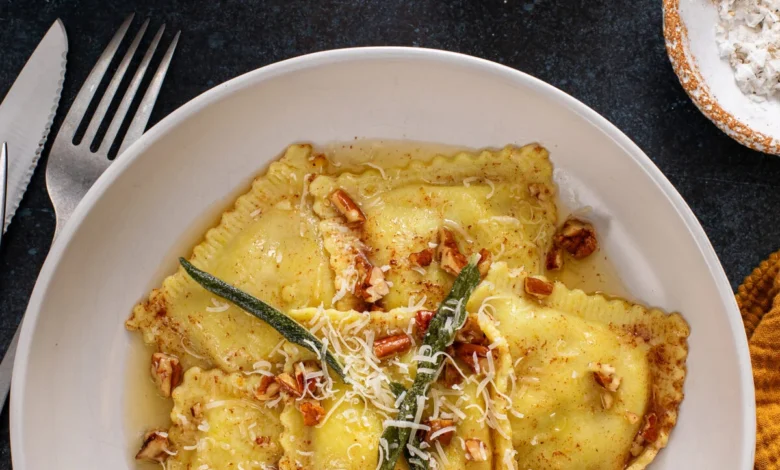
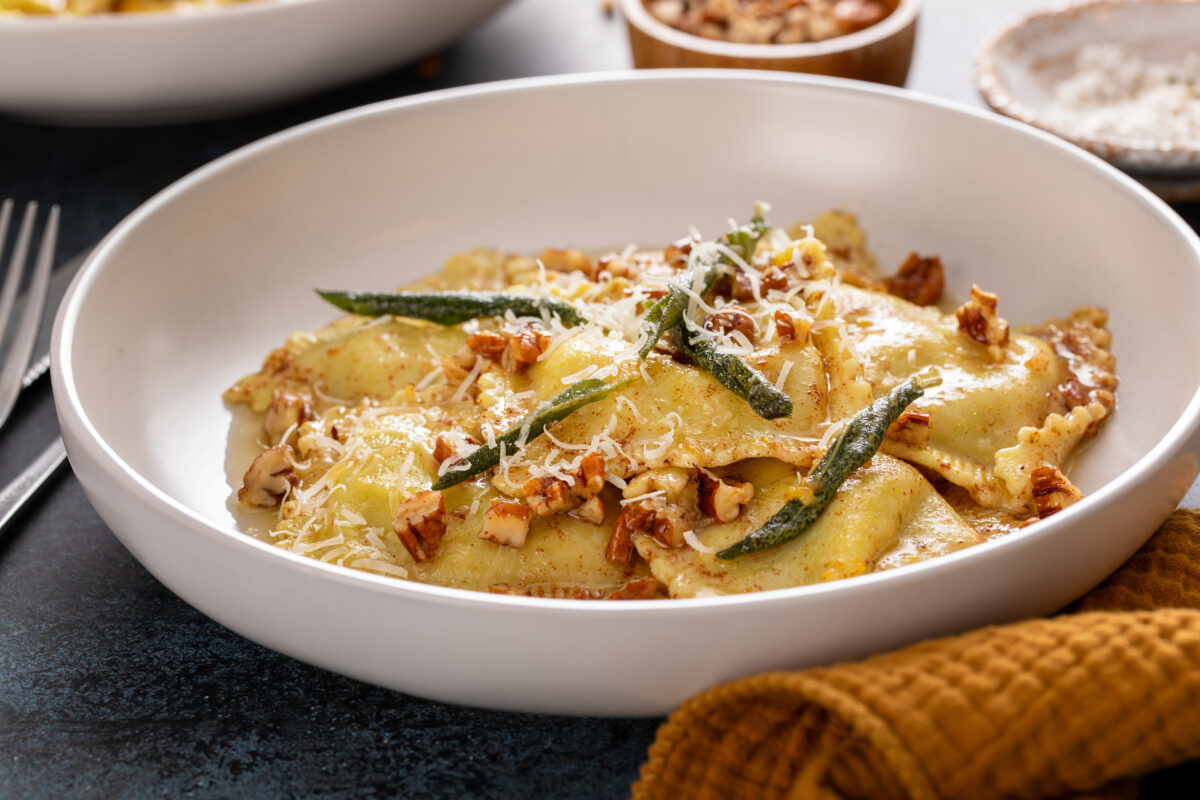
The culinary landscape of autumn home cooking has increasingly shifted toward dishes that manage to bridge the gap between elevated dining and weekday pragmatism. Among the seasonal offerings gaining significant traction in domestic kitchens is pumpkin ravioli served with a rich brown butter, sage, and pecan sauce. Marketed heavily as a shortcut-friendly dinner option utilizing refrigerated pasta products, this dish has become a case study in how modern food preparation leverages pre-made artisanal components to drastically reduce labor times without sacrificing flavor profiles. Culinary experts note that the entire preparation cycle—from boiling water to plating—can be executed in approximately twenty minutes, making it a viable option for households navigating high-demand schedules.
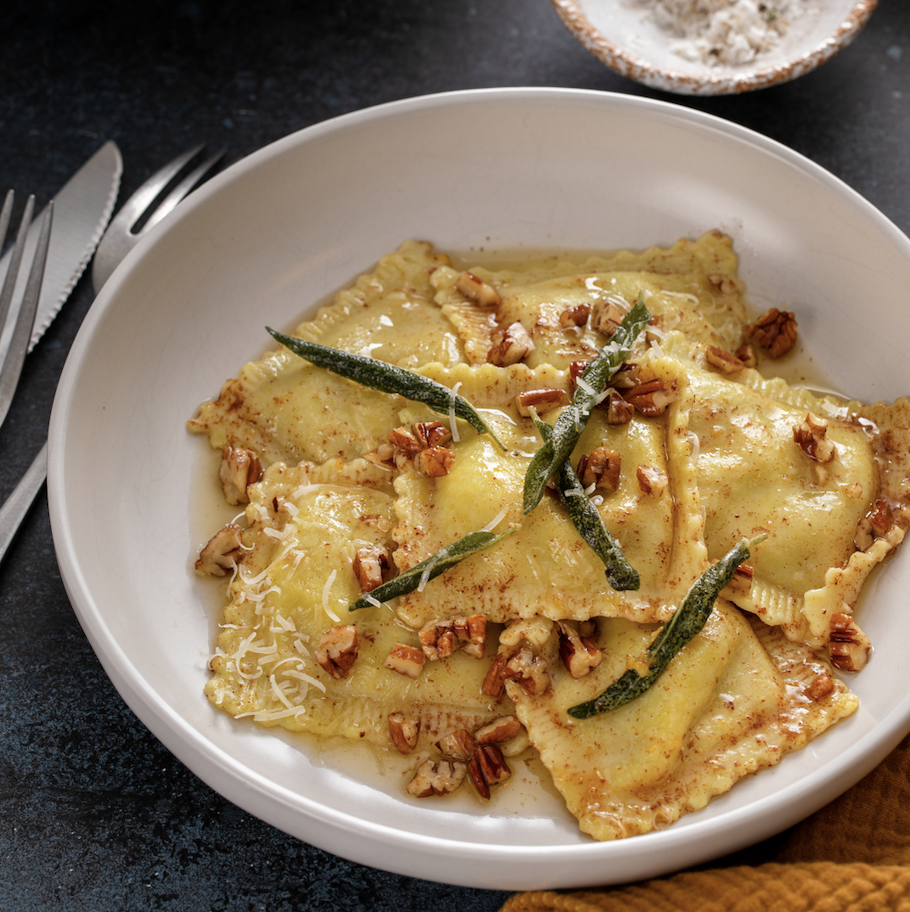
The Culinary Mechanics of Brown Butter and Seasonal Pairings
At the center of this dish’s widespread appeal is the scientific transformation of butter through controlled heat, a technique historically known in French cuisine as beurre noisette. When butter is subjected to moderate heat, its water content evaporates, separating the butterfat from the milk solids. As these solids toast, they undergo the Maillard reaction, developing a complex, caramelized, and distinctly nutty aroma profile.
Food scientists emphasize that the success of brown butter lies in precise timing. Because the window between properly toasted and burnt is exceptionally narrow—often measured in seconds—cooks must exercise vigilance. The inclusion of fresh sage leaves in the cooling fat serves a dual purpose: it infuses the lipid base with earthy notes while crisping the foliage to provide a textural contrast against the soft pasta. When combined with toasted pecans, which offer additional crunch and natural sweetness, and freshly grated Parmesan cheese, the dish achieves a calculated balance of sweet, savory, salty, and nutty characteristics that traditionally require hours of reduction and simmering in classical cooking.
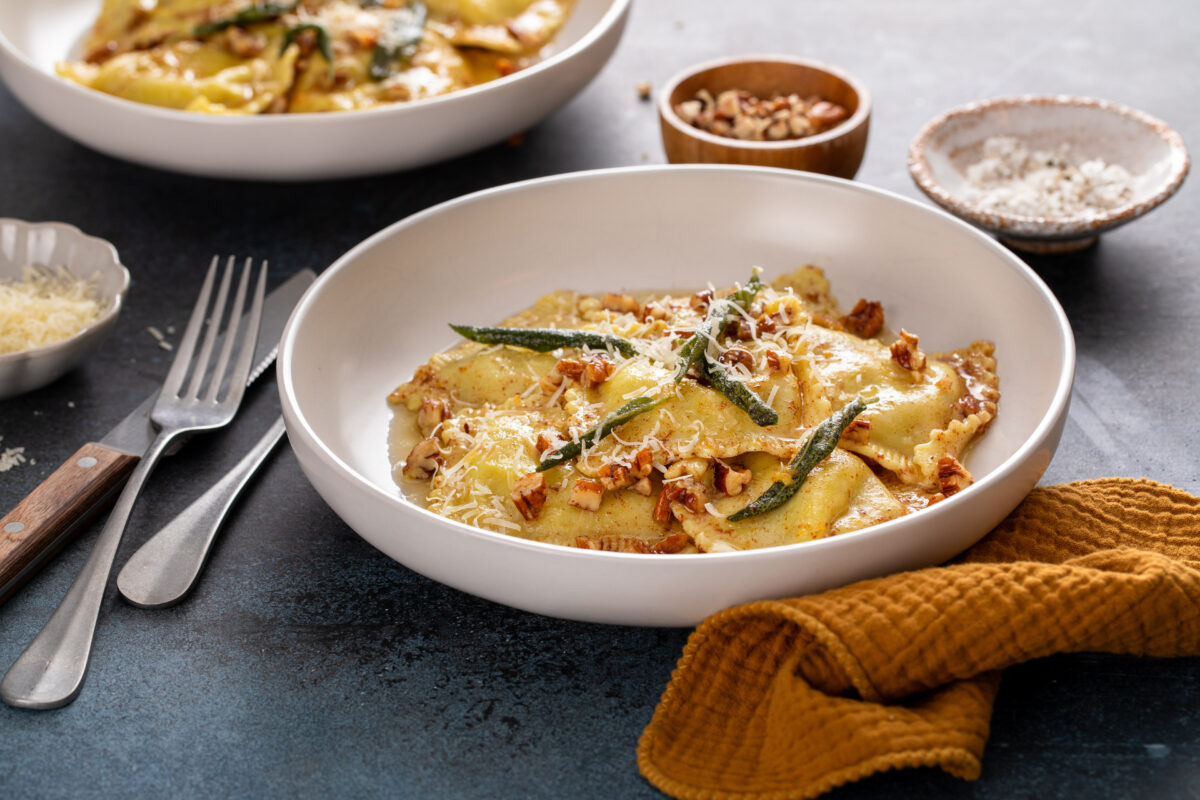
Chronology and Preparation Workflow of the Twenty-Minute Meal
The efficiency of the pumpkin ravioli recipe relies on a synchronized timeline that minimizes idle time in the kitchen.
- Minute 0–5 (Water and Pasta Initialization): The process begins by bringing a large pot of salted water to a gentle boil. Concurrently, a skillet is placed over medium heat to begin toasting the chopped pecans, which requires only a brief exposure to dry heat to release their aromatic oils.
- Minute 5–10 (Pasta Immersion): Refrigerated pumpkin ravioli is introduced to the gently boiling water. Culinary professionals advise against a vigorous, rolling boil, as filled pasta is structurally delicate and prone to rupture, which would cause the sweet pumpkin filling to leak into the cooking water.
- Minute 10–15 (The Brown Butter Execution): In a separate skillet, butter is melted and swirled until the foam subsides and the signature golden-brown specks materialize at the bottom of the pan. Fresh sage leaves are added to crisp, followed immediately by the cooked ravioli, which is transferred directly from the water using a slotted spoon or spider strainer.
- Minute 15–20 (Emulsification and Plating): A crucial step in the workflow involves the addition of starchy pasta water. The starches assist in emulsifying the brown butter, turning what would otherwise be an oily pool into a cohesive sauce that clings to the exterior of the ravioli. The dish is finished with the toasted pecans and grated Parmesan before immediate service.
Nutritional and Dietary Implications of Autumn Pasta Dishes
From a nutritional perspective, pumpkin-filled pasta introduces several dietary benefits typical of squash-based ingredients, including moderate amounts of vitamin A, beta-carotene, and dietary fiber. However, the incorporation of brown butter, cheese, and nuts elevates the caloric and lipid density of the meal. Dietitians suggest that while the dish is high in saturated fats due to the butter and cheese, it functions well within a balanced diet when paired with low-calorie, high-fiber side dishes.
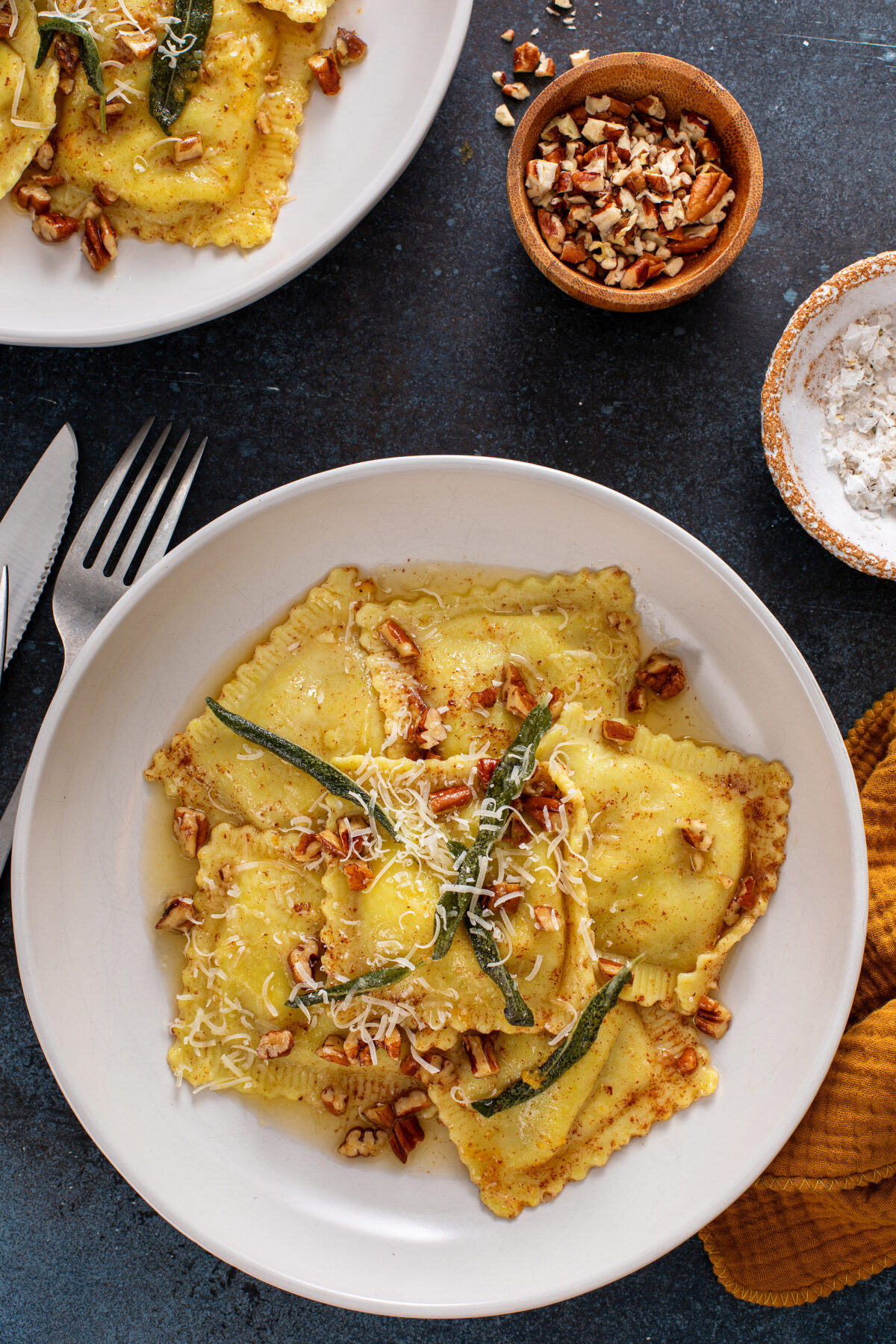
To offset the richness of the sauce, culinary analysts recommend pairing the pasta with lightly dressed green salads, steamed asparagus, roasted Brussels sprouts, or a simple vegetable medley. These accompaniments not only balance the palate by cutting through the fat of the brown butter but also introduce a broader spectrum of micronutrients and textures to the dining table. Furthermore, for households with dietary restrictions or picky eaters, the dish offers modularity: proteins such as grilled chicken, turkey sausage, or crispy chickpeas can be easily integrated, while toppings like pecans and sage can be served on the side for customizability.
Broader Economic and Market Trends in Convenience Fine Dining
The popularity of pumpkin ravioli with brown butter sauce reflects broader consumer trends prioritizing "gourmet convenience." As grocery store refrigerated aisles expand to include high-end, filled pasta varieties—ranging from pumpkin and butternut squash to portobello and truffle—consumers are increasingly willing to pay a premium for prepared components that allow them to replicate restaurant-quality dining experiences at home with minimal prep work.
Industry observers note that this segment of the specialty food market has experienced steady growth, driven by home cooks seeking comfort foods that offer sensory complexity without the traditional time investments associated with scratch-made pasta. By demystifying techniques like butter browning and utilizing accessible supermarket shortcuts, modern weeknight recipes continue to redefine the boundaries of home economics and contemporary domestic gastronomy.