Stopping Food Throwing: A Comprehensive Pediatric Guide for Navigating Mealtime Developmental Stages


The transition from milk-based nutrition to solid foods is a significant developmental milestone for infants and toddlers. As children begin to explore the sensory properties of food—its texture, temperature, and physical consistency—parents often encounter a challenging behavior: the intentional throwing of food. While this phenomenon is frequently perceived by caregivers as a sign of defiance or a disruption of domestic order, pediatric dietitians and child development experts categorize it as a normative, albeit taxing, phase of cognitive and motor skill acquisition. Understanding the underlying drivers of this behavior is essential for parents to implement effective, long-term strategies that foster positive eating habits.
The Developmental Roots of Mealtime Throwing
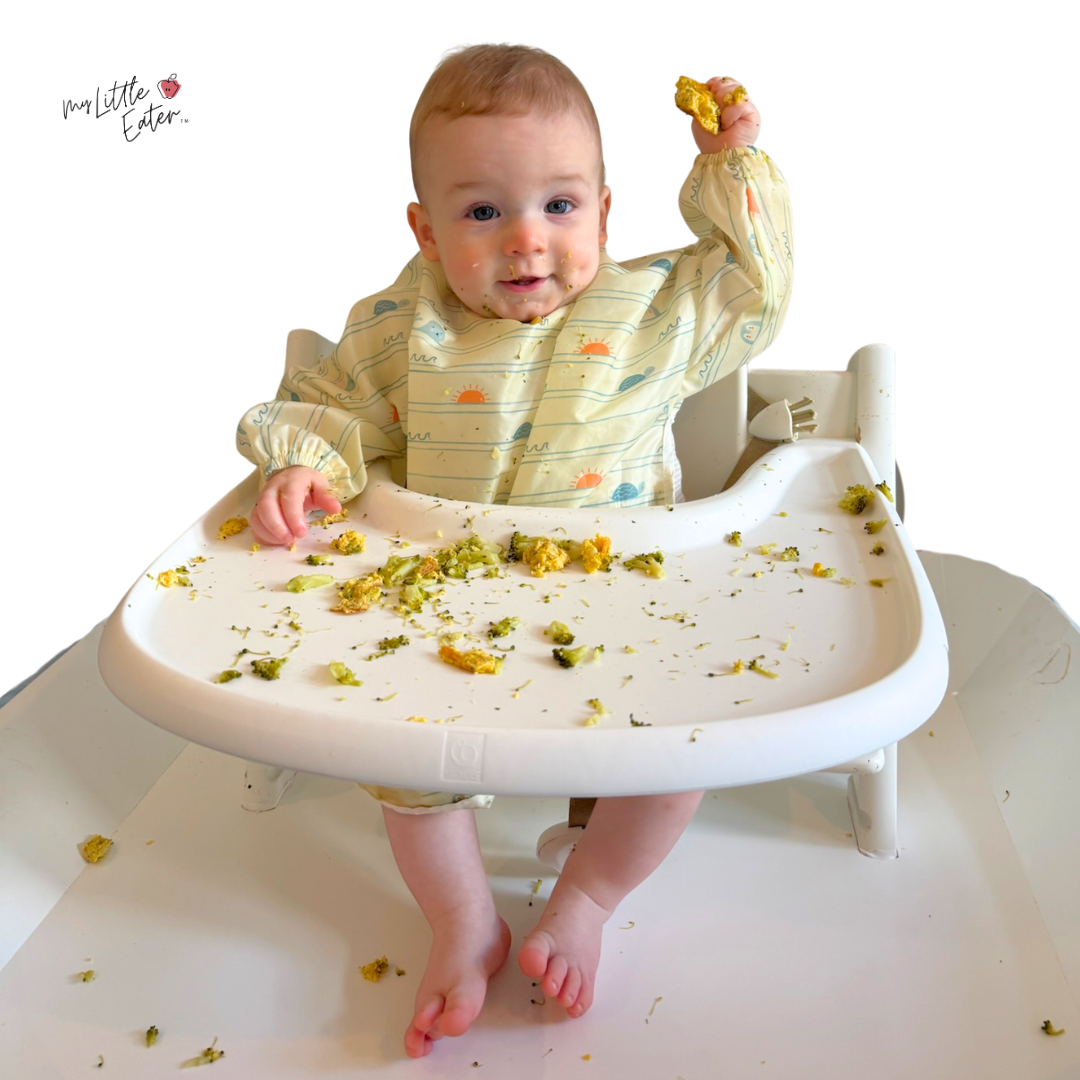
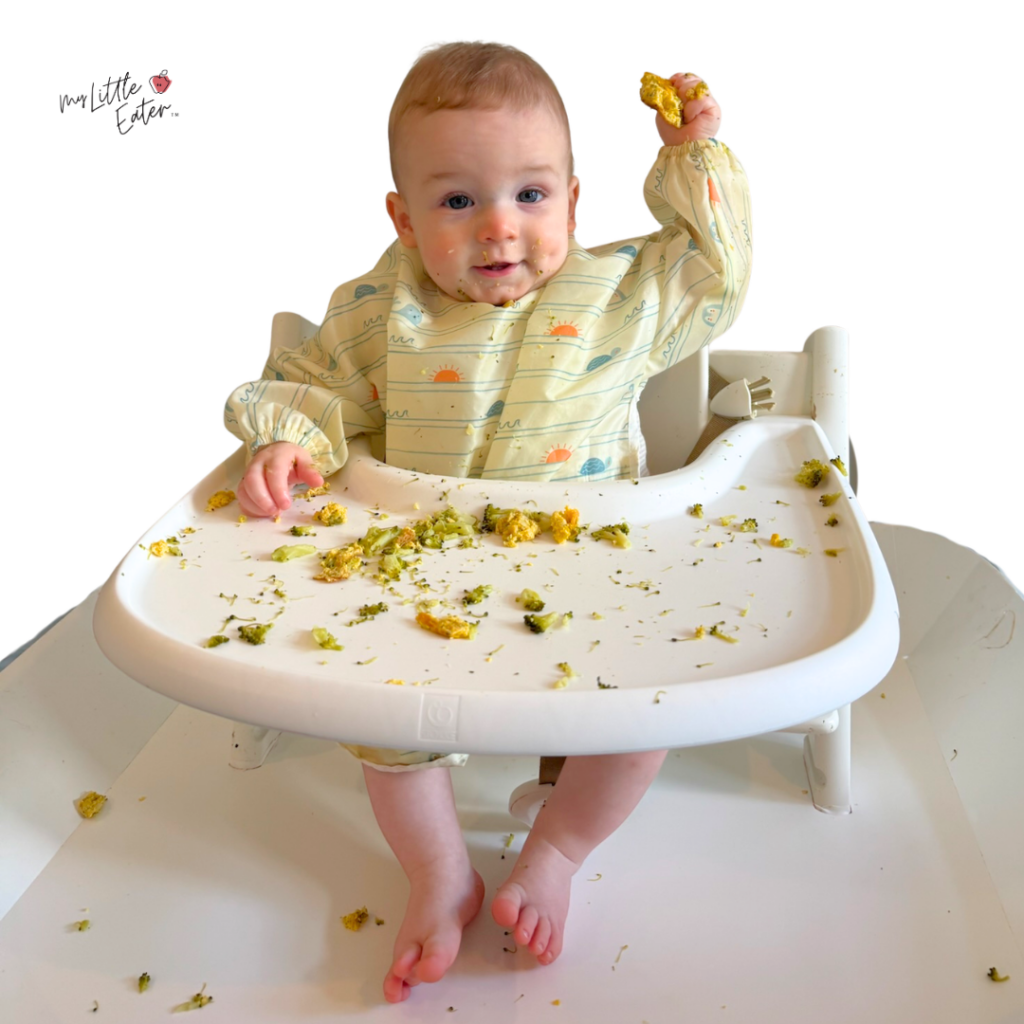
Food throwing is rarely an isolated act of rebellion; rather, it is a byproduct of a child’s rapidly developing neurological and physical capabilities. From a developmental perspective, children between the ages of 12 and 24 months are in a critical period of "cause and effect" learning. When a toddler drops a piece of pasta or a slice of vegetable, they are conducting an informal physics experiment. They are observing gravity, sound, and the visual impact of an object transitioning from their grasp to the floor.
Furthermore, sensory exploration plays a primary role. A child’s sensory system is highly sensitive during early childhood. If a food item presents a texture that is unexpected—such as the cold, wet feel of a piece of fruit or the slime-like quality of a sauce—the child’s immediate, primitive response may be to discard the offending object. This is a sensory-protective mechanism, not a social or behavioral transgression.

Communication limitations also contribute to the frequency of these incidents. Until a child develops the vocabulary to express satiety, boredom, or food preferences, they must rely on physical actions. Throwing a plate or a handful of food is a highly effective, albeit messy, method of signaling that a meal has concluded or that the child is experiencing distress.
Statistical Context and Behavioral Implications
While no formal national registry tracks "food throwing" incidents, clinical data from pediatric nutritional counseling suggests that over 85% of children between the ages of 10 and 24 months will engage in some form of food-tossing behavior during their transition to table foods. The duration of this phase is typically linked to the consistency of the caregiver’s response.
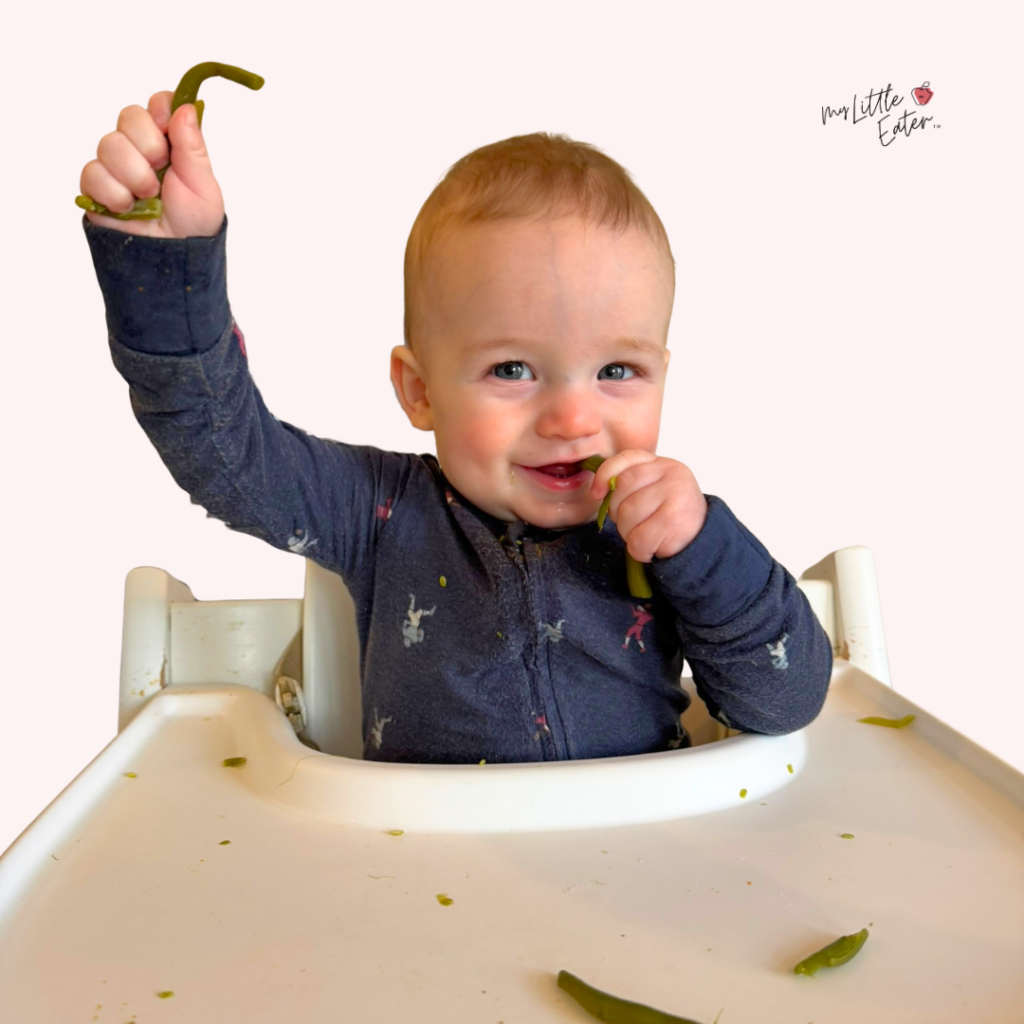
Pediatric dietitian Edwena Kennedy, founder of My Little Eater, emphasizes that the intensity of the behavior often escalates when a child receives an inconsistent or highly emotional reaction. "When a parent reacts with shock, anger, or even laughter, they are inadvertently providing the child with a social reward," Kennedy notes. Because toddlers are wired to seek interaction, any strong reaction serves as a reinforcement. If the act of throwing results in a dramatic, high-energy response from an adult, the child is statistically more likely to repeat the action to replicate that social engagement.
The Role of Environmental Factors
The physical setup of the mealtime environment significantly influences a child’s propensity to throw food. Ergonomics, often overlooked, is a primary factor. If a high chair lacks a footrest, the child’s legs dangle, which can create a lack of core stability. This physical discomfort can lead to restlessness, squirming, and a subsequent desire to discard food as a form of physical release.
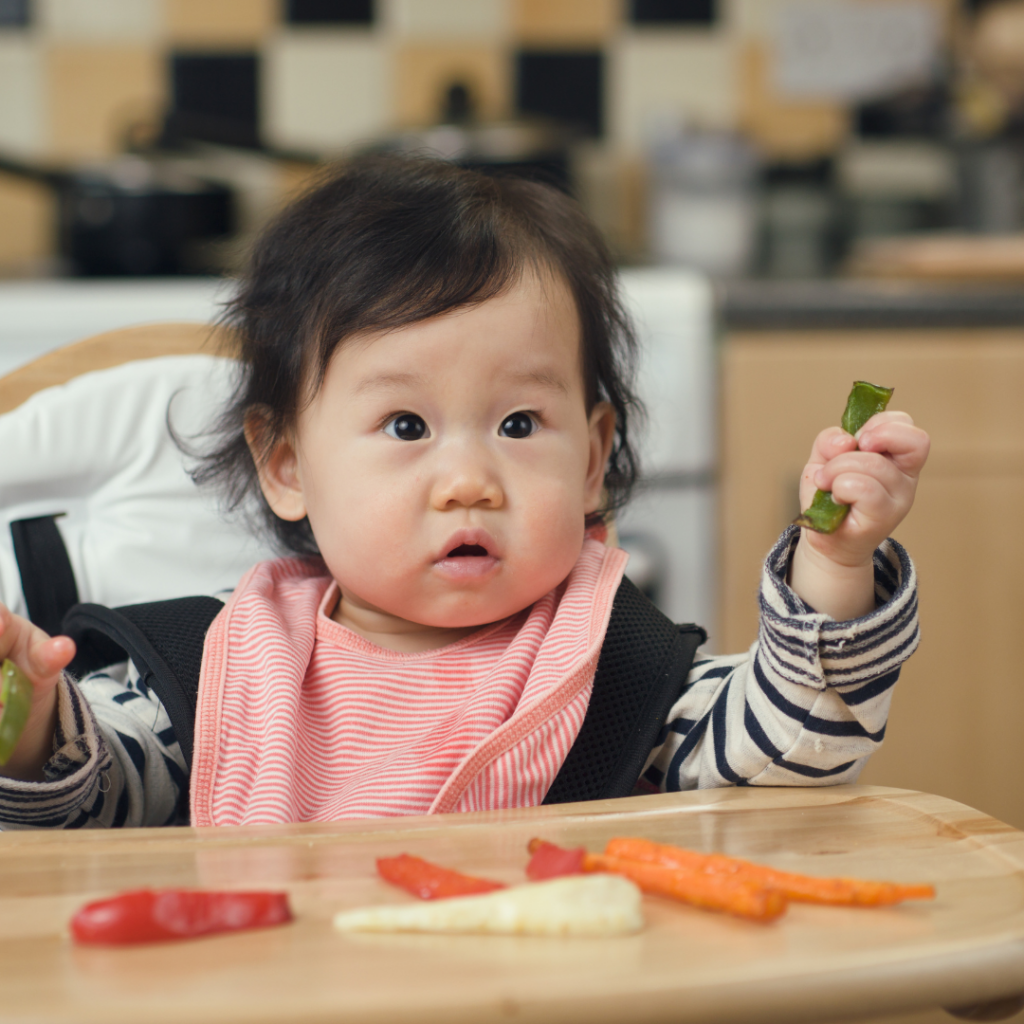
Additionally, the presence of pets or external distractions in the dining area can turn a meal into a game. If a child notices that a family dog consumes whatever they drop, the act of throwing becomes a rewarding activity. This establishes a cycle where the child is no longer focused on nutrition, but on the entertainment value of the interaction between the food, the floor, and the pet.
Evidence-Based Strategies for Mitigation
Addressing food throwing requires a multi-faceted approach centered on environmental adjustments and behavioral consistency. Experts recommend the following protocols:
- Environmental Optimization: Ensure the high chair provides adequate postural support. A footrest that allows for 90-degree angles at the hips, knees, and ankles can significantly improve a child’s focus on eating rather than movement.
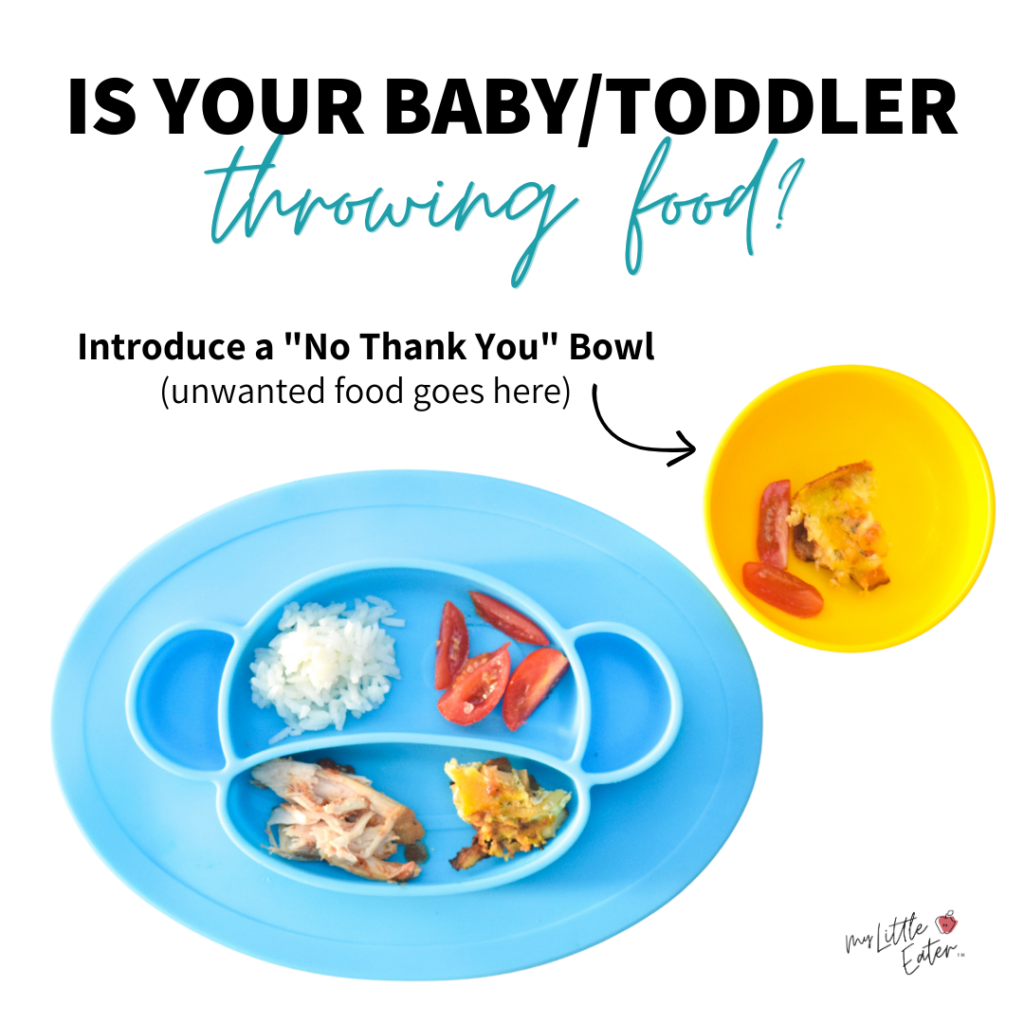
- The "No Thank You" Bowl: This is a pedagogical tool used to provide an alternative. By placing a small, suctioned bowl on the tray, parents can teach the child to place unwanted or unpalatable food into the bowl rather than tossing it. This redirects the behavior into an acceptable, constructive action.
- Communication Modeling: To mitigate the frustration of limited verbal skills, parents should model "all done" signs or simple verbal cues. By consistently using these signals, the child learns to communicate their satiety or dislike without resorting to physical disruption.
- Neutrality as a Pedagogical Tool: Perhaps the most critical component is the "neutral response." Caregivers are encouraged to maintain a "poker face" during instances of non-harmful throwing. By cleaning up the mess without eye contact, vocal reprimands, or dramatic gestures, the parent removes the reinforcement that makes the behavior appealing to the child.
- Managing Portions: Providing an excessive amount of food can be overwhelming. Offering smaller, manageable portions reduces the opportunity for large-scale mess-making and allows the child to focus on individual pieces of food, which can improve their overall engagement with the meal.
When to Seek Professional Intervention
While food throwing is widely regarded as a transient developmental stage, there are instances where it may signal more significant underlying issues. Pediatricians suggest that if the behavior persists past the age of 30 months despite consistent intervention, it may warrant further evaluation.
Concerns that necessitate a consultation with a healthcare professional include:
- Failure to Thrive: If the child’s caloric intake is consistently insufficient, leading to weight loss or growth velocity concerns.
- Extreme Sensory Sensitivity: If the child exhibits extreme, irrational distress (gagging, panic, or persistent refusal) regarding a broad spectrum of textures, this may suggest a sensory processing disorder or an underlying feeding aversion.
- Harmful Intent: If the child is consistently throwing heavy objects (such as metal utensils or ceramic plates) at siblings or caregivers with the clear intent to inflict pain.
Long-Term Impact on Feeding Dynamics
The long-term success of overcoming this phase depends on the parent’s ability to remain calm and consistent. Frequent, erratic responses—such as punishing the child one day and ignoring the behavior the next—can prolong the phase, as the child remains uncertain about the boundaries of the mealtime environment.
When parents approach the table with a structured, low-stress strategy, they effectively communicate that the mealtime is for nourishment, not for physical experimentation. By protecting the table as a space for positive connection, parents can help their children develop a healthier relationship with food.
It is important for parents to recognize that, while frustrating, this behavior is a normal part of the maturation process. It is not an indictment of parenting skills, nor is it a permanent character trait of the child. With the implementation of clear boundaries—such as ending the meal when the child demonstrates they are no longer interested in eating, rather than when they begin throwing—parents can navigate this period with minimal disruption to the family’s nutritional health.
Conclusion
The "throwing phase" is an intersection of motor development, cognitive testing, and communication growth. By understanding that the child is not acting out of malice, but out of a need for exploration and communication, parents can move away from reactive, stress-filled responses toward proactive, educational ones. Through environmental control, consistent behavioral expectations, and the use of tools like the "no thank you" bowl, families can navigate this messy milestone with confidence, ensuring that mealtime remains a positive, productive experience for both the child and the parent. As the child’s verbal skills and impulse control continue to develop, this phase will inevitably subside, leaving the family with more stable and harmonious dining routines.