A Comprehensive Guide to Establishing Feeding Schedules for Babies Aged 6-12 Months


Navigating the transition to solid foods for infants between six and twelve months of age presents a significant challenge for parents. The delicate balance between essential milk feedings (breast milk or formula), the introduction of solid foods, and maintaining adequate sleep within a 24-hour day requires careful planning. Ensuring these components are spaced appropriately is crucial for a baby’s healthy development and establishes foundational eating habits. To address this common parental concern, a detailed approach to sample feeding schedules has been developed, offering a framework that can be adapted to each baby’s unique needs and developmental milestones. This guide acknowledges the evolving nature of infant feeding, including the gradual reduction of milk feeds, the increase in solid food meals, and the development of crucial eating skills. Furthermore, it provides insights into recognizing readiness for more solids, customizing schedules, and preparing for the transition into toddlerhood at twelve months.

Understanding the Importance of a Structured Feeding Routine
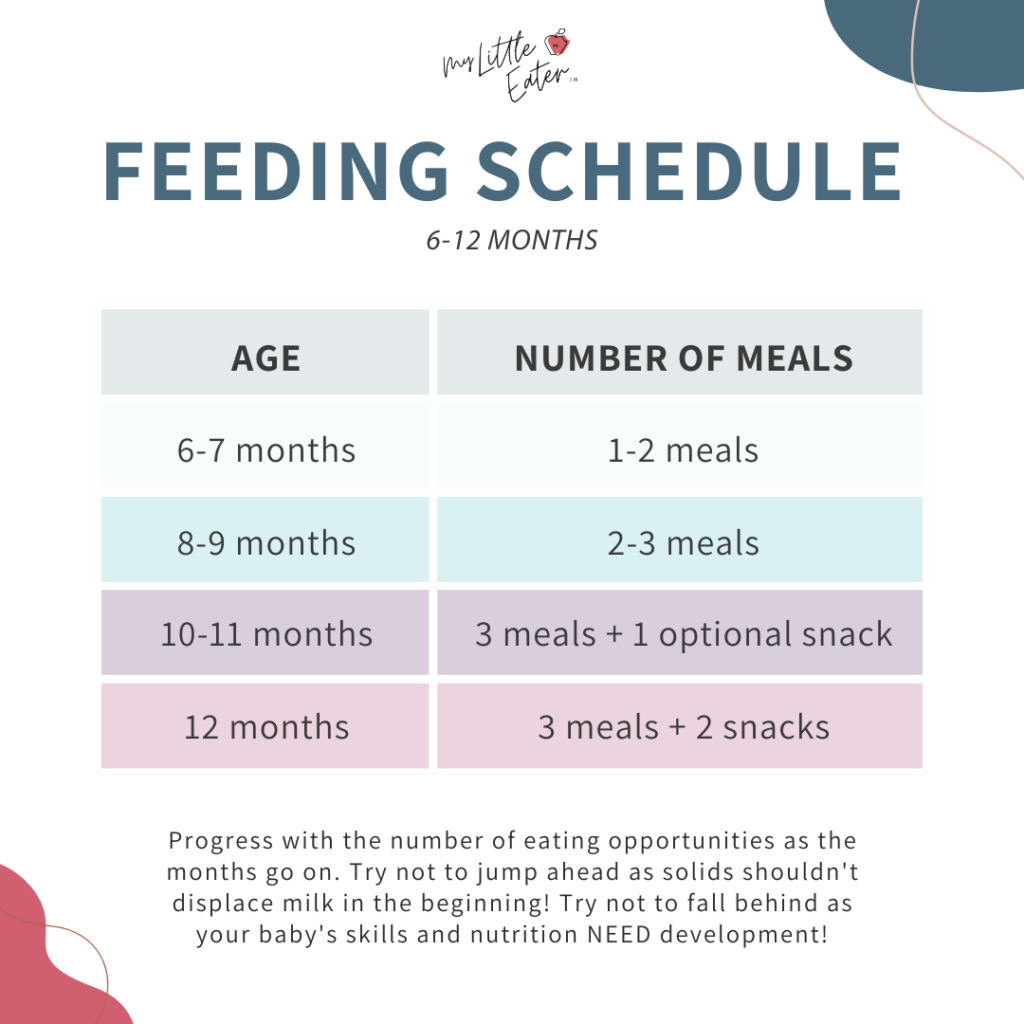
The introduction of solid foods marks a pivotal stage in an infant’s growth, shifting their primary source of nutrition from milk to a more diverse diet. By six months, babies typically require one to two solid meals per day. This number gradually increases, aiming for three solid meals by nine months of age. This progression is critical because, by twelve months, solid foods should become the primary source of nutrition. Breast milk or infant formula remains vital, with recommendations generally falling between 28 to 32 ounces daily for babies around six months. This consistent intake of milk ensures adequate nutrient absorption while the baby practices and refines their eating skills. The structured approach to feeding schedules is not merely about meal timing; it’s about fostering healthy eating habits, promoting sensory exploration, and ensuring the baby develops the necessary motor skills for independent eating.
The transition to solids is a gradual process, not an immediate replacement of milk feeds. Parents often wonder how solid foods will impact their baby’s reliance on breast milk or formula. It’s important to understand that a complete weaning from milk does not occur overnight. Instead, it’s a progressive phase. Resources such as a dedicated "breast and bottle weaning guide" can offer valuable support during this complex transition, empowering parents with the knowledge to navigate this new phase of infant development.

Sample Feeding Schedules: A Month-by-Month Breakdown
The following sample feeding schedules are designed to serve as a flexible guide, acknowledging that each baby’s internal clock and hunger cues will necessitate adjustments.
6-7 Months Feeding Schedule
At this stage, babies should demonstrate developmental readiness for solids, including the ability to sit upright with minimal support and maintain steady head control.
- Milk Feedings: 5-6 per day
- Total Milk Intake: 28-32 ounces
- Milk Feeding Frequency: Approximately every 2.5 to 3.5 hours, guided by hunger cues.
- Solid Food Timing: Approximately 30 minutes to 1.5 hours after a milk feeding.
Sample Daily Schedule:
- 6:30/7:00 AM: Wake and Milk Feeding
- 7:30/8:30 AM: Breakfast (Solids)
- 9:00/9:30 AM: Nap
- 10:00/10:30 AM: Milk Feeding
- 12:00/1:00 PM: Milk Feeding
- 1:00/1:30 PM: Nap
- 2:30/3:30 PM: Milk Feeding
- 5:00/5:30 PM: Milk Feeding
- 6:00/6:30 PM: Supper (Solids)
- 7:30/8:00 PM: Milk Feeding and Bedtime
8-9 Months Feeding Schedule
As babies become more proficient eaters, introducing a wider range of food textures, including those that encourage chewing, becomes important. This phase also sees a reduction in milk feeds as solid food intake increases.
- Milk Feedings: 4-5 per day
- Total Milk Intake: 24-32 ounces
- Milk Feeding Frequency: Approximately every 2.5 to 3.5 hours, guided by hunger cues.
- Solid Food Timing: Approximately 30 minutes to 1.5 hours after a milk feeding.
Sample Daily Schedule:
- 6:30/7:00 AM: Wake and Milk Feed
- 7:30/8:30 AM: Breakfast (Solids)
- 9:00/9:30 AM: Nap
- 10:00/10:30 AM: Milk Feeding
- 11:30/12:00 PM: Lunch (Solids)
- 12:30/1:00 PM: Milk Feeding
- 1:00/1:30 PM: Nap
- 2:30/3:30 PM: Milk Feeding
- 5:00/5:30 PM: Supper (Solids)
- 7:30/8:00 PM: Milk Feed and Bedtime
10-11 Months Feeding Schedule
Many babies at this age can begin consuming modified versions of family meals, requiring careful attention to texture and portion size to avoid choking hazards.

- Milk Feedings: 3-4 per day
- Total Milk Intake: 18-24 ounces
- Milk Feeding Frequency: Approximately every 2.5 to 3.5 hours, guided by hunger cues, or spaced about 2.5 to 3 hours apart from the last solid food meal/snack.
Sample Daily Schedule:
- 6:30/7:00 AM: Wake and Milk Feed
- 7:30/8:30 AM: Breakfast (Solids)
- 9:00/9:30 AM: Nap
- 10:00/10:30 AM: Snack
- 10:30/11:00 AM: Optional Milk
- 12:30/1:00 PM: Lunch (Solids)
- 1:00/1:30 PM: Nap
- 2:30/3:30 PM: Milk Feeding
- 5:00/5:30 PM: Optional Milk
- 6:00/6:30 PM: Supper (Solids)
- 7:30/8:00 PM: Milk Feed and Bedtime
11-12 Months Feeding Schedule
As babies approach their first birthday, they typically transition to three solid meals per day with one to two snacks, with a continued decrease in milk feeds.

- Milk Feedings: 2-4 per day
- Total Milk Intake: 12-24 ounces
- Milk Feeding Frequency: Approximately every 2.5 to 3.5 hours, guided by hunger cues, or spaced about 2.5 to 3 hours apart from the last solid food meal/snack.
Sample Daily Schedule:
- 6:30/7:00 AM: Wake and Milk Feed
- 7:30/8:30 AM: Breakfast (Solids)
- 9:00/9:30 AM: Nap
- 10:00/10:30 AM: Snack + Optional Milk
- 12:30/1:00 PM: Lunch (Solids)
- 1:00/1:30 PM: Nap
- 2:30/3:30 PM: Snack + Optional Milk
- 6:00/6:30 PM: Supper (Solids)
- 7:30/8:00 PM: Milk Feed and Bedtime
Duration of Solid Food Meals
The times listed in the sample schedules indicate suggested start times for meals and snacks. The duration of these eating periods is also important. Meals should ideally last between 5 to 30 minutes, with a maximum of 45 minutes. Prolonged mealtimes can interfere with subsequent feedings and disrupt the overall schedule.

Customizing Your Baby’s Feeding Schedule
A baby’s feeding schedule is inherently linked to their sleep patterns, age, and individual hunger cues. The provided sample schedules serve as a foundation. Parents are encouraged to adapt these by first identifying their baby’s typical wake time. This average wake time should be inserted at the beginning of the schedule, allowing for a one-hour range to accommodate daily variations. If a baby consistently wakes an hour later than indicated, all subsequent timings should be shifted back by an hour, and vice versa.
This personalized approach ensures the schedule aligns with the baby’s natural rhythm. Further adjustments can be made to the intervals between milk feedings and solid foods based on the baby’s observed hunger after trying a few meals. Consistent observation of hunger and fullness cues remains paramount, as these can fluctuate due to sleep patterns, teething, or growth spurts. Utilizing a baby feeding chart or food record can be beneficial for tracking milk intake, solid meals, and the introduction of new foods.
Recognizing Readiness for Increased Solids and Snacks
The progression to more meals and snacks is generally guided by age and the baby’s continued development. The overarching goal is to equip babies with the skills to be primarily sustained by solid food by twelve months. This requires consistent practice and exposure to a variety of foods and textures between six and twelve months.
Simultaneously, it is crucial to ensure the baby is meeting their minimum milk intake requirements, as this remains their primary nutritional source during the early stages. If a baby is not consuming the recommended amount of milk, it may be necessary to reduce the number of solid food meals offered. Conversely, skipping opportunities for solid food practice before nine months of age can hinder skill development and cannot be easily reversed. If a baby shows reluctance towards solids, increased gagging, or limited interest, introducing an additional meal for a few days can be beneficial. However, if this leads to a decrease in milk intake, it’s advisable to revert to the previous schedule and reintroduce the extra meal after a couple of weeks.

Addressing Challenges: When Your Baby Won’t Eat
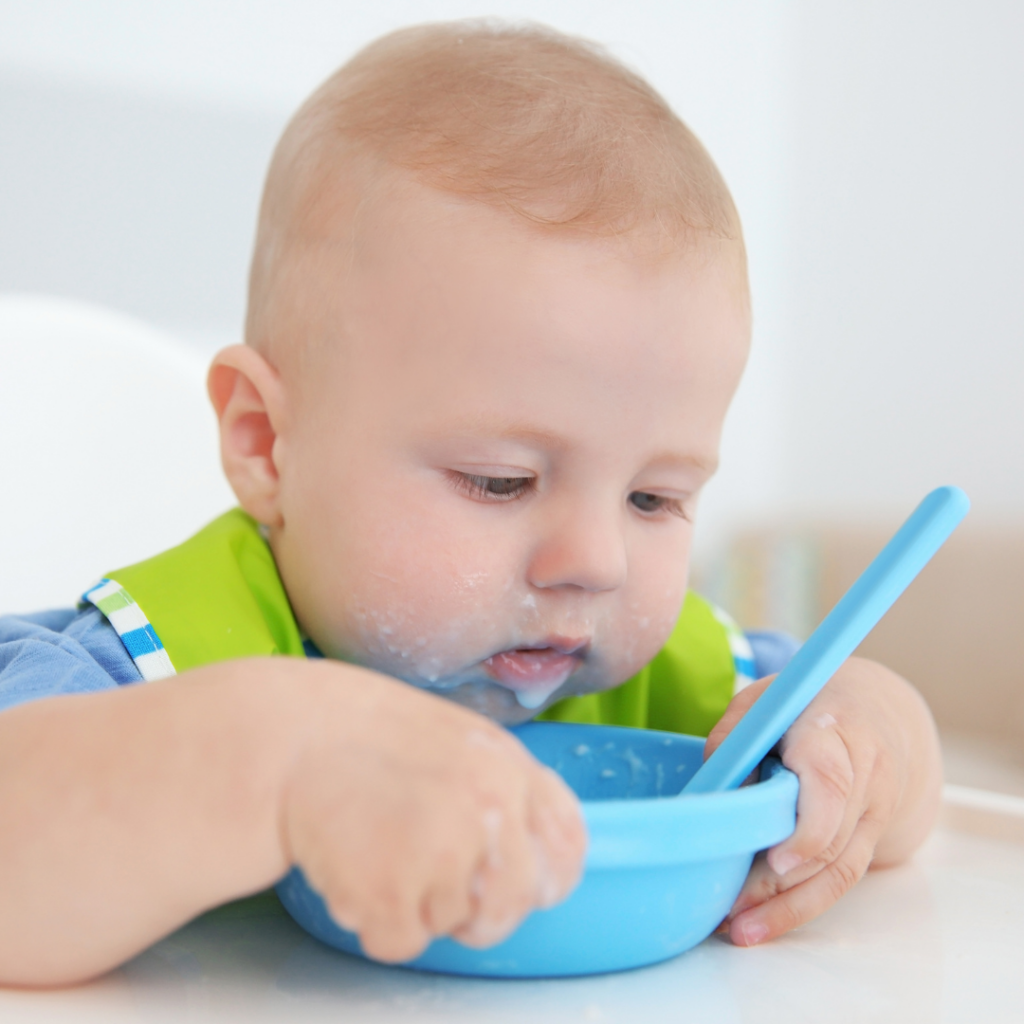
A primary reason for a baby’s lack of interest in solids is often an ill-timed feeding schedule, specifically offering solids when the baby is not genuinely hungry. The interval between milk feedings and solid food offerings is critical. A gap of 30 to 90 minutes is generally recommended. This allows the baby to develop a sufficient hunger after a milk feeding to be motivated to explore solids. Offering solids too soon may result in the baby being too full, while waiting too long can lead to frustration due to excessive hunger. Allowing babies to touch and play with food during this time also fosters curiosity and learning.
If a baby shows no interest, increasing the gap between milk and solids by 15-minute increments can help gauge hunger levels. Conversely, if the baby becomes frustrated, decreasing the gap may be more effective. Finding the optimal "sweet spot" for each baby is an iterative process. As the baby grows, this interval may need further adjustment. Resources on responsive feeding can provide deeper insights into understanding and responding to a baby’s feeding cues.

Adjusting Milk Intake to Enhance Solid Food Consumption
When a baby consistently shows a lack of appetite for three meals a day or prioritizes milk over solids, adjustments to milk intake may be necessary. This could involve offering solids before milk feedings or establishing limits on the frequency of nursing sessions, such as reserving them for early morning and late evening.
As babies approach their first birthday, the nutritional focus shifts from milk to solids. This transition requires babies to consume enough solids to feel satisfied without relying heavily on milk. If a baby is consistently too full from milk to engage with solids, offering solids before nursing or bottle-feeding sessions can be a strategy. In some cases, a small amount of milk offered just before a meal can help a baby remain calm enough to eat, while larger milk feedings might diminish their interest in solids. These adjustments can also support milk supply for breastfeeding mothers.
Navigating the Transition to Toddlerhood: Feeding Schedules and Tips
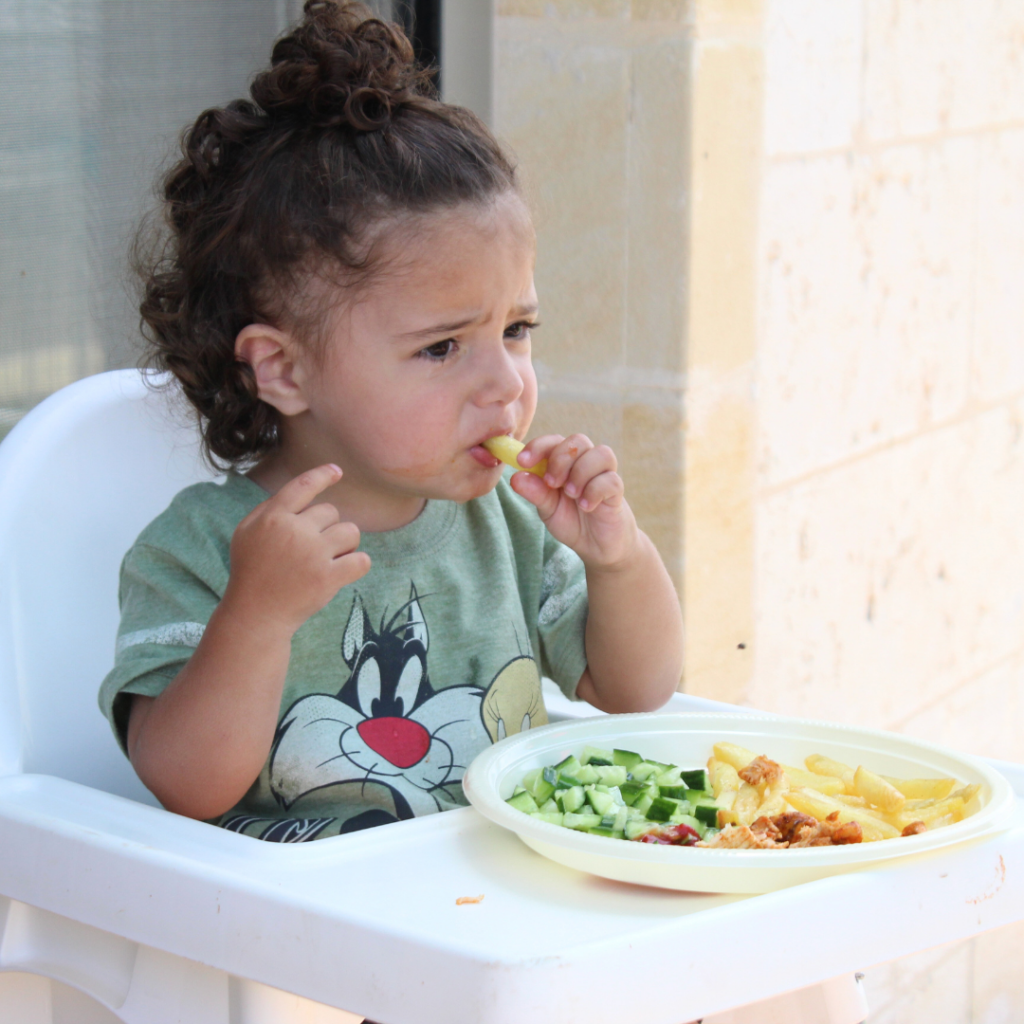
The shift into toddlerhood, typically marked at 12 months, signifies a reliance on solid foods as the primary source of nutrition. Between 12 and 15 months, toddlers generally thrive on three solid meals and two snacks daily, a pattern that usually continues through 16 to 24 months. While there are no longer minimum milk requirements for toddlers, there is a recommended maximum intake.
Excessive milk consumption in toddlers can interfere with iron absorption and contribute to picky eating behaviors. The maximum recommended milk intake for toddlers is generally 16 ounces per day. It is advisable to offer milk in a cup with meals, rather than a bottle, to discourage overconsumption. When toddlers are too full from milk, their interest in table foods diminishes, potentially hindering their willingness to try new foods. Maintaining a consistent feeding schedule in toddlerhood is essential for ensuring adequate nutrition and continued development of healthy eating habits.
Addressing Common Questions About Baby Feeding Schedules
Why are schedules so important for babies starting solids?
Without a general routine, parents risk overfeeding, encountering food refusal, or dealing with an overly hungry and frustrated baby. Offering food too frequently can lead to overconsumption or a preference for milk over solids. Conversely, infrequent offerings can result in a baby being too hungry to successfully engage with the new task of eating. A balanced schedule helps manage hunger and prevents babies from becoming accustomed to constant fullness, fostering a better response to true hunger cues.
What if we prefer to follow hunger cues instead of a strict schedule?
It is entirely acceptable to prioritize hunger cues. The schedule should be viewed as a guide to ensure the baby receives an adequate number of milk feedings and solid meals daily, rather than a rigid timetable. Flexibility is key, and daily adjustments based on the baby’s individual hunger and fullness are encouraged.

Should solid foods be offered in the morning or at night?
When introducing solids, particularly those considered top allergens, it is recommended to offer them in the morning. This allows parents to monitor the baby for any adverse reactions for several hours post-ingestion. Offering potentially allergenic foods close to bedtime might make it challenging to observe for symptoms. For babies with severe eczema or a history of allergies, consulting a pediatrician or allergist before introducing high-risk foods is advisable.
How do I determine appropriate baby food portion sizes?
In the initial stages of introducing solids, the quantity consumed is less important than the baby’s learning process – how to move food, swallow, and explore textures. Portion size is secondary to skill development. Resources such as a "Portions Guide" can help alleviate parental concerns about whether the baby is eating "enough."

What if work schedules limit morning meal opportunities?
For parents with demanding work schedules, choosing a time during the day that best suits their availability is essential. If a caregiver is involved, ensuring they are well-informed and equipped with guidance, such as a "Baby Led Feeding Program" with a caregiver guide, is crucial. For evening meals, consider avoiding top allergens and reserving weekend introductions for these foods to allow for proper observation.
Conclusion: A Flexible Framework for Healthy Eating Habits
Establishing a feeding schedule for infants aged six to twelve months is a dynamic process that requires observation, flexibility, and a commitment to responsive feeding. By utilizing sample schedules as a starting point and adapting them to individual needs, parents can foster healthy eating habits, promote crucial developmental milestones, and confidently navigate the exciting journey of introducing solid foods. The key lies in balancing structure with responsiveness, ensuring that milk remains a vital nutrient source while solid foods become increasingly central to the baby’s diet, ultimately paving the way for a healthy relationship with food into toddlerhood and beyond.
Related posts: