Air Fryer Ribeye Steak: A Modern Approach to Achieving Steakhouse-Quality Results at Home

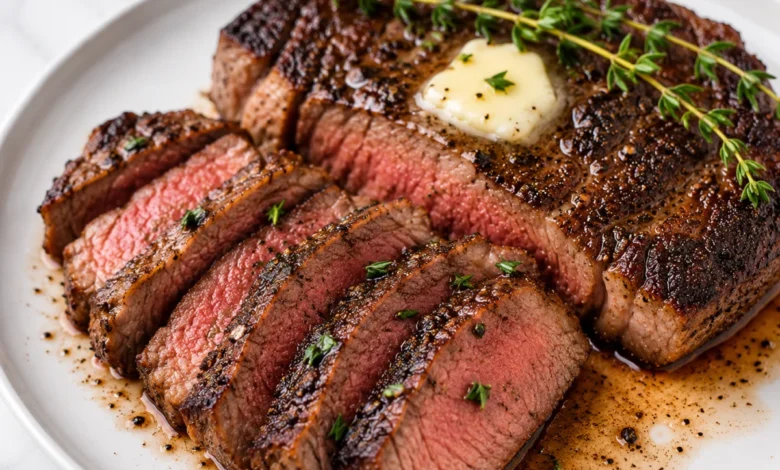
The culinary landscape has undergone a significant transformation with the widespread adoption of the air fryer, a convection-based appliance that has moved beyond its initial marketing as a healthier alternative for frying frozen goods. Among the most surprising developments in home cooking is the rise of the air fryer ribeye steak, a technique that challenges the conventional wisdom that high-quality cuts of beef require the intense, direct heat of a charcoal grill or a professional-grade cast-iron sear. Data from consumer appliance trends indicate that home cooks are increasingly seeking ways to replicate restaurant-level results without the associated smoke, equipment maintenance, or prolonged cleanup typically required for indoor stovetop searing.
The Mechanism of Convection Cooking for Beef
The effectiveness of the air fryer for high-fat proteins like ribeye lies in its ability to facilitate rapid, consistent heat distribution. Unlike traditional baking, which relies on ambient oven heat, the air fryer utilizes a high-powered fan to circulate hot air at velocities that accelerate the Maillard reaction—the chemical process responsible for the browning and flavor development on the exterior of the steak.
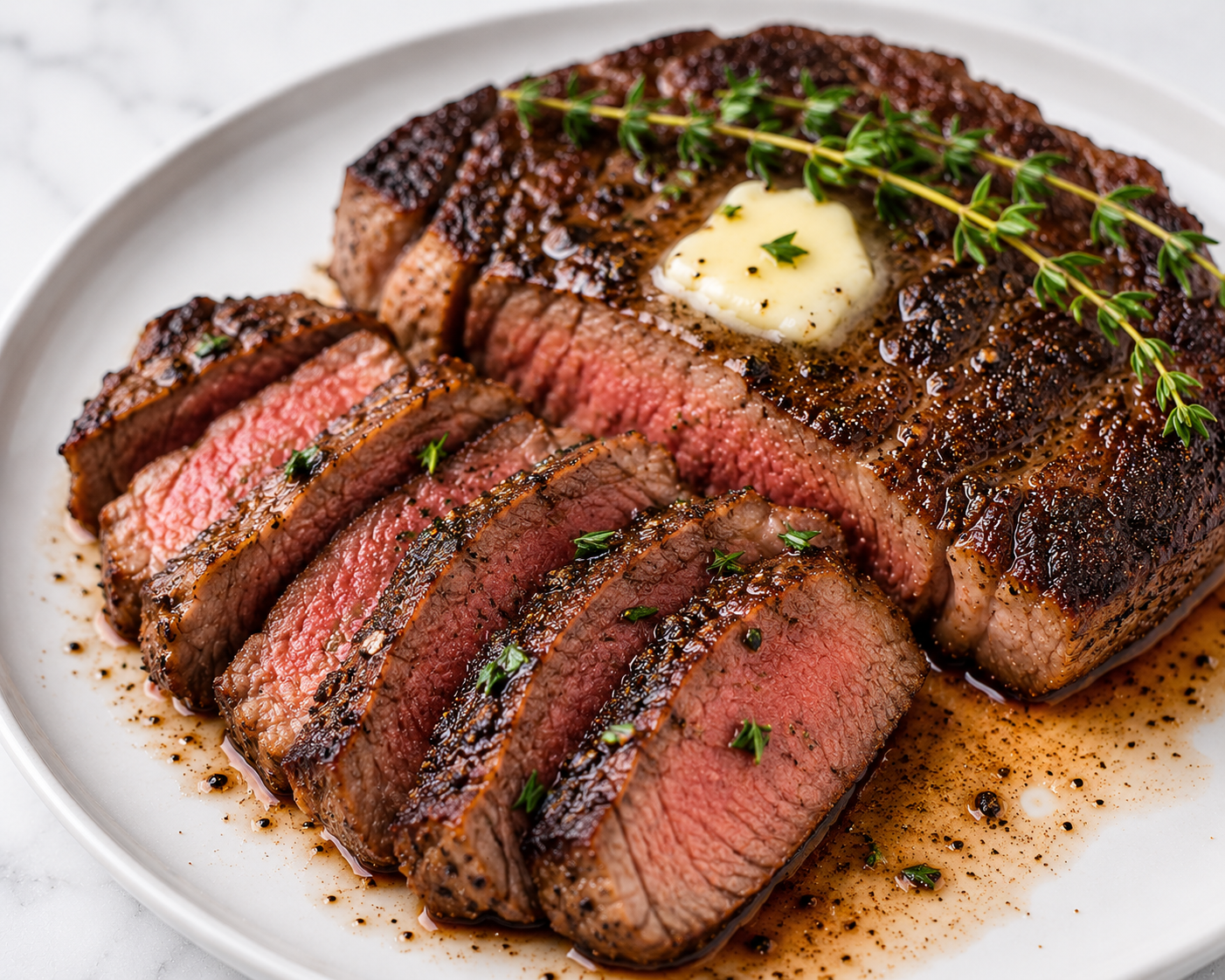
For a ribeye, which possesses a higher intramuscular fat content than leaner cuts like sirloin or tenderloin, this convection environment is particularly advantageous. The circulating heat renders the fat cap and intermuscular marbling efficiently, effectively self-basting the steak throughout the cooking cycle. Culinary experts note that because the heat source is concentrated and directional, the air fryer minimizes the temperature gradient between the crust and the center of the meat, provided the thickness of the cut is standardized.
Chronology of the Cooking Process
The preparation of an air fryer ribeye follows a rigorous, time-sensitive protocol designed to ensure food safety and optimal texture.
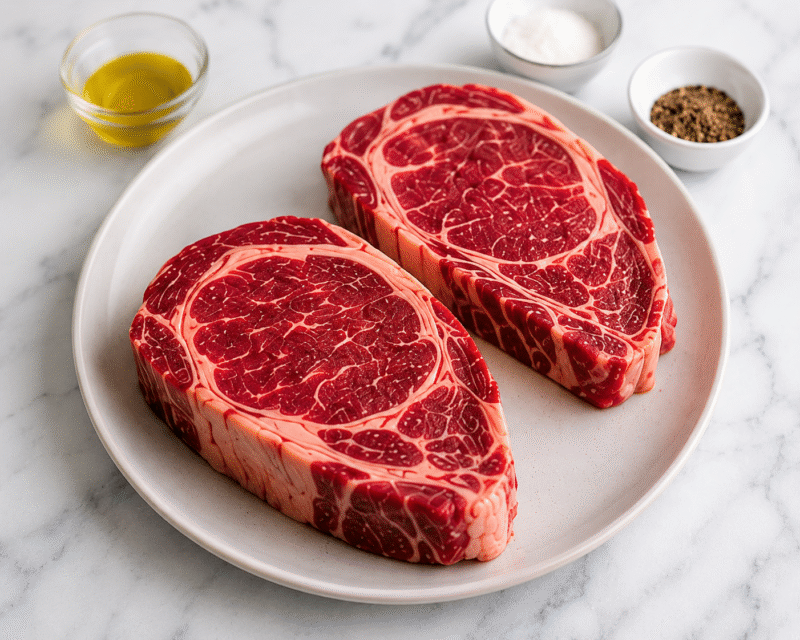
- Preparation (0–30 Minutes): Prior to cooking, the steak must be brought to room temperature. This is a critical step in professional culinary standards, as it allows for more uniform heat penetration. The surface must be patted completely dry with a paper towel; any residual surface moisture will cause the steak to steam, preventing the desired crust development.
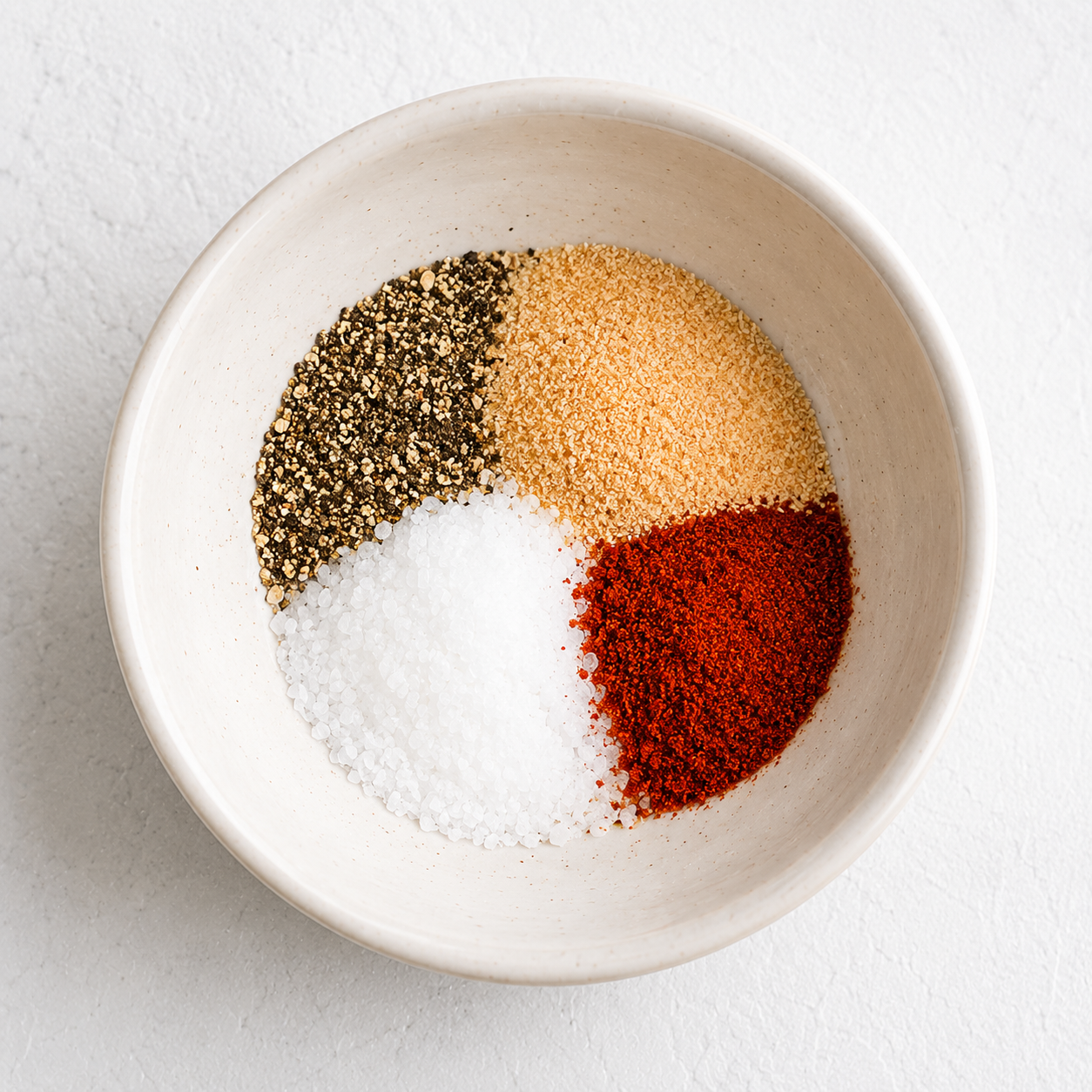
- Seasoning (30–45 Minutes): A dry rub—typically consisting of kosher salt, cracked black pepper, garlic powder, onion powder, and smoked paprika—is applied. The application of salt in advance allows for osmosis, drawing the seasoning into the muscle fibers, while the smoked paprika provides a flavor profile often associated with wood-fired grilling.
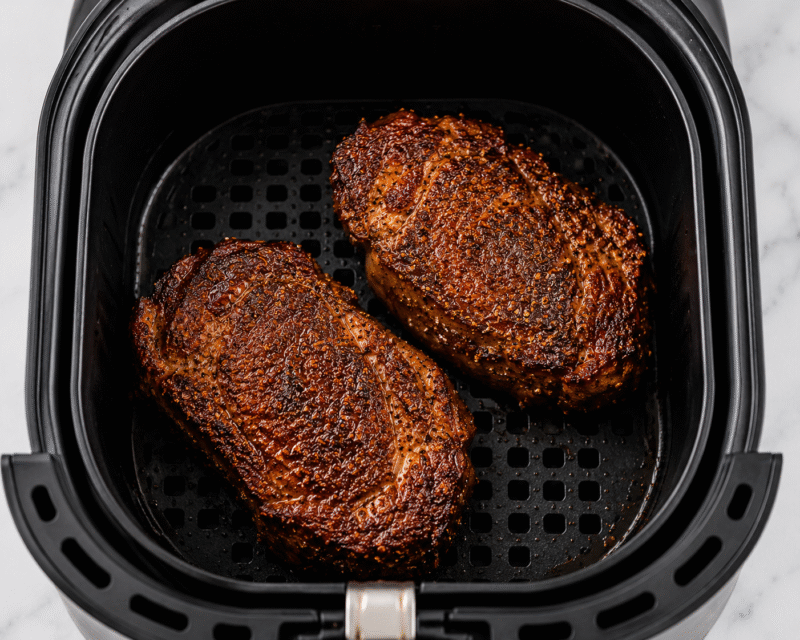
- The Cooking Phase (10–14 Minutes): The air fryer is preheated to 400 degrees Fahrenheit. The steak is placed in the basket. For a standard 1.5-inch ribeye, a 10-minute cook time is generally sufficient for medium-rare results, with a mandatory flip at the five-minute mark to ensure even browning.
- The Resting Period (5–10 Minutes): Once the internal temperature reaches the "pull point"—typically 5 degrees below the desired final temperature—the steak is removed and placed on a cutting board. This rest period is non-negotiable, as it allows the internal moisture, which migrated toward the center during the rapid heating phase, to redistribute across the cut.
Technical Data and Temperature Calibration
Achieving precision in air frying requires adherence to specific internal temperature thresholds. The following table provides a standard reference for the desired level of doneness, based on USDA-recommended safety guidelines and culinary standards:
| Doneness | Pull Temperature | Resulting Temperature (After Rest) |
|---|---|---|
| Rare | 125°F | 130°F |
| Medium-Rare | 130°F | 135°F |
| Medium | 140°F | 145°F |
| Medium-Well | 150°F | 155°F |
The reliance on a digital meat thermometer is the most significant factor in avoiding the common pitfalls of overcooking. Because air fryer models vary in wattage and internal air volume, visual estimation is insufficient.
Addressing Common Operational Challenges
A frequent critique of indoor high-heat cooking is the generation of smoke. In an air fryer, this is typically caused by fat drippings falling onto the hot heating element or the base of the unit. A practical solution adopted by many home chefs is the addition of approximately one tablespoon of water to the bottom of the air fryer drawer. This water does not interact with the steak but acts as a heat sink, cooling the drippings before they can reach the smoke point, thereby ensuring a smoke-free kitchen environment.
Furthermore, the issue of overcrowding remains a primary concern for equipment performance. When the basket is overloaded, the airflow—the primary mechanism for cooking—is restricted. This shift in airflow transitions the cooking environment from roasting/searing to steaming, which is counterproductive for high-end beef cuts.
Broader Culinary Implications
The shift toward using air fryers for premium cuts of meat represents a broader democratization of culinary techniques. Historically, the ability to produce a perfectly seared ribeye was considered a skill reserved for those with access to outdoor space or specialized heavy-duty kitchen equipment. The accessibility of the air fryer has lowered the barrier to entry for home cooks.
From a nutrition and efficiency standpoint, the method is also noteworthy. The high-heat, short-duration cooking cycle preserves the integrity of the vitamins and minerals within the beef, while the rendered fat provides enough flavor that the need for additional oils or fats is often negated.
Expert Perspectives and Safety Protocols
Culinary scientists emphasize that while the air fryer is a highly effective tool, it does not replace the necessity of ingredient quality. The "marbling" of a ribeye—the white streaks of fat within the red muscle—remains the most important factor in the final result. Regardless of the cooking method, if the cut of beef is of low quality, the heat of the air fryer will not be able to compensate for a lack of intramuscular fat.
Regarding food safety, the importance of thawing cannot be overstated. Cooking a frozen ribeye in an air fryer is discouraged by food safety professionals, as the exterior of the steak will reach the danger zone for bacterial growth while the interior remains frozen, resulting in an unsafe and unevenly cooked product. Proper planning—thawing in the refrigerator for 24 hours—remains the gold standard for maintaining the structural integrity of the meat.
In conclusion, the integration of the air fryer into the repertoire of the home chef for the preparation of ribeye steak is supported by both scientific principles of heat transfer and practical evidence. By following standardized preparation times, utilizing accurate measurement tools, and respecting the physics of airflow, it is entirely possible to achieve a steak that rivals those prepared in a professional kitchen. As appliances continue to evolve, it is expected that these techniques will become even more refined, further bridging the gap between professional culinary arts and home-based cooking.