The Green Clean Revolution: How UK Households Are Transitioning to Ethical and Sustainable Home Care


For decades, the standard for a clean home was defined by harsh chemicals, synthetic fragrances, and single-use plastic packaging. However, a significant shift in consumer behavior is currently reshaping the UK cleaning industry. Driven by growing awareness of the environmental impact of conventional cleaning products—which are frequently linked to urban water pollution and high carbon footprints—households are increasingly turning toward plant-based, cruelty-free, and refillable alternatives. This transition is not merely a matter of personal preference but a calculated move to mitigate the toxic footprint left by traditional detergents, many of which contain hidden animal-derived ingredients and endocrine-disrupting chemicals.

The Environmental and Ethical Context of Modern Cleaning
The traditional cleaning product industry has long been criticized for its reliance on petrochemicals and animal derivatives. Scientific research, including studies highlighted by environmental agencies, suggests that volatile organic compounds (VOCs) found in common household cleaners contribute significantly to indoor air pollution, often exceeding the levels found in outdoor urban environments.
Furthermore, the "cruelty-free" movement has gained substantial momentum. Conventional cleaners often utilize ingredients like tallow (rendered animal fat), lanolin (from sheep’s wool), and various animal-derived enzymes. For the millions of UK citizens adhering to a plant-based or vegan lifestyle, these products present an ethical conflict. The demand for transparency has prompted a new wave of British companies to adopt rigorous testing standards, eschewing animal trials and seeking certification from bodies like the Vegan Society and the Leaping Bunny programme.

A Chronology of the Shift
The movement toward eco-friendly sanitation did not happen overnight. The timeline of this industry shift can be traced through the following milestones:
- Late 1980s: The emergence of pioneers like Bio-D, which began producing environmentally responsible cleaning agents in the UK in 1989, challenging the monopoly of chemical giants.
- 2010–2015: A rise in the "zero-waste" movement saw the proliferation of independent refill shops, allowing consumers to reuse containers and drastically reduce plastic waste.
- 2018–2020: Increased media scrutiny regarding the impact of microplastics and phosphate runoff from household detergents into the UK’s water systems led to a surge in consumer demand for biodegradable formulas.
- 2021–Present: The "just-add-water" model, popularized by brands like Spruce and Neat, marked a shift toward concentrated formats, effectively removing the carbon cost of shipping heavy water-based liquids across the country.
Leading Brands Redefining Industry Standards
Several UK-based companies have emerged as leaders in this transition, each addressing different aspects of the sustainability challenge.

Concentrated Innovation: Spruce and Neat
The logistics of the cleaning industry have historically been inefficient, with companies shipping bottles filled with 90% water. Spruce and Neat have disrupted this by offering concentrated powders or liquids in glass or compostable packaging. Consumers purchase a durable "forever" bottle and simply add tap water. Data indicates that this model can reduce the carbon footprint associated with transport by as much as 90% compared to traditional bottled cleaners.
Botanical Efficacy: Wilton London
Wilton London represents the intersection of luxury and sustainability. By focusing on botanical scents derived from essential oils rather than synthetic perfumes, the brand caters to consumers seeking a premium experience without the environmental compromise. Their products are biodegradable and free from synthetic dyes, addressing the concerns of those with sensitive skin and chemical sensitivities.

Bulk Accessibility: Bio-D and Ecoleaf
These companies have integrated themselves into the circular economy. By ensuring their products are available in bulk at zero-waste retailers, they provide a tangible solution to the plastic crisis. Bio-D, in particular, maintains full supply chain traceability, ensuring that every ingredient is ethically sourced—a standard that is becoming the benchmark for the industry.
Specialized Sustainability: Homethings and Seep
Homethings has expanded the scope of the movement by offering everything from laundry sheets to dishwasher tablets, effectively eliminating the need for single-use plastic in the utility room. Similarly, Seep addresses the "forgotten" tools of the trade: sponges and cleaning cloths. By using plant-based, compostable materials, they ensure that the cleaning process does not result in microplastic shed—a common issue with synthetic sponges.

Data-Driven Implications for Consumers
The move away from conventional products is backed by a shift in ingredient transparency. Below are the primary substances that eco-conscious consumers are actively avoiding:
| Ingredient | Typical Source | Concern |
|---|---|---|
| Tallow | Animal Fat | Non-vegan; high environmental impact of intensive farming. |
| Glycerine | Animal/Plant | Often animal-derived unless specified; used as a binding agent. |
| Casein | Milk Protein | Used as a binding agent in polishes; not vegan. |
| Animal Enzymes | Biological | Derived from animal organs; used for stain removal. |
| Shellac | Insect (Lac) | Used in wood finishes; involves insect exploitation. |
The Impact of Regulatory and Market Pressure
The growth of these brands is not happening in a vacuum. Market analysts observe that retailers are increasingly providing shelf space for ethical products in response to "conscious consumerism." This is a significant pivot from a decade ago, where eco-products were relegated to niche health food stores.

From a regulatory standpoint, the UK’s commitment to net-zero goals is placing pressure on the manufacturing sector to reduce waste. While government mandates focus largely on large-scale industrial output, the "trickle-down" effect of these policies is encouraging smaller, agile brands to adopt plastic-free, circular supply chains. The implications for the broader market are clear: transparency is no longer a marketing tool but a business necessity. Brands that fail to disclose their supply chains or that continue to utilize non-biodegradable, animal-derived ingredients are facing increasing public scrutiny and declining brand loyalty.
Future Outlook: The Circular Economy
The long-term objective of this sector is the transition to a fully circular economy, where cleaning tools are composted and chemical residues are harmless to aquatic life. The current success of refill schemes and concentrated tablets suggests that the consumer is willing to adapt their habits if the product performance is comparable to legacy brands.
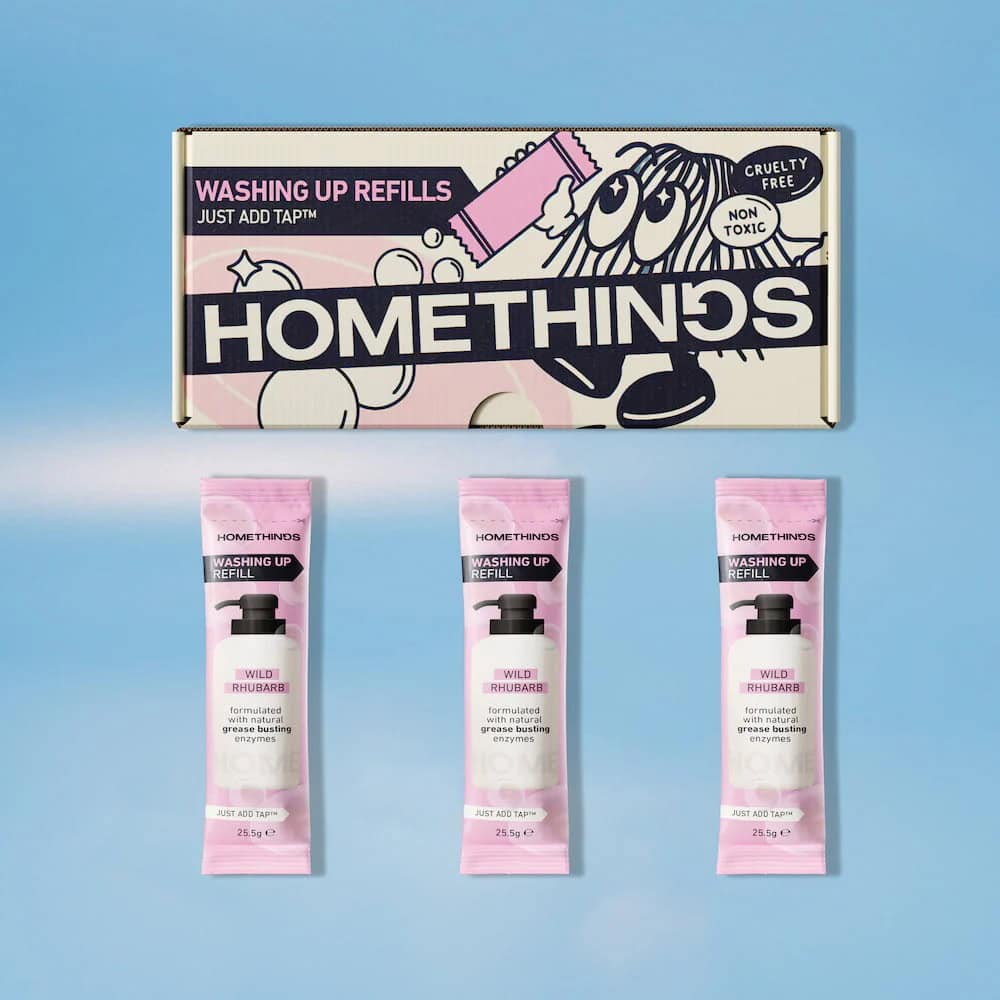
As these companies continue to scale, the next frontier will be price parity. Historically, sustainable products were priced at a premium. However, as the supply chains for plant-based surfactants mature and the logistics of concentrated shipping become standard, the price gap between "eco" and "conventional" is narrowing. For the average UK household, the choice to switch is becoming increasingly seamless, cost-effective, and, most importantly, aligned with a growing societal mandate to protect the planet.
In summary, the transition to plant-based cleaning is a multi-faceted movement that combines ethical consumption, environmental stewardship, and technological innovation. By moving away from animal-derived ingredients and plastic-heavy logistics, UK households are not just cleaning their homes—they are participating in a systemic shift that prioritizes the health of the planet alongside the hygiene of the living space. Whether through the use of refill stations, concentrated sachets, or compostable cleaning tools, the path forward is clearly defined by the principles of sustainability and transparency.