Finding the Perfect Sustainable Fit: A Comprehensive Guide to UK Petite Ethical Fashion Brands


For decades, the petite fashion market in the United Kingdom has been characterized by a significant lack of inclusivity, leaving consumers standing 5’4” or under with limited options for clothing that fits their proportions without requiring costly alterations. Historically, the retail industry has prioritized standard sizing, often ignoring the specific needs of shorter individuals. However, a shift is currently underway as a growing number of sustainable and ethical brands recognize the demand for precision tailoring that does not sacrifice environmental or social responsibility.
The Evolution of Petite Sizing and Sustainable Demand
The definition of "petite" generally encompasses individuals 5’4” and under. For this demographic, the structural integrity of a garment—such as the placement of waistlines, the length of sleeves, and the cut of hemlines—is frequently compromised by standard mass-production sizing. According to industry data, the petite market represents a substantial portion of the female population in the UK, yet it has historically been sidelined in favor of "one-size-fits-all" manufacturing processes that prioritize efficiency over fit.

The intersection of ethical fashion and petite sizing is a relatively recent phenomenon. As consumers have become increasingly conscious of the environmental impact of the textile industry—which is responsible for approximately 10% of global carbon emissions—the pressure on brands to provide sustainable alternatives has mounted. This movement has been bolstered by the growth of the Circular Economy, where brands are now exploring rental models, repair services, and the use of GOTS-certified organic cotton to meet the expectations of an informed, modern consumer base.
Key Players in the Sustainable Petite Market
Several UK-based brands have emerged as leaders in this space, each adopting different strategies to address the dual challenges of ethical production and sizing accuracy.
Seasalt: Integrating Ethical Standards with High Street Reach
Seasalt has positioned itself as a major player by integrating ethical trade certifications into its mainstream offerings. Since 2005, the company has utilized GOTS-certified organic cotton, and it maintains a long-standing commitment to the Ethical Trading Initiative (ETI). By joining the ETI in 2018, Seasalt pledged to uphold international labor standards, a move echoed by its membership in SEDEX, an organization dedicated to improving working conditions within global supply chains. For the petite shopper, Seasalt offers a rare combination of accessible pricing and specific petite sizing that avoids the "cropped-as-standard" trap often found in high street denim.

Hannah Sophia England: Zero-Waste Innovation
Taking a different approach, Hannah Sophia England focuses on occasionwear with a commitment to zero-fabric waste. Based in Stamford, Lincolnshire, the brand produces all its garments in-house. A notable aspect of its business model is the focus on garment longevity. By designing pieces that can be converted into multiple styles—such as dresses with detachable sleeves and skirts—the brand directly addresses the issue of overconsumption. This design philosophy aligns with the broader environmental goal of increasing the "use-phase" of a garment, which is critical given that the average UK consumer discards a high percentage of their wardrobe annually.
Lucy & Yak and the Focus on Supply Chain Transparency
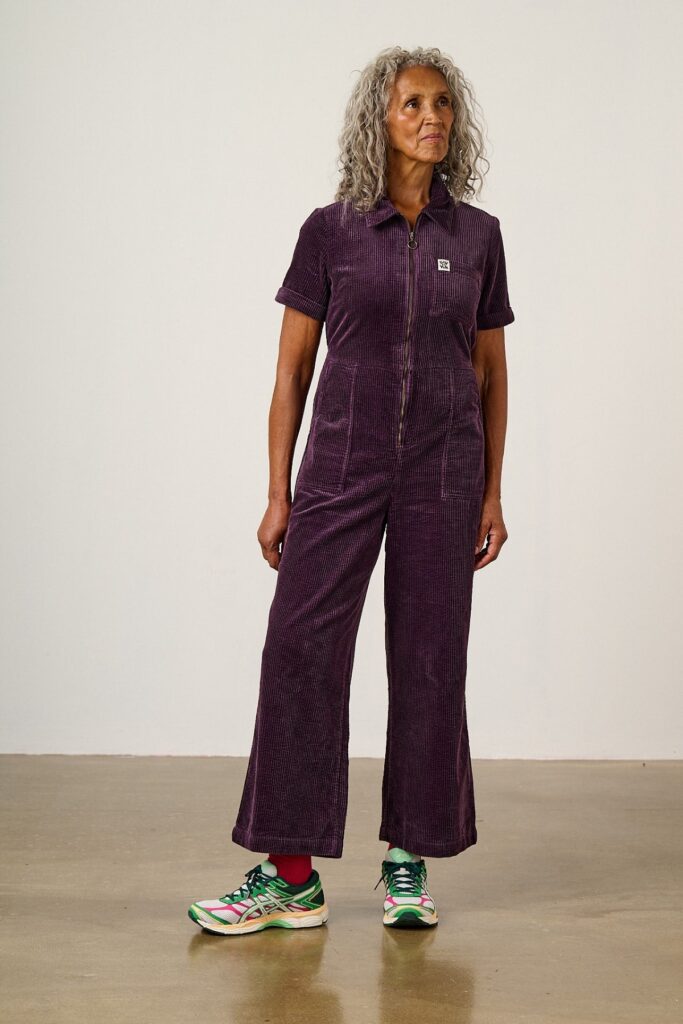
Lucy & Yak has gained significant market traction by focusing on dungarees, jumpsuits, and trousers tailored for those 5’2” and under. Beyond the sizing, the company’s business model is built on independently audited factories. This level of transparency is becoming the industry standard, as consumers demand more information regarding the "who, where, and how" of their clothing production. The brand utilizes a range of sustainable fabrics, including recycled polyester and organic cotton, moving away from the synthetic materials that dominate fast fashion.
Nobody’s Child: The Tension Between Fast Fashion and Sustainability
The market presence of brands like Nobody’s Child reflects the ongoing tension within the retail sector. While the brand offers a selection of sustainable materials and has taken positive steps—such as banning the use of virgin leather and animal fur—it continues to utilize marketing language associated with fast-fashion trends. However, its implementation of a rental service and an in-house repair and alteration program serves as a critical model for how retail companies can extend the lifecycle of their products, even while operating within a high-turnover retail environment.

White Stuff: The Challenges of Navigating Ethical Retail
White Stuff provides an illustrative case study of the difficulties consumers face when navigating corporate sustainability. As the largest UK retailer of Fairtrade Sourced Cotton, the brand has a clear ethical mandate. However, the accessibility of its petite, sustainable range is hindered by complex website navigation. This highlights a persistent issue in the industry: while brands may invest in sustainable materials, the lack of user-centric design in online storefronts can inadvertently discourage ethical purchasing behaviors.
The Rise of the Circular Economy: Preloved Options
For many consumers, the most sustainable option remains the secondhand market. Digital platforms such as eBay and Oxfam Online have introduced specific filters for "petite" sizing, significantly lowering the barrier to entry for shoppers looking to avoid the environmental cost of new manufacturing.
The economic implications of this are significant. By utilizing preloved platforms, consumers can access high-quality, ethically made garments at a fraction of the retail cost. Furthermore, organizations like Oxfam provide a clear social benefit, as proceeds from sales directly fund international charitable programs. The trade-off, as noted by frequent users, often involves a lack of standardized return policies and the logistical complexity of managing multiple shipping fees, yet the growth of these platforms suggests a permanent shift in consumer purchasing behavior.
Broader Implications and Future Outlook
The current landscape of petite ethical fashion suggests that the industry is transitioning from a "one-size-fits-all" mentality toward a more nuanced, individualized approach. The implications for the fashion industry are twofold:
- Environmental Impact: By focusing on petite-specific sizing, brands reduce the likelihood of returns, which significantly lowers the carbon footprint associated with logistics and shipping.
- Social Responsibility: The shift toward local manufacturing and independent auditing is setting a higher bar for smaller labels, forcing them to prove their claims through third-party certifications rather than simple marketing slogans.
As the industry moves toward 2030, the demand for transparency is expected to increase. Regulatory frameworks in the UK and the EU are beginning to tighten around "greenwashing" claims, meaning that brands will soon be required to substantiate their sustainability efforts with verifiable data. For the petite consumer, this represents a transition from a market of scarcity to one of accountability.
Ultimately, the ability to find a sustainable, well-fitting garment is no longer a niche requirement but a fundamental expectation of the modern market. As brands like Seasalt, Lucy & Yak, and Hannah Sophia England continue to refine their models, the standard for what constitutes "ethical fashion" will inevitably rise, pushing the rest of the high street to either adapt or risk obsolescence in an increasingly informed and value-driven marketplace.