DIY Natural Lip Sunscreen: A Comprehensive Guide to Mineral-Based Protection and Sun Safety

The discourse surrounding sun exposure has shifted significantly in recent years, moving away from a blanket "avoidance" philosophy toward a more nuanced understanding of "safe sun exposure." While the biological necessity of ultraviolet (UV) light for the synthesis of Vitamin D and the regulation of circadian rhythms is well-documented, the potential for dermatological damage remains a primary health concern. Among the most vulnerable areas of the human body, the lips are frequently overlooked, possessing thinner skin with fewer melanocytes, which renders them particularly susceptible to actinic damage. As consumers increasingly seek alternatives to conventional, synthetic-based sun protection, the movement toward DIY, mineral-based formulations has gained considerable traction.
The Biological Necessity and Risks of Sun Exposure
Human physiology is intricately linked to solar cycles. Exposure to sunlight triggers the production of Vitamin D3 in the skin, a critical hormone that supports immune function, bone health, and mood regulation. Research published by the National Institutes of Health indicates that moderate, responsible exposure is essential for maintaining optimal health levels. However, the mechanism of sun-induced damage is equally well-researched. UV radiation, specifically UVA and UVB rays, can penetrate the epidermis, causing DNA damage that may lead to premature aging, cellular mutations, and, in severe cases, squamous cell carcinoma of the lip.
The challenge lies in balancing the benefits of solar exposure with the mitigation of risks. While hats, sunglasses, and shade remain the primary defenses, localized protection for the lips—an area that is often neglected—has become a priority for many health-conscious individuals. Conventional lip products often utilize chemical filters like oxybenzone and avobenzone, which have faced scrutiny for their potential to act as endocrine disruptors and their deleterious impact on marine ecosystems.
The Environmental and Chemical Implications of Sunscreen Ingredients
The debate regarding synthetic chemical filters has intensified as environmental impact studies have reached a broader audience. Oxybenzone, in particular, has been identified by marine biologists as a compound that contributes to coral bleaching by damaging the symbiotic algae that reside within coral tissues. In response, several jurisdictions, including Hawaii and the U.S. Virgin Islands, have implemented bans on the sale of sunscreens containing these specific chemical agents.
Beyond environmental concerns, the issue of systemic absorption is a significant factor in the push for mineral-based alternatives. Zinc oxide and titanium dioxide—the two primary mineral UV blockers recognized as "Generally Recognized as Safe and Effective" (GRASE) by the U.S. Food and Drug Administration (FDA)—operate through a physical barrier mechanism. Unlike chemical filters that absorb UV radiation and convert it into heat, non-nano zinc oxide sits atop the skin, reflecting and scattering both UVA and UVB rays. For the lips, this provides a durable, non-absorptive shield that minimizes the risk of ingesting synthetic chemical compounds.
Formulating Mineral Lip Protection: A Technical Overview
Developing an effective mineral lip balm requires a careful balance of protective ingredients and structural emollients. The standard for such formulations typically centers on a 20% zinc oxide concentration. While this percentage provides approximately SPF 10, the degree of protection is significant, blocking roughly 90% of UV rays.
The efficacy of this protection is enhanced by the inclusion of botanical oils with naturally occurring antioxidant properties. Red raspberry seed oil, for instance, has been observed in various laboratory settings to possess a baseline level of SPF, alongside high concentrations of tocopherols and carotenoids that combat oxidative stress. When paired with structural bases like shea butter—which provides a lipid barrier to prevent transepidermal water loss—and beeswax, which acts as an occlusive agent to ensure the product remains on the lips despite moisture or movement, the resulting formulation creates a robust protective layer.
Addressing the Aesthetic and Sensory Challenges
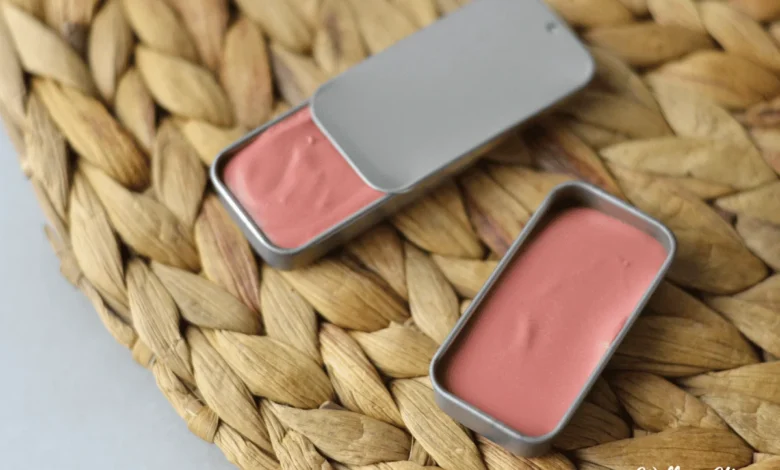
One of the primary criticisms of zinc-based formulations is the "white cast" effect, an aesthetic consequence of the mineral’s particulate nature. In the context of facial and lip care, this can be off-putting for consumers. The industry-standard solution involves the integration of iron oxides or pigments to neutralize the white hue.
Iron oxides are preferred in modern formulations because they can be produced as "nature-identical" pigments in laboratory settings. This process is essential to avoid the heavy metal contamination—such as lead or arsenic—often found in naturally mined earth pigments. By incorporating controlled amounts of iron oxide or, alternatively, rose kaolin clay, manufacturers can achieve a subtle, skin-toned finish. The addition of mica, a silicate mineral, can further improve the aesthetic by reflecting light, providing a subtle shimmer that masks the opacity of the zinc.
Chronology of Consumer Awareness and DIY Trends
The rise of the DIY sun-protection movement can be traced to the mid-2010s, coinciding with a surge in transparency regarding ingredient sourcing.
- 2015-2017: Initial consumer pushback against "chemical" sunscreens began, driven by studies linking oxybenzone to coral reef toxicity.
- 2018-2020: The "Clean Beauty" movement expanded, with home-formulators seeking to replicate high-end, reef-safe products in their own kitchens.
- 2021-Present: Regulatory focus on sunscreens tightened, with the FDA requesting more safety data on chemical filters. This prompted a surge in interest for mineral-based, simplified formulations that consumers could verify themselves.
Safety Protocols: Avoiding Phototoxic Ingredients
A critical, often overlooked aspect of formulating natural skincare is the danger of phototoxicity. Certain essential oils, particularly those derived from citrus rinds (e.g., bergamot, lime, lemon, and bitter orange), contain furanocoumarins. These compounds, when applied to the skin and subsequently exposed to sunlight, can cause a chemical reaction that increases the skin’s sensitivity to UV rays, leading to severe blistering, hyperpigmentation, or chemical burns.
For those preparing DIY lip balms, it is imperative to avoid these substances entirely. The inclusion of such oils in a product intended for sun protection is counterproductive and potentially hazardous. Instead, formulators are encouraged to utilize stable, antioxidant-rich carrier oils that do not react to light exposure.
Scientific Analysis: Why SPF 10 is Sufficient for Lip Care
There is a common misconception that high SPF numbers (e.g., 50 or 100) are universally superior. However, the incremental benefit of moving from SPF 30 to SPF 50 is statistically minimal. An SPF 10 formulation blocks 90% of UVB rays, while an SPF 30 blocks 96.7%. For the lips—an area that is often reapplied throughout the day—the consistency of application is far more critical than the sheer strength of the SPF rating. Because lip balms are subject to "wear-off" from talking, eating, and drinking, the physical barrier provided by a 20% zinc oxide formulation offers a reliable, low-toxicity solution that encourages frequent reapplication.
The Broader Impact on Public Health
The shift toward DIY mineral lip protection represents a broader trend of consumer empowerment in the health and beauty sector. As the public becomes more informed about the potential long-term risks of synthetic chemical absorption, the demand for transparent, ingredient-focused products continues to grow. While commercial products remain the most convenient option for the general population, the DIY movement serves as a vital laboratory for innovation, pushing the industry toward safer, reef-conscious, and biologically compatible ingredients.
Ultimately, the most effective sun protection strategy remains a multifaceted approach: minimizing direct midday exposure, utilizing physical barriers like wide-brimmed hats, and employing mineral-based topical protection on exposed areas. By understanding the chemical properties of ingredients like zinc oxide, red raspberry seed oil, and iron oxides, individuals can effectively mitigate the risks of UV exposure without compromising the integrity of their health or the health of the environment. As research continues to evolve, the focus will likely remain on refining these natural barriers to ensure they are both pleasant to use and scientifically sound, marking a permanent change in how we approach the delicate skin of the lips in the face of the sun.
Related posts: