Fueling the Future: A Comprehensive Guide to Nutritious, High-Protein Snacks for Young Athletes

The modern youth sports landscape demands a rigorous commitment from participants, often balancing schoolwork with grueling schedules of practices, games, and tournaments. As youth participation in organized athletics reaches record highs—with millions of children and adolescents engaging in daily physical training—sports nutritionists and pediatric dietitians are placing renewed focus on how growing bodies are fueled. Beyond the mere necessity of caloric intake, the physiological demands of youth athletics require a strategic balance of macronutrients to sustain energy, prevent injury, and optimize post-exertion recovery.
Historically, the youth sports market has been heavily saturated with commercial sports bars, chemically enhanced shakes, and expensive proprietary supplements marketed directly to concerned parents. However, recent dietary guidelines from pediatric health organizations emphasize that whole foods can adequately and safely meet the nutritional requirements of active children. Experts note that young bodies require a complex matrix of carbohydrates, protein, healthy fats, fluids, vitamins, and minerals. Crucially, post-exercise recovery relies heavily on pairing carbohydrates to replenish glycogen stores with protein to facilitate muscle repair and growth.
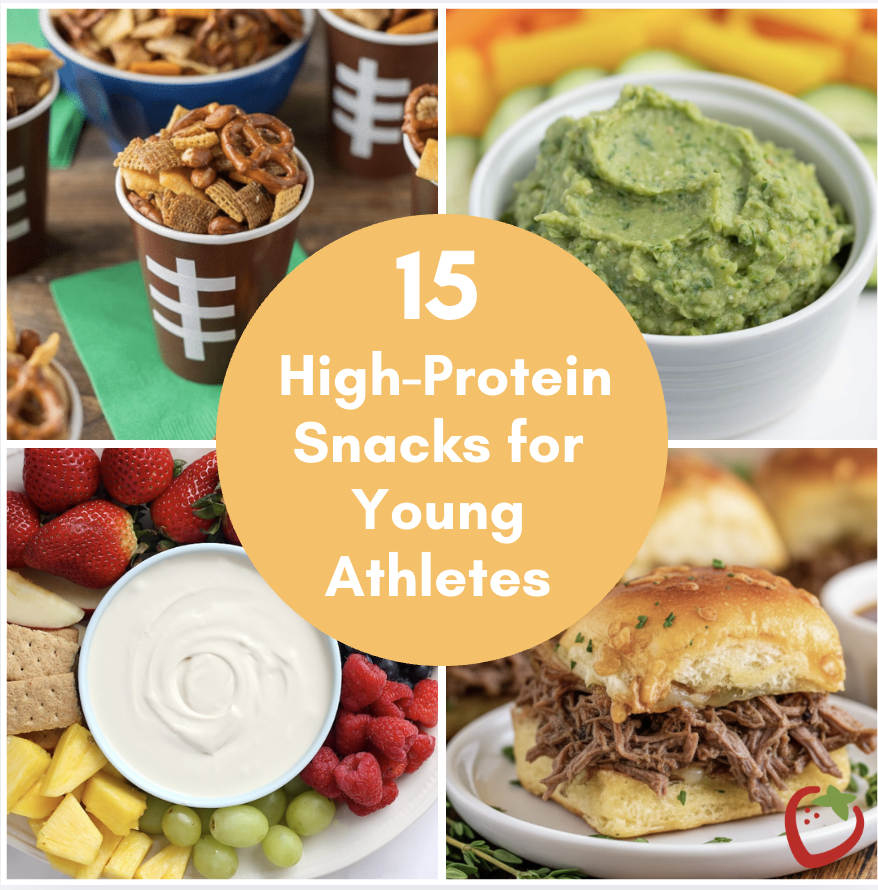
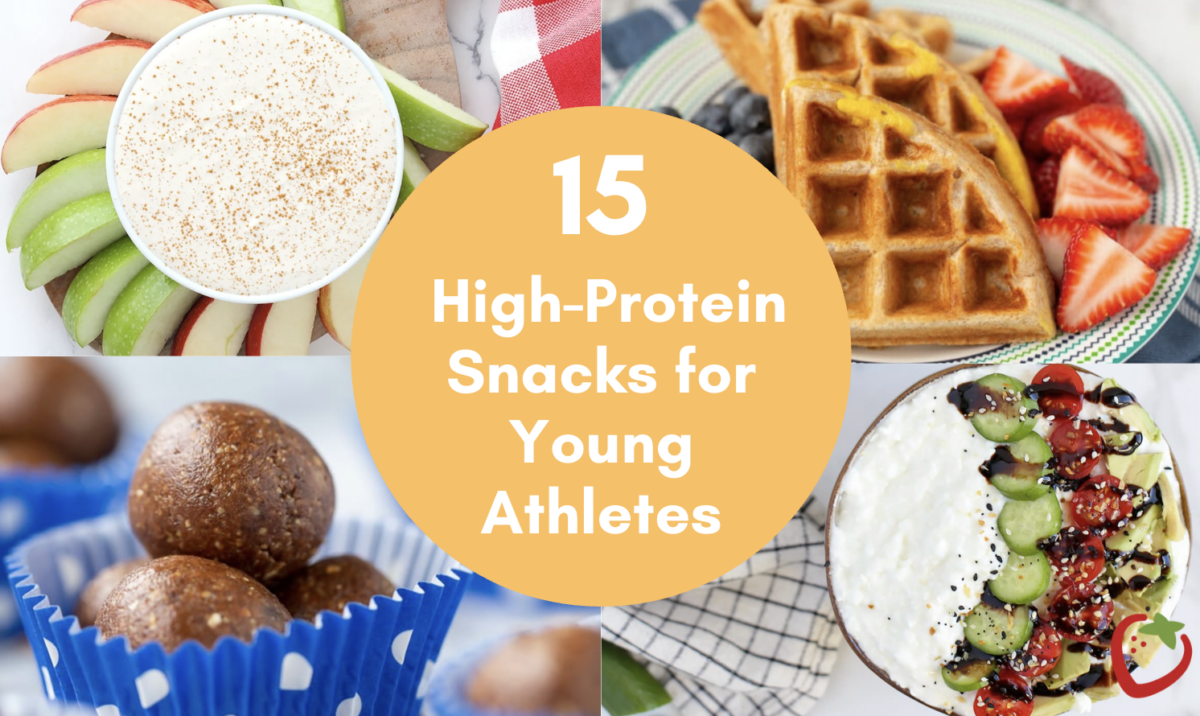
Nutritional science underscores that a successful sports snack does not need to be complicated or financially burdensome. According to a recent nutritional round-up curated by family wellness platform Super Healthy Kids, simple, kitchen-prepared snacks can easily replace synthetic alternatives. To assist parents and coaches navigating the chaotic schedule of youth sports seasons, nutrition experts have outlined fifteen accessible, high-protein snack options designed to bridge the gap between school and the playing field.
Understanding Nutritional Requirements for Growing Champions
Developing an effective nutrition plan for a young athlete begins with a clear understanding of what constitutes a balanced snack. While protein is frequently emphasized for its role in muscle synthesis, it represents only one component of a healthy dietary profile.
Carbohydrates remain the primary energy source for high-intensity activities such as running, swimming, jumping, and soccer. Foods rich in complex carbohydrates, including whole grains, oats, and fresh fruits, ensure that children do not experience premature fatigue. Meanwhile, healthy fats sourced from nuts, seeds, and avocados provide sustained, long-burn energy while enhancing the satiety of the meal. Furthermore, proper hydration—specifically the strategic intake of water before, during, and after physical exertion—remains a non-negotiable pillar of athletic performance.
Pediatric dietitians stress that portion sizing must remain individualized. The appropriate amount of food depends heavily on the child’s age, metabolic rate, body composition, the duration and intensity of the athletic activity, and the temporal proximity of the next scheduled meal.
Top 15 Wholesome, High-Protein Snack Ideas for Busy Sports Days
-
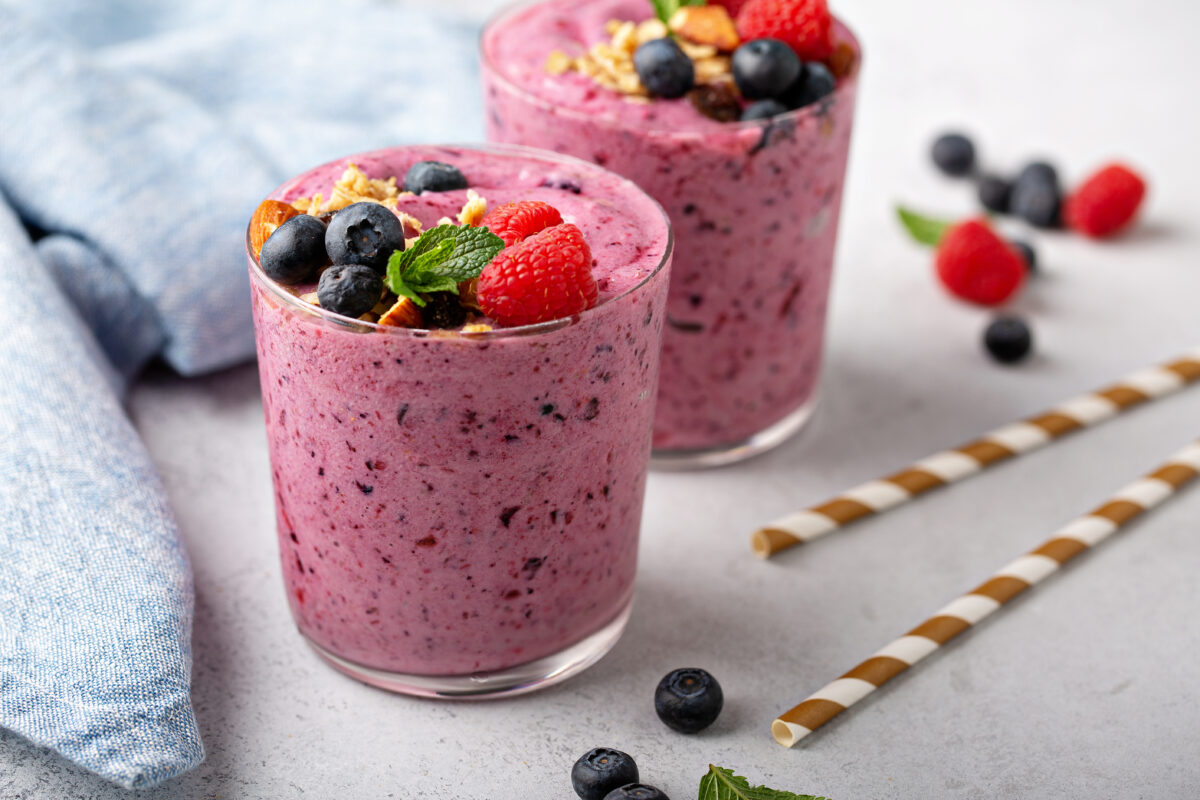
Mixed Berry Protein Smoothies
Blending frozen berries, a banana, Greek yogurt, milk, and a clean protein source creates a nutrient-dense beverage that is easy to consume even when children lack an appetite immediately following intense exercise. The fruit delivers vital carbohydrates, while the Greek yogurt adds a rich protein profile and a thick texture. Parents can further customize this option by incorporating chia seeds, ground flaxseed, or spinach. -
High-Protein Cottage Cheese Bowls
Cottage cheese serves as a versatile, low-prep canvas for both sweet and savory preferences. Providing approximately 17 grams of protein per serving, it can be paired with berries, honey, and granola for sweetness, or blended with tomatoes, cucumbers, and a touch of olive oil for a savory post-practice meal. -
Kid-Friendly Blueberry Protein Popsicles
Particularly valuable during warmer sports seasons, these frozen treats combine Greek yogurt, blueberries, and milk. They offer a clever way to deliver essential protein and carbohydrates in a format that children enthusiastically accept after a hot outdoor practice.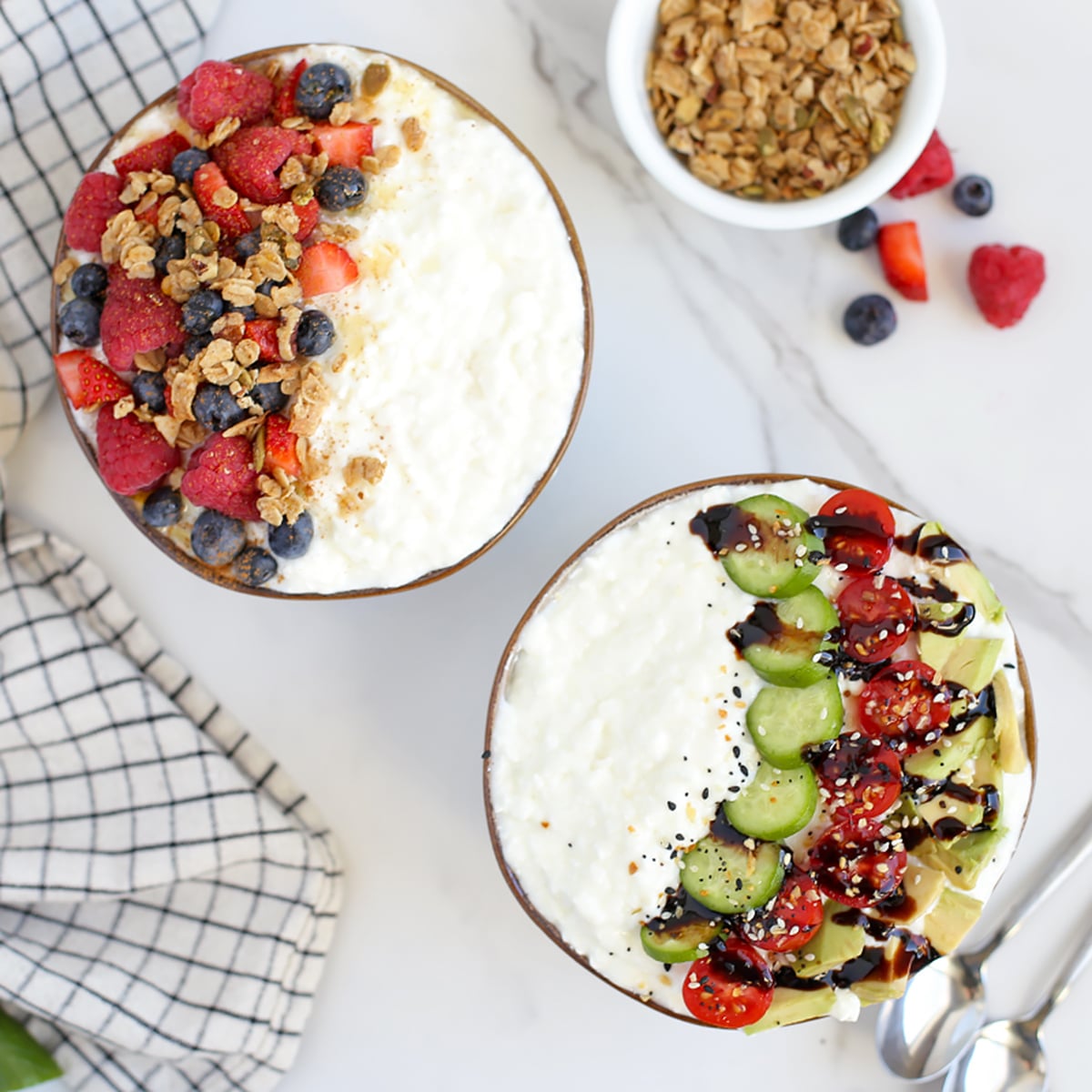
-
Peanut Butter Fudge Protein Energy Balls
Composed of whole-food ingredients such as peanut butter, rolled oats, dates, cocoa, and sunflower seeds, these portable bites deliver roughly 8 grams of plant-based protein per two-piece serving, alongside healthy fats and sustained-release carbohydrates. -
Easy High-Protein Edamame
As a remarkably simple finger food, steamed edamame requires minimal preparation. Naturally rich in plant-based protein, fiber, and essential micronutrients, a light dusting of salt makes it an appealing, low-prep snack that pairs well with whole-grain crackers or fresh fruit. -
Homemade Chocolate RX-Style Bars
Targeted primarily toward older youth and teenage athletes accustomed to commercial protein bars, homemade iterations utilizing almonds, cashews, dates, cocoa, and egg-white powder deliver roughly 10 grams of protein per bar without the artificial preservatives often found in store-bought alternatives.
-
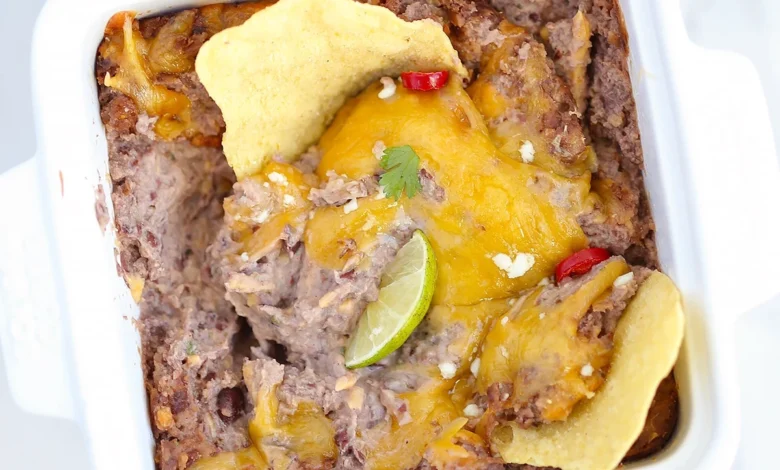
High-Protein Black Bean Dip
Integrating legumes into snack time provides substantial nutritional value. By combining black beans with Greek yogurt and mild cheddar cheese, this dip yields approximately 14 grams of protein per serving. It serves as an ideal vehicle for whole-grain tortilla chips and sliced bell peppers. -
Kid-Friendly Protein Waffles
Transforming a breakfast staple into a sports snack, these whole-wheat waffles incorporate Greek yogurt, milk, and eggs directly into the batter. Yielding about 15 grams of protein each, they can be frozen ahead of time and reheated quickly in a toaster before a game. -
Roasted Chickpeas
Offering an alternative to traditional, nutrient-deficient chips, roasted chickpeas can be prepared in various kid-friendly flavors such as cinnamon sugar, barbecue, or cool ranch. Each serving supplies about 9 grams of protein and ample dietary fiber.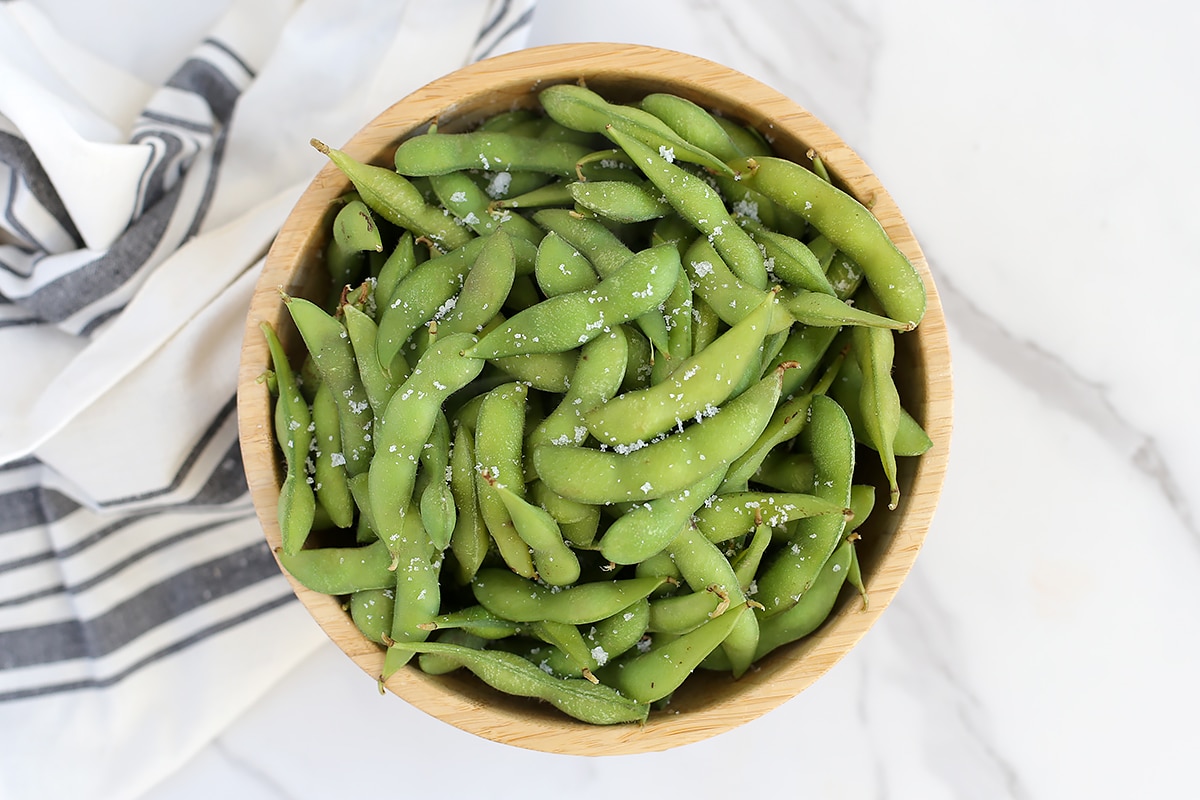
-
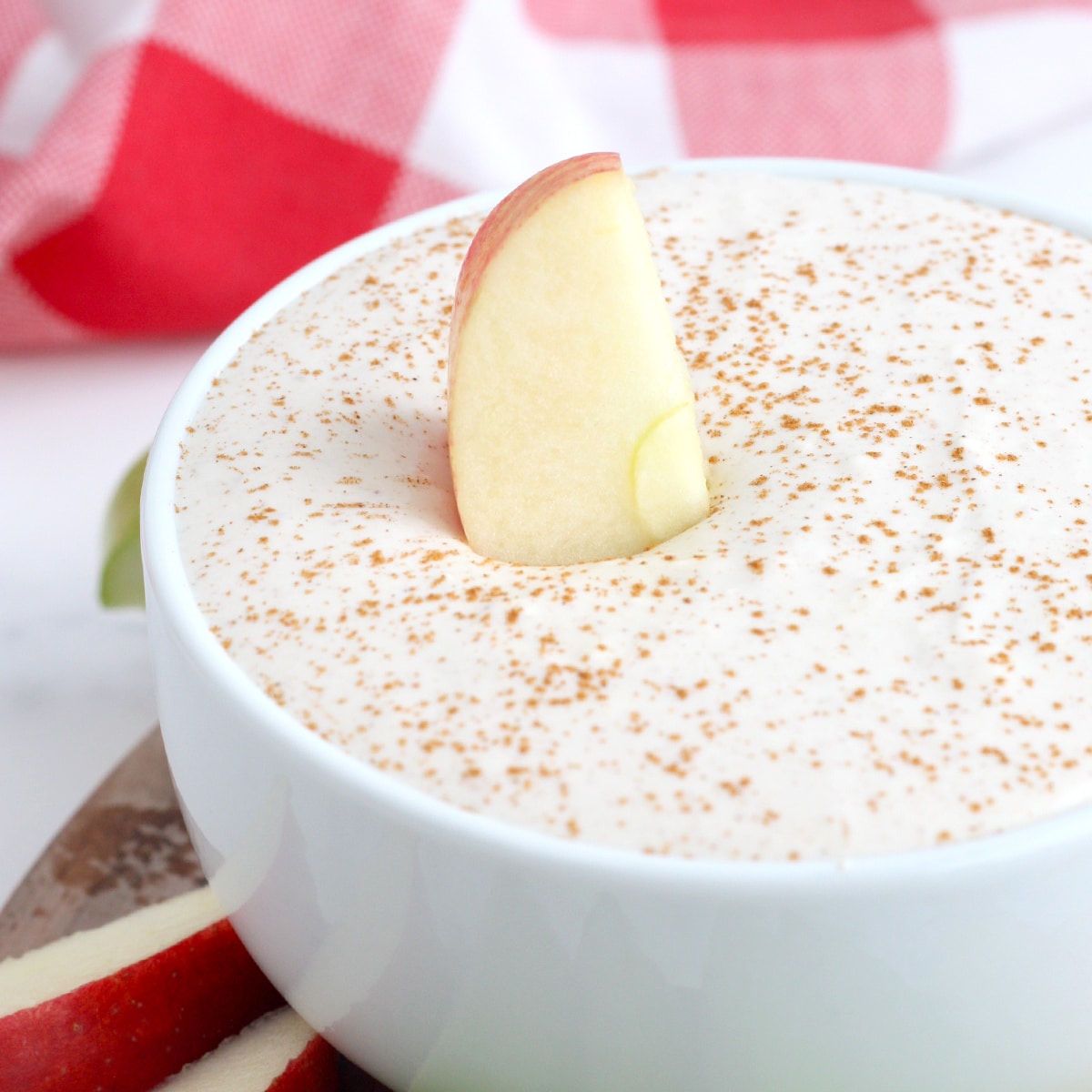
Healthy Yogurt Fruit Dip
Combining Greek yogurt with a touch of maple syrup, vanilla, and cinnamon creates an engaging dip for seasonal fruits like apples, bananas, and strawberries. This pairing successfully merges fruit-derived carbohydrates with dairy-based protein. -
Crunchy Roasted Peas
Tossed in olive oil and garlic salt, roasted green peas provide approximately 5 grams of plant-based protein per serving, offering a budget-friendly, highly portable crunchy snack option. -
Greek Yogurt Dip with Veggies
Utilizing Greek yogurt as a savory base flavored with herbs like dill and parsley, this dip provides roughly 7 grams of protein and encourages vegetable consumption when paired with sliced bell peppers or cucumber rounds.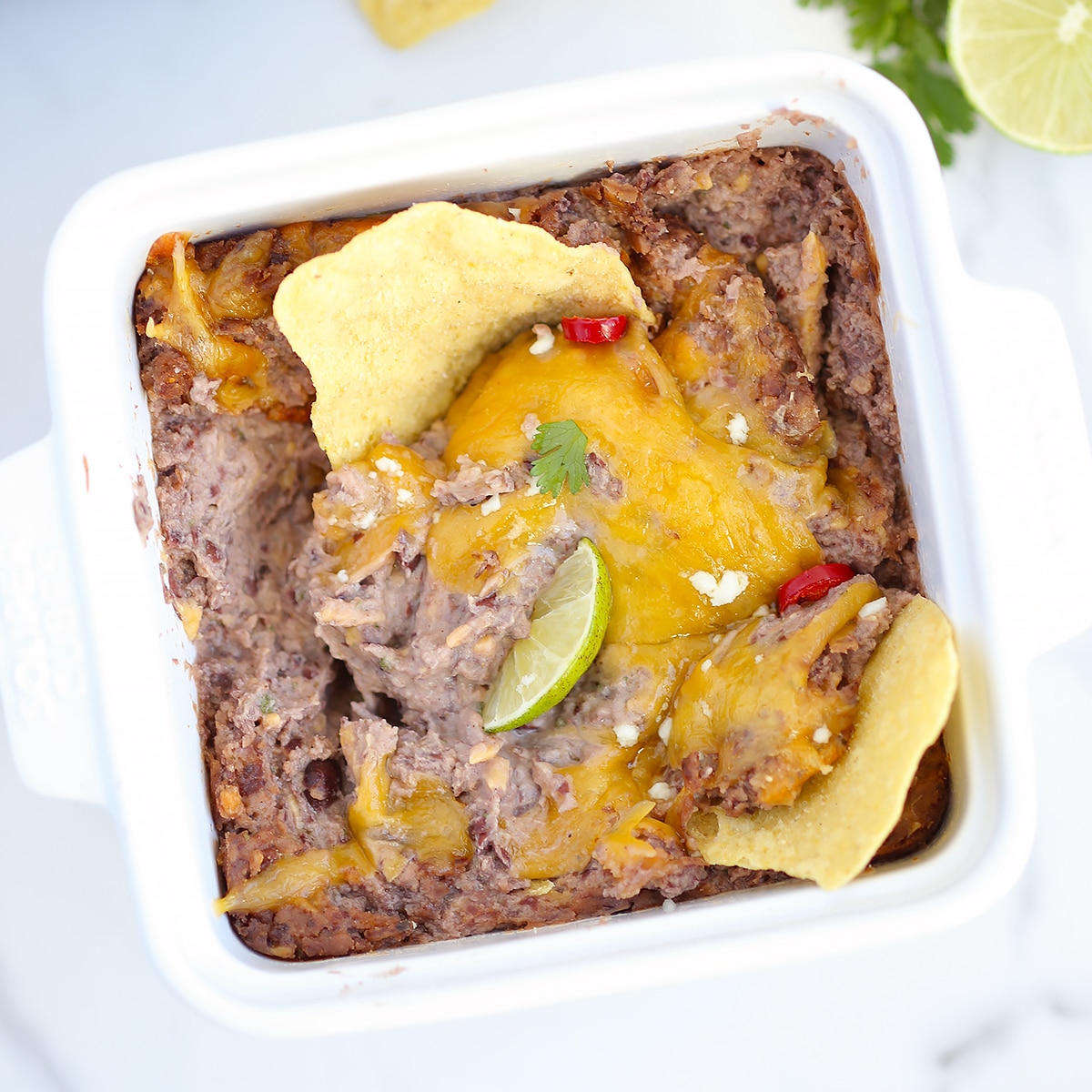
-
Kids Can Make ‘Em Energy Bites
Engaging children directly in the preparation of their food fosters healthy eating habits. These no-bake bites blend oats, peanut butter, flaxseed, chia seeds, and honey, delivering about 7 grams of protein per serving. -
Chia Seed Energy Bites
Requiring only a handful of pantry staples, these small bites combine oats, peanut butter, honey, and chia seeds to provide a balanced mix of carbohydrates, protein, and healthy fats. -
Raspberry Quinoa Smoothie
For older adolescents with substantial caloric and protein requirements, blending cooked quinoa with milk, Greek yogurt, and raspberries yields a remarkably hearty beverage containing approximately 22 grams of protein per serving.
Strategic Timing: Pre- versus Post-Exercise Nutrition
The physiological state of a child dictates the optimal timing and composition of their snacks. Prior to athletic events, the objective is to top off energy stores without causing gastrointestinal distress. If a snack is consumed an hour or more before practice, it should combine complex carbohydrates with a moderate amount of protein. If consumption occurs immediately prior to physical exertion, portions must be significantly reduced to ensure comfortable digestion.
Conversely, post-exercise nutrition must prioritize recovery. Within the critical window following intense physical activity, children benefit most from consuming a combination of carbohydrates to restore depleted muscle glycogen and protein to initiate muscle tissue repair.
The Debate Surrounding Protein Powders for Young Athletes
A common dilemma for parents of competitive youth athletes involves the use of specialized protein powders and commercial supplements. Sports dietitians overwhelmingly advise that dedicated supplementation is largely unnecessary. The vast majority of growing children can achieve their optimal nutritional targets through whole foods, including dairy, eggs, lean meats, legumes, soy, nuts, and seeds.
Medical professionals caution that introducing concentrated protein powders to younger children without a clinical indication can lead to unnecessary caloric excess and potentially displace other vital nutrients. Parents considering specialized supplements are strongly encouraged to consult a pediatrician or a registered sports dietitian before altering a child’s dietary regimen.

Broader Implications for Youth Health and Wellness
The growing emphasis on accessible sports nutrition reflects a broader cultural shift toward preventative health and wellness in youth. As organized sports become increasingly competitive at earlier ages, the risk of burnout, fatigue-related injuries, and poor dietary habits grows correspondingly. By demystifying sports nutrition and proving that effective fueling relies on accessible, whole-food ingredients rather than expensive commercial products, families are better equipped to support the long-term physical development of young athletes. Ultimately, establishing balanced dietary habits in childhood lays the foundational framework for a lifetime of health, fitness, and positive associations with food and physical activity.