The Ultimate Guide to Making Kid-Friendly Blueberry Protein Popsicles at Home for a Healthy Summer Snack

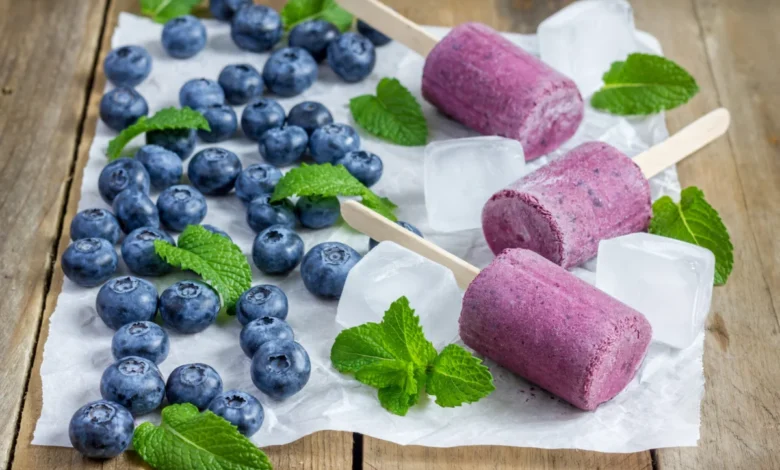
The rising demand for nutritious, low-sugar snacks has sparked a significant shift in household kitchens, leading parents to seek out alternatives to commercially manufactured frozen desserts. Among the frontrunners of this culinary trend are homemade fruit and yogurt popsicles, which successfully bridge the gap between indulgence and nutritional value. As public health organizations continue to sound alarms regarding the high sugar content in traditional children’s snacks—such as store-bought ice pops, sugary cereals, and processed snack bars—home economists and nutritionists are emphasizing the importance of whole-food alternatives. Central to this movement is a newly popularized recipe for Kid-Friendly Blueberry Protein Popsicles, a versatile treat designed to serve multiple dietary functions throughout the day, ranging from an after-school energy booster to a post-sports recovery snack or even a balanced breakfast option.
The culinary background of the frozen novelty market reveals a long-standing consumer tension between convenience and health. Historically, popsicles and ice creams marketed toward children have been heavy on high-fructose corn syrup, artificial food colorings, and chemical preservatives. While these commercial products offer undeniable convenience, pediatric dietitians have increasingly linked their regular consumption to childhood obesity, dental decay, and erratic blood sugar spikes. In response, the past decade has seen a paradigm shift toward functional snacking—foods that not only satisfy hunger and cravings but also deliver targeted macronutrients like protein, fiber, and healthy fats. The integration of Greek yogurt into frozen treats represents a prime example of this evolution, utilizing naturally protein-dense dairy to transform a simple dessert into a nourishing component of a child’s daily nutritional intake.
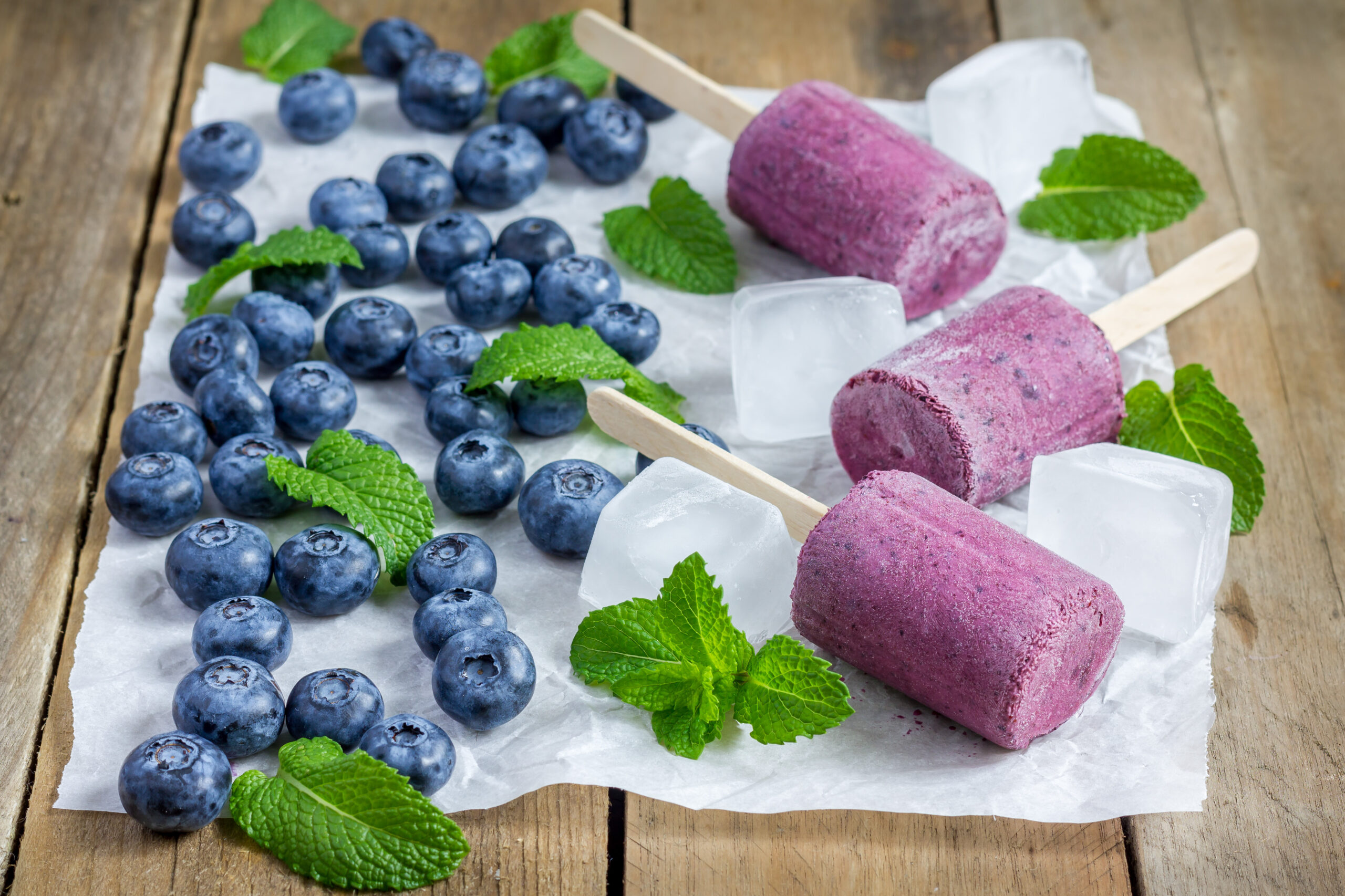
From a chronological perspective, the conceptualization and refinement of modern wholesome popsicles have gained substantial momentum during the post-pandemic era, coinciding with a broader cultural resurgence in home cooking and preventative family health. Nutritional surveys conducted over the last several years indicate that over 65 percent of parents actively seek out clean-label snacks that feature recognizable ingredients. The specific formulation of the blueberry protein popsicle was developed to meet these rigorous demands through a streamlined, no-cook preparation process. Requiring approximately 10 minutes of active preparation time followed by a standard freezing period of four hours, the recipe minimizes kitchen friction for busy families while maximizing nutritional output.
The core structural integrity of these popsicles relies on two foundational ingredients: Greek yogurt and fresh blueberries. Greek yogurt acts as the primary protein vehicle, offering a rich source of casein and whey proteins that promote sustained energy release and muscle repair, making it an ideal post-sports recovery food for active youth. Furthermore, the natural thickness of Greek yogurt imparts a luxurious, velvety texture to the frozen treat, eliminating the icy, crystal-heavy consistency often associated with water-based fruit pops. Complementing the dairy base, blueberries contribute natural sweetness, dietary fiber, and a robust profile of antioxidants, particularly anthocyanins, which are scientifically documented to support cognitive function, cardiovascular health, and cellular protection.
Nutritional analysts and culinary experts emphasize that the versatility of the recipe is a primary driver of its widespread adoption. Because the base mixture is inherently adaptable, parents can effortlessly modify the formulation to accommodate various dietary restrictions, allergies, and individual taste preferences. For instance, families managing lactose intolerance or dairy allergies can substitute traditional Greek yogurt with plant-based alternatives such as almond-, oat-, soy-, or coconut-milk yogurts without sacrificing the creamy mouthfeel. Similarly, the optional inclusion of protein powders allows older children and teenagers engaged in competitive athletics to tailor the macronutrient profile of the snack to higher protein requirements, while younger children can safely bypass supplemental powders in favor of whole-food protein sources.
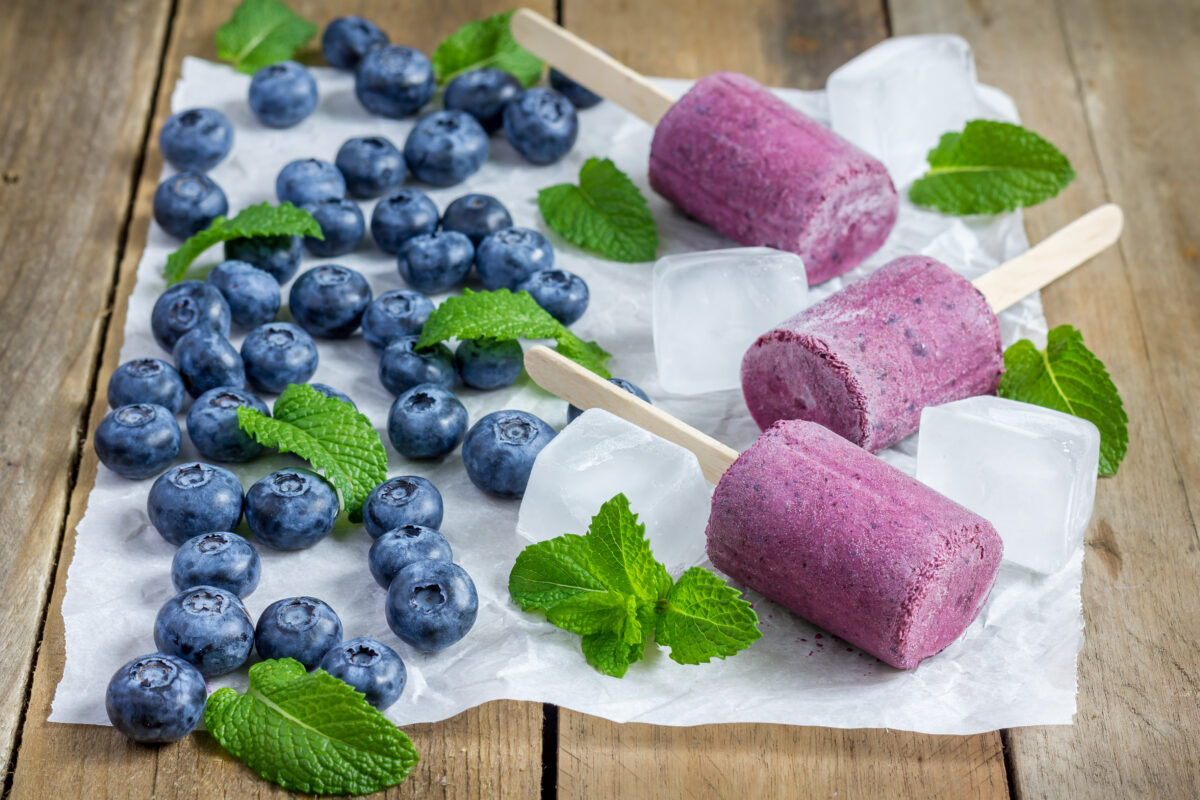
To achieve optimal culinary results, professional kitchen testing has yielded several critical preparation methodologies. First, thorough blending is essential; liquefying the blueberries entirely ensures an even distribution of flavor and color while mitigating choking hazards or textural aversion in younger children who may object to floating fruit skins. For households with children who display extreme sensory sensitivities to textures, straining the blended mixture through a fine-mesh sieve prior to mold pouring guarantees a completely smooth, premium-grade consistency. Second, culinary consultants advise against overfilling the silicone or plastic molds, noting that liquids expand during the freezing process. Finally, due to the high density of Greek yogurt, allowing the popsicles to temper at room temperature for one to two minutes prior to consumption prevents structural breakage and enhances the creamy sensory experience.
Beyond the baseline recipe, culinary innovators have introduced a variety of thematic flavor extensions to maintain children’s interest over extended summer periods. Among the most popular variations is the Blueberry Banana Protein Popsicle, which incorporates a single ripe banana to impart natural potassium, extra sweetness, and enhanced thickness. Another notable variation, the Blueberry Lemon Popsicle, integrates fresh lemon juice and zest to introduce a bright, refreshing acid profile that cuts through the richness of the dairy. For families seeking a more substantial meal replacement, the incorporation of rolled oats or a tablespoon of natural nut butter transforms the standard snack into a nutrient-dense, calorie-conscious smoothie pop capable of sustaining energy levels throughout long academic or athletic schedules. Furthermore, multi-berry formulations that blend strawberries, raspberries, and blackberries alongside blueberries provide a broader spectrum of polyphenols and dietary antioxidants.
The broader public health implications of shifting toward nutrient-dense homemade snacks extend far beyond individual household kitchens. Public health officials and pediatric associations have long advocated for community-level interventions to improve children’s diets, noting that dietary habits formed during early childhood frequently persist into adulthood. By normalizing the consumption of protein-rich, low-sugar alternatives like fruit and yogurt popsicles, families can effectively reframe how children perceive healthy eating. Rather than viewing nutrition as a restrictive or punitive measure characterized by the elimination of favorite foods, children experience healthful ingredients through the culturally positive lens of a rewarding, refreshing dessert.
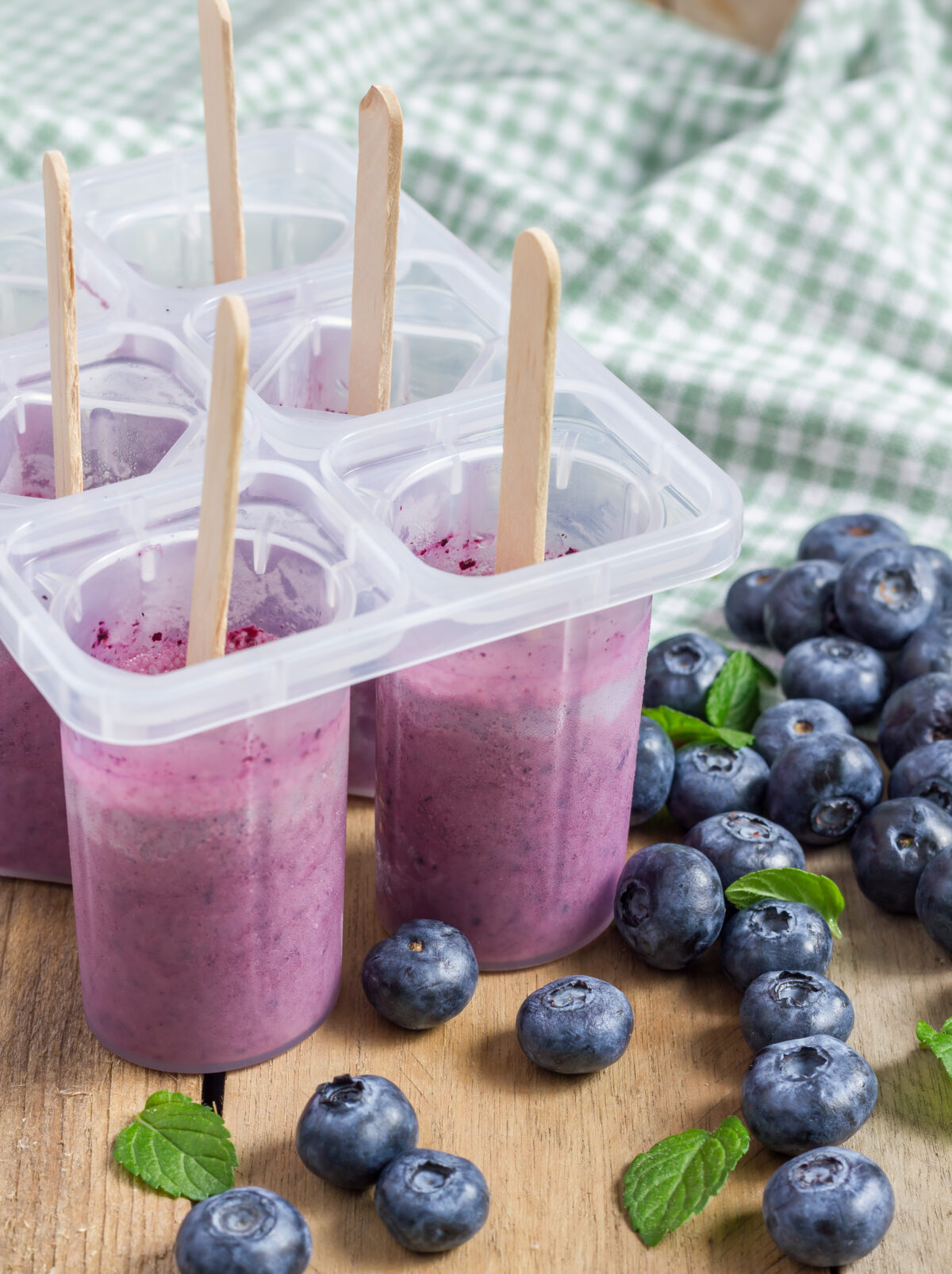
From an economic and environmental standpoint, transitioning from store-bought packaged novelties to homemade preparations also yields measurable benefits. Commercial frozen treats often incur significant markups due to branding, packaging, and logistical transportation costs, whereas bulk purchases of foundational ingredients—such as tubs of plain Greek yogurt, fresh or frozen blueberries, and natural sweeteners like honey or maple syrup—offer a cost-effective alternative for budget-conscious households. Additionally, utilizing reusable silicone popsicle molds drastically reduces single-use plastic waste generated by individually wrapped commercial ice pops, aligning family dietary choices with broader ecological sustainability goals.
As food scientists and culinary educators continue to analyze consumer trends, it is evident that the intersection of health, convenience, and sensory appeal will dictate the future of family-oriented recipes. The enduring popularity of treats like the Blueberry Protein Popsicle underscores a fundamental truth about modern nutrition: healthy eating does not require the sacrifice of flavor or enjoyment. By leveraging simple kitchen technology, wholesome whole foods, and adaptable culinary techniques, parents are successfully redefining the modern snack landscape, ensuring that children can simultaneously enjoy the quintessential pleasures of youth while building a foundation for lifelong wellness.