Navigating the Teen Body Modification Request: Beyond the Magic Age Limit for Piercings

When a teenager approaches their parents with a request for a body piercing, the initial parental reaction often sets the tone for the entire negotiation. Long before evaluating the merits of the specific request itself, the immediate response in the moments following that first conversation carries significant weight. Child development experts emphasize that how parents handle the initial ask can either foster open communication or drive the teenager toward secretive, unsafe alternatives. Rather than serving as an immediate battleground over personal aesthetics, a teenager’s request for a piercing offers a valuable opportunity to practice collaborative decision-making, responsibility, and mutual respect.
Understanding Teen Readiness: Age Is Just One Variable
The question of whether a specific age unlocks the right to body modification is a common dilemma for families. However, child psychologists and pediatric health professionals agree that chronological age is rarely the most reliable metric for readiness. A teenager may be entirely prepared for one type of piercing while lacking the maturity required for another. Furthermore, two adolescents of the exact same age can operate at vastly different levels of personal responsibility, organization, and self-care.
The American Academy of Pediatrics (AAP) addresses body modifications such as ear and body piercing through the lens of individual readiness rather than establishing a universal age threshold. According to AAP guidelines, the primary determining factor should not be what number is on a birthday cake, but whether the minor possesses the cognitive maturity and dedication required to properly clean and care for the piercing site during the crucial healing phase. Age provides a general framework, but it does not tell the whole story.
Behavioral maturity often eclipses chronological age when evaluating these requests. For instance, a thirteen-year-old with an established track record of personal hygiene, responsibility, and adherence to health routines may be fully prepared for a simple earlobe piercing. Conversely, a sixteen-year-old who routinely struggles with basic hygiene habits or requires constant reminders to maintain their daily routine may present a significantly higher risk profile for infection and improper aftercare.
Evaluating Risk Levels: From Earlobe to Cartilage and Beyond
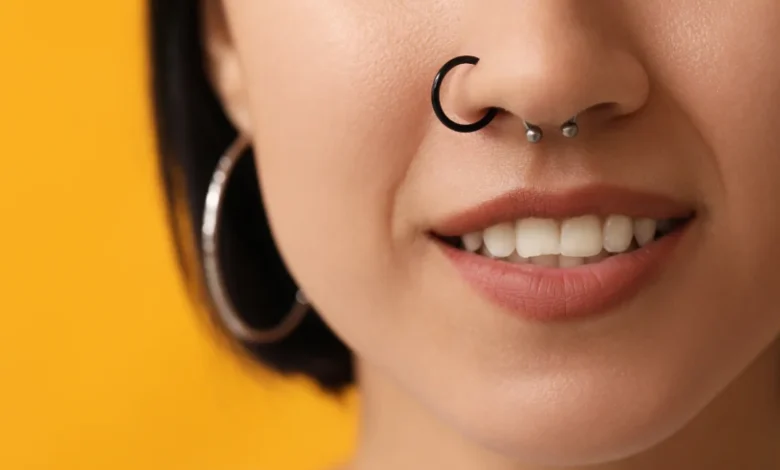
Not all piercings carry the same physiological risks, and understanding these distinctions is critical for parents and teenagers alike. Standard earlobe piercings generally represent the lowest tier of risk. They typically feature simpler aftercare regimens, faster healing times, and lower overall complication rates compared to piercings situated in cartilage, facial tissue, or the hands.
Nevertheless, health professionals stress that safer does not mean risk-free. Any procedure that breaks the skin introduces the possibility of bacterial infection, allergic reactions to jewelry metals, and localized inflammation. When teenagers venture beyond the traditional lobe into cartilage piercings—such as the helix, tragus, or daith—the healing timeline extends considerably, and the risk of complications like perichondritis (a painful cartilage infection) increases due to the lower blood supply in cartilage tissue.
The risk profile escalates further with advanced modifications, such as dermal piercings. Because dermal anchors sit partially underneath the skin in anatomical regions that experience frequent movement, friction, or handling—such as the hands, neck, or collarbone—they carry a substantially higher risk of migration, physical rejection by the body, scarring, and permanent tissue damage compared to traditional piercings that pass entirely through a fold of skin.
The Broader Context of Adolescent Development
The conversation surrounding body piercings typically emerges during early to mid-adolescence, a developmental window characterized by a strong desire for self-expression, identity exploration, and autonomy. As teenagers seek to differentiate themselves from their parents and align with their peer groups, bodily autonomy often becomes a primary focal point.
From a sociological perspective, body art and modifications have transitioned from countercultural phenomena to mainstream modes of personal expression. Industry data from dermatology and professional body-piercing associations indicate that requests for piercings among minors have steadily increased over the past two decades. This normalization, however, has not eliminated the medical and social considerations that accompany such decisions.
Developmental psychologists point out that adolescents are actively rewiring their executive functioning systems, which govern impulse control, long-term planning, and risk assessment. When a teenager asks for a piercing on a whim, it frequently stems from impulse rather than sustained deliberation. By encouraging a waiting period or structured research into the procedure, parents can help bridge the gap between impulsive desire and mature decision-making.
The Professional Perspective: Industry Standards and Parental Consent
Professional piercers affiliated with organizations like the Association of Professional Piercers (APP) operate under strict ethical and legal guidelines regarding minors. In most jurisdictions, piercing a minor requires explicit, documented parental consent, and frequently demands that a parent or legal guardian be physically present in the studio to sign paperwork and verify identification.
Reputable piercing studios enforce rigorous age verification protocols and reserve the right to refuse service if they suspect a minor is being coerced or if the teenager demonstrates an inability to comprehend aftercare instructions. Professional piercers often act as secondary educators, reinforcing the importance of implant-grade titanium, nickel-free metals, and strict adherence to saline cleaning solutions. When parents engage with reputable studios, they often find that professional piercers serve as valuable allies in explaining the realities of healing and maintenance to eager teenagers.
Shifting the Goal: Communication Over Control
Ultimately, child development experts emphasize that winning an argument about a specific piercing is a hollow victory. The overarching goal of parenting through adolescence is to raise a capable young person who can make increasingly thoughtful, independent decisions while maintaining an open line of communication with their family.
When a parent responds to a piercing request with an immediate, flat refusal without explanation, it can shut down dialogue and encourage teenagers to seek out unregulated, unsafe alternatives—such as do-it-yourself piercings performed at home or by peers using unsterilized equipment. Conversely, using the request as a collaborative project shifts the dynamic from a power struggle to a lesson in critical thinking.
Parents can establish structured criteria for evaluation. For instance, a teenager might be asked to research the anatomy of the specific piercing, investigate local professional studios to find one that meets health department standards, calculate the total cost including high-quality jewelry and aftercare products, and present a plan for how they will manage the healing process independently.
Implications and Long-Term Outcomes
The way families navigate minor conflicts over body modifications can have lasting implications for the parent-adolescent relationship. Adolescents who feel heard, respected, and trusted—even when their requests are ultimately denied or delayed—are more likely to consult their parents on more significant health, social, and academic decisions as they age.
By treating the piercing request not as a challenge to parental authority, but as a teachable moment in autonomy and risk management, families can foster resilience and maturity. Whether the final outcome is a green light for a simple lobe piercing, a delayed timeline contingent on demonstrated responsibility, or a polite refusal based on anatomical risk, the process itself yields valuable developmental dividends that extend far beyond the aesthetic choice.